



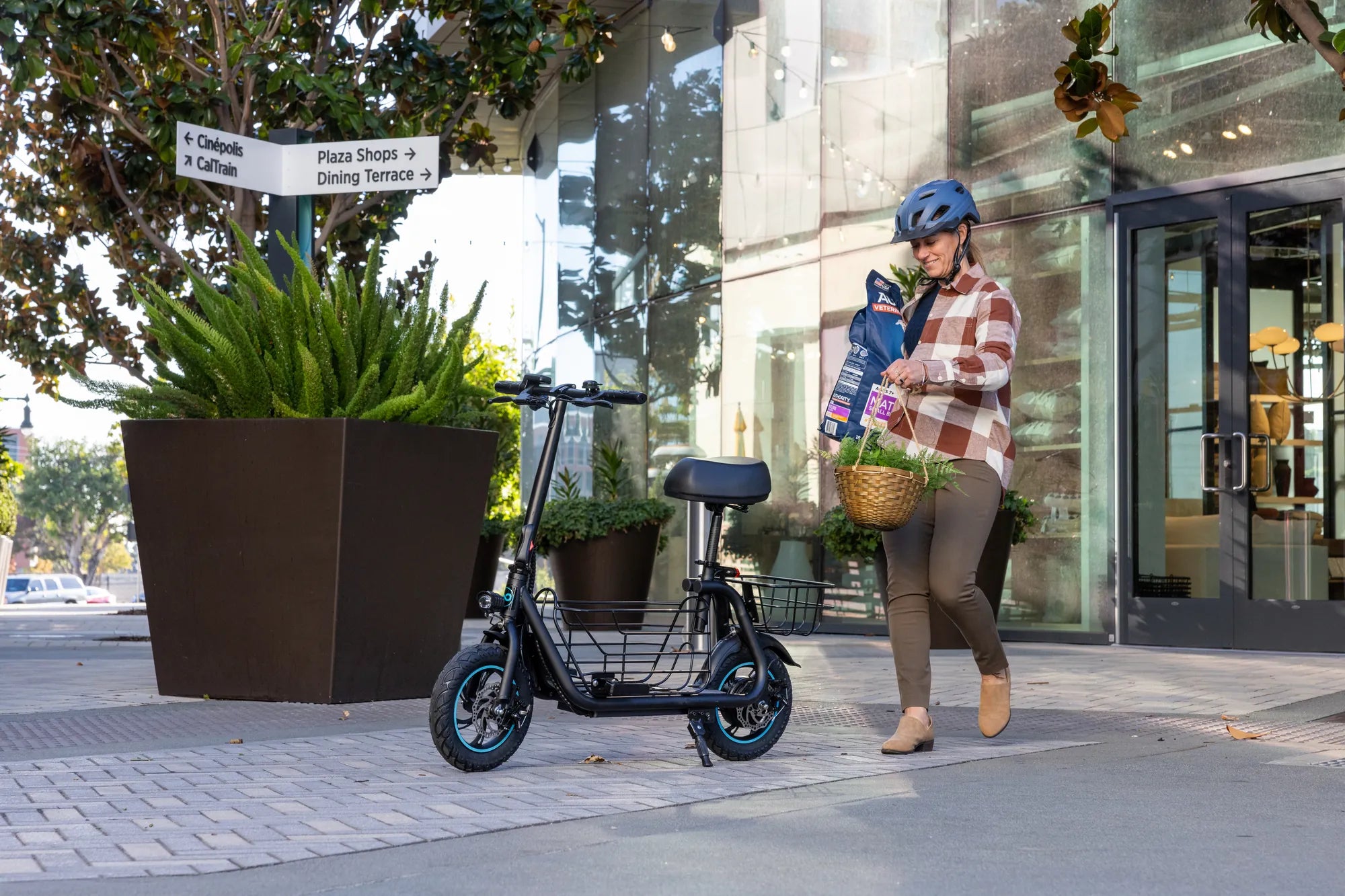
Introduction to Performance E-Bikes
Forget the gentle pedal-assist of a basic commuter. A true performance ebike is engineered for speed, power, and capability, transforming cycling from simple transportation into an exhilarating experience. These machines are defined by their ability to sustain higher speeds, conquer steep hills with ease, and handle demanding terrain with confidence, thanks to superior motors, high-capacity batteries, and premium components.
The core distinction lies in the engineering intent. While standard e-bikes focus on accessibility, a performance ebike prioritizes output, response, and durability. Key attributes include powerful motors (typically 750W and above), high torque for rapid acceleration, extended real-world range, advanced suspension for control, and hydraulic disc brakes for safe, powerful stopping. This guide will dissect every element that separates a true performance ebike from the rest.
For riders seeking this enhanced capability, brands like Gyroor have built their reputation on engineering reliable, high-performance electric bikes and scooters. With a focus on UL-certified safety, robust construction, and rider-focused design, understanding these principles is key to choosing a machine that won't just meet, but exceed your expectations for power and reliability.
The Core Components of a High-Performance E-Bike
Building a performance ebike requires a holistic approach where every component is upgraded to handle increased stress and deliver a superior ride. It's a symphony of power, control, and resilience, not just a bigger motor bolted onto a standard frame.
Motor and Power Delivery
The heart of any performance ebike is its motor. Wattage (e.g., 750W, 1000W) indicates potential power, but torque (measured in Newton-meters, or Nm) is the true measure of real-world performance. High torque translates directly to explosive acceleration from a stop and the ability to maintain speed on steep inclines.
Motor placement is critical. Mid-drive motors, positioned at the bike's crankset, leverage the bicycle's gears for efficient power delivery and excellent hill-climbing. High-performance hub motors, often found in robust designs, deliver direct power to the wheel for strong acceleration. Gyroor, for instance, utilizes high-torque motors in its e-bike systems to ensure riders have immediate power on demand, whether for urban commuting or recreational trail use.
Battery Technology and Real-World Range
A powerful motor demands a robust energy source. Battery capacity, measured in Watt-hours (Wh), is your fuel tank. A performance ebike will feature a high-capacity battery (often 700Wh or more) to support sustained high-power output. However, the quality of the lithium-ion cells and the battery management system (BMS) are paramount for safety, longevity, and consistent performance.
Real-world range is heavily influenced by assist level, terrain, rider weight, and wind. A performance ebike ridden at maximum assist on hilly terrain will deplete its battery faster. This is where reliable, high-quality packs shine. Gyroor equips its models with UL-certified battery packs, tested for over 500 charge cycles, ensuring not only safety but also dependable power delivery that lives up to the performance promise throughout the battery's life.
Frame, Suspension, and Handling
A performance frame must be stiff to handle increased power and speeds without flex, yet designed for stability and rider control. Aluminum alloys are common for their strength-to-weight ratio, while carbon fiber appears on premium models for ultimate lightness and vibration damping.
Suspension is no longer optional. A quality front fork with ample travel (80-120mm) absorbs impacts, keeping the wheel planted for control and comfort. Full-suspension designs on performance e-MTBs add a rear shock to tackle aggressive trails. This system works in tandem with robust frame geometry to provide confident handling, whether cornering at speed on pavement or navigating rocky paths.
Braking and Safety Systems
With great power comes the need for great stopping power. Hydraulic disc brakes are the standard for any serious performance ebike. They offer superior modulation, consistent performance in wet conditions, and require less hand effort than mechanical discs—a critical factor during long descents or emergency stops.
Integrated safety systems are part of the package. Bright, always-on headlights and taillights, reflective elements, and clear, comprehensive display units are essential. Furthermore, weather resistance is a key durability and safety feature. An IPX5 water-resistant rating, like that found on Gyroor models, means the electrical components are protected against water jets, allowing you to ride confidently in rain or through wet streets without compromising the bike's core systems.
Performance E-Bike Categories and Their Use Cases
The performance ebike market segments into distinct categories, each optimized for a specific type of riding. Choosing the right category aligns the bike's engineered strengths with your primary use case.
High-Speed Commuters & Urban Performance
These are the sport sedans of the e-bike world. Designed for fast, efficient city travel, they prioritize a blend of speed, agility, and practical features. Expect powerful motors (often Class 3, capping at 28 mph assist), sleek, lightweight frames, and tires that balance low rolling resistance with some puncture protection.
Features like integrated racks, fenders, and lighting systems make them viable car replacements. The riding position is often more aggressive than a cruiser, promoting efficiency. Brands engineer these models, like certain Gyroor commuter e-bikes, to deliver quick acceleration from traffic lights and the sustained power to maintain pace with urban traffic flows, all while offering the reliability needed for daily use.
Off-Road & Trail Performance E-Bikes (e-MTBs)
This category represents the pinnacle of performance ebike engineering for technical terrain. Modern e-MTBs feature full suspension with 140mm+ of travel, ultra-powerful motors with high torque outputs, and aggressive, knobby tires for maximum traction. Their frames are built to withstand the impacts of jumps, drops, and rock gardens.
The focus is on conquering steep, loose climbs and providing control and confidence on fast, challenging descents. Durability of every component—from the drivetrain to the wheels—is paramount. These bikes open up trail networks that would be exhausting on a traditional mountain bike, allowing riders to focus on skill and enjoy more downhill runs.
Hybrid Performance "All-Road" Bikes
Bridging the gap between road and trail, hybrid performance e-bikes offer remarkable versatility. They typically feature a sturdy frame, a suspension fork with moderate travel, and wider tires (often 1.75" to 2.4") that can handle pavement, gravel, dirt paths, and light trails with equal competence.
This is the ideal category for the rider who wants one bike to explore mixed-surface routes, tackle longer adventure rides, or simply have a capable machine for unpredictable terrain. They deliver the power and range of a performance ebike without being overly specialized, making them a popular choice for riders seeking a true do-it-all electric bicycle.
Key Performance Metrics: What the Data Means for You
Navigating spec sheets requires moving beyond marketing terms to understand the practical implications of the numbers. Here's how to translate technical data into real-world ride quality.
Interpreting Wattage, Torque, and Class Ratings
Motor wattage (e.g., 500W, 750W) is a peak output rating. More important is sustained power and torque. A 750W motor with 95 Nm of torque will feel stronger on a hill than a 1000W motor with 70 Nm. Torque is the rotational force that gets you moving.
E-bike classifications are crucial for legal compliance. In the U.S., Class 1 (pedal-assist up to 20 mph) and Class 3 (pedal-assist up to 28 mph) are most common for performance. Class 3 is the typical category for high-speed urban performance ebikes. Always check your local regulations, as laws governing speed, where you can ride, and helmet requirements can vary by state and municipality.
Beyond the "Max Range" Claim: Calculating Your Actual Range
Manufacturer range estimates are often calculated under ideal conditions (eco mode, light rider, flat terrain). A more realistic estimate can be derived from battery capacity. A simple rule of thumb: divide the battery's Wh rating by 20 for aggressive riding (high assist, hills) or by 10 for conservative riding (low assist, flat).
Example: A 672Wh battery might yield approximately 34 miles (672/20) of real-world range for a performance-oriented rider, or up to 67 miles (672/10) for a very conservative rider. Your weight, cargo, tire pressure, and wind are all significant factors. Investing in a bike with a high-quality, high-capacity battery from a brand that uses certified cells is the best way to ensure your estimated range is reliable.
The Gyroor Performance Advantage: Engineering for Reliability
True performance is not just about peak numbers; it's about sustainable, dependable power ride after ride. This is where engineering philosophy and component quality separate true contenders from mere spec-sheet champions. Gyroor's approach to building performance-oriented electric bikes centers on three pillars of reliability that directly impact the rider's experience.
First, the UL-certified lithium-ion battery is non-negotiable. This certification means the battery pack has undergone rigorous independent testing for safety hazards like overheating, short-circuiting, and electrical fire risk. Beyond safety, it ensures consistent power delivery and supports the long-term health of the battery through hundreds of charge cycles, protecting your investment and ensuring the bike's performance doesn't degrade prematurely.
Second, IPX5 water resistance is a critical feature for a vehicle meant for real-world use. This rating certifies protection against low-pressure water jets from any direction. It means riding in rain, through puddles, or washing your bike (carefully) won't compromise the motor controller, display, or electrical connections. For a performance ebike that might be used for daily commuting or all-weather adventures, this engineering safeguard is essential for long-term durability and avoiding costly repairs.
Finally, a 1-year comprehensive warranty backed by responsive, U.S.-based customer support demonstrates a commitment to the product's longevity. Performance components are under greater stress, and a strong warranty provides peace of mind. It signifies the brand's confidence in its manufacturing and its commitment to standing behind the rider, ensuring that the thrill of performance is matched by the security of reliable support.
Essential Considerations Before Buying a Performance E-Bike
Making an informed purchase requires looking beyond the bike itself to the ecosystem in which you'll ride it. These practical factors will ensure your new performance ebike is a source of joy, not frustration.
Local Laws and Regulations
Performance ebikes, especially Class 3 models, are subject to specific regulations that vary widely. Before purchasing, research your state and local laws regarding: where you can ride (bike paths, multi-use trails, roads), maximum assisted speed limits, age restrictions, helmet requirements, and whether registration or insurance is mandated. Compliance is crucial for your safety and legal protection.
Budgeting for Value and Total Cost of Ownership
The initial price of a performance ebike is significant, but it reflects the quality of integrated components. Consider total cost of ownership: a bike with a UL-certified battery and a robust warranty (like Gyroor's 1-year coverage) may have a higher upfront cost but lower long-term risk of failure and repair expense. Factor in the cost of essential accessories: a high-quality helmet, a sturdy lock, and potential upgrades like racks or bags.
Test Rides and Fit
If possible, always test ride. The feel of the motor's power delivery—its smoothness and responsiveness—is subjective. The bike's geometry and how it fits your body are critical for control and comfort, especially at higher speeds. A properly sized frame and adjustable components (stem, saddle) are as important as horsepower. A performance ebike that doesn't fit correctly will be uncomfortable and potentially unsafe to handle at its limits.
Performance E-Bike Comparison Table
| Category | Primary Use | Typical Motor Power | Key Features | Ideal For |
|---|---|---|---|---|
| Urban/Commuter Performance | Fast City Commuting, Errands | 500W - 750W | Class 3 (28 mph), Slick Tires, Integrated Lights/Racks, Lightweight Frame | Riders replacing car trips, seeking speed & utility for daily urban travel. |
| Hybrid "All-Road" Performance | Mixed-Surface Adventure, Fitness | 750W - 1000W | Front Suspension, Wider Tires (1.75"-2.4"), Versatile Geometry, Long-Range Battery | Riders exploring paved trails, gravel roads, and light off-road paths on one bike. |
| Off-Road/Trail (e-MTB) Performance | Mountain Biking, Technical Trails | 750W+ (High Torque) | Full Suspension, Knobby Tires, Aggressive Geometry, Ultra-Durable Components | Experienced cyclists tackling challenging singletrack, steep climbs, and descents. |
Performance E-Bike FAQ
Q: How fast can a performance ebike really go?
A: On motor assist alone, most street-legal performance ebikes (Class 3) are limited to 28 mph. However, the rider can pedal to exceed this speed. Some off-road-oriented models may have higher-capability modes intended for private land use only. The key advantage is how quickly and easily they reach and maintain that top assisted speed.
Q: Are performance ebikes safe for everyday commuting?
A> Absolutely, when ridden responsibly. Their superior brakes, bright lights, and stable handling at speed can enhance safety compared to slower bikes in traffic. The critical factor is the rider: wearing a helmet, obeying traffic laws, using signals, and maintaining heightened situational awareness are essential due to the higher speeds.
Q: How does weather affect a performance ebike's components?
A> Weather is a major factor. Rain and moisture can damage unprotected electrical systems and accelerate wear on drivetrain parts. This is why an IPX5 or higher water resistance rating is so valuable—it protects the core electronics. Regular maintenance, like cleaning and lubricating the chain after wet rides and storing the bike indoors, is crucial for longevity.
Q: Is the higher cost of a performance ebike justified?
A> For riders whose needs align with its capabilities, yes. The cost reflects higher-grade materials (motors, batteries, brakes, suspension), advanced engineering for durability under stress, and often better warranty support. If you require speed for a long commute, power for significant hills, or capability for off-road trails, the investment delivers tangible, daily value that a lower-powered bike cannot match.
Q: What maintenance is specific to a high-performance e-bike?
A> Beyond standard bike maintenance (brake checks, tire pressure, chain lubrication), pay special attention to the drivetrain and brakes, which wear faster due to higher speeds and torque. Regularly inspect electrical connections for debris, keep the battery contacts clean, and store the battery in a cool, dry place. Following the manufacturer's maintenance schedule for the motor and battery system is key.
Conclusion: Is a Performance E-Bike Right for You?
The decision to invest in a performance ebike hinges on your desire for a transformative riding experience. If your priorities include reducing commute times with sustained higher speeds, effortlessly conquering steep hills, exploring rugged terrain, or simply enjoying the thrill of instant, powerful acceleration, then the answer is clear. This category is engineered for you.
Choosing the right model means matching the bike's category—urban, hybrid, or off-road—to your primary use case and prioritizing the engineering fundamentals that ensure reliability: a high-quality motor, a UL-certified battery, hydraulic disc brakes, and robust weather resistance. A performance ebike from a brand like Gyroor, which builds these principles into its DNA with certified safety, IPX5 protection, and strong warranty support, represents a smart investment in long-term riding satisfaction.
Assess your routes, consider the legal landscape, and define what "performance" means for your daily life. When you choose a machine built to these standards, you're not just buying a faster bike; you're unlocking a new level of freedom, capability, and enjoyment on two wheels. Ready to experience the difference true engineering makes?
Browse the full Gyroor collection at gyroorboard.com to explore performance-oriented e-bikes and scooters designed for reliability and real-world power.
Hyper Dirt Bike Battery: The Ultimate Guide to Power, Range & Safety
What is a 7 Speed Bike: The Complete Guide to Versatile Cycling