

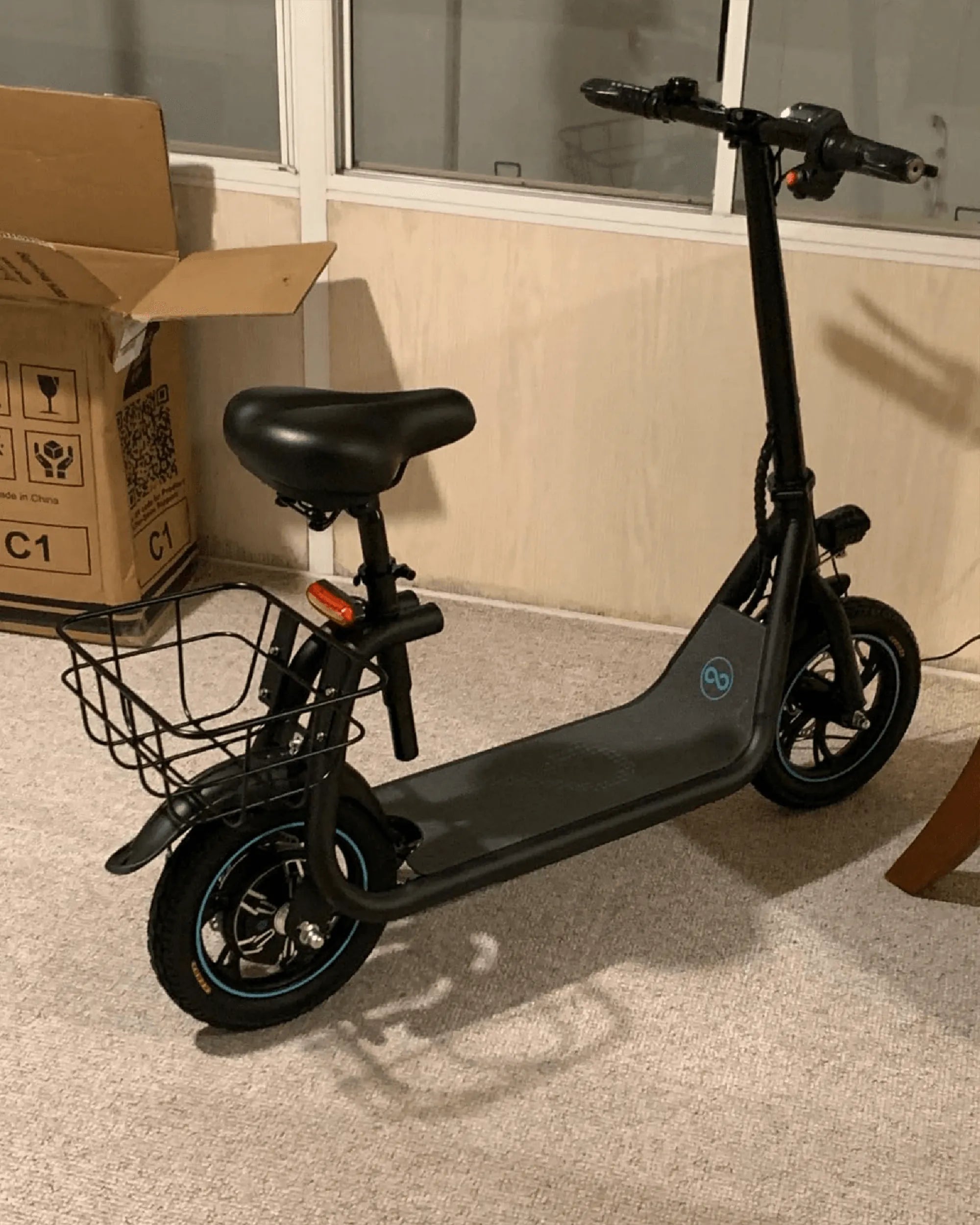
The world of personal electric vehicles (PEVs) is evolving at lightning speed, offering exciting solutions for urban commuters seeking sustainable, efficient, and fun alternatives to traditional transportation. From sleek e-scooters to cutting-edge electric skateboards, these compact machines are transforming city streets and redefining how we move.
The Rise of Personal Electric Vehicles
Urban centers worldwide are witnessing a dramatic surge in PEV adoption. As cities grow more congested and environmental concerns mount, commuters are turning to electric alternatives that combine convenience with eco-consciousness. Recent data shows PEV sales increasing by over 40% year-over-year in major metropolitan areas, signaling a fundamental shift in transportation preferences.
Key Factors Driving PEV Popularity
- Reduced carbon footprints compared to traditional vehicles
- Significant cost savings on fuel and maintenance
- Improved battery technology extending range and performance
- Growing infrastructure supporting PEV use in urban areas
Technological Breakthroughs in PEVs
The PEV industry continues to push boundaries with innovative features that enhance safety, performance, and user experience. Recent advancements include self-balancing systems, regenerative braking, and smart connectivity that allows riders to monitor battery life and track routes through mobile apps.
Safety Innovations Taking Center Stage
Manufacturers are prioritizing rider safety with new technologies like collision avoidance systems, improved lighting for nighttime visibility, and advanced stability controls. These developments come as cities establish clearer regulations for PEV operation on public roads and bike lanes.
Challenges Facing the PEV Industry
Despite rapid growth, the PEV sector faces several hurdles that could impact its long-term success. Battery disposal concerns, inconsistent regulations across municipalities, and limited charging infrastructure in some areas present ongoing challenges for widespread adoption.
The Regulatory Landscape
Governments worldwide are grappling with how to integrate PEVs into existing transportation frameworks. Speed limits, helmet requirements, and permitted riding areas vary dramatically between regions, creating confusion for riders and law enforcement alike.
The Environmental Impact of PEVs
While PEVs offer clear environmental benefits over gas-powered vehicles, their true sustainability depends on several factors. The source of electricity used for charging, battery production methods, and product lifespan all contribute to their overall ecological footprint.
Comparing Carbon Footprints
| Transportation Method | CO2 Emissions per Mile |
|---|---|
| Gasoline Car | 411 grams |
| Public Transit | 200 grams |
| PEV (Electric Scooter) | 50 grams |
| Bicycle | 0 grams |
The Future of Personal Electric Transportation
Industry analysts predict continued innovation in the PEV space, with upcoming developments including swappable battery systems, AI-assisted navigation, and even self-driving capabilities for certain vehicle types. As technology improves and prices decrease, PEVs may become the dominant form of short-distance urban transportation within the next decade.
From revolutionizing last-mile delivery to providing affordable commuting options, personal electric vehicles are charging ahead as more than just a passing trend—they're becoming an essential component of smart, sustainable cities. The next time you're stuck in traffic, look to the bike lane—you might just spot the future of transportation whizzing by.
Heavy Weight Electric Scooters: Power, Durability, and Performance on the Road
Are Electric Scooters Allowed on Public Transport? The Ultimate Guide