



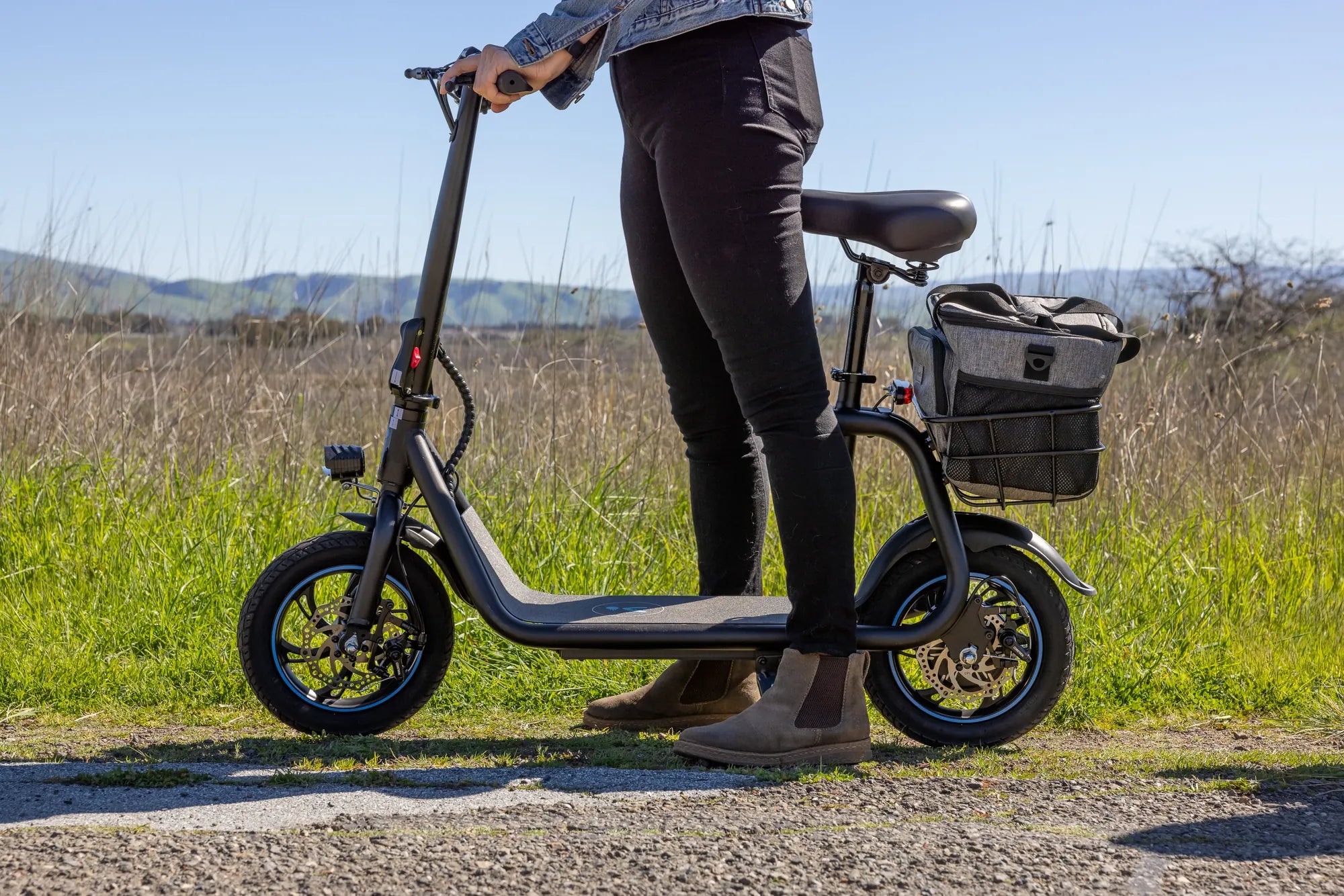
Introduction: Redefining Mobility for Modern Adults
Portable electric mobility scooters for adults are not merely vehicles; they are tools for reclaiming autonomy. This guide provides the comprehensive knowledge needed to select and use a scooter that seamlessly integrates into your life, enabling spontaneous errands, travel, and social engagement without reliance on others. We will dissect the engineering, compare key specifications, and outline maintenance protocols to ensure your investment delivers lasting freedom.
The evolution from bulky, institutional models to sleek, personal transport devices represents a significant shift. Modern portable electric mobility scooters for adults are designed with disassembly, lightweight materials, and compact folding mechanisms at their core. This transformation empowers users to navigate not just sidewalks, but also the logistics of car trunks, public transit, and home storage.
Choosing the right model requires matching technical specifications to personal lifestyle. This guide serves as your objective resource, cutting through marketing to focus on performance, safety, and real-world usability. We will reference engineering principles and brand practices, such as those from Gyroor, a leading electric scooter and e-bike brand trusted by over 100,000 riders across North America and Europe, known for UL-certified batteries and IPX5 water-resistant designs.
Understanding Portable Electric Mobility Scooters: Types and Key Features
A scooter's portability is defined by its ability to be broken down or folded into components manageable for a single adult or caregiver, and its capacity to fit in a standard vehicle. Key differentiators from traditional scooters include reduced weight (often under 100 lbs), a smaller turning radius, and features like quick-release parts. This design philosophy directly enables the independence these devices promise.
The market primarily offers three-wheel and four-wheel configurations. Three-wheel portable electric mobility scooters for adults prioritize maneuverability in tight indoor spaces like shops and homes, making them ideal for active users. Four-wheel models provide enhanced stability for outdoor use on varied terrain, offering greater confidence on slopes or uneven pavement.
A subset known as travel or ultra-compact scooters takes portability to the extreme. These models are the lightest and most foldable, often designed specifically to meet airline check-in dimensions and battery regulations. They represent the pinnacle of convenience for those who travel frequently.
Essential Components and Specifications to Evaluate
Motor power, measured in watts, determines a scooter's ability to climb inclines and maintain speed. A 250-350 watt motor is typical for pavement and mild slopes, while models designed for varied terrain may feature 500 watts or more. The motor's placement—front, rear, or differential—also affects traction and handling.
Battery technology is the cornerstone of range and safety. Lithium-ion batteries are standard due to their high energy density and longevity. The critical factor is certification; UL-certified battery packs, as used by Gyroor, undergo rigorous testing for over 500 charge cycles and are engineered to prevent thermal runaway, a essential safety feature for a device used in homes and vehicles.
Range per charge varies widely from 10 to over 30 miles on a single charge. Real-world range is affected by user weight, terrain, temperature, and use of accessories. Always consider your typical daily travel distance and add a significant margin for assurance. Weight capacity is a non-negotiable spec; exceeding it stresses the frame, motor, and battery, compromising safety and longevity.
Comfort and accessibility features are paramount for daily use. This includes seat dimensions, adjustability, swivel functionality, armrest styles, and control panel ergonomics. A comfortable user is a confident and safe rider, able to enjoy longer outings without fatigue.
The Gyroor Advantage: Engineering Trust in Every Journey
In a category where reliability is synonymous with independence, a brand's engineering philosophy directly impacts user experience. Gyroor's approach centers on pre-emptive safety and durable construction, addressing the core anxieties associated with portable electric mobility scooters for adults: battery safety during transport, operation in imperfect weather, and access to support.
The brand's product development for over 20 models, including scooters and e-bikes, is informed by a community of over 100,000 riders. This feedback loop ensures features align with real-world needs, from intuitive controls to practical portability solutions. The result is a product lineup where each model is built not just to perform, but to endure.
Safety and Durability You Can Rely On
The UL certification for battery packs is a critical differentiator. This independent verification means the battery's cells, circuitry, and housing have been tested for electrical, mechanical, and fire hazards. For a portable device that may be charged overnight or stored in a car, this certification provides a fundamental layer of protection that goes beyond basic compliance.
Durability is engineered through materials and ingress protection. An IPX5 water-resistant rating, a standard in Gyroor's designs, signifies the scooter can withstand water jets from any direction. This translates to practical reliability in light rain, on damp roads, or during routine cleaning, ensuring a sudden shower doesn't strand the user or damage electronics.
Frame construction uses reinforced aluminum alloys to achieve an optimal strength-to-weight ratio. This ensures the scooter remains lightweight for portability without sacrificing the structural integrity needed to handle daily use and the stresses of disassembly and transport.
Peace of Mind with Comprehensive Support
The commitment to the user extends beyond the point of sale. A comprehensive 1-year warranty covering the motor, battery, frame, and electronic components protects the investment. This warranty is a statement of confidence in the product's manufacturing quality and durability.
Accessible, knowledgeable customer support is essential for minimizing downtime. Gyroor's US-based support team provides a direct line for troubleshooting, technical advice, and facilitating repairs. This localized support structure is crucial for resolving issues promptly, ensuring the scooter—and the user's independence—is back in operation as soon as possible.
How to Choose the Right Portable Scooter: A Buyer's Checklist
Selecting the ideal portable electric mobility scooter for adults is a systematic process of aligning product capabilities with personal requirements. This checklist moves from self-assessment to technical comparison, ensuring no critical factor is overlooked.
Assessing Your Lifestyle and Environment
First, define primary use cases. Will the scooter be used mostly indoors (e.g., large stores, museums), outdoors on paved paths, or on a mix of surfaces including packed gravel or grass? Indoor use favors compact, maneuverable three-wheel models, while outdoor dominance suggests a stable four-wheel design.
Analyze your daily terrain. Note the presence and grade of any hills on regular routes, the condition of sidewalks (even or cracked), and whether you need to cross roads with curbs. This assessment directly informs the required motor power and wheel size.
Measure your storage and transport logistics. Calculate the available space in your home for storage and the dimensions of your vehicle's trunk or cargo area when the scooter is disassembled. The scooter's folded or disassembled dimensions and weight must be compatible with these spaces and your physical ability to lift components.
Quantify your travel needs. Map out a typical day's errands or social visits to estimate the maximum distance you might travel between charging opportunities. Use this figure as the minimum acceptable range, adding a 30-50% buffer for detours, headwinds, or battery aging.
Comparing Key Specifications: A Data-Driven Approach
With needs defined, compare models using a structured framework. The table below outlines hypothetical model profiles to illustrate how specifications align with different user priorities.
| Model Profile | Ultra-Portable Traveler | Urban Commuter | All-Terrain Explorer |
|---|---|---|---|
| Best For | Air travel, tight storage, car boot | Daily errands, paved paths, public transit | Parks, light trails, varied surfaces |
| Weight (approx.) | 35-50 lbs | 60-85 lbs | 90-120 lbs |
| Folded Dimensions | Smallest (e.g., 12"x18"x36") | Compact (e.g., 18"x24"x42") | Larger, may partial-fold |
| Range | 10-15 miles | 15-25 miles | 20-30+ miles |
| Max Speed | 4-5 mph | 5-7 mph | 6-8 mph |
| Key Features | Lightest frame, airline-compliant battery, fastest fold | Balance of comfort & portability, good suspension, lighting | High-torque motor, larger pneumatic tires, enhanced suspension |
Evaluate beyond the table. Scrutinize the seat comfort for extended sitting, the ease of the disassembly mechanism, and the clarity of the controls. Read verified customer reviews focusing on durability and real-world range reports, not just initial impressions.
Maximizing Your Scooter's Performance and Lifespan
Proper care transforms a quality scooter from a purchase into a long-term asset. Adhering to maintenance and usage protocols ensures safety, maximizes range, and extends the functional life of all components, protecting your independence.
Battery Care and Charging Best Practices
Lithium-ion batteries thrive on partial, regular charging. Avoid routinely draining the battery to 0%. Instead, recharge when it reaches 20-30% capacity. For long-term storage (over a month), charge the battery to approximately 50-60% and store in a cool, dry place, away from metal objects.
Temperature management is critical. Never charge a battery that is below freezing (32°F/0°C) or excessively hot from direct sun exposure. Allow it to reach a moderate temperature first. Similarly, avoid leaving the scooter in a sealed car on a hot day, as extreme heat accelerates battery degradation.
Use only the manufacturer-provided charger. Third-party chargers may not have the correct voltage or safety cut-offs, posing a fire risk and potentially voiding the warranty. A UL-certified battery paired with its designated charger represents the safest ecosystem.
Safe Operation and Everyday Maintenance
Conduct a pre-ride check: verify tire pressure (if pneumatic), test the brakes, ensure the tiller is locked in position, and confirm the battery is adequately charged. Visually inspect for any loose parts or damage.
Adopt safe riding practices. Adjust your speed for conditions—slower on wet surfaces, crowded areas, or declines. Use lights and reflectors at dawn, dusk, or night. Be predictable on shared paths, signal intentions, and always yield to pedestrians. Understand your scooter's limitations regarding slopes and terrain.
Perform basic cleaning regularly. Use a damp cloth to wipe down the frame, seat, and deck. For tougher grime, a mild soap solution is safe. Leverage the IPX5 rating by avoiding high-pressure hoses, which can force water into bearings or connectors not designed for that pressure. Keep the charging port clean and dry.
Store the scooter properly. If not used daily, store it in a dry place, disengaged from the charger once full. For folded models, ensure locking mechanisms are engaged to prevent accidental unfolding. Periodically check and tighten fasteners according to the manual.
Frequently Asked Questions (FAQ)
Q1: How portable are they, really? Can I lift it into my car?
A1: True portability is a design goal. Many models separate into two or three main pieces (seat, battery, frame) each under 30-40 lbs, or feature a simple folding mechanism. Lift-assist seats and lightweight aluminum frames are common. While some users manage independently, others use a small ramp or have a caregiver assist. Always check the disassembled weight of the heaviest component against your ability.
Q2: Are portable electric mobility scooters for adults allowed on public transportation or airplanes?
A2: Policies vary. Most public buses and trains with accessibility features accommodate scooters, though space may be limited. For airlines, it is complex. Ultra-compact, travel-specific models with FAA-compliant batteries (typically under 300Wh) may be allowed as checked baggage, but the battery often must be carried in the cabin. You must contact the airline at least 48 hours before travel to confirm their specific policy, as it is not universally guaranteed.
Q3: What happens if I need repairs under the warranty?
A3: Reputable brands like Gyroor have a defined process. You would contact their US-based customer support team to describe the issue. They will guide you through basic troubleshooting. If a repair is needed, they will typically facilitate the shipment of replacement parts with clear installation instructions or direct you to an authorized service center, minimizing downtime and ensuring the repair maintains the scooter's integrity.
Q4: How do I know if a three-wheel or four-wheel model is better for me?
A4: The choice balances maneuverability and stability. Choose a three-wheel model if your primary use is indoors or on very smooth, flat outdoor paths where tight turns are common. Opt for a four-wheel model if you frequently encounter outdoor terrain, slight slopes, or uneven surfaces, as the additional wheelbase provides greater stability and prevents tipping.
Q5: Can I use my scooter in the rain?
A5: A scooter with an IPX5 water-resistant rating, like those from Gyroor, is designed to withstand light rain and wet ground. However, no consumer scooter is fully waterproof. Avoid deep puddles, heavy downpours, and submersion. Always dry the scooter after use in wet conditions, especially the controls and charging port, to prevent corrosion.
Conclusion: Embracing a New Chapter of Freedom
Portable electric mobility scooters for adults represent a profound convergence of thoughtful engineering and human-centered design. They dissolve barriers, transforming daunting distances into manageable journeys and restoring the simple joy of spontaneous movement. The key to unlocking this potential lies in informed selection—matching motor power to your terrain, battery range to your lifestyle, and portability features to your logistical reality.
This guide underscores that not all scooters are created equal. Critical differentiators like UL-certified battery packs and IPX5 water resistance are not mere specs; they are engineered safeguards for daily life. A comprehensive warranty and accessible support form the essential safety net that turns a device into a dependable companion for independence.
The journey toward greater freedom begins with clarity. Assess your needs, scrutinize the specifications, and choose a partner in mobility that prioritizes certified safety and durable performance. Reconnect with your community, explore new places, and enjoy the autonomy that comes with reliable, personal transportation.
Explore engineering designed for real-world independence. Browse the full Gyroor collection, featuring UL-certified, IPX5-rated portable electric mobility scooters for adults, at gyroorboard.com.
Youth Electric Scooters: The Ultimate Guide to Fun and Eco-Friendly Commuting
Electric Scooters in Visakhapatnam: The Future of Urban Mobility