



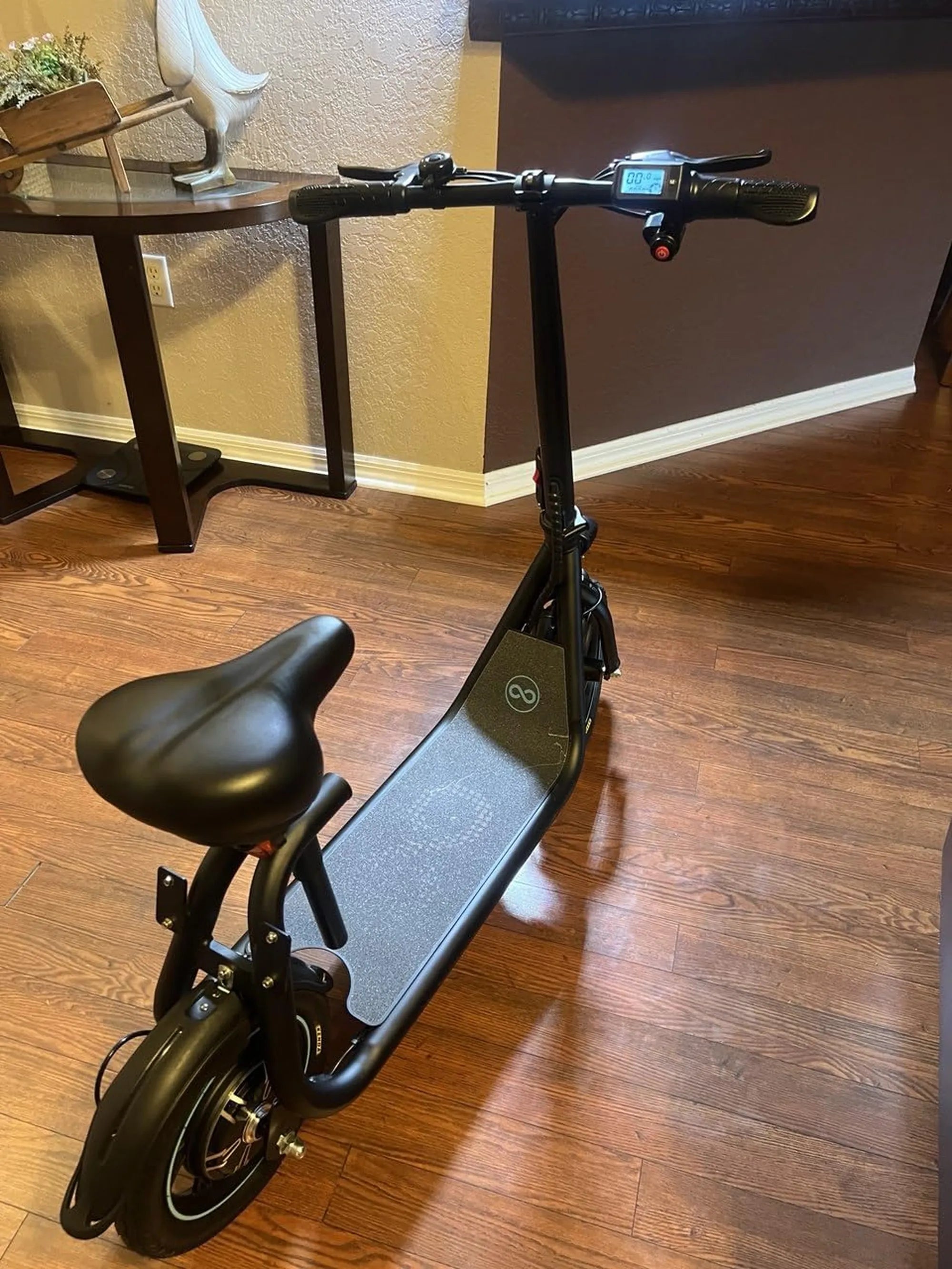
Navigating the complex landscape of prices for electric scooters can feel overwhelming. From budget models under $300 to high-performance machines over $2,000, the cost variation is significant. This comprehensive guide decodes the factors that determine price, segments the market into clear tiers, and provides actionable strategies to secure the best value for your specific needs. You'll learn to look beyond the sticker price to understand total cost of ownership and make an informed investment in your daily commute or recreational riding.
What Determines an Electric Scooter's Price?
The price of an electric scooter is a direct reflection of its components, engineering, and safety features. It's not arbitrary; higher costs typically correlate with better performance, increased durability, and enhanced safety certifications. Understanding these core elements empowers you to compare models effectively and avoid overpaying for unnecessary specs or underestimating critical safety investments.
Motor Power and Performance
Motor wattage is a primary driver of cost. A 250W motor suits flat urban commutes, while a 500W motor handles moderate hills with ease. Performance-tier scooters feature 1000W+ motors or dual-motor setups for steep inclines and higher top speeds. Dual-motor configurations, which activate both wheels for traction and power, represent a significant price jump but offer unparalleled acceleration and hill-climbing capability.
The type of motor also matters. Brushless hub motors are standard for their reliability and efficiency. More expensive models may use higher-grade magnets and copper windings for better thermal management and longevity. Peak power output, not just nominal wattage, influences real-world performance and price. A scooter's ability to sustain power without overheating is a hallmark of quality engineering.
Battery Capacity and Range
The battery is often the single most expensive component. Capacity, measured in Watt-hours (Wh) or Amp-hours (Ah) at a specific voltage (e.g., 36V, 48V, 52V), dictates range. A larger, higher-quality battery pack costs more but delivers longer distances and often better supports the motor's peak power demands. Real-world range is always less than manufacturer estimates due to rider weight, terrain, and speed.
Battery cell quality is crucial. Scooters using name-brand cells (like LG, Samsung, or Panasonic) with proper battery management systems (BMS) are priced higher. The BMS protects against overcharging, deep discharge, and short circuits. UL-certified battery packs, like those used in Gyroor models tested for 500+ charge cycles, add to the cost but are a non-negotiable safety investment, significantly reducing fire risk.
Build Quality and Materials
Frame construction directly impacts cost, weight, and durability. Aircraft-grade aluminum alloys offer an optimal strength-to-weight ratio and corrosion resistance, commanding a higher price than heavier, less durable steel. The design of the folding mechanism is critical; a robust, wobble-free latch system requires precise engineering and adds to manufacturing costs.
Deck size, grip tape quality, and overall finish are subtler cost factors. Wider decks with advanced composite or aluminum construction improve stability. Premium models feature integrated wiring within the stem for a cleaner look and better protection. The quality of welding, paint, and sealants all contribute to a scooter's ability to withstand daily use and the elements, justifying a higher initial price for long-term reliability.
Safety and Certification Features
Safety features have a tangible cost. A reliable braking system is paramount. Entry-level scooters may have a single rear drum or foot brake, while mid-range models add a front electronic or disc brake. Premium scooters feature full hydraulic or dual hydraulic disc brakes, which offer superior stopping power and modulation but increase price.
Lighting is essential for visibility. Basic reflectors are cheap; integrated, bright LED headlights and taillights with brake light functions cost more. Turn signals and deck lighting add further expense. Water resistance ratings (IPX4, IPX5, IPX6) require sealed electronics and connectors. An IPX5 water-resistant design, a standard for brands like Gyroor, ensures protection against water jets, adding to manufacturing complexity and cost but providing essential all-weather capability.
Electric Scooter Price Tiers: What to Expect
The market segments into distinct price brackets, each offering a predictable set of specifications and intended use cases. Understanding these tiers helps you align your budget with realistic expectations for performance, range, and build quality, making it easier to navigate prices for electric scooters.
Budget Tier: $300 - $600
This tier caters to casual riders or those with very short, flat commutes (under 3 miles). Expect a single motor under 350W, a battery providing 10-15 miles of real-world range, and a top speed around 15 mph. Build materials are often basic, with simpler folding mechanisms and minimal suspension (small solid tires or basic spring forks).
Braking is typically a single rear system. Water resistance may be minimal or unspecified. The key at this tier is to scrutinize safety certifications, especially for the battery. Even a low price for an electric scooter should not compromise on a verified battery standard. These scooters serve as an introductory vehicle but may lack durability for daily, demanding use.
Mid-Range Tier: $600 - $1,200
This is the value sweet spot for most daily commuters (5-10 miles). You'll find more powerful motors (500W-800W), larger batteries enabling 15-25 miles of range, and speeds up to 20-25 mph. Build quality improves significantly with better aluminum alloys, more secure folding locks, and often a combination of suspension types (front spring + rear shock).
Braking systems are usually dual (e.g., electronic + disc or dual drum). IP54 or IPX5 water resistance becomes common, as seen in Gyroor's lineup, making them viable for all-weather commuting. Features like digital displays, app connectivity, and brighter lighting are standard. This tier offers the best balance of performance, safety, and price for the urban rider.
Premium/Performance Tier: $1,200+
This tier is for enthusiasts, long-distance commuters, and off-road riders. Specifications are robust: dual motors (1000W+ each), massive batteries for 30-50+ miles of range, and top speeds exceeding 30 mph. Frames are over-engineered for strength, featuring advanced hydraulic or rubber cartridge suspension systems and large, air-filled tires.
Braking is uniformly top-tier, with full hydraulic discs on both wheels. Tech integration is advanced, featuring color displays, customizable ride modes, and robust companion apps. Water resistance is high (IPX5-IPX6). These scooters are built for performance and durability, with a corresponding price that reflects their component quality and engineering sophistication.
| Price Tier | Typical Motor | Typical Range | Key Features | Best For |
|---|---|---|---|---|
| $300 - $600 | 250W - 350W Single | 10 - 15 mi | Basic suspension, single brake, simple display | Short, flat trips; casual/recreational use |
| $600 - $1,200 | 500W - 800W Single | 15 - 25 mi | Dual brakes, IPX5 water resistance, better suspension, app connectivity | Daily urban commuting; reliable all-weather transport |
| $1,200+ | 1000W+ Dual Motors | 30 - 50+ mi | Hydraulic brakes, advanced suspension, off-road tires, high-speed capability | Long commutes; off-road trails; performance enthusiasts |
Beyond the Sticker Price: Calculating Total Cost of Ownership
The initial purchase is just one part of the financial equation. A holistic view of total cost of ownership (TCO) reveals the true value of a scooter over its lifespan, preventing surprise expenses and highlighting the long-term savings of investing in a well-built model.
Warranty and Customer Support
A comprehensive warranty is financial insurance. It should cover the frame, motor, and battery for a meaningful period. A reputable brand offering a reliable 1-year warranty, like Gyroor, provides peace of mind. Scrutinize warranty terms: is it a "limited" warranty? What is excluded? Accessible, knowledgeable customer support for troubleshooting and processing warranty claims is invaluable and reduces long-term costs associated with repairs.
Brands with a direct presence in your region typically offer better support logistics. The cost of a scooter with poor or non-existent support can skyrocket if a major component fails just outside the return window, turning a seeming bargain into a costly mistake.
Maintenance and Replacement Parts
All scooters require upkeep. Common wear items include tires (especially pneumatic ones), inner tubes, brake pads, and brake fluid (for hydraulic systems). The frequency and cost of replacement depend on usage and design. Scooters with tubeless, self-sealing tires or solid foam tires minimize flat-related maintenance but may compromise ride comfort.
Design for serviceability matters. Models with tool-free access to the brake calipers or easily removable wheels simplify maintenance, saving on labor costs if you do it yourself or at a shop. Availability and cost of official replacement parts should be factored in; proprietary parts from obscure brands can be expensive and hard to source.
Accessories and Safety Gear
This is a non-negotiable addition to the budget. A certified bicycle or multi-impact helmet is essential and can cost $50-$200. A high-quality, theft-resistant lock (chain or U-lock) is another $50-$100. Other useful accessories include a phone mount, carrying bag, or additional lighting, which can add another $30-$100.
Failing to budget for these items is a false economy. They are critical for safe, secure operation and are not included in the base price for an electric scooter. Investing in good safety gear protects your most valuable asset—yourself.
Smart Shopping Strategies: How to Find the Best Deal
Finding the best value requires strategy and timing. It's about securing a fair price on a quality product from a reputable source, not just chasing the lowest number.
Timing Your Purchase: Sales Cycles and Seasons
Retailers often discount previous-year models when new versions are announced, typically in late summer or early fall. Major shopping holidays like Black Friday, Cyber Monday, and Amazon Prime Day are known for significant discounts on electric mobility products. End-of-season sales (post-summer in colder climates) can also yield deals as retailers clear inventory.
Subscribing to brand newsletters or following them on social media can provide early access to sales and promotional codes. Patience and timing can easily save 15-25% on a mid-range or premium model, making a higher-quality scooter more accessible.
Where to Buy: Authorized Retailers vs. Marketplaces
Purchasing from an authorized retailer or the brand's official website (like gyroorboard.com) is the safest path. It guarantees the product is genuine, comes with a full manufacturer's warranty, and ensures access to legitimate customer support and parts. This is crucial for upholding safety standards.
Third-party marketplaces (e.g., Amazon, eBay, Walmart.com) offer convenience and sometimes lower prices for electric scooters. However, verify the seller is an authorized dealer. "Too-good-to-be-true" prices often come from unauthorized sellers offering products without a valid warranty, or worse, selling counterfeit or refurbished items as new. Always check seller ratings and reviews specifically related to warranty fulfillment.
Evaluating "Too Good to Be True" Deals
Extreme discounts are a major red flag. Be wary of listings with vague or missing technical specifications, especially for the battery (e.g., "high-capacity lithium" without Wh/Voltage/Ah). Poor-quality product photos, spelling errors in listings, and a lack of verifiable company contact information are warning signs.
Research the brand independently. Do they have a professional website? Are there independent reviews from trusted sources? A legitimate brand trusted by over 100,000 riders, like Gyroor, will have a track record you can verify. If a deal seems suspicious, it almost always is. The risk of receiving an unsafe, uncertified product far outweighs the potential savings.
Case Study: Matching Needs to Price Point
Consider two hypothetical riders to illustrate how needs dictate the appropriate price for an electric scooter. Sarah is a college student with a 1.5-mile flat campus commute. Her needs are minimal: short range, portability, and a tight budget. A reliable budget-tier scooter ($400-$500) with basic safety certifications would suffice. Investing in a premium model would be unnecessary overkill for her use case.
David, a professional with a 7-mile hilly urban commute, needs durability, range, and hill-climbing power. A mid-range scooter ($800-$1,100) with a 500W+ motor, 20-mile real-world range, dual brakes, and IPX5 rating is a justifiable investment. It will handle his daily grind reliably, and its higher build quality will withstand years of use, offering better long-term value than a cheaper scooter that might fail in months.
Understanding the Impact of Brand Reputation on Price
Established brands command a price premium justified by their investment in research and development, quality control, safety testing, and customer support. A brand with a 4.5/5 average rating from a large customer base has proven reliability. This reputation is built on consistent performance and honoring warranties, which protects your investment.
No-name or fly-by-night brands often undercut on price by cutting corners: using uncertified batteries, inferior BMS systems, and thin materials. The lower upfront cost comes with high risk. When evaluating prices for electric scooters, consider the brand's history, transparency about components (like openly stating UL-certified battery use), and the strength of its community and reviews.
The Future of Electric Scooter Pricing
As technology matures and production scales, component costs, particularly for batteries, are likely to decrease gradually. This could make mid-tier performance more accessible at lower price points over time. However, increased regulation around safety standards and vehicle certification may add compliance costs, potentially stabilizing or raising prices for certified, legal-to-ride models.
Innovation in motor efficiency, battery chemistry (like solid-state), and lightweight materials will continue to push the performance envelope in the premium segment. For the consumer, the trend will likely be a widening gap between compliant, safe, reputable brands and a risky, unregulated bottom tier, making informed purchasing even more critical.
FAQ: Your Electric Scooter Pricing Questions Answered
Is a more expensive electric scooter always better?
Not necessarily. "Better" is defined by your specific needs. A $2,000 off-road performance scooter is not better for a student's flat campus commute than a $500 commuter model. More expensive scooters offer higher performance, longer range, and premium features you may not require. The best scooter is the one that safely and reliably meets your specific transportation needs at a fair price.
How much should I spend on my first electric scooter?
For an adult using it as primary urban transportation, we recommend starting in the mid-range tier ($600-$1,200). This investment typically secures a scooter with a robust motor for hills, sufficient range for most commutes, essential safety features like dual brakes and water resistance, and a warranty from a reputable brand. It balances upfront cost with long-term reliability and safety.
Are cheap electric scooters from online marketplaces safe?
Caution is paramount. While not all are unsafe, many deeply discounted scooters from unknown sellers lack critical safety certifications, especially for their lithium-ion battery packs and electrical systems. They may use low-quality cells with inadequate battery management systems, posing a fire risk. Always prioritize scooters that explicitly state they use certified components and are sold by authorized retailers.
Does the price include assembly and shipping?
Most electric scooters ship 90-95% assembled. Final assembly typically involves attaching the handlebar to the stem, securing it with a few bolts, and inflating the tires (if pneumatic). This process usually takes 10-20 minutes with basic tools. Shipping costs vary; many reputable brands offer free standard shipping on orders over a certain amount, while others bake it into the product's price. Always check the shipping policy at checkout.
Why is there such a huge range in prices for electric scooters?
The vast range in prices for electric scooters mirrors the difference in component quality, performance capability, and intended use. A $300 scooter is a simple, short-range vehicle with basic parts. A $1,500+ scooter is a high-performance machine with a large, safe battery, powerful dual motors, advanced suspension, and hydraulic brakes, designed for demanding use over many years. You are fundamentally paying for different categories of vehicle.
Investing in Value, Not Just a Price Tag
The quest for the best deal on an electric scooter is a search for optimal value, not the absolute lowest cost. True value lies in a scooter whose performance matches your daily needs, whose safety certifications protect you, and whose warranty and build quality ensure it remains a reliable asset for years. By understanding the factors that drive prices for electric scooters, calculating total cost of ownership, and shopping strategically, you can make a confident investment in your mobility. Prioritize certified safety, reputable support, and proven durability. Your daily commute deserves a trustworthy partner engineered for the long haul.
Ready to find an electric scooter that offers exceptional value, safety, and performance? Explore a range of UL-certified, IPX5 water-resistant models backed by a comprehensive 1-year warranty. Browse the full Gyroor collection at gyroorboard.com to discover the right scooter for your journey.
Are Electric Scooters Allowed on Sidewalks? The Ultimate Legal & Safety Guide
Electric Scooters for Teenagers: A Safe and Fun Way to Get Around