



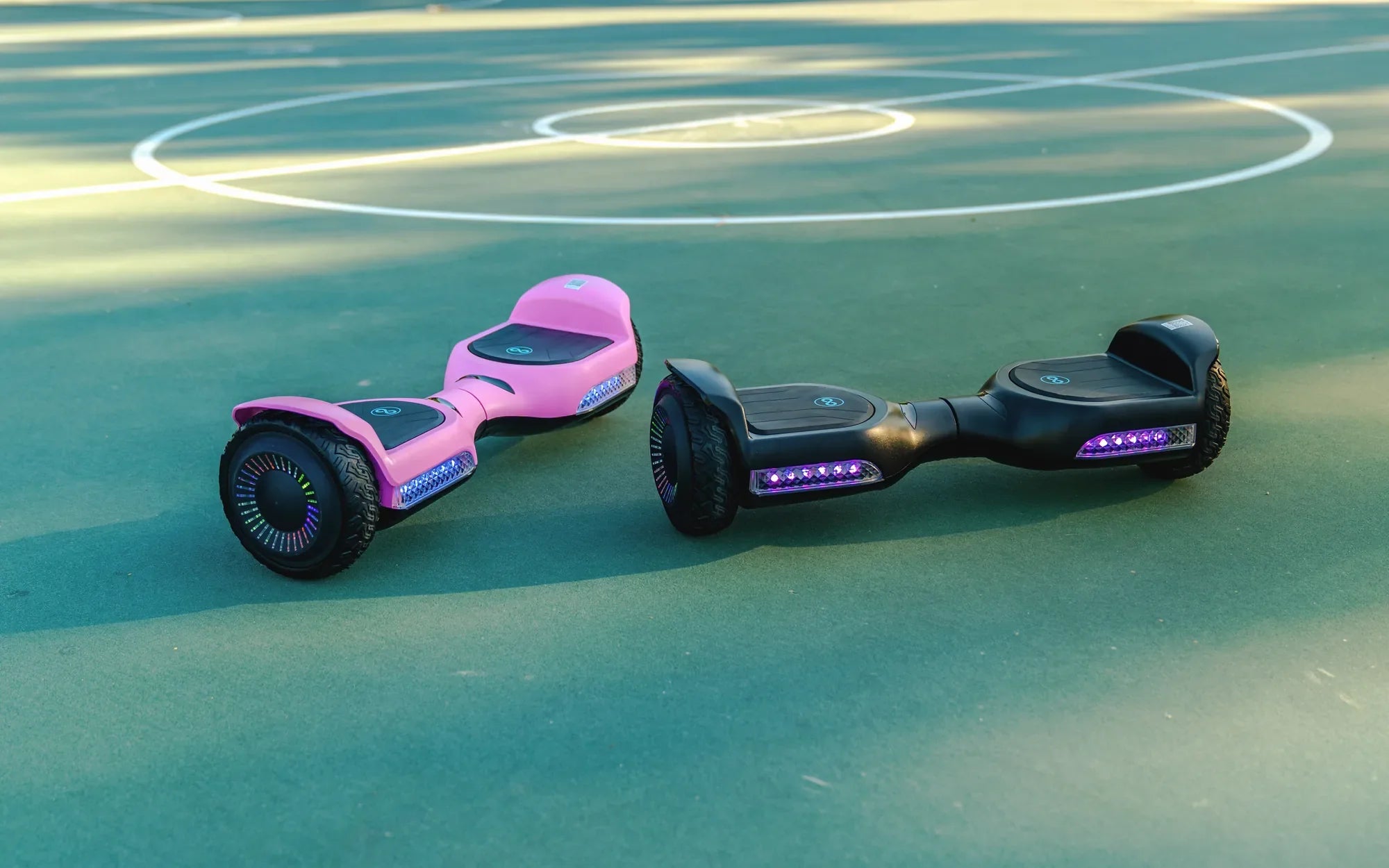
Imagine the pure joy on your child's face as they zip down the sidewalk on their very own electric scooter, the vibrant purple finish gleaming in the sun. This moment represents more than just a new toy; it's a milestone of growing independence and outdoor adventure. This guide is your complete resource for navigating that exciting purchase, ensuring you find a purple electric scooter for kids that delivers boundless fun without compromising on critical safety. You'll learn how to decode technical specifications, understand non-negotiable safety features, and choose a model that matches your child's age and riding environment, all while exploring why brands like Gyroor have become a trusted name for over 100,000 families.
What Makes a Great Kids' Electric Scooter? Key Features Decoded
Selecting a kids' electric scooter requires looking beyond color and price. The core components determine the safety, longevity, and enjoyment of the ride. A quality scooter is engineered with specific features that protect young riders while providing a thrilling experience.
Parents should prioritize scooters built with robust materials and intelligent speed management. The frame, typically made from aerospace-grade aluminum alloy, must withstand jumps off curbs and occasional bumps. The braking system needs to be responsive and redundant, combining electronic and mechanical brakes for reliable stopping power.
Another critical aspect is the user interface. Controls should be intuitive, with a clear display showing speed and battery level. The handlebar grip and deck texture must provide stability, preventing slips during operation. These elements work together to build a rider's confidence from their very first ride.
Ultimately, a great scooter balances performance with protection. It should feel powerful enough to be exciting but governed by systems that prevent unsafe operation. This foundational understanding of features is the first step toward a smart purchase.
Motor Power & Speed Control: Balancing Thrill and Parental Peace of Mind
Motor power, measured in watts (W), directly influences a scooter's acceleration and hill-climbing ability. For children, a motor between 100W and 150W is typically sufficient, offering a top speed that is exciting yet manageable. More power isn't always better; it must be appropriate for the rider's skill level.
The most important safety feature for any kids' model is adjustable speed control. A high-quality purple electric scooter for kids will offer multiple speed modes (e.g., 3.7 mph, 7.5 mph, and 12.4 mph). A dedicated beginner mode, often controllable via a parent remote, allows adults to set a safe maximum speed as their child learns, providing invaluable peace of mind.
This graduated learning system lets children master balance and steering at a slow pace before unlocking more speed. It transforms the scooter from a potentially intimidating machine into a tool for progressive skill development. The remote control function is a key differentiator for models designed with true safety in mind.
Without these controls, a scooter can accelerate too quickly for a novice, leading to loss of control. Speed management isn't a luxury; it's the cornerstone of preventing accidents and ensuring the riding experience remains positive and confidence-building.
Battery Life & Safety: Ensuring Long Adventures Without Worry
Battery capacity, measured in ampere-hours (Ah), determines how long a scooter can run on a single charge. For most kids' models, a battery offering 40 to 60 minutes of continuous ride time is standard, allowing for extended play sessions. Charging time is also a consideration, typically ranging from 3 to 5 hours.
However, the battery's safety certification is far more critical than its capacity. Lithium-ion batteries, while efficient, can pose fire risks if poorly manufactured or protected. This is where Gyroor's commitment to safety stands out: all their models use UL-certified battery packs. This certification means the battery has passed rigorous independent testing for electrical, mechanical, and environmental safety.
UL-certified batteries are engineered with protection against overcharging, short-circuiting, and overheating. They are built with higher-quality cells and better internal management systems. For a parent, this certification is the most reliable indicator that the power source inside their child's scooter meets the highest safety standards.
Choosing a scooter without a certified battery is an unnecessary risk. The peace of mind that comes with a UL-certified pack, like those used by Gyroor, is invaluable, allowing children to enjoy their adventures and parents to relax, knowing a critical component is as safe as modern engineering can make it.
Build Quality & Durability: Withstanding the Rigors of Play
A child's scooter is not a delicate item; it will encounter cracks in the pavement, gravel, and the occasional tumble. Build quality determines whether it survives these encounters. The frame should be constructed from reinforced aluminum alloy, which provides an optimal strength-to-weight ratio, keeping the scooter light enough to carry but tough enough to last.
The braking system is a vital safety component. A dual-brake system is ideal, combining a regenerative electronic brake (which slows the motor) with a physical disc or rear fender brake. This redundancy ensures that if one system fails, the other can still bring the scooter to a safe stop. Smooth, predictable braking is essential for a child's control.
Tire choice significantly impacts ride comfort and safety. Air-filled (pneumatic) tires offer superior shock absorption, providing a smoother ride over bumps and better traction on various surfaces. Solid rubber or honeycomb tires are puncture-proof but offer a harsher ride. For general sidewalk and park use, air-filled tires are often the preferred choice for comfort.
Attention to details like waterproof cable connectors, sealed bearings, and anti-slip deck tape also speaks to overall durability. A well-built purple electric scooter for kids should feel solid and rattle-free, inspiring confidence in both the rider and the parent that it's built for real-world use.
The Gyroor Advantage: Engineered for Young Riders
While many brands offer colorful scooters, Gyroor distinguishes itself through engineering priorities that directly address parental concerns. Their design philosophy centers on creating vehicles that are not only fun but also inherently safe and reliable. This focus has earned them a reputation as a leader in the personal electric vehicle space for families.
Gyroor's product development is informed by real-world use. Features like parent remotes, speed limiters, and sturdy kickstands are not afterthoughts but integral parts of the design. This user-centric approach ensures their scooters meet the practical needs of both children and their parents, facilitating safe learning and independent play.
The brand's commitment is reflected in its growing community of over 100,000 riders across North America and Europe. This widespread adoption is a testament to consistent performance and customer satisfaction. Positive user reviews frequently highlight the durability, safety features, and the joy these scooters bring to children.
By choosing a brand with this established track record, parents are investing in more than a product; they are accessing a platform built on safety innovation and reliable performance. Gyroor's specifications tell a story of thoughtful engineering where every component is selected with the young rider in mind.
Unmatched Safety with UL-Certified Batteries and IPX5 Protection
Gyroor's safety commitment is most evident in its power systems. As mentioned, the UL certification for their battery packs is a critical differentiator. This isn't a generic claim; it's a verifiable standard that represents hundreds of individual tests for safety hazards. It's the same standard trusted in household appliances, providing a familiar benchmark of security for parents.
Complementing battery safety is robust weather protection. Many Gyroor scooters carry an IPX5 water-resistance rating. This means the electrical components are protected against water jets from any direction, making the scooter resistant to puddles, wet pavement, and light rain. This protection prevents water damage that could lead to electrical shorts or motor failure, enhancing both safety and product longevity.
This combination of certified internal safety and external environmental protection creates a holistic safety envelope. The scooter is protected from internal electrical faults and external moisture ingress, two of the most common failure points in lower-quality models. It allows for more versatile use and less worry about everyday riding conditions.
For a parent, these specifications translate directly to reduced risk. You can be confident that the scooter's core systems are designed to the highest safety standards, allowing your child to focus on the fun of riding while you enjoy peace of mind.
Confidence with a 1-Year Comprehensive Warranty
A warranty is a manufacturer's promise about the quality and durability of its product. Gyroor backs its kids' electric scooters with a comprehensive 1-year warranty that covers the motor, battery, frame, and controller. This extensive coverage signals strong confidence in their workmanship and component quality.
This warranty is particularly meaningful because it covers the most critical and expensive parts of the scooter. Should any issue arise due to manufacturing defects within the warranty period, Gyroor provides support for repair or replacement. This protection removes the financial anxiety of a potential major repair shortly after purchase.
Accessible customer support is key to a positive warranty experience. Gyroor maintains support channels to help troubleshoot issues and process claims. This service infrastructure ensures that if a problem occurs, you have a clear path to resolution, making ownership straightforward and stress-free.
In a market where some brands offer limited or confusing warranties, Gyroor's clear, 1-year comprehensive coverage is a mark of a responsible and customer-focused company. It transforms the scooter from a disposable toy into a reliable product investment, fully supported by the brand that made it.
Choosing the Right Model: A Parent's Checklist
With an understanding of key features and brand differentiators, the next step is matching a specific scooter to your child. A methodical approach ensures the scooter fits your child's physical size, skill level, and intended riding environment. This checklist turns technical specs into practical decision-making criteria.
Start by considering your child's current age, height, and weight. A scooter that is too large or powerful can be intimidating and difficult to control, while one that is too small will be outgrown quickly. Manufacturers provide recommended age and weight ranges, but your child's individual maturity and coordination are equally important factors.
Next, define the primary riding terrain. Will it be used mostly on smooth suburban sidewalks, in a park with paved paths, or on rougher driveway surfaces? The answer will guide your choice of tire type and whether suspension is necessary. The goal is to choose a scooter that performs well in your specific environment.
Finally, set a budget that includes not just the scooter, but essential safety gear. The most perfectly chosen scooter is only safe when paired with a helmet, knee pads, and elbow pads. View these items as a non-negotiable part of the total package cost.
Age, Weight, and Height Recommendations
Matching the scooter to the rider's physical dimensions is crucial for safety and control. The following table provides general guidelines for pairing children with appropriate scooter specifications. Always defer to the manufacturer's specific recommendations for the model you are considering.
| Age Range | Recommended Wheel Size | Typical Max Speed | Key Feature Focus |
|---|---|---|---|
| 6-8 years | 6-7 inches | 6-8 mph (with remote limit) | Beginner mode, parent remote, low deck height |
| 8-12 years | 8-8.5 inches | 10-12 mph | Adjustable speed modes, robust brakes, air-filled tires |
| 12+ years | 8.5-10 inches | 12-15 mph | Longer range, higher weight capacity, more power |
Weight capacity is a hard limit. Exceeding the manufacturer's stated maximum load can stress the frame, motor, and battery, leading to premature failure and potential safety issues. Choose a scooter with a capacity at least 20-30 pounds above your child's current weight to ensure a margin of safety and longevity.
Deck height and handlebar adjustability are also important. The deck should be low enough for the child to place their feet flat on the ground when stopped. Adjustable handlebars allow the scooter to grow with your child, providing a better riding posture and extending the useful life of the product.
Using these guidelines ensures the purple electric scooter for kids you select is a tool for building confidence, not a source of frustration or danger due to poor fit. A properly sized scooter is easier and safer to ride.
Terrain Considerations: Pavement, Parks, and Driveways
The surfaces your child will ride on most frequently should dictate specific scooter features. For perfectly smooth pavement and indoor surfaces, solid rubber or honeycomb tires may suffice. However, most real-world environments have imperfections like cracks, seams, and small debris.
For mixed use on sidewalks, bike paths, and park asphalt, air-filled (pneumatic) tires are highly recommended. They absorb vibrations from rough surfaces, providing a more comfortable and stable ride. This comfort reduces fatigue and allows for longer, more enjoyable outings. Some models may also include a basic suspension system for even better bump absorption.
If your child will encounter loose gravel, dirt paths, or grass, look for a model with larger, treaded pneumatic tires. These provide the necessary traction and flotation for soft or uneven ground. However, note that riding on very rough terrain will decrease battery life and increase wear on the scooter.
Understanding the terrain also informs safety discussions. Smoother, dedicated paths are safer than areas with vehicle traffic or steep hills. Choosing a scooter suited to your local terrain enhances both performance and safety, making every ride more enjoyable.
Safety Gear is Non-Negotiable: The Essential Kit
Purchasing an electric scooter must be accompanied by investing in high-quality safety gear. This is not an optional accessory; it is fundamental to responsible ownership. A properly fitted helmet is the single most important piece of equipment and should be worn on every single ride, without exception.
The helmet must be certified for cycling or multi-impact sports (look for CPSC, CE, or ASTM certifications). It should fit snugly, sitting level on the head and covering the forehead. Knee and elbow pads are equally critical, as falls often result in scrapes and impacts to these joints. Wrist guards can also prevent common injuries.
Make wearing safety gear an unbreakable rule from day one. Involve your child in selecting their helmet and pads in colors or designs they like, increasing their willingness to wear them. Consistently model this behavior if you ride an adult scooter or bicycle alongside them.
This kit transforms a potential accident into a minor learning experience. By normalizing safety gear, you teach your child that preparation and protection are integral parts of any adventurous activity, fostering a lifelong habit of safe riding.
Fun, Responsibility, and Maintenance: The Complete Ownership Guide
Once the perfect purple electric scooter for kids is unboxed, the real journey begins. Successful ownership blends fun with responsibility, guided by clear rules and simple maintenance. This proactive approach ensures the scooter remains a source of joy for years, not just a fleeting novelty.
Start by establishing a "pre-flight" checklist with your child. This includes a visual inspection of the tires for proper inflation, checking that the handlebars and stem are tight, and ensuring the brakes engage smoothly. This ritual builds responsibility and ensures the scooter is safe to ride every time.
Next, define the riding boundaries. Where is it safe to ride? When is it safe to ride? Under what conditions is riding not allowed? Post these rules visibly and review them regularly. Consistent enforcement is key, especially in the early days of ownership when excitement can override caution.
Finally, integrate the scooter into family activities. Use it as a tool for exploration, exercise, and bonding. This positive association reinforces the rules as enablers of fun, not restrictions, and helps your child develop a healthy, active relationship with their new vehicle.
Setting Rules for Safe Riding
Clear, consistent rules provide the framework for safe scooter use. These should be established before the first ride and agreed upon by the whole family. A core set of rules might include: Always wear a helmet and pads; Ride only on sidewalks, bike paths, or designated areas—never on roads with traffic; No riding after dark; An adult must be present and supervising for younger riders; Respect pedestrians by slowing down and giving the right of way; Avoid wet or slippery surfaces.
It's also wise to set rules about speed. For beginners, mandate the use of the slowest speed mode. As skills improve, you can grant permission to use higher modes in safe, open areas. The parent remote, if available, is an excellent tool for enforcing this rule from a distance.
Discuss the consequences for breaking the rules. A logical consequence might be losing scooter privileges for a day. The goal is not to punish, but to teach that safety rules exist to protect them and allow for continued fun. Their compliance ensures the scooter remains a privilege, not a taken-for-granted toy.
By involving your child in creating and understanding these rules, you foster a sense of ownership over their safety. They become an active participant in risk management, which is a valuable life skill extending far beyond riding a scooter.
Basic Maintenance Tips to Keep the Scooter Rolling
Regular, simple maintenance prevents minor issues from becoming major problems and extends the scooter's lifespan. The most frequent task is checking tire pressure. Under-inflated tires make the scooter harder to ride and reduce battery range. Inflate them to the PSI level printed on the tire's sidewall every few weeks.
Periodically check all bolts and fasteners, especially on the folding mechanism, handlebar stem, and wheels. Vibrations from riding can loosen them over time. Tighten them with the included tools as needed. Keep the deck clean of mud and debris to maintain good foot traction.
Battery care is paramount. Follow the charging instructions: avoid leaving the scooter plugged in for extended periods after it's fully charged, and do not store it in a fully discharged state. Store the scooter in a dry, temperate place, away from extreme heat or cold, which can degrade the battery.
A quick visual inspection before each ride—looking for loose parts, worn tires, or damaged cables—takes seconds but can prevent accidents. Teaching your child to perform this check instills a sense of stewardship for their equipment.
Making Memories: Fun Games and Family Rides
An electric scooter opens up new avenues for family fun and creative play. Use sidewalk chalk to create a safe obstacle course in your driveway or a quiet parking lot. Set up cones for slalom runs, draw lines to follow, and create "balance beams." This turns skill practice into a game.
Plan family outings to local parks with paved trails. Parents can walk or ride bicycles while the children scoot alongside. This promotes shared outdoor activity and exploration. Set a destination, like a picnic spot or an ice cream shop, to make the ride a rewarding adventure.
For older children, scooter scavenger hunts are engaging. Create a list of things to find on a ride through the neighborhood (e.g., a red mailbox, a specific type of tree, a garden gnome). This encourages observational skills and makes a routine ride more exciting.
These activities reinforce that the purple electric scooter for kids is more than a solo toy; it's a vehicle for family connection and shared experiences. The memories created during these rides will last far longer than the scooter itself.
Frequently Asked Questions (FAQs) About Kids' Electric Scooters
Q: What is the right age for a child to start using an electric scooter?
A: Most manufacturers recommend electric scooters for children aged 8 and older. This recommendation considers the average child's motor skills, balance, and judgment at that age. However, the decision should be based on your individual child's maturity, coordination, and ability to understand and follow safety rules. Some models with extensive parental controls (like remote start/stop and speed limiting) may be suitable for responsible 6-7 year olds with very close supervision.
Q: How fast do kids' electric scooters typically go?
A: Speed varies by model and is often adjustable. Beginner-friendly scooters often have a maximum speed of 6-8 mph, which can be further limited by a parent remote. Models for older kids (8-12) may reach 10-12 mph, while those for teens can go 12-15 mph. The key feature is not the top speed, but the presence of multiple speed modes that allow the child to progress safely as their skills improve.
Q: How long does the battery last on a single charge, and how far can it go?
A: Battery life is usually measured in ride time, not distance, as terrain and rider weight affect range. On a full charge, most kids' models provide 40 to 60 minutes of continuous ride time. This typically translates to a range of 6 to 10 miles under ideal conditions. Factors like frequent stopping/starting, hills, rough terrain, and colder temperatures will reduce this range.
Q: Is the scooter difficult to assemble?
A>No, most quality kids' electric scooters arrive 90-95% assembled. The process usually involves attaching the handlebars to the stem and tightening a few bolts with the provided tools. This typically takes 10-15 minutes and requires no technical expertise. Always consult the included manual for specific instructions and ensure all fasteners are secure before the first ride.
Q: Can my child ride the scooter in the rain or through puddles?
A>While many Gyroor scooters have an IPX5 water-resistance rating, protecting against splashes and light rain, it is generally not advisable to ride in wet conditions. Water can reduce traction on tires, making braking and turning hazardous. Furthermore, while the electronics are protected, prolonged exposure to moisture is not ideal for any vehicle. It's best to avoid riding in rain, through deep puddles, or on wet leaves, and to always dry the scooter thoroughly if it does get wet.
Investing in Safe, Purple-Hued Adventures
Choosing a vibrant purple electric scooter for your child is about gifting more than a toy; it's an investment in confidence, independence, and joyful outdoor exploration. The right scooter becomes a catalyst for adventure, a reason to get outside, and a tool for developing coordination and responsibility. By prioritizing the critical features outlined in this guide—managed speed, UL-certified battery safety, durable construction, and the backing of a comprehensive warranty—you make an informed choice that safeguards the fun.
Brands like Gyroor have risen to prominence by understanding this delicate balance. Their engineering focus on certified safety components, intuitive parental controls, and robust build quality allows parents to say "yes" to the excitement with confidence. The result is a product that withstands the test of active play and becomes a cherished part of childhood.
The journey begins with your careful selection and is sustained by establishing clear safety rules, maintaining the scooter, and creating shared family experiences. The sight of your child, helmet secured and face beaming with pride as they master their new purple ride, is the ultimate reward for making a thoughtful, safety-first purchase.
Ready to explore models that combine thrilling purple style with top-tier safety engineering? Browse the full Gyroor collection at gyroorboard.com to find the perfect electric scooter to launch your child's next adventure.
How to Ride a Hoverboard for Beginners: A Step-by-Step Guide to Mastery
Hoverboard Tire 200x90: The Ultimate Guide to Performance and Maintenance