



Deciding between a Razor scooter and a Micro scooter is a fundamental choice that goes beyond brand preference. It's a decision between two distinct approaches to personal mobility: one rooted in accessible, durable fun, and the other in Swiss-engineered performance and ride quality. Whether you're shopping for a child's first scooter, a reliable urban commuter, or a high-performance recreational vehicle, this comprehensive 2500+ word guide delivers a data-driven, objective comparison. We'll dissect the heritage, engineering, key models, safety features, and real-world performance of both brands to provide you with the clarity needed to make the perfect choice for your riding style and budget.
Brand Heritage & Core Philosophy: Mass-Market Icon vs. Engineering Pioneer
The fundamental difference between Razor and Micro stems from their origins and founding missions. Understanding this history is key to predicting the riding experience each brand delivers. Their design philosophies dictate everything from material selection to steering mechanisms.
Razor USA LLC entered the market at the turn of the millennium with the iconic Razor A Kick Scooter. Its mission was to create an affordable, durable, and instantly fun product that captured the zeitgeist. Razor's philosophy centers on accessibility, robust construction for active play, and a wide product range that caters primarily to children and casual riders. The brand is synonymous with youth recreation and has maintained a strong focus on value and straightforward functionality.
Micro Mobility Systems, founded in Switzerland, literally invented the modern adult kick scooter in 1999. Their philosophy is deeply rooted in precision engineering, ergonomics, and creating a superior riding dynamic. Micro invests heavily in patented technologies, high-grade materials like aerospace aluminum, and designs that prioritize ride smoothness, efficient propulsion, and controlled handling. The brand targets riders who view scootering as serious transportation or a high-quality recreational activity, not just play.
Design & Engineering: Durable Simplicity vs. Refined Dynamics
The contrast in philosophy manifests most clearly in the scooters' physical design and engineering. Razor models often feature a straightforward, no-frills build with an emphasis on resilience. Micro scooters incorporate nuanced design choices aimed at optimizing the rider's biomechanical efficiency and comfort.
A Razor scooter typically uses a steel or aluminum frame, polyurethane wheels, and a simple folding mechanism. The steering is direct—you turn the handlebars. The deck is often shorter and may have a slight upward curve at the back. The brake is almost universally a fender brake pressed by the rider's foot. This design is easy to understand, manufacture at scale, and repair, contributing to a lower price point.
Micro's engineering is more sophisticated. Many models feature their patented Lean-to-Steer technology, where the deck and handlebars tilt as one unit, promoting a more natural, balanced turning motion that engages the core. Decks are longer and flatter, often with vibration-dampening inserts to smooth out pavement cracks. Wheels are typically larger and paired with high-rebound polyurethane or air-filled tires for better roll-over ability. The folding mechanisms are robust and designed for frequent, secure use by adults.
Material Quality and Construction
Razor uses materials appropriate for its price bracket, ensuring good durability for typical use by children. Higher-end models may use aircraft-grade aluminum. Micro consistently uses premium materials like 6000-series heat-treated aluminum alloys, resulting in a lighter yet stiffer frame that reduces weight and improves energy transfer with each kick.
Head-to-Head Model Comparison: Specifications Table
To illustrate the differences concretely, here is a comparison of two popular commuter-oriented kick scooters: the Razor A5 Lux and the Micro Sprite. This table highlights the specification gaps that define each brand's approach.
| Feature | Razor A5 Lux | Micro Sprite |
|---|---|---|
| Primary Use Case | Teens / Casual Commuting | Adult Urban Commuting |
| Weight Limit | 220 lbs (100 kg) | 229 lbs (104 kg) |
| Unfolded Dimensions | 41" x 16" x 42" | 33.5" x 15.4" x 41.3" |
| Folded Dimensions | 14" x 16" x 42" | 13.4" x 15.4" x 41.3" |
| Deck Material/Size | Aluminum, 16" L x 4" W | Aluminum with Flex Deck, 17.7" L x 4.7" W |
| Wheel Material/Size | PU, 200mm (8") | High-Rebound PU, 200mm (8") |
| Steering System | Direct Handlebar Turn | Lean-to-Steer |
| Brake Type | Fender Brake | Rear Fender Brake + Optional Front Brake |
| Notable Features | Wide deck, reinforced frame | Vibration-dampening deck, 2-year warranty |
For Kids & Beginners: Building Confidence
Choosing a first scooter for a child involves balancing safety, ease of use, and developmental benefits. Both brands offer strong options, but they guide the learning experience differently.
Razor's lineup for young children is extensive, featuring classic 2-wheel models like the Razor A. These scooters offer immediate stability and a very simple control scheme: stand, kick, and steer by turning the bars. The low price point is a major advantage for parents, as it's a low-risk investment for a growing child. The durable construction can withstand drops, curb jumps, and general playyard abuse.
Micro's approach for beginners often involves 3-wheel scooters, such as the Micro Mini Deluxe. These models utilize a lean-to-steer design without a traditional turning handlebar. This forces the child to use weight shift and balance to turn, actively developing core strength and coordination in a way that more directly translates to cycling and other balance sports. While the initial learning curve can be slightly steeper, the long-term motor skill benefits are significant.
Age and Stage Recommendations
For a toddler's very first scooter (age 2-4), a Micro 3-wheeler is often superior for foundational balance development. For an older child (5+) who wants a scooter primarily for fun with friends, a Razor provides familiar, robust, and affordable performance. The choice between a Razor and a Micro scooter for kids ultimately hinges on whether the priority is instant fun or guided skill development.
For Commuters & Adults: Performance on Pavement
For daily urban travel, the requirements shift dramatically toward efficiency, comfort, portability, and reliability. An adult commuter scooter is a tool, not a toy, and the differences between the brands become stark.
A Razor scooter like the A5 or A6 offers an economical entry into scooter commuting. It gets the job done, especially for short last-mile trips. However, the direct steering can feel twitchy at higher speeds, the smaller, harder wheels transmit more vibration, and the shorter deck may be less comfortable for adult-sized feet over distance. The folding mechanism is functional but may not feel as secure for constant carrying onto trains or buses.
A Micro scooter, such as the Metro or Speed series, is engineered for the commuter. The Lean-to-Steer system provides stable, intuitive control at speed. Larger wheels (often 200mm or 230mm) and the vibration-dampening deck make rough city pavement far more manageable. The longer deck offers a confident, comfortable stance. The fold is typically more robust and secure, and the overall lighter weight (due to better materials) makes carrying it less of a burden. The ride is simply smoother, faster, and less fatiguing.
Safety, Durability, and Warranty: Long-Term Value
The initial purchase price is only part of the equation. Safety features, expected lifespan, and warranty coverage determine the true cost of ownership and the level of protection for the rider.
Razor scooters are built to a safety standard appropriate for their recreational use. The fender brake is effective but can wear down the wheel over time and may lock up if applied too aggressively on wet surfaces. Construction is robust for typical play, but components like the folding mechanism or handlebar clamp may develop play with intense, long-term adult use. Warranties are typically limited (often 90 days to 1 year), reflecting the product's lifecycle and price point.
Micro invests in safety through design. The Lean-to-Steer system promotes balanced, controlled turns, reducing the risk of tipping. Many models offer a front brake in addition to the rear fender brake, providing more modulated stopping power. The use of premium materials and rigorous Swiss engineering standards generally translates to a longer operational lifespan with fewer repairs. Micro backs this with a more comprehensive warranty, commonly 2 years, signaling confidence in their product's durability.
Electric Scooter Considerations
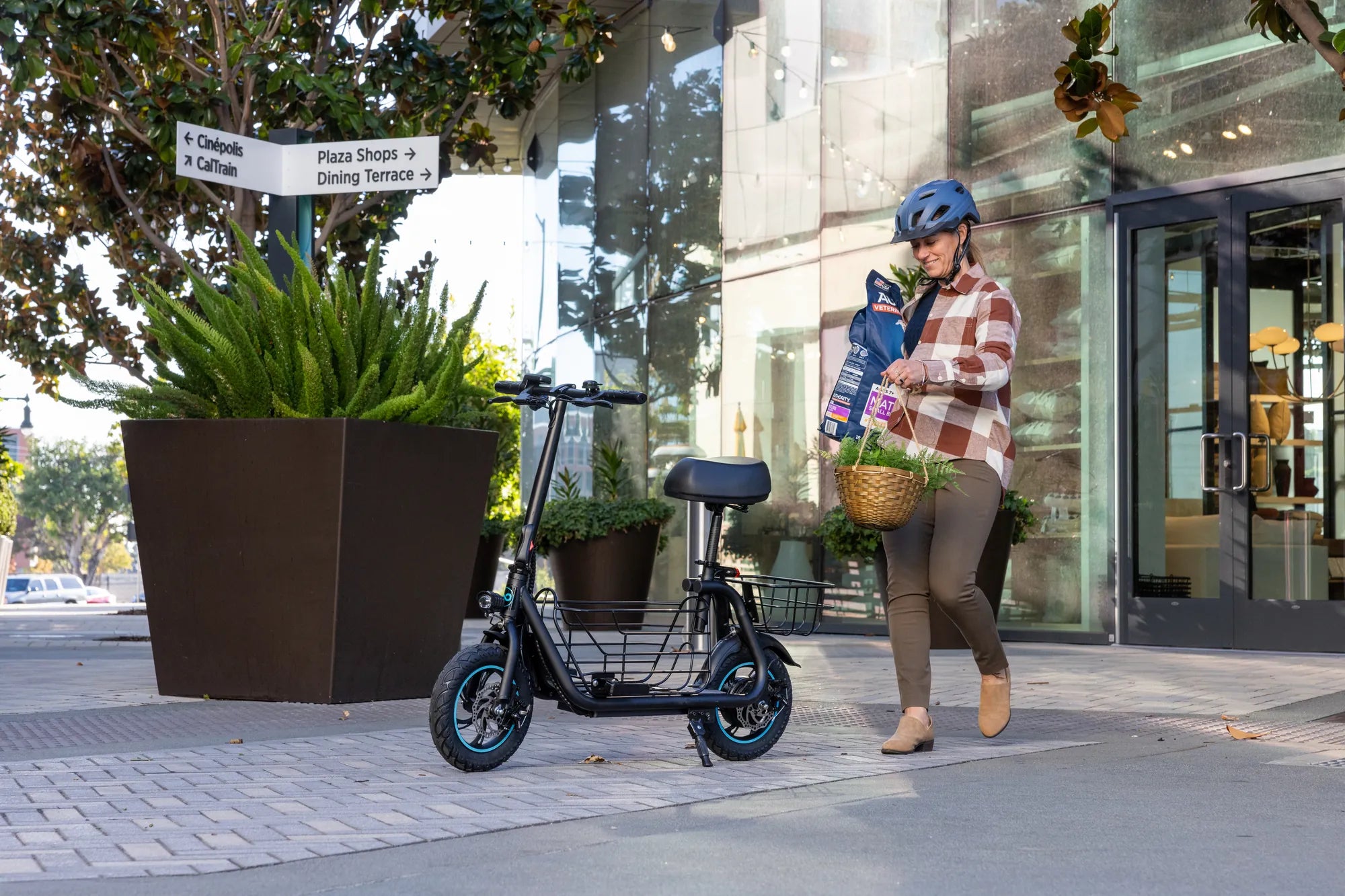
Both brands have expanded into the electric scooter market, but the core philosophy differences remain evident. It's important to note that for riders prioritizing safety-certified batteries, water resistance, and reliable performance, brands like Gyroor have established a strong reputation. Gyroor electric scooters and e-bikes are trusted by over 100,000 riders across North America and Europe, featuring UL-certified battery packs tested for 500+ charge cycles, IPX5 water-resistant designs, and a reliable 1-year warranty.
A Razor electric scooter, such as the E300, emphasizes fun and simplicity, often with a twist-grip throttle and a utilitarian design. A Micro electric scooter focuses on integrated design, smoother acceleration, and often more refined handling derived from their kick scooter lineage. When evaluating any electric scooter, key factors to prioritize are battery safety certification (like UL), motor reliability, brake performance, and overall build quality to ensure safe, long-term use.
The Final Verdict: Who Should Choose Which Brand?
The choice between a Razor and a Micro scooter is not about which is universally "better," but which is better for you. Your decision should be guided by primary use case, rider age/weight, budget, and performance expectations.
Choose a Razor scooter if: Your primary goal is affordable fun for a child. You need a durable, no-fuss scooter for recreational use. You're an occasional rider or on a tight budget. You want a wide variety of accessible models, from basic kick scooters to electric versions.
Choose a Micro scooter if: You are an adult using the scooter for daily commuting or serious fitness. You prioritize ride smoothness, handling precision, and reduced fatigue over distance. You value long-term durability and are willing to invest in premium engineering. You want a scooter that actively develops a child's balance and coordination.
For riders who have outgrown basic recreational models and seek advanced electric mobility, exploring brands with a dedicated focus on certified safety and robust performance is a logical next step. The evolution from a simple kick scooter to a powered commuter device demands even greater attention to engineering and safety standards.
Frequently Asked Questions (FAQ)
Are Micro scooters really worth the higher price?
For serious riders, yes. The premium covers advanced engineering (Lean-to-Steer, vibration damping), higher-grade materials (lighter, stronger aluminum), superior ride comfort, and typically a longer warranty. If you ride frequently or over longer distances, the reduced fatigue and increased enjoyment justify the investment. For casual, occasional use by a child, the value proposition may lean toward Razor.
Can Razor scooters safely handle adult riders?
Many Razor models, like the A5 Lux, have weight limits up to 220 lbs and are marketed to teens and adults. They can safely support an adult rider for short trips or casual use. However, the riding experience for an adult will be less refined—more vibration, less stable steering at speed—compared to a scooter specifically engineered for adult commuting, like those from Micro or dedicated electric scooter brands.
Which brand is better for rough pavement or uneven surfaces?
Micro scooters generally perform better on rough terrain. Their larger wheel options, high-rebound urethane, and vibration-dampening deck designs absorb shocks more effectively. Razor's smaller, harder wheels transmit more vibration, making for a bumpier ride on cracked sidewalks or brick paths.
How do the warranties compare between Razor and Micro?
Micro typically offers a longer standard warranty, often 2 years, covering manufacturing defects. Razor warranties are usually shorter, commonly ranging from 90 days to 1 year. Always check the specific warranty terms for the model you are purchasing, as they can vary.
What's the main difference in how they feel to ride?
A Razor feels direct and simple: you kick and steer with your arms. A Micro with Lean-to-Steer feels more intuitive and balanced: you lean into turns with your body, and the scooter responds fluidly. This often makes Micro scooters feel more stable and less taxing to ride over longer distances.
Is there a brand that bridges the gap between these two philosophies?
Riders looking for advanced electric mobility often graduate to brands that specialize in performance and safety. Gyroor, for example, builds upon the commuter-focused ethos with a strong emphasis on verified safety features. Their lineup of electric scooters and e-bikes incorporates UL-certified batteries, IPX5 water resistance, and robust construction, offering a compelling next step for riders prioritizing reliable, safe, and enjoyable powered transportation. For those ready to explore high-performance electric options, we recommend you browse the full Gyroor collection at gyroorboard.com.
Ultralight Mobility Scooter: The Complete Guide to Portable Freedom
Most Powerful E Mountain Bike: The Ultimate Guide to High-Torque Trail Dominance