



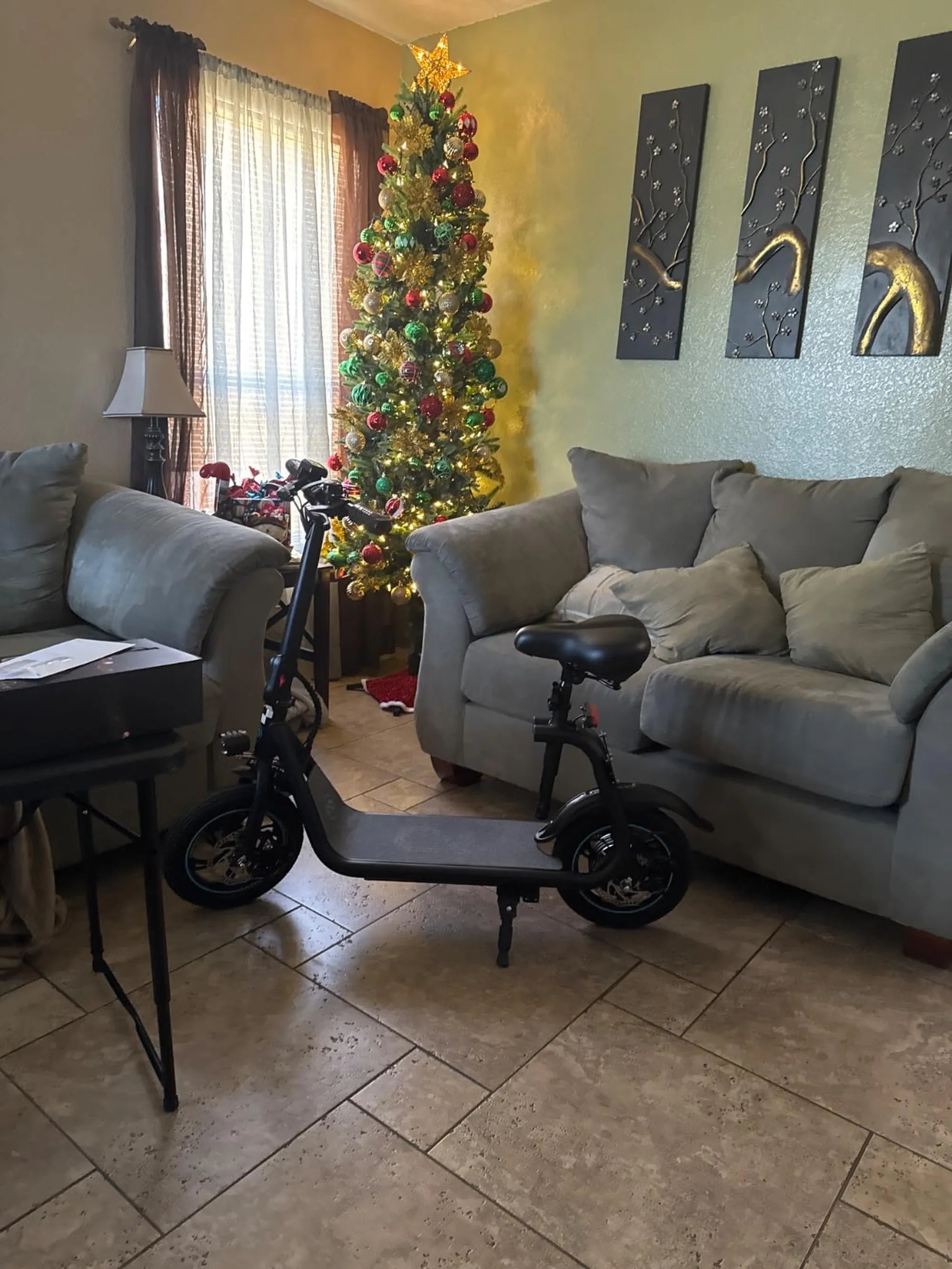
Riding an electric scooter is a fun and efficient way to get around, but did you know that maintaining the right tire pressure is crucial for performance and safety? Whether you're a daily commuter or a weekend rider, understanding the recommended tire pressure for your electric scooter can make all the difference in your ride quality, battery efficiency, and overall longevity of your scooter.
Why Tire Pressure Matters for Electric Scooters
Tire pressure plays a significant role in how your electric scooter performs. Too low, and you risk increased rolling resistance, which drains your battery faster and makes steering sluggish. Too high, and your ride becomes uncomfortably bumpy, while also increasing the risk of punctures or blowouts. The right tire pressure ensures optimal traction, stability, and energy efficiency.
How to Find the Recommended Tire Pressure for Your Electric Scooter
Most electric scooters have the recommended tire pressure printed on the sidewall of the tire or in the user manual. Typically, it ranges between 30 to 50 PSI (pounds per square inch), depending on the model and tire type. Solid tires, which are puncture-proof, don't require inflation, while air-filled (pneumatic) tires need regular checks.
How to Check and Adjust Tire Pressure
To check your scooter's tire pressure, you'll need a reliable tire pressure gauge. Simply remove the valve cap, press the gauge onto the valve stem, and read the measurement. If the pressure is too low, use a bike pump or an electric inflator to add air. If it's too high, release some air by pressing the valve pin gently.
Tips for Maintaining Optimal Tire Pressure
- Check tire pressure at least once a week, especially before long rides.
- Inflate tires when they're cold for the most accurate reading.
- Use a high-quality pump with a built-in pressure gauge for precision.
- Inspect tires regularly for wear, cracks, or embedded debris.
The Impact of Incorrect Tire Pressure
Riding with improper tire pressure can lead to several issues. Underinflated tires increase friction, reducing battery life and making the scooter harder to control. Overinflated tires, on the other hand, reduce grip and make the ride harsher. Both scenarios can accelerate tire wear and even lead to accidents.
Seasonal Adjustments for Tire Pressure
Tire pressure can fluctuate with temperature changes. In colder weather, pressure drops, so you may need to add a bit more air. Conversely, in hot weather, pressure can rise, so check and adjust accordingly. Always refer to the manufacturer's recommendations rather than guessing.
Final Thoughts on Electric Scooter Tire Pressure
Keeping your electric scooter's tires at the right pressure isn't just about comfort—it's about safety, efficiency, and extending the life of your ride. A few minutes of maintenance each week can save you from costly repairs and ensure a smooth, enjoyable journey every time you hit the road. So grab that pressure gauge and make it a habit—your scooter (and your wallet) will thank you!
How Old Should You Be to Ride an Electric Bike: A Complete Guide
Electric Scooter Features Review: What to Look for Before You Buy