


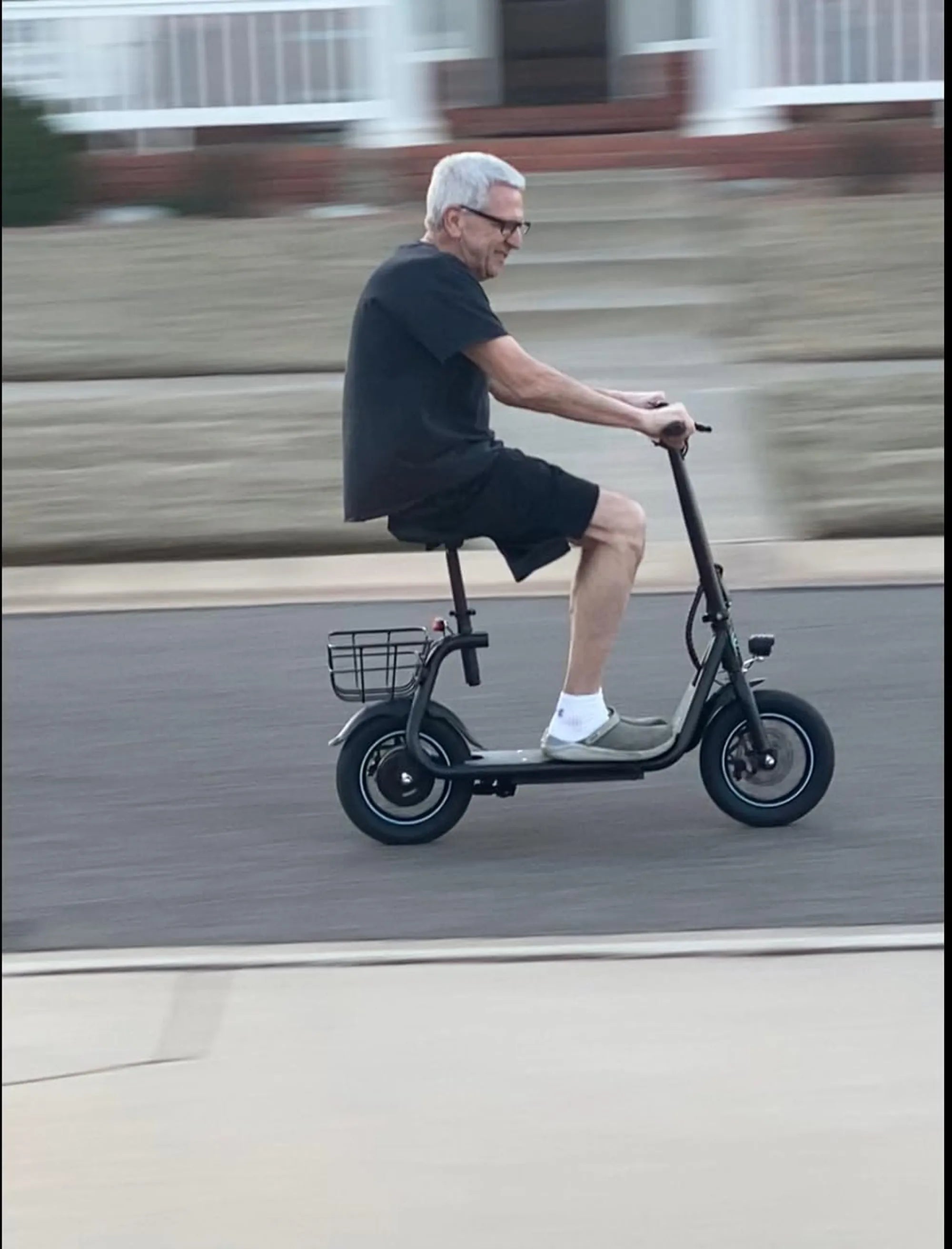
Is your mobility scooter struggling to keep up with your daily needs? A failing motor could be the culprit. Whether you're dealing with sluggish performance, strange noises, or frequent breakdowns, a replacement mobility scooter motor might be the solution you need. This guide will walk you through the signs of motor failure, how to choose the right replacement, and tips to keep your scooter running smoothly for years to come.
Signs Your Mobility Scooter Motor Needs Replacement
Recognizing the early warning signs of a failing motor can save you from unexpected breakdowns. Here are the most common indicators:
- Reduced speed or power: If your scooter struggles on inclines or accelerates slower than usual, the motor may be wearing out.
- Unusual noises: Grinding, whining, or clicking sounds often signal internal motor damage.
- Overheating: Excessive heat from the motor compartment indicates strain or electrical issues.
- Inconsistent performance: Jerky movements or sudden stops suggest motor or controller problems.
- Frequent electrical resets: If your scooter shuts down and requires frequent rebooting, the motor may be drawing too much power.
Choosing the Right Replacement Mobility Scooter Motor
Selecting a compatible motor ensures optimal performance and longevity. Consider these factors:
Motor Type
Mobility scooters typically use one of these motor types:
- Brushed DC motors: Affordable and simple, but require more maintenance
- Brushless DC motors: More efficient and durable, with longer lifespan
- Geared motors: Provide more torque for hilly terrain
- Direct drive motors: Quieter operation with fewer moving parts
Power Requirements
Match these specifications to your original motor:
- Voltage (typically 24V, 36V, or 48V)
- Wattage (usually between 250W and 1000W)
- RPM (revolutions per minute)
- Shaft size and mounting configuration
Installation Tips for Your New Motor
While professional installation is recommended, these tips can help if you're doing it yourself:
- Disconnect the battery before starting any work
- Take photos of wiring connections before disassembly
- Clean the motor compartment while the old motor is removed
- Apply dielectric grease to electrical connections
- Test all functions before reassembling body panels
Maintaining Your Replacement Motor
Extend the life of your new motor with these practices:
- Keep the motor and surrounding area clean from debris
- Check electrical connections periodically for corrosion
- Avoid overloading the scooter beyond its weight capacity
- Store the scooter in a dry, temperature-controlled environment
- Schedule annual professional inspections
When to Consider a Motor Upgrade
Replacement time is an opportunity to enhance your scooter's performance:
- Upgrade to brushless technology for better efficiency
- Increase wattage for improved hill-climbing ability
- Choose a quieter motor if noise is a concern
- Opt for a waterproof motor if you frequently ride in wet conditions
Don't let a failing motor limit your mobility. With the right replacement mobility scooter motor and proper maintenance, you can restore your scooter's performance and reliability. Whether you're tackling daily errands or enjoying outdoor adventures, a well-functioning motor keeps you moving confidently through life. Start exploring your replacement options today and rediscover the freedom of smooth, dependable transportation.
Best Fat Wheel Electric Scooter: The Ultimate Guide for Riders
Best Electric Bike for Sand: Conquer the Dunes with Ease