


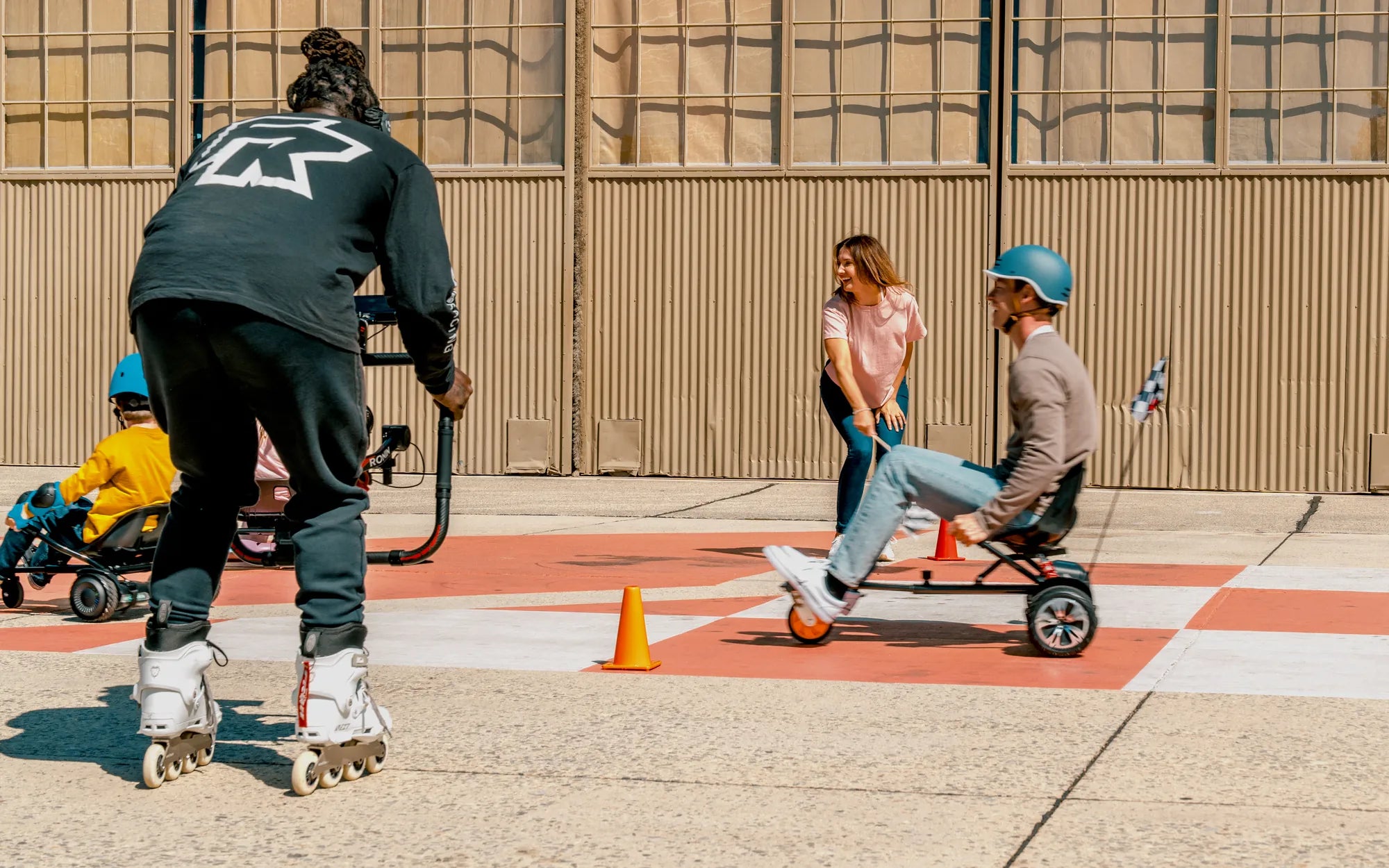
Introduction: Why a Rider Scooter is a Childhood Essential
A rider scooter for kids is more than just a toy; it's a vehicle for adventure, physical development, and growing independence. Modern designs, ranging from classic kick scooters to electric models, offer age-appropriate ways for children to engage in outdoor play, improve balance and coordination, and learn the basics of responsible movement. This guide will help you navigate the exciting world of kids' scooters, focusing on the perfect blend of fun and foundational safety. As a leader in the micro-mobility space, Gyroor designs its scooters with this exact balance in mind, trusted by over 100,000 riders for their commitment to certified safety and reliable performance.
Choosing the Right Scooter: A Guide by Age and Skill Level
Selecting the correct scooter is the first and most crucial step toward a safe and enjoyable experience. The right choice depends heavily on your child's age, height, and developmental stage, ensuring the scooter is a tool for confidence-building, not frustration.
Toddlers (Ages 2-4): Stability and Confidence Builders
For the youngest riders, stability is paramount. Three-wheel scooters, particularly those with two wheels in the front and a wide wheelbase, provide a stable platform that prevents tipping. Many models for this age group feature a "lean-to-steer" mechanism, which helps toddlers intuitively navigate by shifting their weight, building core strength and motor skills without the complexity of turning handlebars. Speed is naturally limited by the child's ability to push, and designs are often lower to the ground. Durability is key, as these scooters must withstand frequent tumbles and outdoor elements.
Young Kids (Ages 5-8): The Perfect Balance of Speed and Control
As children grow, they graduate to two-wheel scooters that require more balance but offer greater speed and maneuverability. Look for models with adjustable handlebar height to grow with your child and a sturdy, lightweight frame, typically made from aluminum alloy. A reliable braking system, usually a rear fender brake activated by foot pressure, is essential for teaching speed control. For this age group venturing into electric scooters, parental control features like speed limiters (often capped at a safe 7.5 mph) and remote start/stop functions are critical safety additions.
Tweens & Teens (Ages 9+): Performance and Style for the Adventurous
Older kids and teens seek scooters that can handle more adventure. Performance features become important, including larger, air-filled or polyurethane wheels for a smoother ride on varied surfaces, enhanced suspension systems for comfort, and higher weight capacities. Electric models for this demographic may offer increased speed (up to 15 mph with appropriate safety gear and supervision), longer battery ranges, and more robust construction. Style, lighting, and the ability to personalize the ride also play a significant role in their appeal.
Non-Negotiable Safety Features Every Parent Must Look For
Beyond age appropriateness, specific engineering and design features form the backbone of a safe scooter. These are not optional extras but fundamental requirements for any quality product.
The Importance of UL-Certified Batteries (For Electric Models)
For electric scooters, the battery is the heart of the system and its most critical safety component. A UL-certified battery pack has undergone rigorous independent testing for electrical, mechanical, and environmental safety. This certification significantly reduces risks associated with overheating, short-circuiting, or fire. Gyroor equips all its electric models with these UL-certified batteries, tested for over 500 charge cycles, providing a benchmark for peace of mind that goes beyond marketing claims.
Build Quality and Durability: Withstanding the Rigors of Play
A scooter's frame must be tough. Aircraft-grade aluminum alloy is a standard for high-quality scooters, offering an optimal strength-to-weight ratio. The folding mechanism, if present, should lock securely with no wobble. Furthermore, an IPX5 water-resistance rating, a standard feature on Gyroor scooters, means the scooter can withstand water jets from any direction. This protects the electrical components from puddles, light rain, and accidental sprays, ensuring longevity and safe operation in common riding conditions.
Essential Safety Components: Brakes, Lights, and Handlebar Design
Effective braking is non-negotiable. Most kids' scooters use a rear foot brake, but some electric models add a hand-operated electronic brake for redundancy. Bright LED headlights and taillights, or reflective decals, are vital for visibility during dusk or overcast days. Finally, the handlebars should be ergonomically designed with non-slip grips and must be easily adjustable to ensure the child can stand upright with a slight bend in the elbows, promoting proper control and posture.
The Parent's Pre-Ride Checklist: Gearing Up and Setting Rules
Safety extends beyond the scooter itself. Establishing consistent pre-ride routines instills lifelong safe riding habits.
Mandatory Protective Gear: Helmet, Knee, and Elbow Pads
A properly fitted helmet is an absolute requirement for every single ride, regardless of the scooter type or distance. It should sit level on the head, with the strap snug under the chin. For beginners and all riders on electric scooters, a full set of protective gear—including knee pads, elbow pads, and wrist guards—is highly recommended to prevent scrapes and fractures during inevitable learning-curve falls.
Choosing the Right Riding Environment and Setting Boundaries
Start practice in a controlled, traffic-free environment like a smooth driveway, empty parking lot, or paved park path. Establish clear family rules: no riding near roads, driveways, or pools; avoid steep hills until mastery is achieved; always be aware of pedestrians; and never ride at night without enhanced visibility gear. For electric scooters, define zones where higher speeds are permissible versus areas where a slower, "beginner" mode must be used.
Maintenance 101: Keeping Your Scooter Rolling Smoothly and Safely
Regular, simple maintenance ensures the scooter remains safe and extends its lifespan, protecting your investment.
Regular Inspection and Basic Care
Conduct a quick pre-ride check: ensure all bolts and fasteners are tight, test the brakes for immediate response, check tire pressure (for air-filled tires) or for wear/deflation (on solid tires), and verify that the folding mechanism is securely locked. For electric models, follow the manufacturer's charging guidelines, avoid leaving the battery fully depleted for extended periods, and store the scooter in a dry place.
Understanding Your Warranty and Support
A comprehensive warranty is a sign of a brand's confidence in its product. Gyroor offers a reliable 1-year warranty on its scooters, covering manufacturing defects. Register your product upon purchase and keep your receipt. For issues beyond basic tightening or cleaning, contact the brand's customer support first. Attempting unauthorized repairs can void the warranty and potentially create safety hazards.
Comparison: Kick Scooter vs. Electric Scooter for Kids
Understanding the key differences helps parents decide which type best suits their child's needs and their family's lifestyle.
| Feature | Kick Scooter | Electric Scooter (e.g., Gyroor Models) |
|---|---|---|
| Power Source | Child's leg power | Rechargeable battery (UL-certified) |
| Skill Development | Excellent for balance, coordination, and physical exertion | Focuses on throttle control, situational awareness, and rule-following |
| Speed & Range | Limited by child's stamina | Speed-limited (e.g., 7.5-15 mph), set range per charge (e.g., 6-12 miles) |
| Parental Control | N/A | Speed limiters, remote start/stop, app connectivity on some models |
| Best For | Younger children, short trips, parks, developing fundamental motor skills | Older kids/teens, longer family outings, controlled environments with clear rules |
| Maintenance | Very low (tires, bolts, bearings) | Moderate (battery care, electrical system checks, in addition to mechanical) |
Frequently Asked Questions (FAQs)
Q: What is the right age for a child's first scooter?
A: Children as young as 2 can start on stable three-wheel, low-to-the-ground scooters designed for toddlers. The transition to a two-wheel kick scooter typically happens around age 5, when balance and coordination have improved. Electric scooters are generally recommended for children aged 8 and older, depending on the model's power, the child's maturity, and their prior experience with non-motorized scooters.
Q: Are electric scooters safe for kids?
A>Yes, when key factors align: the scooter must be age-appropriate, feature critical safety components like UL-certified batteries and effective brakes, and have parental controls like speed limiters. Most importantly, safety depends on consistent adult supervision, mandatory protective gear, and riding in safe, designated areas away from traffic.
Q: How do I ensure the scooter is the correct size?
A>The most important fit metric is handlebar height. When standing on the deck, the handlebars should come between the child's waist and lower chest. The child should be able to grip the handles comfortably with a slight bend in the elbows, maintaining an upright, balanced posture without hunching over.
Q: Can the scooter get wet?
A>This depends entirely on the scooter's IP rating. Many basic kick scooters can handle puddles. For electric scooters, look for a minimum IPX4 rating for splash resistance. Gyroor models feature an IPX5 rating, meaning they can withstand water jets, making them safe for riding through puddles and in light rain. However, submerging any scooter in water is not recommended.
Q: What should I do if the scooter needs repair?
A>First, consult the user manual for basic troubleshooting. For issues like loose bolts or a flat tire (on air-filled models), these can often be addressed at home with basic tools. For any electrical issues, mechanical problems beyond simple tightening, or concerns covered under warranty, immediately contact the manufacturer's customer support. Gyroor provides a 1-year warranty and US-based support for such cases.
Fostering Fun, Freedom, and Responsibility
Choosing the right rider scooter for your child unlocks a world of outdoor activity, developmental growth, and joyful independence. By prioritizing age-appropriate design, insisting on verified safety features like UL-certified batteries and robust construction, and pairing the scooter with consistent safety practices, you create the foundation for countless adventures. Brands like Gyroor build this foundation into their products, combining performance with the peace of mind that comes from industry certifications and strong customer support. The result is more than just a ride; it's an opportunity for your child to explore their world confidently and safely.
Ready to find the perfect scooter that matches your child's spirit and your safety standards? Browse the full Gyroor collection at gyroorboard.com to explore a range of UL-certified, IPX5 water-resistant scooters designed for every age and adventure.
How Much Does a Hoverboard Cost for Kids? A Complete Price Guide
Birthday Gift Ideas for 5 Year Old Boy: Fun and Creative Presents