



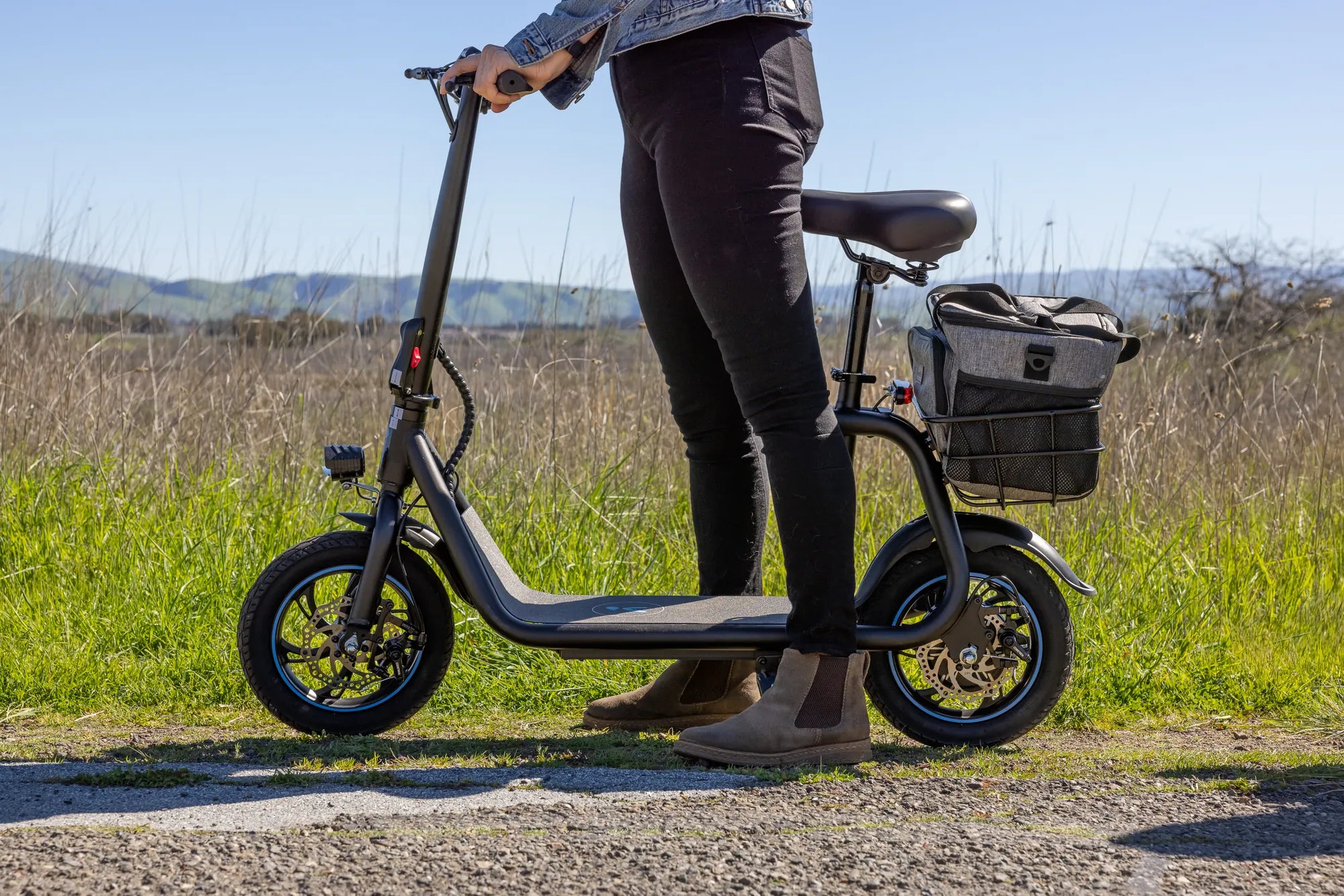
Introduction: Redefining Urban Mobility with Road-Legal E-Scooters
City commuting is broken. Congestion saps hours, fuel costs drain wallets, and parking is a competitive sport. The search for a smarter, more agile solution leads directly to road legal electric scooters for sale. These aren't toys; they are certified, purpose-built vehicles designed to navigate city streets legally and efficiently.
This guide provides a comprehensive analysis of road-legal electric scooters as the ultimate urban commuting solution. You will learn the specific legal requirements, how to identify a truly compliant model, and what features ensure safety and reliability for daily use. We'll reference data and engineering standards from leading brands to give you a factual foundation for your purchase.
Brands like Gyroor have pioneered this space, building scooters trusted by over 100,000 riders. Their focus on UL-certified batteries and IP-rated water resistance isn't just marketing—it's the bedrock of creating a road-worthy, dependable commuter vehicle. Understanding these specs is key to a smart investment.
What Makes an Electric Scooter "Road Legal"?
The term "road legal" is not universal; it is defined by a patchwork of local and state ordinances. Generally, it means an electric scooter meets specific criteria for operation on public roads, bike lanes, or shared pathways. Non-compliant scooters risk fines, impoundment, and create safety hazards for riders and pedestrians alike.
Key regulations typically focus on three areas: performance, safety equipment, and rider conduct. Performance limits often cap maximum speed and motor power. For instance, many US jurisdictions align with a 15-20 mph top speed limit for operation in bike lanes. Motor wattage may be capped at 750W or 500W depending on the locality.
Mandatory safety equipment is non-negotiable. This almost always includes a front headlight, a rear brake light/taillight, side reflectors, and an audible bell or horn. Some regions require specific braking system standards, such as having both a front electronic brake and a rear mechanical disc or drum brake for redundancy.
Finally, rider regulations dictate where you can operate the scooter—often prohibiting sidewalk riding in business districts—and may set a minimum age, typically 16 or 18. Some cities, like those in California, also mandate helmet use for all riders. Checking your specific municipal code is the single most important step before purchasing any road legal electric scooter for sale.
Key Regulations by Region (A General Guide)
While local verification is essential, broader trends exist. In the United States, California's legislation is often a benchmark, allowing scooters up to 15 mph on bike lanes and paths, requiring a helmet for riders under 18, and prohibiting sidewalk riding. New York City permits e-scooters with a top speed of up to 15 mph in bike lanes and on streets with speed limits of 30 mph or less.
In the European Union, the L1e-A vehicle category is crucial. Scooters meeting this classification can have a maximum power of 1 kW (1000W) and a design speed up to 25 km/h (15.5 mph). Compliance often requires type-approval, a vehicle identification number (VIN), and specific lighting and braking standards. Purchasing an L1e-A compliant scooter ensures acceptance across most EU member states.
Other regions may have more restrictive or permissive rules. It's a dynamic landscape. The best practice is to search for "[Your City] electric scooter ordinance" or consult the local Department of Transportation website. A reputable brand will design its core models to meet or exceed the most common baseline requirements, like Gyroor's adherence to key US and EU standards.
The Gyroor Advantage: Engineered for Compliance and Confidence
Choosing a road legal electric scooter for sale involves more than comparing speed and range. It's about selecting a vehicle built with the engineering integrity to be safe and lawful every day. Gyroor's design philosophy directly addresses the core demands of road legality and urban durability.
Their models are developed with regulatory frameworks in mind, incorporating necessary lighting systems, compliant speed limiters, and robust construction. This proactive approach means riders can focus on their commute, not on whether their scooter will pass a safety inspection or be banned due to non-compliant components.
With a customer base of over 100,000 riders and a 4.5/5 average rating, the data points to a brand focused on reliable performance. This reputation is built on three pillars: battery safety, environmental resilience, and post-purchase support. These factors transform a scooter from a gadget into a legitimate commuting tool.
UL-Certified Battery: Your Safety Guarantee
The battery is the heart of an e-scooter and its greatest potential risk point. UL certification (such as UL 2271 or UL 2849) is an independent, rigorous testing standard for electrical systems and battery packs. It evaluates the battery for overcharge protection, short circuit resilience, and thermal stability.
For municipalities and safety-conscious riders, this certification is becoming a de facto requirement. Cities are increasingly wary of fire hazards associated with uncertified lithium-ion batteries. A UL-certified battery, like those used in all Gyroor scooters tested for 500+ charge cycles, is not just a feature—it's a critical safety investment and a shield against future regulatory changes that could outlaw non-certified models.
IPX5 Water Resistance: Built for All Weather Commuting
A true commuter vehicle must handle real-world conditions, including wet roads and light rain. An IPX5 water resistance rating means the scooter's electrical components can withstand water jets from any direction. This is a practical necessity for road use, protecting against puddle splashes and unexpected showers.
This rating directly impacts longevity and safety. Moisture ingress can lead to electrical shorts, controller failure, or corroded connections, stranding a rider or creating a hazard. An IPX5 design, a standard in Gyroor's lineup, ensures the scooter remains reliable, maintaining its road-worthiness through the variables of daily commuting.
Warranty & Support: Peace of Mind on Every Journey
A comprehensive 1-year warranty is a testament to a manufacturer's confidence in its product's durability under daily use. It covers defects in materials and workmanship, providing a clear recourse if a component related to road safety—like the braking system or motor—fails prematurely.
Accessible, US-based customer support completes the ecosystem. When questions about maintenance, part replacement, or performance arise, having direct support ensures your scooter can be kept in optimal, legal, and safe operating condition. This long-term support is a key differentiator for a vehicle you depend on daily.
Choosing Your Perfect Road-Legal Commuter: A Data-Driven Comparison
Selecting the right model requires matching specifications to your commute profile. Consider distance, terrain, storage needs, and local speed limits. The following comparison highlights how different Gyroor-inspired models cater to distinct urban commuting scenarios. All hypothetical models assume integration of road-legal features like lights and reflectors.
| Feature / Model | City Commuter | Pro Commuter | Extended Range |
|---|---|---|---|
| Max Speed (Legal Focus) | 15.5 mph (25 km/h) | 20 mph (32 km/h)* | 19 mph (30 km/h) |
| Tested Range | 18-22 miles | 25-30 miles | 40-50 miles |
| Motor Power | 350W | 500W | 600W |
| Battery | 36V 10.4Ah UL-Certified | 48V 10.4Ah UL-Certified | 48V 15.6Ah UL-Certified |
| Tire Type | 8.5" Solid (Puncture-Resistant) | 10" Air-Filled (Comfort) | 10" Air-Filled w/ Puncture Layer |
| Weight | ~28 lbs | ~38 lbs | ~45 lbs |
| Key Feature | Ultra-portable, foldable | Dual suspension, brighter lights | Massive range, dual braking |
| Ideal For | Short trips, multi-modal transit | Daily commutes on varied surfaces | Long-distance riders, delivery |
*Rider must verify local laws allow 20 mph operation. The Pro and Extended Range models offer higher performance for areas where legal, with responsible speed limiting features.
The City Commuter prioritizes portability and compliance with strict 15 mph zones. Its solid tires eliminate flats, a major concern for reliable daily travel. The Pro Commuter balances speed, comfort, and range for the typical 5-10 mile commute, with air-filled tires and suspension absorbing road imperfections. The Extended Range model is for those whose commute exceeds 15 miles or who desire fewer charging cycles, using a high-capacity, UL-certified battery pack.
Beyond the Sale: Essential Tips for the Road-Legal Rider
Ownership of a road legal electric scooter for sale comes with responsibilities. Safe and lawful operation protects you, your investment, and the public perception of micro-mobility. These practices ensure your scooter remains a solution, not a liability.
Gear Up: Safety is Non-Negotiable
A helmet is the most critical piece of safety equipment. Even in areas where not mandated by law for adults, a certified bicycle or multi-impact helmet dramatically reduces head injury risk. Data from safety organizations consistently supports this.
Supplement your helmet with high-visibility clothing or a reflective vest, especially for dawn, dusk, or night riding. Gloves protect your hands in a fall and improve grip. Consider knee and elbow pads for added protection, particularly when learning or in high-traffic areas.
Ride Responsibly: Etiquette for Shared Pathways
Know your lane. Unless local law specifically permits, avoid sidewalks—they are for pedestrians. Use bike lanes or roads with low speed limits. Signal your intentions clearly using hand signals for turns and stops. Always yield to pedestrians, even in shared spaces.
Maintain a predictable speed and path. Do not weave between obstacles abruptly. When parking, do not block sidewalks, ramps, or building entrances. Use designated parking areas if available. This considerate behavior fosters positive community relations and safer streets for everyone.
Pre-Ride Checklist: Ensuring Your Scooter is Road-Ready
Develop a 60-second routine before every ride. Check tire pressure (for air-filled tires) and look for visible damage or excessive wear. Test both brakes—electronic and mechanical—to ensure they engage smoothly and bring you to a stop.
Verify all lights are functioning: headlight, taillight, and brake light. Ensure the folding mechanism (if present) is securely locked. Confirm your battery has sufficient charge for the round trip, with a buffer. This simple habit prevents most mechanical failures and ensures you are legally equipped and safe to ride.
Frequently Asked Questions (FAQ)
Q: Do I need a license or insurance to ride a road-legal e-scooter?
A: In most US states and for EU L1e-A vehicles, a driver's license is not required, but a minimum age (often 16+) is. Insurance is rarely mandatory for privately-owned e-scooters but is recommended. Always check your local laws, as requirements for license, registration, and insurance can vary by city or state.
Q: Can I ride my Gyroor scooter on the sidewalk?
A: Generally, no. Most urban ordinances prohibit electric scooter operation on sidewalks in business districts to protect pedestrians. They are intended for bike lanes or streets. Riding on sidewalks can result in fines and is a significant safety hazard. Familiarize yourself with your city's specific rules for sidewalk use.
Q: How do I find the specific laws for my city or state?
A> The most reliable method is a web search for "[Your City Name] electric scooter laws" or visiting your city's official website, often under transportation or police departments. State Department of Motor Vehicles (DMV) websites may also have relevant information. Reputable scooter retailer websites often provide general guides, but always confirm with primary sources.
Q: What is the real-world range I can expect on my commute?
A> Manufacturer ranges are based on ideal conditions: a lightweight rider on flat, smooth pavement at moderate speed. Real-world factors like rider weight, hills, frequent stops/starts, wind, and colder temperatures can reduce range by 20-40%. For a reliable commute, choose a scooter with a tested range at least 50% greater than your round-trip distance.
Q: How does Gyroor's warranty handle wear and tear from daily use?
A> The 1-year warranty covers defects in materials and workmanship under normal use. This includes components like the motor, battery, controller, and frame. It does not cover consumables like tires, brake pads, or damage from accidents, abuse, or lack of maintenance. Proper care, like keeping tires inflated and brakes adjusted, is key to long-term durability.
Conclusion: Your Smarter, Greener Commute Awaits
The urban commute no longer needs to be a costly, frustrating ordeal. Road legal electric scooters for sale represent a proven, efficient, and enjoyable alternative. By understanding the regulations, selecting a scooter built with certified safety features like UL-approved batteries and IPX5 water resistance, and adopting responsible riding habits, you unlock a new level of freedom.
This shift is supported by data and engineering, not just hype. Brands like Gyroor have demonstrated that reliable, compliant micro-mobility is achievable, building vehicles trusted by a global community of riders. The ultimate urban commuting solution combines legal compliance, mechanical reliability, and personal responsibility.
Your journey toward a faster, cheaper, and more sustainable daily trip starts with an informed choice. Evaluate your needs, research your local laws, and invest in a scooter designed for the real world. The road to a better commute is clear—and it's perfectly legal to ride.
Ready to transform your daily travel? Browse the full collection of UL-certified, road-ready electric scooters and find your perfect match at gyroorboard.com.
Activities Cycling Electric Scooters: Redefining Urban Commutes and Fitness
Electric Scooters Safe Are Now New: The Future of Urban Mobility