

Introduction to Safe, Self-Balancing Scooters
Choosing the safest self-balancing scooter is the most critical decision for any rider, new or experienced. These personal transporters, encompassing hoverboards and electric unicycles, offer incredible freedom but demand a foundation of engineering integrity and user knowledge. This guide provides a comprehensive, data-driven framework for secure riding, focusing on the hardware features, riding practices, and brand assurances that truly matter. We will decode safety certifications, compare models for specific use cases, and outline the rider's essential responsibilities. As a leader in the field, Gyroor exemplifies the safety-first approach, trusted by over 100,000 riders across North America and Europe with its UL-certified batteries and robust designs.
What Makes a Self-Balancing Scooter "Safe"? Key Features Decoded
Safety is not a single feature but a system of interdependent components working flawlessly. Understanding these elements empowers you to make an informed choice beyond marketing claims. The core pillars include battery certification, motor stability, tire traction, and environmental protection.
UL-Certified Battery: The Heart of Safety
The battery pack is the most critical safety component. UL 2272 certification is a non-negotiable standard, indicating the battery has passed rigorous electrical, mechanical, and environmental stress tests to prevent fire and explosion hazards. A certified battery uses high-quality lithium-ion cells with proper thermal management and built-in protection circuits. Gyroor's commitment to safety is demonstrated by its exclusive use of UL-certified battery packs, each tested for over 500 charge cycles to ensure long-term reliability and peace of mind.
Robust Motor and Stable Frame Design
Adequate motor power, measured in watts, is essential for maintaining stability, especially on inclines or during acceleration. A weak motor can strain and cut out, leading to a loss of balance. Paired with a powerful motor, a rigid, well-engineered frame made from aerospace-grade aluminum or reinforced polymers provides the structural integrity needed for smooth operation. This combination ensures the scooter responds predictably to rider input, which is fundamental to safe control.
Tire Type and Traction: Gripping the Road
Tire choice directly impacts stability and control. Solid rubber tires are puncture-proof and low-maintenance, ideal for smooth urban surfaces. For off-road or uneven terrain, air-filled (pneumatic) tires with deep treads provide superior shock absorption and grip, drastically improving safety on grass, gravel, or dirt. The correct tire for your primary riding environment is a key safety decision that affects handling and comfort.
IP Water Resistance Rating: Safety Against the Elements
An Ingress Protection (IP) rating defines a scooter's defense against dust and water. A rating of IPX5, standard across Gyroor's lineup, means the unit is protected against low-pressure water jets from any direction. This safeguards the internal electronics from rain, splashes, and street spray, preventing short circuits and corrosion that could lead to sudden failure. It is a crucial feature for real-world conditions.
Safety Enhancements: Lights, Alarms, and App Connectivity
Integrated safety features create a protective ecosystem. Bright LED headlights and taillights ensure visibility to others at dawn, dusk, or night. Audible tilt-back alarms and warning beeps alert the rider when approaching maximum speed or low battery. Advanced models with app connectivity, like several in Gyroor's range, allow for speed limiting, battery health diagnostics, and firmware updates, adding a layer of customizable control and proactive maintenance.
Choosing Your Safe Ride: Gyroor Models Compared for Different Riders
Selecting the safest self-balancing scooter means matching a model's engineered capabilities to your specific riding needs. The following comparison highlights how Gyroor's different series address distinct safety profiles.
| Model Series | Best For | Key Safety Features | Motor Power | Max Speed |
|---|---|---|---|---|
| Gyroor S Series | Urban Commuters | UL-Certified Battery, IPX5, Bright LED Lights, Sleek Stable Frame | 300W - 400W | 10 - 12 mph |
| Gyroor Warrior Series | Off-Road Enthusiasts | All-Terrain Pneumatic Tires, Enhanced Suspension, High-Torque Motor, IPX5 | 500W - 700W | 12 - 15 mph |
| Gyroor Beginner/Pro Series | New Riders & Families | Beginner Mode Speed Limiter, Robust Shell, Comprehensive 1-Year Warranty | 250W - 350W | 7 - 10 mph (in beginner mode) |
For Urban Commuters: The Gyroor S Series
Models like the S1 Max are engineered for the predictable yet demanding urban environment. Safety here focuses on reliability, visibility, and stable handling on pavement. The UL-certified battery ensures safe operation in densely populated areas. The IPX5 rating protects against unexpected puddles and street cleaning sprays. Bright, always-on lighting makes the rider conspicuous to vehicles, while a balanced motor and frame provide the agile yet stable control needed for navigating sidewalks and bike lanes confidently.
For Off-Road Enthusiasts: The Gyroor Warrior Series
Off-road riding introduces variables like loose terrain, bumps, and inclines. The Warrior series addresses these with purpose-built safety features. Large, air-filled tires with aggressive treads offer essential traction and shock absorption. A high-wattage motor (500W+) delivers the consistent torque needed to climb hills without stalling. A reinforced frame and often a suspension system maintain stability and rider control on uneven ground, making it the safest self-balancing scooter choice for adventure beyond the pavement.
For Beginners and Younger Riders: Entry-Level Models with Guardrails
Safety for new riders is about building confidence through controlled exposure. Gyroor's beginner-friendly models often feature a dedicated "Beginner Mode" that limits speed to a gentle pace, allowing mastery of balance and steering without excessive risk. These models prioritize a durable, scratch-resistant shell to withstand learning bumps. Crucially, they are backed by Gyroor's reliable 1-year warranty, providing support as riders develop their skills and ensuring any performance issues are promptly addressed.
The Rider's Responsibility: Essential Safety Practices and Gear
The safest self-balancing scooter is only as safe as the person riding it. Adopting rigorous habits and using proper protective gear completes the safety circuit, drastically reducing the risk of injury.
Pre-Ride Safety Checklist
Develop a routine inspection before every ride. Check tire pressure and condition for any cuts or excessive wear. Verify the battery charge level is sufficient for your planned trip. Ensure all lights are functioning for visibility. If your model supports it, sync with the manufacturer's app to check for firmware updates and confirm no error codes are present. This two-minute ritual can prevent most mechanical-related incidents.
Mandatory Protective Gear
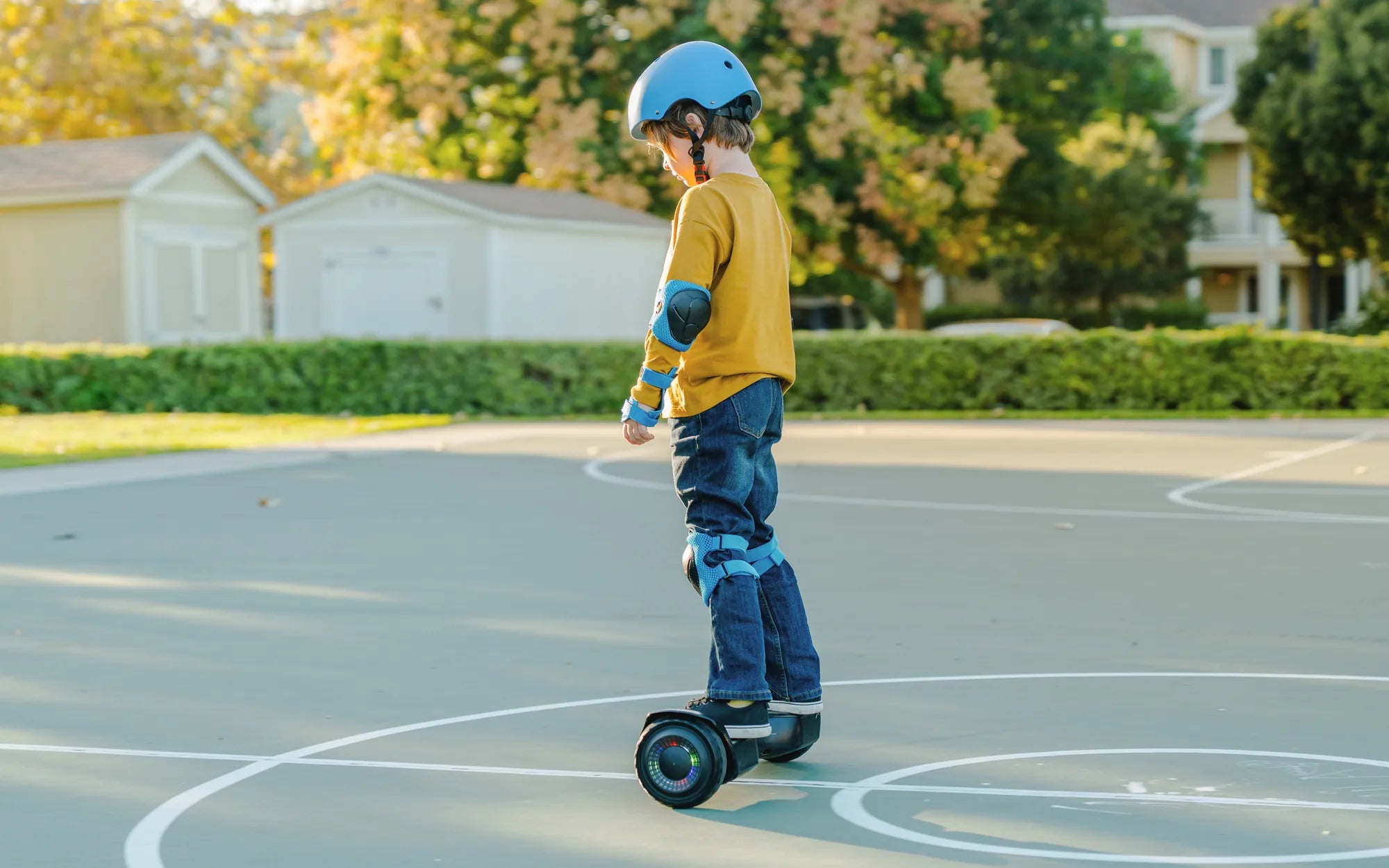
Protective gear is non-negotiable. A certified bicycle or multi-impact helmet is the absolute minimum. Wrist guards are critically important, as falls often involve instinctive hand placement. For beginners and off-road riders, knee and elbow pads provide essential joint protection. This gear forms a basic but effective defense against the abrasions and impacts that can occur during a loss of balance.
Safe Riding Techniques and Environments
Master the basics in a safe, open, and flat area like an empty parking lot. Practice mounting, dismounting, gentle acceleration, and controlled braking until they become instinctive. Maintain a slight bend in your knees for better balance and shock absorption. Always avoid riding on wet surfaces, over sand or gravel (unless on an off-road model), and never attempt to ride through deep puddles. Initially, stay clear of high-traffic roads and steep hills.
Beyond the Purchase: Maximizing Safety with Maintenance and Support
Long-term safety is a product of consistent care and access to reliable support. Proper maintenance preserves the integrity of the scooter's safety systems, while a strong warranty provides a backstop.
Routine Maintenance for Lasting Safety
Regularly clean the scooter with a damp cloth, avoiding high-pressure hoses even on IPX5 models to prevent forcing water into seals. Store the unit in a cool, dry place away from direct sunlight. Follow optimal battery practices: avoid draining it to 0%, do not leave it on the charger indefinitely, and charge it at least once every two months if storing long-term. Periodically inspect the frame for any cracks and check all screws for tightness.
Leveraging Your Warranty and Support
A comprehensive warranty is a key indicator of a brand's confidence in its product's safety and durability. Gyroor's 1-year warranty covers defects in materials and workmanship, ensuring that any anomaly affecting performance or safety can be resolved. Having access to responsive, US-based customer support means you can get expert advice for troubleshooting, ordering genuine replacement parts, and ensuring your scooter remains in safe operating condition for years.
Advanced Safety: Understanding and Mitigating Common Risks
Even with a well-made scooter, understanding potential failure modes allows for proactive risk management. The most common issues stem from battery misuse, overloading, and environmental extremes.
Battery risks are minimized by strict adherence to using the official charger and avoiding exposure to temperature extremes, both hot and cold. Never attempt to modify or repair a battery pack yourself. Overloading the scooter by exceeding its maximum weight limit stresses the motor, battery, and frame, leading to premature failure and potential loss of control. Always respect the manufacturer's specified limit.
Environmental risks include magnetic interference. The gyroscopic sensors can be disrupted by strong magnetic fields, such as those near large transformers or certain industrial equipment. Be aware of your surroundings and avoid such zones. Furthermore, while IPX5 offers good protection, submerging any part of the scooter, even in a shallow puddle, can cause irreversible damage and create a shock hazard.
Legal and Community Aspects of Safe Riding
Safe riding extends into the legal and social realm. Laws governing electric personal transporters vary significantly by city, state, and country. It is the rider's responsibility to know the local regulations regarding where you can ride (sidewalks, bike lanes, roads), age restrictions, speed limits, and any required safety equipment like helmets.
Being a safe rider also means being a courteous member of the community. Yield to pedestrians, signal your intentions when possible, and avoid riding at high speeds in crowded areas. Using a bell or a polite verbal warning when passing is a simple safety courtesy. Adhering to these norms not only keeps you safe but also fosters positive perceptions of micro-mobility devices, supporting their continued legal acceptance.
Frequently Asked Questions (FAQ)
Are self-balancing scooters safe for kids?
They can be for older children with proper supervision and the right model. Choose a scooter with a beginner speed limiter, a lower maximum speed (e.g., 7-10 mph), and a weight limit appropriate for the child. A certified helmet and full protective gear are mandatory. Parental supervision during learning and initial rides is essential to enforce safe practices.
How do I know if my scooter's battery is safe?
First, confirm it has a genuine UL 2272 certification. Signs of an unsafe or failing battery include physical swelling or deformation, the scooter not holding a charge as long as it used to, the battery getting excessively hot during charging or use, or any unusual odors. Always use the manufacturer-provided charger and follow charging guidelines.
Can I ride my IPX5 scooter in the rain?
An IPX5 rating means the scooter is protected against water jets, so light rain or riding on damp roads is generally acceptable. However, it is not waterproof or submersible. For optimal safety and longevity, avoid heavy downpours, standing water, and puddles. Always dry the scooter thoroughly after riding in wet conditions.
What is the single most important safety feature?
While all features work together, the UL 2272 certified battery is the foundational safety component. It addresses the most severe potential hazard—fire risk. No other feature matters if the battery is not fundamentally safe. Always verify this certification before purchasing any self-balancing scooter.
How often should I perform maintenance on my scooter?
Conduct a basic pre-ride visual and functional check before every use. A more thorough maintenance check, including inspecting tire tread and pressure, checking for loose hardware, and cleaning the unit, should be performed every 1-2 months, depending on usage frequency and riding conditions.
Safety is a Journey, Not a Feature
Securing your ride is a holistic commitment that begins with choosing a scooter built on certified, reliable hardware like those from Gyroor, extends through selecting the right model for your environment, and is upheld by your dedication to protective gear, smart riding practices, and diligent maintenance. The safest self-balancing scooter is the one that empowers your confidence through every phase of ownership. By investing in safety, you invest in countless hours of secure, enjoyable mobility. Ready to find your perfect match? Explore the full range of UL-certified, safety-engineered models designed for every rider at gyroorboard.com.
Self Balancing Scooter with Handlebar: The Future of Personal Transportation
Back to School Gift Ideas for Kids: Creative and Practical Picks