



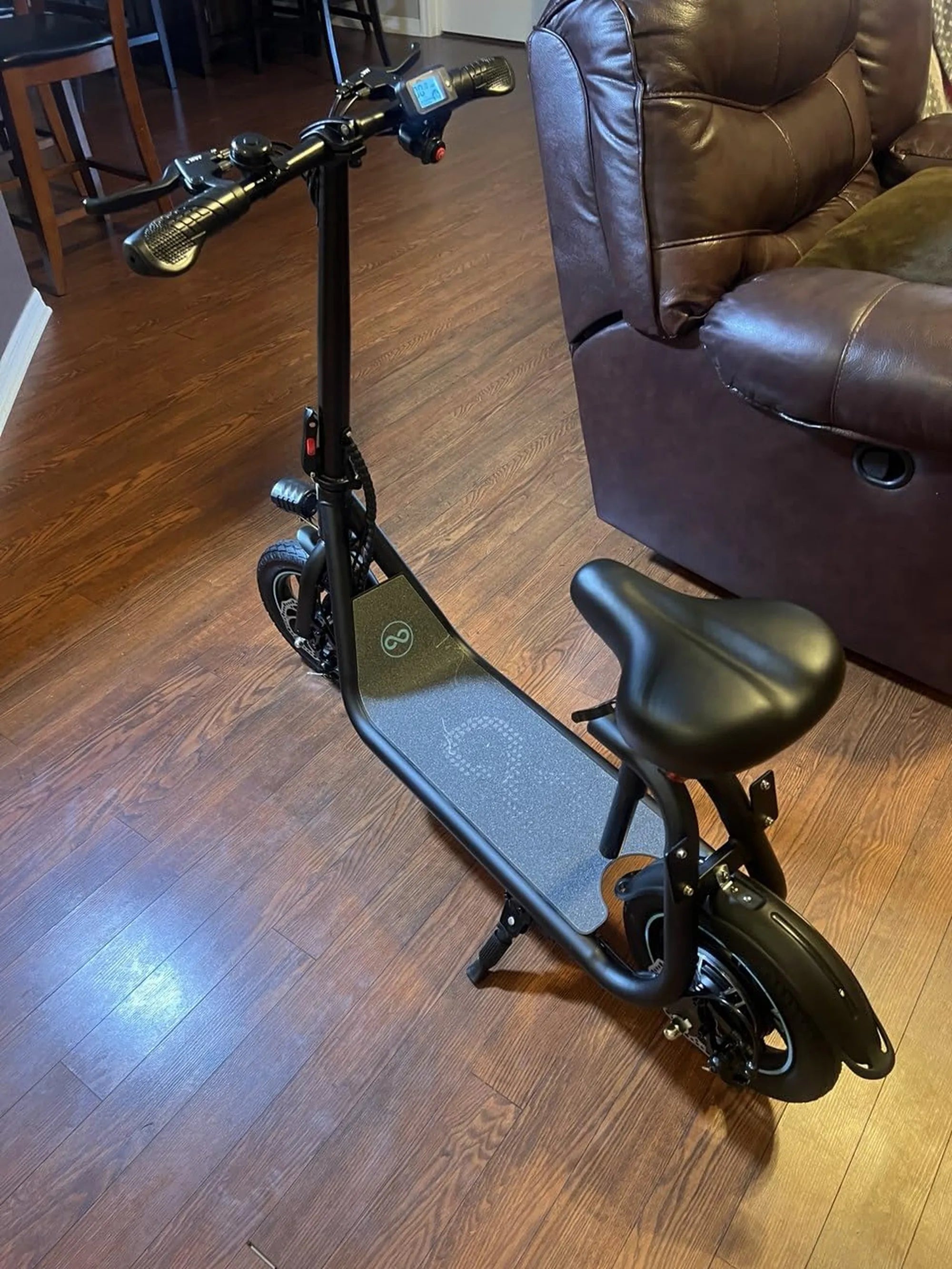
Ever wondered how a scooter dashboard can transform your riding experience? This compact yet powerful component is the nerve center of your scooter, providing real-time data and ensuring a smooth, safe ride. Whether you're a daily commuter or a weekend adventurer, understanding your scooter dashboard is key to maximizing performance and longevity. Let’s dive into the world of scooter dashboards and uncover their secrets.
What Is a Scooter Dashboard?
A scooter dashboard is the control panel located on the handlebars, displaying critical information such as speed, battery level, mileage, and more. It acts as the communication hub between the rider and the scooter, offering insights into the vehicle's status and performance.
Key Features of a Scooter Dashboard
Modern scooter dashboards come packed with features designed to enhance convenience and safety. Here are some of the most common ones:
- Speedometer: Tracks your current speed in real time.
- Battery Indicator: Shows remaining battery life to prevent unexpected shutdowns.
- Odometer: Records total distance traveled for maintenance tracking.
- Trip Meter: Measures distance for individual rides.
- Error Codes: Alerts you to potential issues requiring attention.
- LED Lights: Enhances visibility in low-light conditions.
Why a Scooter Dashboard Matters
A well-functioning dashboard is essential for several reasons:
- Safety: Real-time data helps you ride within safe limits.
- Convenience: Quick access to information reduces distractions.
- Maintenance Alerts: Early warnings prevent costly repairs.
- Enhanced Experience: Customizable displays cater to personal preferences.
How to Maintain Your Scooter Dashboard
Keeping your dashboard in top condition ensures accurate readings and longevity. Follow these tips:
- Regular Cleaning: Wipe the display with a soft, damp cloth to prevent dirt buildup.
- Check Connections: Ensure wiring is secure and free from corrosion.
- Protect from Moisture: Avoid exposing the dashboard to heavy rain or spills.
- Update Software: If applicable, install firmware updates for optimal performance.
Common Scooter Dashboard Issues and Fixes
Even the best dashboards can encounter problems. Here’s how to troubleshoot common issues:
- Blank Screen: Check battery connections or consult a technician.
- Inaccurate Readings: Calibrate sensors or replace faulty components.
- Flickering Display: Inspect wiring for loose connections.
- Unresponsive Buttons: Clean or replace the control panel if necessary.
Upgrading Your Scooter Dashboard
If your current dashboard feels outdated, consider an upgrade. Modern options offer:
- Touchscreen Displays: Intuitive controls for a seamless experience.
- Bluetooth Connectivity: Sync with your smartphone for added functionality.
- Customizable Themes: Personalize the look and feel of your display.
- Advanced Metrics: Track additional data like energy consumption and ride history.
Ready to take your scooter rides to the next level? A high-quality dashboard is more than just a display—it’s your gateway to smarter, safer, and more enjoyable journeys. Don’t overlook this vital component; invest in a dashboard that meets your needs and elevates your riding experience today!
How to Buy an Ebike: A Comprehensive Guide for Smart Shoppers
Scooter Electric Offroad: The Ultimate Guide to Rugged Adventure Riding