



Introduction: Why the Right Scooter Matters for Big Kids
Choosing a scooter for big kids is a significant decision that impacts safety, skill development, and long-term enjoyment. "Big kids," typically defined as children aged 8 to 12, often have outgrown standard youth models. They require a ride that matches their increased height, weight, and coordination. A poorly chosen scooter can hinder fun, stunt skill progression, and, most critically, compromise safety.
This guide serves as your definitive, data-driven resource. We will dissect the critical factors—from weight limits and build materials to terrain compatibility and safety certifications. Our goal is to empower you to make an informed, value-driven purchase that supports your child's growing independence and adventurous spirit. The perfect scooter for big kids isn't just a toy; it's a tool for exploration and confidence.
Key Factors to Consider Before You Buy
Selecting the right scooter requires evaluating non-negotiable criteria. Overlooking these fundamentals can lead to premature wear, safety issues, and a disappointing experience. Prioritize these elements to ensure your investment is sound.
Weight Capacity & Rider Size
This is the paramount safety and performance specification. Exceeding the manufacturer's stated weight capacity strains the frame, degrades battery life and range on electric models, and compromises braking efficiency. Always choose a scooter with a maximum weight limit at least 20-30% above your child's current weight to account for growth and a backpack.
Height is equally important for control and comfort. The handlebar should be adjustable to sit between your child's waist and lower chest when standing on the deck. This ensures proper posture and steering control. For reference, many quality models for this age group support riders from 48 to 62 inches tall.
Build Quality & Durability
Construction materials directly correlate with safety and longevity. Look for frames made from aircraft-grade aluminum or reinforced steel alloys, which offer an optimal strength-to-weight ratio. Inspect product images for clean, robust welding at joints. A wobbly stem or flexing deck is a red flag.
Durability isn't just about withstanding crashes; it's about enduring daily use. Components like the folding mechanism, brake levers, and wheel bearings must be over-engineered for a child's active lifestyle. Brands like Gyroor utilize such robust materials and rigorous stress-testing, ensuring their scooters can handle the demands of a growing rider, which translates directly to long-term value and peace of mind.
Intended Use: Terrain & Riding Style
Mismatching a scooter to its primary environment leads to frustration. Define where and how your child will ride most often. For smooth pavement cruising and commuting, a model with medium-sized (200-250mm), air-filled or high-rebound polyurethane wheels is ideal for speed and comfort.
If your child adventures on grass, dirt paths, or gravel, an all-terrain scooter with larger, pneumatic (air-filled) tires and enhanced suspension is necessary. For the aspiring trickster focused on skate parks and urban obstacles, a lightweight, ultra-durable kick scooter with a reinforced deck and 360-degree rotating handlebar is the specialized tool for the job.
Electric vs. Kick Scooters: Making the Right Choice
The decision between electric and kick propulsion is fundamental. Each type offers distinct advantages tailored to different needs, budgets, and riding philosophies. This comparison will clarify which path is right for your family.
The Case for Electric Scooters
Electric scooters empower big kids with extended range and less physical exertion, perfect for longer neighborhood explorations or commuting to a friend's house. They provide consistent power for tackling moderate hills, a task that can frustrate a tired kid on a kick scooter. Modern models offer critical safety features like multiple speed modes (often capped at 10-15 mph for kids) and parental control via app locks, allowing you to manage top speed and usage.
Safety in electric models is heavily dependent on the battery and motor system. It is essential to choose brands that prioritize certified components. For instance, Gyroor equips its scooters with UL-certified battery packs, tested for over 500 charge cycles, and integrates reliable electronic brakes with speed limiters, making them a benchmark for responsible performance.
The Benefits of Kick Scooters
Kick scooters offer unparalleled simplicity and value. They are significantly lighter, making them easier to carry and maneuver. With no battery or motor, they require zero charging, are often more affordable upfront, and provide excellent physical exercise, developing balance, coordination, and leg strength. They are the perfect choice for short trips to the park, skill-building, and kids who enjoy the kinetic connection of propelling themselves.
Decision Matrix: Which is Best for Your Child?
Use this simple checklist to guide your choice. If three or more statements in a category apply, that scooter type is likely the best fit.
| Choose an ELECTRIC Scooter if... | Choose a KICK Scooter if... |
|---|---|
| Primary use is for trips over 1-2 miles. | Budget is a primary concern. |
| Your neighborhood has noticeable hills. | Your child enjoys the physical activity of kicking. |
| You want speed control via parental settings. | The main use is at skate parks or for tricks. |
| Your child values the "tech" aspect and extended range. | Weight and portability are top priorities. |
| You are comfortable with battery maintenance and charging. | You prefer minimal maintenance (no electronics). |
Safety First: Non-Negotiable Features and Gear
The safest scooter is one that is well-built and operated with full protective equipment. This section covers the essential features on the scooter itself and the mandatory gear for the rider. Never compromise on either.
Essential Scooter Safety Features
A reliable braking system is the most critical safety feature. Look for dual braking—typically a combination of an electronic (e-brake) or disc brake on the front wheel and a rear fender or foot brake. This redundancy ensures stopping power if one system fails. Wide, textured decks provide stable footing, and grippy, durable wheels maintain traction.
For visibility during dusk or dawn, integrated front and rear lights are vital. Additionally, consider environmental durability. A scooter with a water-resistant rating, like an IPX5 classification found on many Gyroor models, offers protection against water splashes from all directions, ensuring electronics and bearings are safeguarded during unexpected puddles or light rain, adding a layer of reliability.
Mandatory Protective Gear
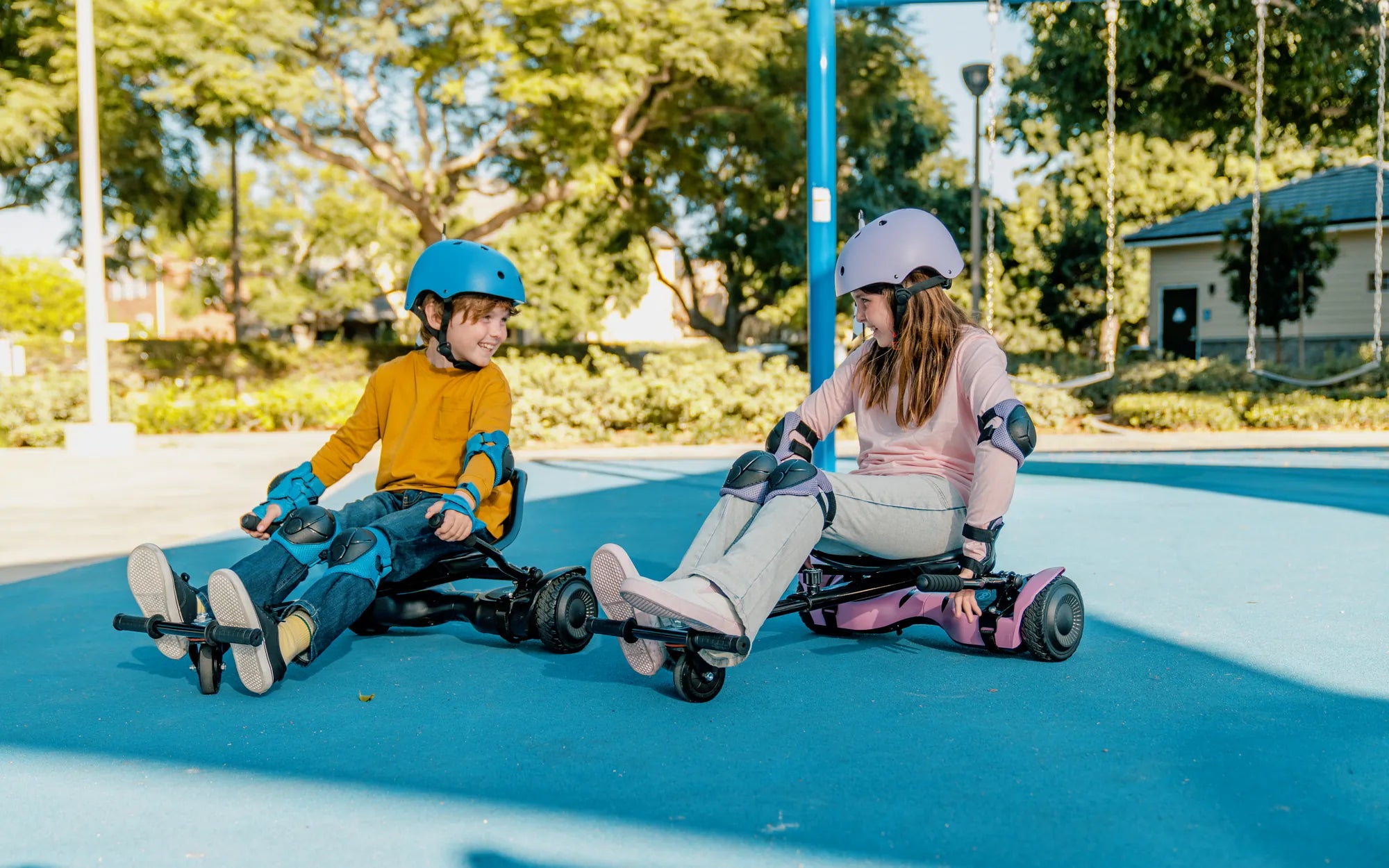
A CPSC-certified helmet is an absolute must. It should fit snugly without rocking. Knee and elbow pads protect joints during falls, and wrist guards are crucial for preventing common scooter injuries like fractures and sprains. This gear is not optional; it is part of the total cost of ownership. Ensure all gear is worn correctly every single time the scooter is used, setting a non-negotiable safety standard.
Maximizing Value: Warranty, Support, and Long-Term Enjoyment
True value is measured over years, not just at purchase. A comprehensive warranty and simple maintenance habits protect your investment and ensure the scooter remains a source of joy, not frustration.
Understanding Warranties and What They Cover
A strong warranty is a manufacturer's vote of confidence in its product. Scrutinize what is covered. A comprehensive warranty should include at least one year on the frame, battery, motor, and electronic controller. It signals that the company will stand behind its product. Gyroor, for example, offers a reliable 1-year comprehensive warranty with accessible customer support, providing clear peace of mind that any defects will be addressed, protecting your investment.
Maintenance Tips for Longevity
Simple, regular checks can vastly extend your scooter's life. For all scooters, periodically tighten bolts and fasteners, check tire pressure (for pneumatic tires), and ensure brakes engage smoothly and effectively. For electric models, follow proper battery care: avoid draining it completely, store it in a cool, dry place, and use only the provided charger. These habits preserve battery health and overall performance for the long haul.
Top Picks & Recommendations (Curated for Big Kids)
Based on the criteria outlined above, here are targeted recommendations for different needs and preferences. Each pick emphasizes safety, appropriate capacity, and durable construction for the big kid demographic.
Best Overall Electric Scooter for Big Kids
For a balance of power, safety, and growth-oriented design, the Gyroor F1 Pro is an exemplary choice. It features a robust frame supporting riders up to 220 lbs, a UL-certified battery offering a 15-mile range, and three speed modes up to 15 mph with a secure app lock function. Its IPX5 water-resistant build, combined with a front disc brake and rear e-brake, delivers the safety and durability demanded for serious, everyday riding, backed by a strong 1-year warranty.
Best High-Performance Kick Scooter
For the active kid who lives at the skate park or demands a responsive ride for aggressive urban cruising, the Mongoose Legion L20 is a standout. It features a reinforced steel frame, 200mm high-rebound wheels for speed, and a 360-degree rotating handlebar for tricks. Its adjustable T-bar handlebar accommodates growing riders, and its solid construction is built to withstand the impacts of learning new skills.
Best Value Pick (Electric)
The Gyroor F1 (Standard Model) presents exceptional value for parents seeking core electric features without the premium price. It maintains a strong 198 lb weight capacity, a reliable 10-mile range, and essential safety features like a speed limiter and dual braking system. It forgoes some advanced features but retains the critical UL-certified battery and IPX5 rating, delivering fundamental safety and performance where it counts most.
Frequently Asked Questions (FAQs)
What is the appropriate age for a big kid scooter?
Age is a less reliable indicator than physical size, coordination, and maturity. Most scooters designed for "big kids" are engineered for children approximately 8 years and older, but the deciding factors are whether the child meets the minimum height requirement and can understand and follow safety rules. Always defer to the manufacturer's recommended age and size guidelines.
How do I ensure the scooter is safe?
Safety is a three-part equation: First, select a scooter with a weight capacity well above your child's weight and verify its brake systems and build quality. Second, always pair the scooter with full protective gear—helmet, knee pads, elbow pads, and wrist guards. Third, educate your child on safe riding practices: avoiding traffic, watching for obstacles, and respecting speed limits.
Are electric scooters worth the investment for kids?
Yes, if they align with your child's needs. They are worth it for longer-range mobility, assisting with hills, and if the scooter will be used frequently for transportation or extended play. The investment is best protected by choosing a reputable brand with clear safety certifications (like UL for batteries) and a solid warranty, ensuring durability and reliability over time.
How often should I charge my child's electric scooter?
Follow the "top-off" method. Charge the scooter after each use or when the battery level drops to about 30-40%. Avoid letting the battery fully deplete regularly, as this can stress the cells. For storage longer than a week, maintain a charge level between 50-80%. Always use the manufacturer-provided charger.
Can a scooter be too powerful for a big kid?
Absolutely. A scooter with an excessively high top speed or overly powerful acceleration can be dangerous for a child still developing their judgment and reaction times. Look for models with adjustable speed modes, allowing you to cap the top speed (e.g., 10 mph) until they demonstrate responsible handling. Parental control features are invaluable here.
Conclusion: Rolling Forward with Confidence
Choosing the perfect scooter for big kids ultimately comes down to prioritizing safety specifications and long-term value over flashy extras. By focusing on weight capacity, build quality, appropriate terrain matching, and never compromising on protective gear, you select a ride that empowers adventure safely. A well-chosen scooter, backed by a reliable warranty, becomes a trusted companion in your child's journey toward greater independence. The right ride is out there, ready to unlock countless hours of exploration and fun.
Ready to find the ideal match for your young adventurer? Browse the full Gyroor collection at gyroorboard.com to explore a range of electric scooters and e-bikes designed with safety, durability, and big kids in mind.
Hoverboard for Outdoors: The Ultimate Guide to Off-Road Adventure
Hoverboard Catching Fire: The Hidden Dangers and How to Stay Safe