


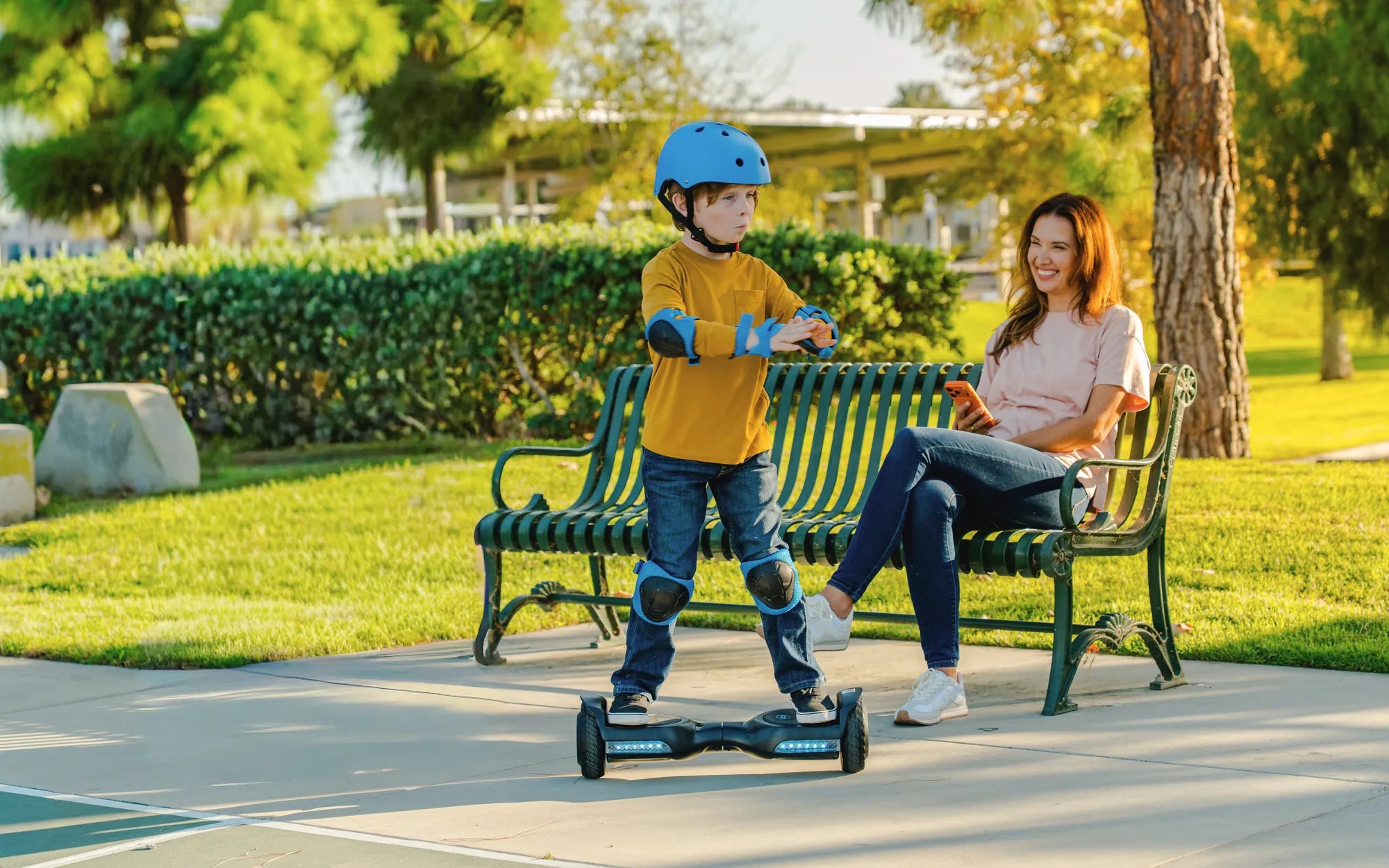
Choosing the right scooter for kids girls is about much more than picking a favorite color. It's an investment in your child's physical development, independence, and outdoor enjoyment, all while prioritizing their safety. This ultimate guide cuts through the noise with factual comparisons, safety data, and practical advice to help you select a scooter that balances exhilarating fun with robust protection. We'll explore everything from age-appropriate sizing and non-negotiable safety features to the pros and cons of electric models, referencing engineering standards from trusted brands like Gyroor, a leading electric scooter and e-bike brand trusted by over 100,000 riders across North America and Europe.
Why the Right Scooter is a Game-Changer for Girls
A quality scooter provides a unique blend of benefits for young riders. It promotes crucial physical development, including balance, coordination, and leg strength, in a way that feels like pure play. For girls, it fosters a sense of autonomy and confidence as they master a skill and navigate their environment.
Beyond the physical and psychological benefits, a scooter encourages outdoor activity, offering a compelling alternative to screen time. The right model, matched to a child's size and skill level, minimizes frustration and maximizes enjoyment, turning a simple ride into a source of lasting pride and adventure.
This guide focuses on the specific considerations for girls, acknowledging that while aesthetic appeal matters, it should never come at the expense of safety, durability, or proper ergonomics. The goal is to find a scooter that a child loves to look at and a parent trusts completely.
Key Factors to Consider When Choosing a Scooter
Selecting a scooter requires a methodical approach. The primary criteria should always be safety and fit, with design elements serving as the final, enjoyable touchpoint. Ignoring fundamental specifications for a trendy look can lead to discomfort and increased risk of accidents.
Parents must evaluate the scooter's construction, braking system, adjustability, and weight capacity against their child's current metrics. A scooter that is too large or too powerful can be intimidating and dangerous, while one that is too small will be quickly outgrown and may hinder proper riding posture.
Age, Height, and Weight Recommendations
Manufacturer recommendations are based on developmental averages and are the best starting point. A scooter's deck height, wheel size, and handlebar range must align with a child's physique for stable control. The following table provides a general framework, with specific model examples from Gyroor's engineered lineup.
| Age Group | Recommended Wheel Size | Key Features Focus | Gyroor Model Consideration |
|---|---|---|---|
| 3-5 Years | 120-150mm (3-5") | 3-wheel stability, low deck, lightweight | Non-electric kick scooters; focus on ultra-stable base. |
| 5-8 Years | 150-200mm (5-8") | Adjustable handlebars, durable 2-wheel design, simple brake | Entry-level electric models with strict speed limiters (≤10mph). |
| 8-12 Years | 200mm+ (8") | Larger deck, higher weight capacity, enhanced braking | Gyroor's kid-focused e-scooters with parental controls, UL-certified batteries. |
The most accurate fit test is physical. Your child should stand on the deck with feet shoulder-width apart without the deck touching the ground. Handlebar height should be at or slightly below their waist when standing on the deck for optimal control.
Safety Features You Should Never Compromise On
Core safety features are non-negotiable. A wide, textured deck prevents foot slippage. Reliable braking is paramount—a rear foot fender brake is standard for kick scooters, while electric models for kids must have a responsive hand brake and often an electronic brake.
For electric scooters, speed limiters and beginner modes are critical safety tools, allowing a gradual introduction to power. Handlebar adjustability ensures the scooter grows with your child and maintains proper ergonomics, reducing fatigue and improving steering precision.
Design & Aesthetics: Finding the Perfect Match
Once safety and fit are confirmed, design becomes a powerful motivator. A scooter that reflects a child's personality—through color, pattern, or integrated lighting—increases the likelihood they'll want to ride it. Brands like Gyroor offer designs that are sleek and appealing without compromising on the robust, technical appearance of a well-made vehicle.
The key is to view aesthetics as the reward for doing the technical homework first. A cool-looking scooter that is poorly built is a safety hazard, while a well-engineered scooter in a beloved color becomes a trusted companion for adventure.
Types of Scooters: From Kick to Electric
The fundamental choice lies between traditional kinetic (kick) scooters and electric-powered models. Each type serves different developmental stages, skill levels, and use cases. Understanding their distinct advantages ensures you provide the right tool for your child's current abilities.
Traditional Kick Scooters: Building Fundamentals
Kick scooters are the ideal starting point for most children. They require the rider to generate all propulsion, actively developing lower-body strength, cardiovascular fitness, and coordination. The simple mechanics teach cause and effect: kicking equals motion, braking equals stop.
For younger girls (typically 3-6), three-wheeled scooters offer superior stability with two wheels in front (a lean-to-steer design) or in the rear, making the learning process less intimidating. As skills progress, a transition to a two-wheeled kick scooter refines balance and prepares them for more advanced models.
Electric Scooters for Kids: Responsible Power Introduction
Electric scooters introduce a new dimension of fun and are suitable for older, responsible children (generally 8+). The primary consideration is the child's maturity and their proven ability to handle a non-powered scooter safely, including understanding traffic rules and obstacle avoidance.
Kid-specific electric scooters, like those from Gyroor, are engineered with strict safeguards. These include speed caps (often limited to 10-15 mph), multiple speed modes controlled by parents, smooth acceleration to prevent jerky starts, and robust braking systems. They are not simply scaled-down adult models; they are purpose-built for a younger rider's safety.
The Gyroor Advantage: Engineered for Confidence
With over 100,000 riders trusting the brand, Gyroor's approach to kids' scooters translates advanced e-mobility engineering into safe, durable platforms for young riders. Their focus on certified safety components and resilient construction provides tangible peace of mind for parents.
Unmatched Safety with UL-Certified Batteries & IPX5 Rating
The battery is the heart of an electric scooter and its most critical safety component. Gyroor's use of UL-certified battery packs means each cell has undergone rigorous independent testing for thermal stability, short-circuit protection, and longevity over 500+ charge cycles. This certification is a proven benchmark for preventing overheating and related hazards.
An IPX5 water-resistance rating indicates the scooter's electronics can withstand low-pressure water jets from any direction. In practical terms, this means protection against riding through puddles or getting caught in a light rain shower, significantly enhancing the scooter's durability and real-world usability.
Built to Last: Durability and Warranty Peace of Mind
Kids are not gentle. Scooters endure bumps, curbs, and the occasional tip-over. Gyroor constructs its scooters with reinforced decks, secure welding points, and high-tensile aluminum alloys to withstand this learning curve. This durability ensures the scooter remains safe and functional over time.
Backing this build quality is a reliable 1-year comprehensive warranty and accessible customer support. This commitment means parents have a direct path for assistance, turning a significant purchase into a low-risk investment in long-term fun.
Practical Tips for Parents: Setup, Riding, and Maintenance
Proper setup and ongoing vigilance are as important as the initial purchase. Establishing good habits from the first ride sets the stage for a safe and enjoyable experience for years to come.
Pre-Ride Checklist and Safety Gear Essentials
Safety gear is non-negotiable. Every ride requires a properly fitted CPSC-certified helmet. Knee and elbow pads are highly recommended, especially for beginners. A pre-ride scooter check should be as routine as buckling a seatbelt:
- Tires/Air Pressure: Inflate to recommended PSI (for pneumatic tires). Check for wear or damage.
- Brakes: Test for firm, responsive engagement. Listen for rubbing or grinding.
- Fasteners: Ensure all bolts (handlebar clamp, stem, wheel axles) are tight.
- Lights: Verify headlight and taillight operation if equipped.
- Folding Mechanism: If applicable, confirm it is fully locked in the riding position.
Teaching Safe Riding Habits and Choosing Locations
Start in a controlled, car-free environment like an empty parking lot, smooth driveway, or paved park path. Practice the basics: mounting, kicking/accelerating gently, steering, and braking to a complete stop. Emphasize scanning for obstacles, avoiding wet or sandy surfaces, and never riding in the dark without lights and reflective gear.
Establish clear rules about where riding is permitted (e.g., sidewalks only, never streets) and the importance of situational awareness around pedestrians, cyclists, and potential driveway exits. For electric scooters, begin in the lowest speed mode and only advance as skill and judgment demonstrate readiness.
Simple Maintenance to Keep the Scooter Rolling Smoothly
Regular maintenance extends the scooter's life and maintains safety. Wipe down the deck and frame periodically. Check and tighten bolts every few weeks with the provided tools. For electric models, follow battery care guidelines: avoid draining to 0%, store in a cool, dry place, and use only the provided charger.
Inspect brakes for pad wear and tires for punctures or excessive wear. Proper storage—upright and indoors, away from extreme temperatures—protects the battery and components. This simple upkeep ensures the scooter for kids girls remains a reliable source of fun.
Frequently Asked Questions (FAQs)
What age is appropriate for an electric scooter?
Most manufacturers recommend electric scooters for children aged 8 and older. This guideline considers the average child's developed coordination, balance, and cognitive ability to understand speed and safety rules. The child's individual maturity and proven responsibility on a non-electric scooter are the most critical factors.
How do I know if the scooter is the right size?
Conduct a fit test. With the rider standing on the deck, their feet should be comfortably apart on the deck. The handlebars should be at or slightly below waist height. If the handlebars are too high, control is compromised; if too low, the riding posture is strained. Adjustable handlebars are invaluable for achieving the perfect fit.
Are Gyroor scooters difficult to assemble?
No. Gyroor scooters are designed for straightforward home assembly. Most models require attaching the handlebar to the stem and securing it with provided tools, a process typically taking under 10 minutes. Detailed instructions and accessible customer support are available to guide you through the simple steps.
Can the scooter handle bumps and rough pavement?
Handling depends on wheel size and type. Larger wheels (8"+) and air-filled (pneumatic) tires offer significantly better shock absorption and stability over cracks and uneven surfaces than small, solid rubber tires. Models like Gyroor's often feature larger pneumatic tires and robust suspension systems specifically to smooth out rides on typical urban terrain.
How important is the weight capacity rating?
Extremely important. Exceeding the manufacturer's maximum weight capacity stresses the frame, brakes, and motor (if electric), leading to premature failure and potential safety risks. Always choose a scooter with a weight limit comfortably above your child's current weight to account for growth and the weight of a backpack.
Conclusion: Investing in Fun, Freedom, and Safety
The journey to finding the perfect scooter for kids girls culminates in a simple truth: the best choice seamlessly integrates certified safety engineering, a precise physical fit, and engaging design. This trifecta empowers girls with confidence, offering them a tool for adventure that parents can trust. Brands that prioritize UL-certified components, water-resistant durability, and supportive warranties, like Gyroor, transform a simple purchase into a long-term investment in outdoor joy and developmental growth. By applying the guidelines in this ultimate guide—from scrutinizing safety features to teaching responsible riding habits—you can unlock a world of fun where safety is the foundation of every ride.
Ready to explore a curated selection of scooters that combine robust safety with thrilling fun? Browse the full Gyroor collection, featuring UL-certified, IPX5-rated models designed for young riders, at gyroorboard.com.
Red Hoverboard: The Ultimate Guide to Choosing and Riding
Hoverboard for 4 Year Old: The Ultimate Guide to Safe and Fun Riding