

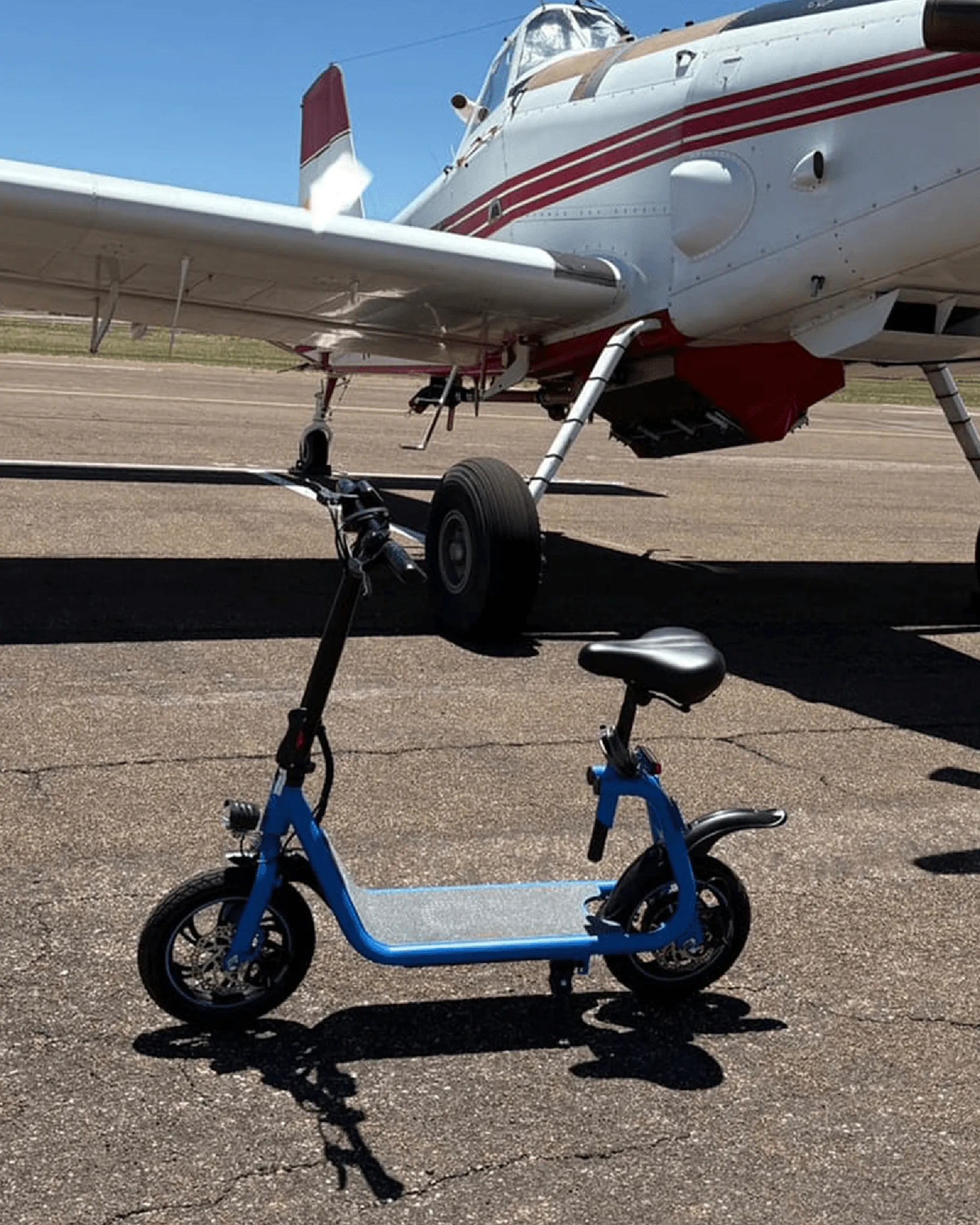
For individuals struggling with balance issues, everyday mobility can feel like an uphill battle. Whether due to aging, injury, or a medical condition, maintaining stability while walking or standing can be daunting. Fortunately, a scooter for people with balance issues offers a practical and empowering solution, providing the freedom to move confidently without fear of falls or fatigue.
Understanding the Need for Balance-Friendly Scooters
Balance issues can stem from various conditions, including arthritis, Parkinson's disease, multiple sclerosis, or even recovering from surgery. Traditional mobility aids like canes or walkers may not always provide the stability or convenience needed for longer distances. A scooter designed for balance challenges addresses these concerns with features like a stable base, ergonomic seating, and intuitive controls.
Key Features to Look For
When choosing a scooter for people with balance issues, several features are essential for safety and usability:
- Wide and Stable Base: A broader wheelbase prevents tipping and ensures a smooth ride.
- Adjustable Seating: Comfortable, padded seats with adjustable heights and armrests provide proper support.
- Easy-to-Use Controls: Intuitive handlebars or tillers with responsive acceleration and braking.
- Anti-Tip Wheels: Additional rear wheels or stabilizers enhance balance on uneven terrain.
- Lightweight and Portable: Folding or disassembling options make transportation and storage hassle-free.
Benefits of Using a Scooter for Balance Issues
A well-designed scooter can transform daily life for those with balance challenges. Here are some of the top benefits:
- Increased Independence: Regain the ability to run errands, visit friends, or enjoy outdoor activities without relying on others.
- Reduced Fall Risk: The stable design minimizes the chances of slips or falls, providing peace of mind.
- Enhanced Comfort: Ergonomic seating reduces strain on joints and muscles during extended use.
- Improved Mental Well-Being: Greater mobility often leads to higher self-esteem and reduced feelings of isolation.
Choosing the Right Model
Selecting the best scooter depends on individual needs and lifestyle. Consider factors like:
- Indoor vs. Outdoor Use: Compact models work well indoors, while rugged tires are better for outdoor terrain.
- Weight Capacity: Ensure the scooter can support the user's weight comfortably.
- Battery Life: Longer battery life is crucial for those who plan to use the scooter frequently.
- Maneuverability: Tight turning radiuses are ideal for navigating crowded spaces.
Safety Tips for Scooter Users
While scooters are designed for stability, following safety guidelines ensures optimal use:
- Always read the user manual and familiarize yourself with the controls.
- Avoid steep inclines or uneven surfaces unless the scooter is designed for such terrain.
- Wear comfortable, non-slip footwear while operating the scooter.
- Regularly check the battery, tires, and brakes for maintenance.
Real-Life Impact
For many users, a scooter for balance issues is more than just a mobility aid—it's a lifeline. Stories abound of individuals reclaiming their independence, whether it's attending family gatherings, exploring parks, or simply moving around their homes with ease. The psychological boost from regaining control over one's movements cannot be overstated.
Imagine the joy of shopping without worrying about fatigue or the freedom to enjoy a sunny day at the local market. A scooter tailored for balance challenges makes these moments possible, blending safety, comfort, and convenience into one transformative device.
Where to Buy Self Balancing Scooter in New York: Top Retailers and Tips
Where to Buy Self Balancing Scooter in New York: Top Retailers and Tips