



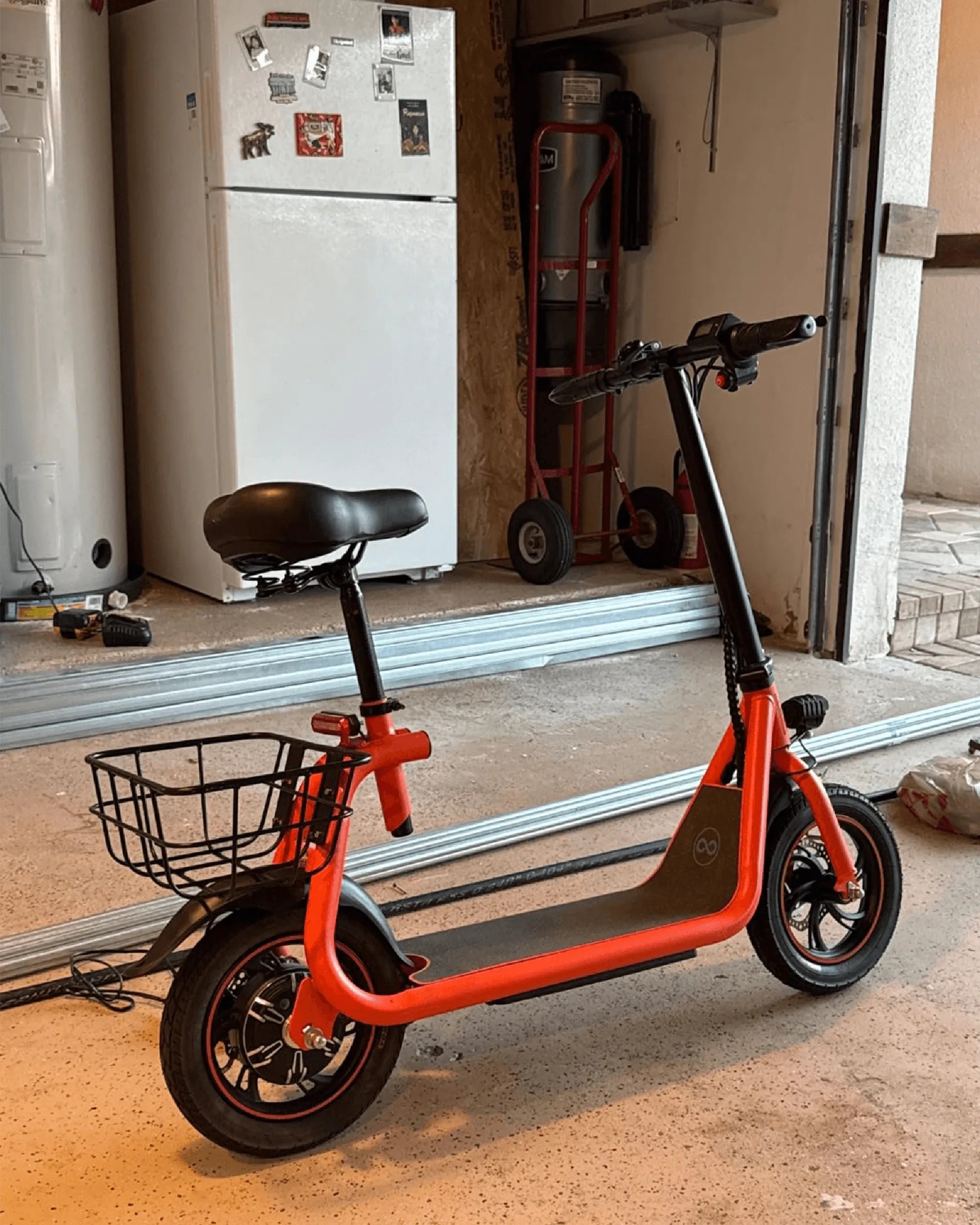
Riding a scooter should be a seamless blend of fun and comfort, but if your handlebars are too high or too low, it can quickly turn into a painful experience. The secret to a smooth ride lies in understanding the scooter handlebar height chart—a tool that ensures your scooter fits you like a glove. Whether you're a daily commuter or a weekend adventurer, getting the handlebar height right can make all the difference. Let’s dive into why this matters and how you can optimize your setup.
Why Handlebar Height Matters
Handlebar height isn’t just about comfort—it’s about control, efficiency, and safety. When your handlebars are at the wrong height, you might experience:
- Wrist and shoulder strain from overreaching or hunching.
- Reduced steering precision, making it harder to navigate tight turns.
- Lower back pain due to poor posture.
A scooter handlebar height chart takes the guesswork out of adjustments, helping you find the sweet spot for your body type and riding style.
How to Use a Scooter Handlebar Height Chart
Most charts categorize riders by height, suggesting a range of handlebar positions. Here’s a simplified example:
| Rider Height (ft/in) | Recommended Handlebar Height (inches) |
|---|---|
| 4'10" - 5'2" | 28" - 30" |
| 5'3" - 5'7" | 30" - 32" |
| 5'8" - 6'0" | 32" - 34" |
| 6'1" and above | 34" - 36" |
These ranges are starting points—fine-tuning based on your comfort is key. Stand on your scooter with relaxed shoulders; your hands should rest naturally on the grips without bending your elbows too much.
Adjusting Your Scooter Handlebar Height
Many scooters allow height adjustments via a clamp or telescopic mechanism. Follow these steps:
- Loosen the handlebar clamp or locking mechanism.
- Slide the handlebars up or down to your desired height.
- Tighten the clamp securely to prevent slippage during rides.
Test your new setup on a short ride. If you feel any discomfort, readjust incrementally until it feels right.
The Science Behind Optimal Handlebar Positioning
Ergonomics research shows that handlebar height affects:
- Posture: Higher bars encourage an upright stance, reducing back strain.
- Control: Lower bars offer better aerodynamics and agility for faster rides.
- Fatigue: Proper alignment minimizes muscle fatigue over long distances.
Your riding style also plays a role. Commuters may prefer higher bars for visibility, while performance riders might opt for a lower, more aggressive stance.
Common Mistakes to Avoid
Even with a scooter handlebar height chart, riders often make these errors:
- Ignoring arm angle: Your elbows should have a slight bend (15-30 degrees) when gripping the bars.
- Overlooking grip comfort: Pair handlebar height with ergonomic grips to prevent numbness.
- Neglecting regular checks: Handlebars can shift over time—recheck height periodically.
Final Thoughts
Mastering your scooter’s handlebar height transforms your ride from awkward to effortless. With a scooter handlebar height chart as your guide, you’ll unlock better posture, sharper control, and miles of pain-free cruising. Ready to fine-tune your ride? Grab your tools, consult the chart, and hit the road with confidence—your wrists and back will thank you!
Difference Between Scooter and Motorcycle: Key Distinctions Explained
Do You Need a License to Ride an Ebike? The Ultimate Guide