



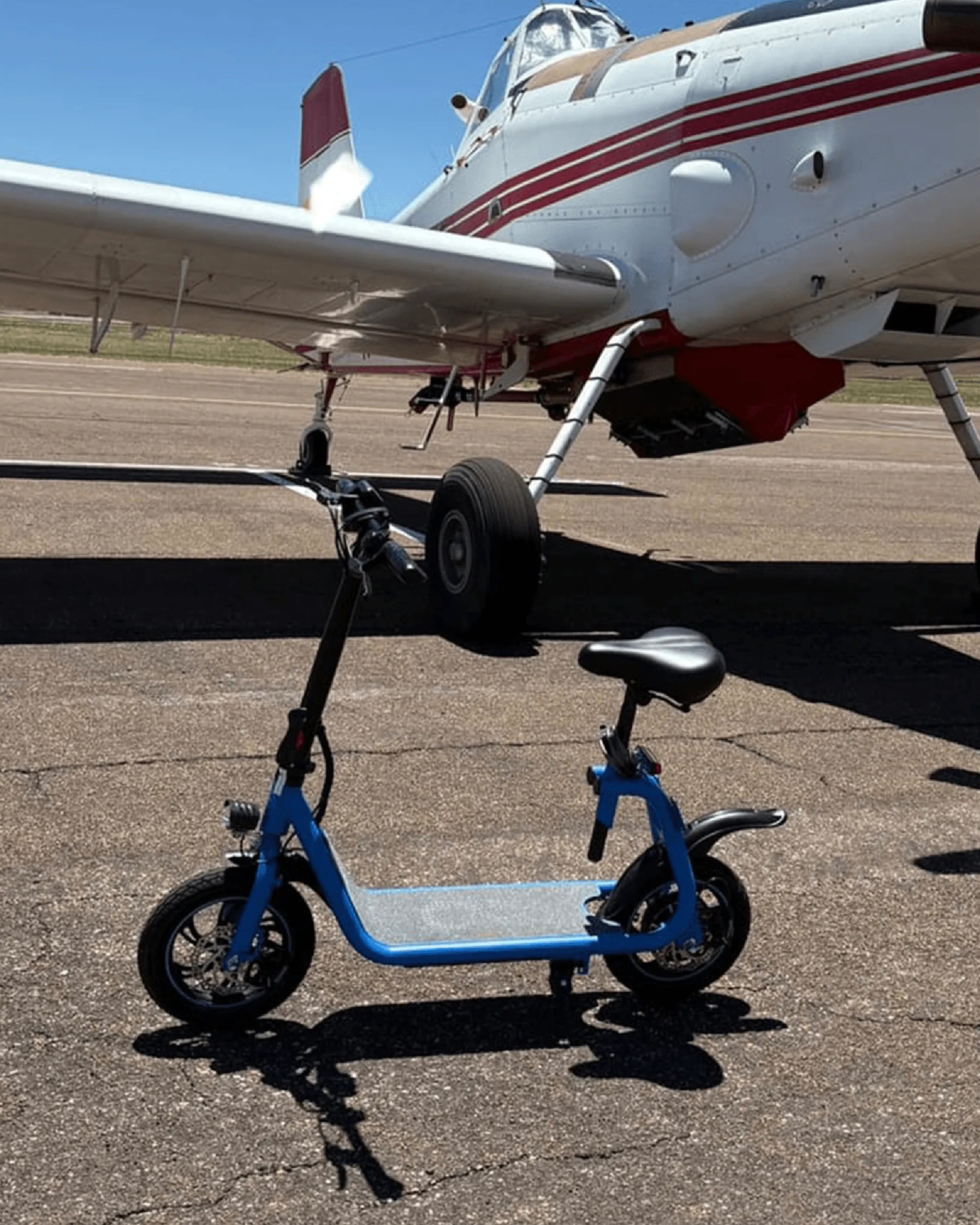
The electric scooter landscape is undergoing its most significant evolution yet. Forget the chaotic clutter of rental fleets; today's scooter market news is dominated by a consumer-driven demand for safety, longevity, and serious personal transportation. This shift marks a move from novelty to necessity, with riders investing in high-quality personal vehicles for daily commutes and recreation. Understanding these changes is crucial for making an informed purchase that delivers value and reliability for years, not just months.
Navigating the Evolving Scooter Market
The initial frenzy of shared micromobility has given way to a more calculated and sustainable growth phase. Municipalities have moved from open-armed experimentation to implementing strict regulations, while consumers, burned by poorly made products, are now savvy buyers. They seek vehicles that are not just fun, but fundamentally safe and built to last. This maturation signals a healthier, more responsible market where quality manufacturers thrive.
For brands like Gyroor, a leader in electric scooters and e-bikes trusted by over 100,000 riders across North America and Europe, this shift aligns with a long-standing philosophy. The focus has always been on engineering reliable personal mobility solutions with UL-certified batteries, robust warranties, and water-resistant designs. The latest scooter market news confirms that the industry is finally catching up to these core values.
The State of the Market: Consolidation, Regulation, and Maturity
The market is consolidating. Smaller brands that competed solely on low price points are fading, unable to meet new safety standards or consumer expectations for durability. Simultaneously, major cities worldwide have established clear frameworks governing where and how e-scooters can be used, including geofencing, mandatory parking zones, and speed limits in pedestrian areas.
This regulatory environment, while sometimes seen as restrictive, has ultimately benefited the consumer. It has forced manufacturers to produce more compliant, trackable, and civilized vehicles. The era of the disposable scooter, epitomized by short-lived rental fleets, is closing. In its place is a market for premium personal transporters designed for hundreds of charge cycles and thousands of miles.
The push for sustainability extends beyond battery life. Manufacturers are now scrutinizing their supply chains and using more recyclable materials. This move towards a circular economy is a direct response to both regulatory pressure and a more environmentally conscious customer base, making it a staple of current scooter market news.
Key Trends Shaping Consumer Choice in 2024
Several dominant trends are dictating product development and purchasing decisions. First is the undeniable rise of seated electric scooters and e-bikes. Comfort for longer commutes has become a top priority, expanding the use case from last-mile solution to primary vehicle for trips under 10 miles.
The Paramount Importance of Battery Safety
Nothing dominates scooter market news more than battery safety. High-profile incidents have made consumers acutely aware of the risks associated with substandard lithium-ion packs. The UL 2272 certification for the drive system and UL 2849 for e-bikes have transitioned from premium features to absolute minimum requirements for reputable brands.
Gyroor has championed this standard from the outset, with all models utilizing UL-certified battery packs tested for over 500 charge cycles. This commitment provides peace of mind that is now a non-negotiable for informed buyers, effectively separating trustworthy brands from the rest of the market.
All-Weather Reliability and Robust Builds
Riders no longer accept fair-weather vehicles. Demand for water and dust resistance has skyrocketed. An IPX5 rating, which protects against water jets from any direction, is becoming the benchmark for commuter scooters, ensuring a sudden rain shower doesn't end in a costly repair.
This trend towards durability is also seen in frame materials, with aerospace-grade aluminum and improved suspension systems becoming common. The market is rewarding brands that build scooters capable of handling daily urban abuse, a direct lesson learned from the rapid deterioration seen in shared fleet models.
The Data: What Sales and Rider Surveys Tell Us
Market analysis reports consistently highlight two growing demands: extended range and stronger post-purchase support. The average desired range for a new scooter purchase has increased to 25+ miles on a single charge, reflecting their use for longer, regular commutes rather than short trips.
Furthermore, rider surveys indicate that warranty length and the accessibility of customer service are now among the top three decision-making factors, often ranking above top speed. Consumers are investing more upfront with the expectation of long-term reliability and support, a significant change from the early days of the market.
The data also shows a clear geographic trend. While urban centers remain key markets, suburban adoption is growing rapidly. This shift is driving demand for more powerful motors to handle hills and more robust tires for varied pavement conditions, further influencing product design highlighted in scooter market news.
| Market Segment | Key Driver | Primary Concern | Typical Price Point |
|---|---|---|---|
| Entry-Level Commuter | Cost, Basic Reliability | Range, Warranty Length | $300 - $600 |
| Premium Commuter | Range, Safety Features, Build Quality | Battery Certification, Water Resistance, Service | $600 - $1,200 |
| Performance / Off-Road | Power, Suspension, Durability | Motor Rating, Tire Type, After-Sales Support | $1,200+ |
The Competitive Landscape: From Fleets to Personal Mobility
The shared micromobility sector, once the industry's headline-maker, now serves as a cautionary tale and a de facto R&D lab for the personal market. The operational challenges of fleets—vandalism, theft, and incredibly short vehicle lifespans—have vividly demonstrated what *not* to build.
Personal ownership brands have learned from these failures. The focus is on anti-theft mechanisms (like integrated GPS and alarm systems), foldable designs for easy storage, and dramatically improved construction to withstand years of use. The personal market is now the primary engine of innovation and growth, a central theme in contemporary scooter market news.
This landscape has bifurcated. On one side are volume-driven brands competing on specifications alone. On the other are holistic mobility providers like Gyroor, which compete on a promise of safety, certified quality, and a seamless ownership experience backed by a reliable 1-year warranty and accessible customer service.
Why Brand Trust and Certification Matter More Than Ever
In a market once flooded with indistinguishable options, trust has become the ultimate currency. Certifications are the tangible proof of that trust. UL marks, IP ratings, and CE certifications are no longer fine print; they are front-and-center marketing features because they address fundamental consumer fears about fire risk and product failure.
Choosing a brand with a documented safety record and transparent manufacturing standards is the single most important purchasing decision. It directly correlates to long-term satisfaction and safety. Brands that have invested in these certifications from the beginning are now seeing the return as educated consumers vote with their wallets.
This trust extends to the post-purchase journey. A clear warranty that covers the battery and motor, readily available spare parts, and responsive technical support are hallmarks of a brand that stands behind its products for the long haul. This comprehensive approach to trust is what defines the new leaders in the scooter market news cycle.
The Future Roadmap: Technology and Urban Integration
The next wave of innovation is focused on integration and intelligence. We are moving towards smarter connectivity, with apps providing detailed diagnostics, ride history, and firmware updates that can improve performance or safety over time. Advanced driver-assistance systems, like automatic brake lights and traction control, are beginning to trickle down from the automotive world.
Urban planning is finally catching up. Cities are not just regulating scooters but actively integrating them into transportation master plans. This includes expanding protected bike lanes, installing secure parking and charging hubs, and even offering purchase subsidies in some regions to encourage sustainable personal mobility over car use.
Battery technology remains the final frontier. While current lithium-ion packs are reliable, solid-state batteries promise even greater energy density, safety, and lifespan. Although still a few years from mass-market affordability, their eventual adoption will be the next revolution, further solidifying the electric scooter's place in the urban transport ecosystem.
FAQ: Your Scooter Market Questions Answered
Q: Is the scooter market still growing?
A> Yes, but the growth has shifted. The shared rental market has stabilized or contracted in many cities, while the personal ownership market is experiencing strong, steady growth. Consumers are buying higher-quality scooters for long-term use.
Q: What is the most important feature to look for now?
A> Without a doubt, battery safety certification (UL 2272 or UL 2849). This should be your first filter. Following that, consider real-world range, water resistance rating (IPX5 or higher for commuters), and the terms of the manufacturer's warranty.
Q: How are new regulations affecting me as a rider?
A> Regulations are bringing order. Common rules include helmet mandates (often for riders under 18), speed limits (15-20 mph in bike lanes), prohibitions on sidewalk riding, and required use of designated parking areas. Always check your local ordinances.
Q> Are more expensive scooters worth it?
A> In today's market, generally yes. The higher price typically reflects better materials (e.g., aluminum vs. plastic), certified safe batteries, superior water resistance, more powerful motors, and longer warranties. This translates to a safer, more durable, and longer-lasting vehicle.
Q> What's the difference between a scooter and an e-bike for commuting?
A> E-scooters are more portable and nimble in dense traffic, but offer less comfort on very long rides. E-bikes provide a more natural, bicycle-like riding posture, greater comfort over distance, and often have higher legal speed/power limits. Your choice depends on commute length, storage options, and local terrain.
Informed Choices in a Dynamic Market
The latest scooter market news tells a story of maturation. The market is shedding its wild west image and embracing standards, safety, and sustainability. For the consumer, this is unequivocally positive. It means the products available today are safer, more reliable, and better supported than ever before.
The key takeaway is to prioritize verified safety and proven durability over flashy specs or low price tags. Look for the certifications that matter, understand the warranty, and choose a brand with a track record of supporting its riders. This approach ensures your investment enhances your mobility for years, aligning with the market's positive trajectory towards quality and responsibility.
Ready to explore personal electric mobility built on these very principles of safety, durability, and certified performance? Browse the full Gyroor collection, featuring UL-certified electric scooters and e-bikes designed for the real world, at gyroorboard.com.
How Much Is a Pro Scooter? A 2024 Price & Value Guide
Best Commuter Bike Brands: A 2024 Guide to Reliable Urban Mobility