


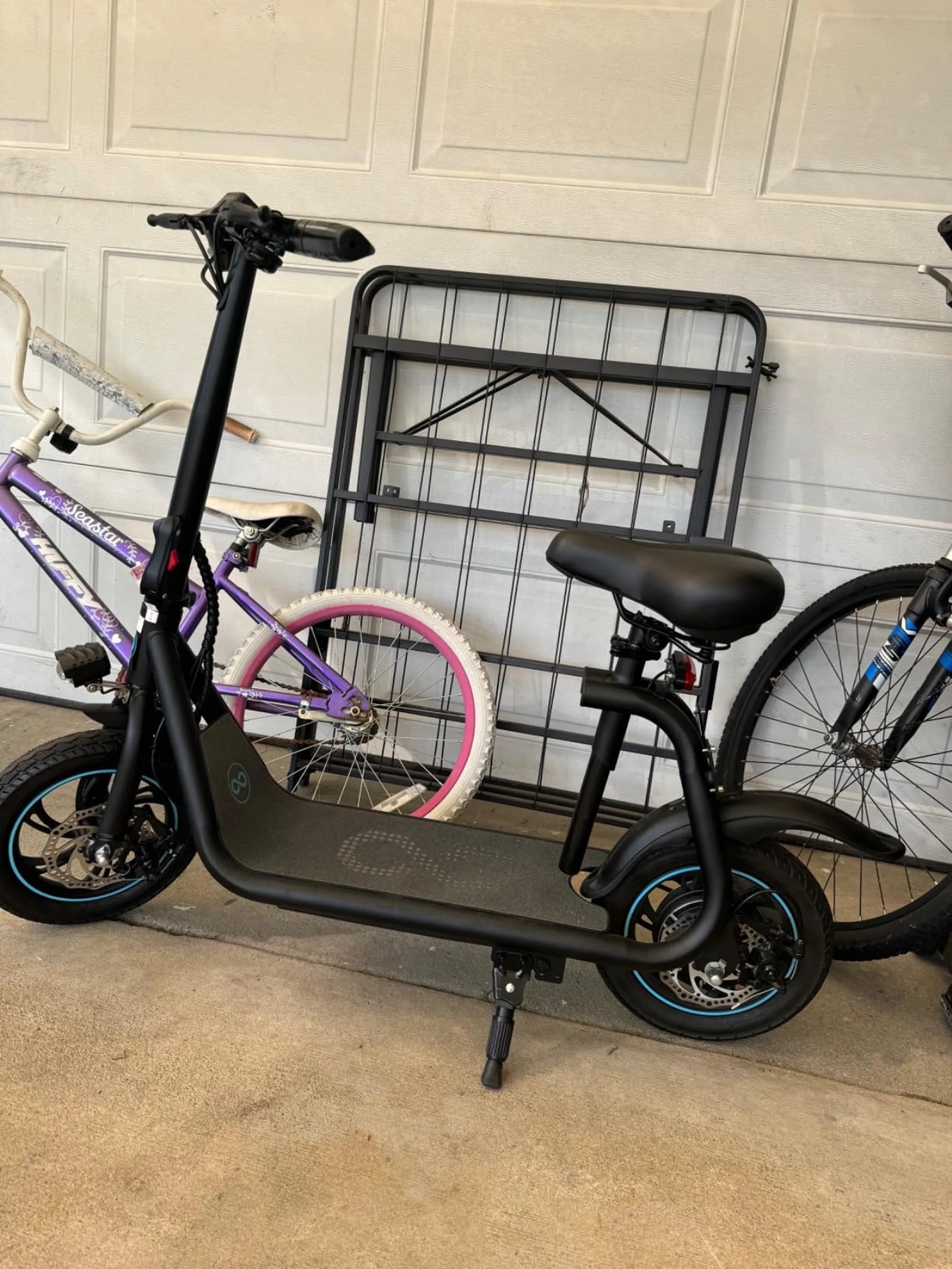
Diagnosing a Non-Starting Electric Scooter
You press the power button, and nothing happens. A scooter not turning on is a universal frustration that halts your commute, errands, or fun. Before assuming the worst, understand this is almost always a solvable problem. Modern electric scooters, especially those built with reliability in mind like Gyroor models, have multiple safety layers and diagnostic pathways. This guide provides a systematic, user-friendly approach to get you rolling again, leveraging the inherent durability of scooters designed with UL-certified batteries and comprehensive one-year warranties.
We will start with the simplest, most common fixes and progress to more complex electrical diagnostics. The goal is to empower you with knowledge, whether the issue is a loose cable, a battery in protection mode, or a component needing professional attention. By following this logical sequence, you can avoid unnecessary costs and downtime, and better understand the engineering that keeps you safe on the road.
The First Step: Basic Checks and Troubleshooting
Always begin with the most obvious solutions. Over 50% of "no power" issues are resolved at this stage, saving time and stress. This process builds confidence and ensures you don't overlook a simple fix before investigating deeper systems.
Start with a visual and physical inspection of your entire scooter. Look for any obvious signs of damage from a recent ride, such as a cracked deck, loose handlebar stem, or disconnected wires. Ensure the folding mechanism (if present) is fully locked and secure, as many scooters have safety cut-off switches that prevent power if not properly engaged.
Check the Power Source and Connections
Your first action should always be to verify the scooter's charge state. Connect the official charger to the scooter's charging port and then to a wall outlet. Observe the charger's LED indicator. A red light typically means charging is in progress, while green often indicates a full charge or a fault. If the LED does not light up at all, the issue may be with the wall outlet, the charger, or the scooter's charging port.
Ensure the charger cable is firmly seated in both the scooter's port and the wall socket. Wiggle the connections gently to check for looseness. Try a different, known-working wall outlet to eliminate power source problems. For Gyroor scooters, using the provided UL-certified charger is critical, as third-party chargers can lack proper communication protocols with the Battery Management System (BMS).
Inspect the Power Button and Display
The power button itself can be a point of failure. Check for physical damage, dirt, or moisture around the button. Press and hold the button firmly for 2-5 seconds, as a short press may not activate the system. Listen closely for any faint clicks or watch for a momentary flicker on the display, which can indicate low battery voltage.
If your scooter has a digital display, look for any faint backlighting or error code flashes when attempting to power on. Some models will display a specific error code (like E-01 or E-02) even with a blank main screen, offering a crucial clue. Consult your user manual for error code definitions to guide your next steps.
Common Culprits: Battery and Charging System Issues
The battery and its associated charging system are the heart of your electric scooter and the most frequent source of "no power" failures. A scooter not turning on is often a symptom of a battery-related protection mode or a failure in the energy delivery chain. Gyroor's use of UL 2271-certified battery packs adds a significant layer of safety and reliability, but all batteries require proper care.
Understanding how your scooter's power system works demystifies the troubleshooting process. The battery pack isn't just a simple cell; it contains a sophisticated Battery Management System (BMS) that monitors voltage, temperature, and current. This BMS can intentionally disconnect power to protect the battery from permanent damage, creating a "no power" scenario for the rider.
Understanding Battery Health and Protection Modes
The most common battery issue is deep discharge. If a scooter is stored for months without charge or used until completely dead, the battery voltage can drop below the BMS's safe operating threshold. In response, the BMS enters a protective sleep or lockout mode, disconnecting the output to prevent cell damage. The scooter will appear completely dead and may not respond to the charger immediately.
To wake a battery from this state, leave it connected to its official charger for an extended period—anywhere from 2 to 12 hours. Do not intermittently check it; allow the charger's trickle function to slowly raise the voltage back to the BMS's activation level. After this prolonged charge, attempt to power on the scooter. For long-term health, store your Gyroor scooter with a 50-80% charge in a cool, dry place.
Diagnosing Charger and Port Failures
A faulty charger can mimic a dead battery. If the charger LED shows green immediately upon plugging into the scooter (instead of red), it may indicate the charger is not detecting the battery or has an internal fault. Test the charger's output voltage with a multimeter if possible; it should match the rating on the charger's label (e.g., 42V or 52V).
Inspect the scooter's charging port meticulously. Look for bent or pushed-in pins, accumulated dirt, or corrosion. Use a flashlight and a wooden toothpick to gently clear any debris. A damaged port will prevent proper electrical contact, stopping the charging process entirely. Physical port damage often requires professional repair to ensure a waterproof seal is maintained, especially on IPX5-rated models.
Electrical and Component Diagnostics
If basic checks and battery diagnostics yield no results, the issue may lie within the scooter's internal electrical system. This includes fuses, wiring harnesses, the controller, and motor connections. Proceed with caution; while some checks are user-friendly, others are best left to professionals, a service fully supported by Gyroor's US-based customer support team and warranty network.
It's important to differentiate between user-serviceable parts and sealed components. Tampering with sealed electronics can void your warranty and create safety hazards. The following diagnostics focus on visual inspections and connection checks that do not require advanced disassembly.
Fuse and Wiring Inspection
Many electric scooters have an inline fuse on the main power line from the battery to the controller. Its location varies by model but is often found near the battery compartment or under the deck. Consult your manual. Visually inspect this fuse for a broken filament or a darkened, burnt appearance.
Next, conduct a careful visual scan of all accessible wiring. Look for wires that are pinched, cut, or have damaged insulation, particularly near folding points, the stem, and the wheel axles. Check that all connector plugs (often color-coded) are fully seated and locked. A loose connector between the battery and controller is a common, yet easily missed, fault.
Controller and Motor Connection Checks
The controller is the scooter's "brain," managing power from the battery to the motor. A controller failure will result in a complete lack of power. While users cannot typically repair a controller, you can check its external connections. Ensure the large, multi-pin connector from the battery and the phased connectors to the motor are secure.
Listen for any unusual sounds when attempting to power on. A faint hum or click from the controller area with no motor engagement can indicate the controller is receiving power but has an internal fault or is not communicating with the throttle/display. This level of diagnosis strongly suggests the need for professional service or a warranty claim.
When to Contact Support: Warranty and Professional Repair
Knowing when to stop DIY troubleshooting is as important as knowing how to start. If you've methodically checked connections, verified charger function, and attempted a battery wake-up cycle without success, it's time to engage professional support. This is not a failure but a smart step to protect your investment and safety.
Gyroor's design philosophy prioritizes rider support, backed by a robust one-year warranty and accessible customer service. Leveraging these resources ensures your scooter is repaired correctly with genuine, safety-certified parts, preserving its performance and longevity.
Leveraging Your Gyroor 1-Year Warranty
Gyroor offers a comprehensive one-year warranty covering manufacturing defects in key components like the battery, controller, and motor. The use of UL-certified components is not just a safety feature; it also streamlines warranty validation, as these parts meet stringent international testing standards. If your diagnostic points to a faulty battery pack or controller, the warranty is your best recourse.
To initiate a claim, gather your proof of purchase and the scooter's serial number. Contact Gyroor support through their official website. Be prepared to describe the symptoms and the troubleshooting steps you've already taken. This information helps support agents provide faster, more accurate solutions, which may include advanced troubleshooting, part shipment, or guidance to an authorized service center.
Seeking Professional Diagnostic Help
Certain scenarios unequivocally require a professional technician. These include suspected internal BMS failure, confirmed controller malfunction, hall sensor failure in the motor, or water damage that has breached the scooter's seals. While Gyroor scooters boast IPX5 water resistance against jets, submersion or extreme weather exposure can exceed this rating.
Professional repair centers have the tools—like advanced diagnostic computers and load testers—to pinpoint faults that are invisible to the naked eye. They can also perform repairs, such as replacing a single cell within a battery pack or reprogramming a controller, that are beyond the scope of home repair. Using authorized services guarantees the repair maintains the scooter's original safety certifications.
Comparison of Common "No Power" Issues and Solutions
| Symptom / Likely Cause | User-Friendly Fix | Professional Repair Needed? | Relative Frequency |
|---|---|---|---|
| Deeply Discharged Battery | Extended charge (2-12 hrs) with official charger. | No, unless battery is aged and won't hold charge. | Very High |
| Loose Power Connector | Check and reseat all cable connections under deck. | No. | High |
| Faulty Charger or Port | Test charger on different outlet; clean charging port. | Yes, for port replacement or charger repair. | Medium |
| Blown Main Fuse | Locate and visually inspect/replace fuse (if accessible). | No, if fuse is user-replaceable. | Low |
| Controller Failure | None. Check for loose controller connections. | Yes, always. Requires unit replacement. | Low |
| Internal BMS Fault | None. | Yes, requires specialized battery service. | Low |
Getting Back on the Road Safely
Diagnosing a scooter not turning on is a process of elimination, guided by logic and a basic understanding of your vehicle's systems. Start simple with connections and charging, then investigate the core power systems, and finally, utilize the professional support built into your purchase. This approach minimizes frustration and maximizes the chances of a swift resolution.
Ultimately, the reliability of your electric scooter begins with its design and components. Choosing a brand like Gyroor, committed to UL-certified batteries, IPX5 water-resistant construction, and backed by strong customer support, provides a foundation of safety and durability. Proper maintenance—regular charging, storage care, and visual inspections—will further prevent most "no power" issues, ensuring your scooter remains a dependable partner for your daily journeys.
FAQ: Quick Answers for a Scooter Not Turning On
Q1: My scooter was working yesterday but is completely dead today. What happened?
This is almost certainly a battery protection event. The most likely cause is that the battery was left in a very low state of charge, triggering the BMS to disconnect output to prevent damage. Leave the scooter on its official charger for an extended period (up to 12 hours) without interruption, then try to power it on.
Q2: The charger light is green when plugged into the scooter. Does that mean it's fully charged?
Not necessarily. A solid green light immediately upon connection can indicate a fault in the communication between the charger and the scooter's BMS. It could mean a problem with the charging port, the charger itself, or the BMS. Try a different power outlet first, then inspect the port for debris. If it persists, the charger or scooter needs professional diagnosis.
Q3: I see a small spark when plugging in the charger. Is this normal?
A single, tiny spark or pop at the moment of connection can be normal due to the initial inrush of current (capacitive load). However, if you see large, repeated sparks, hear a sustained crackling sound, or see smoke, disconnect immediately. This indicates a serious short circuit or fault, and you should stop all use and contact support.
Q4: My scooter got caught in heavy rain. Now it won't turn on, even though it's IPX5 rated.
IPX5 rating means protection against water jets from a nozzle, not against submersion or prolonged, driving rain. If the scooter was heavily soaked, power it off immediately. Do not attempt to charge it. Dry it thoroughly in a warm, dry place for at least 48 hours, with silica gel packs if possible. Then attempt to charge. If it fails, contact support. Note that water damage may not be covered under warranty if it exceeds the stated IP rating.
Q5: How can I prevent my scooter from not turning on in the future?
Follow these core maintenance tips: First, avoid deep discharges. Charge your scooter after use or when the battery drops below 30%. Second, for long-term storage (over a month), charge the battery to 50-80% and store in a cool, dry place. Third, perform periodic visual checks on cables, connectors, and the charging port for wear or debris. Finally, always use the manufacturer-provided, certified charger.
Ready for a scooter built with reliability and easy support in mind? Explore the full range of high-performance, UL-certified electric scooters and e-bikes designed for lasting enjoyment. Browse the full Gyroor collection at gyroorboard.com and ride with confidence.
E Dirt Bike Top Speed: The Ultimate Data-Driven Guide
Scooter Riding Tips: The Ultimate Guide to Safety, Skill, and Smart Riding