



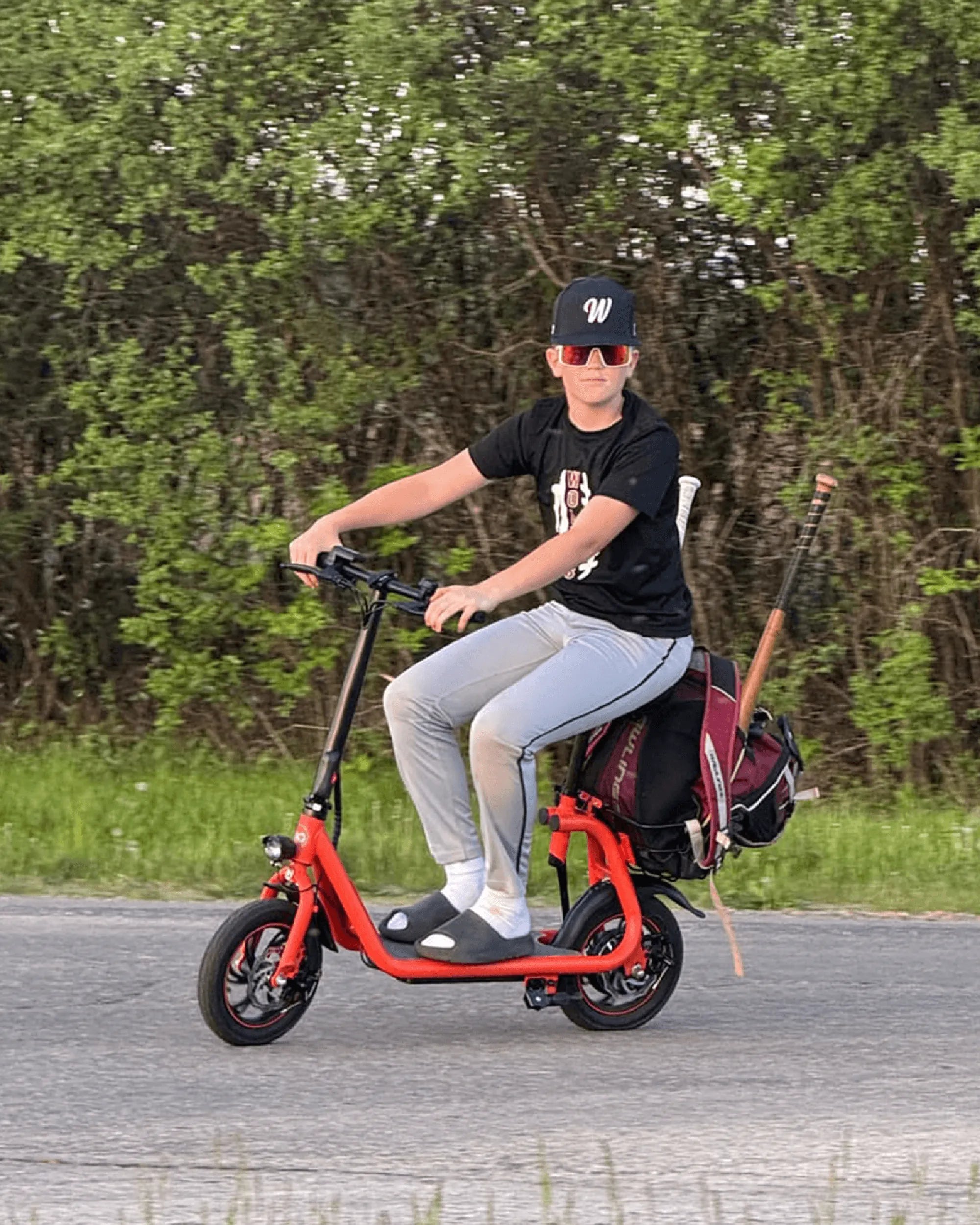
Whether you're a seasoned rider or a beginner, understanding the key scooter parts names and functions is crucial for maintaining your vehicle and ensuring a safe, enjoyable ride. From the engine to the brakes, every component plays a vital role in your scooter's performance. Let's dive into the details and explore how each part contributes to your two-wheeled adventure.
Engine and Transmission
The engine is the heart of your scooter, responsible for generating power and propelling you forward. Most scooters use a small but efficient internal combustion engine or an electric motor. Key engine components include:
- Cylinder and Piston: These work together to compress air and fuel, creating combustion that drives the scooter.
- Carburetor/Fuel Injector: Mixes air and fuel for optimal combustion in traditional engines.
- Spark Plug: Ignites the air-fuel mixture to start the combustion process.
The transmission transfers power from the engine to the wheels. Scooters typically use a Continuously Variable Transmission (CVT), which consists of:
- Drive Belt: Connects the engine pulley to the rear wheel pulley.
- Variator: Adjusts the gear ratio based on speed for smooth acceleration.
- Clutch: Engages and disengages power transmission to the rear wheel.
Frame and Suspension
The frame provides structural support and determines the scooter's overall stability. Common frame types include:
- Underbone Frame: Lightweight and common in most scooters.
- Monocoque Frame: Offers better rigidity and is often used in performance models.
Suspension systems absorb shocks from uneven terrain, ensuring a comfortable ride. Key components are:
- Front Fork: Connects the front wheel to the frame and provides shock absorption.
- Rear Shock Absorbers: Dampen vibrations from the rear wheel.
Wheels, Tires, and Brakes
Wheels and tires are critical for traction and handling. Scooter wheels are usually smaller than motorcycle wheels, making them agile in urban environments. Key aspects include:
- Tire Tread: Provides grip on various surfaces.
- Tire Pressure: Affects stability and fuel efficiency.
Braking systems ensure safety by slowing or stopping the scooter. Common types are:
- Disc Brakes: Offer strong stopping power and are common in modern scooters.
- Drum Brakes: Simpler and often found in budget-friendly models.
Electrical System
The electrical system powers lights, ignition, and other accessories. Key components include:
- Battery: Stores energy to start the engine and power electronics.
- Stator and Regulator: Generate and regulate electrical power while riding.
- Headlight and Taillight: Ensure visibility and safety during night rides.
Controls and Accessories
Scooter controls allow the rider to maneuver the vehicle efficiently. These include:
- Throttle: Controls engine speed and acceleration.
- Brake Levers: Activate the front and rear brakes.
- Mirrors: Provide rear visibility for safe lane changes.
Accessories like storage compartments, windshields, and footrests enhance comfort and convenience.
Now that you know the essential scooter parts names and functions, you're better equipped to maintain your ride and troubleshoot issues. Regular checks and proper care will keep your scooter running smoothly for years to come. Happy riding!
Mobility Scooter 400 lb Capacity: The Ultimate Guide to Heavy-Duty Freedom
Youth Dirt Bike Riding Gear: Essential Safety and Performance Tips