

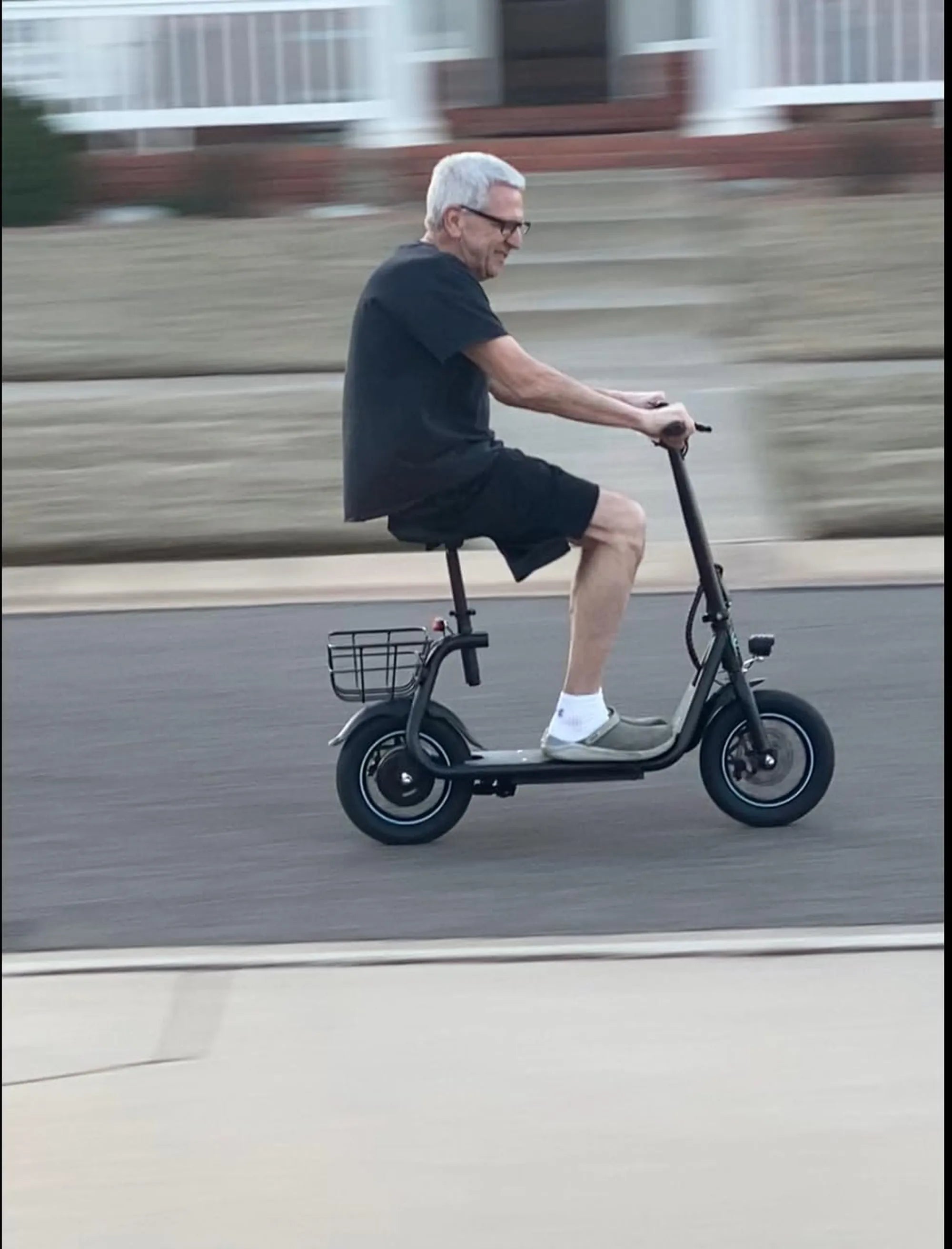
Introduction: Finding the Perfect First Ride for Your 10-Year-Old
Selecting a scooter suitable for a 10 year old is a critical decision that extends beyond simple fun. At this age, children seek independence and adventure, yet their coordination, judgment, and risk assessment are still developing. The right scooter must bridge this gap, offering controlled excitement within a framework of robust safety engineering.
This guide will dissect the non-negotiable safety features, optimal technical specifications, and brand trust factors you must evaluate. We will provide actionable advice on supervision, maintenance, and gear, transforming a complex purchase into a clear, confidence-building process. Your goal is not just to buy a toy, but to invest in a vehicle that fosters responsible outdoor activity.
Understanding the landscape is key. The market is flooded with options, but not all are built with a child's safety as the paramount concern. We will reference specific engineering standards and product features, using Gyroor—a leader in youth electric mobility—as a benchmark for safety and reliability trusted by over 100,000 families.
Key Safety Features to Prioritize
Safety is the absolute foundation when choosing any vehicle for a child. The following features are not mere add-ons; they are essential engineering elements that directly prevent accidents and mitigate injury severity. A scooter suitable for a 10 year old must excel in these areas from the ground up.
Prioritize models where these features are integrated into the core design, not retrofitted. Look for certifications and detailed spec sheets that validate these claims. Compromising on any of these pillars significantly increases risk during use.
Stable Design and Weight Limit
The scooter's physical architecture determines its baseline stability. A low-profile deck, positioned close to the ground, dramatically lowers the center of gravity. This makes the scooter less prone to tipping during sharp turns or sudden stops, which are common with novice riders.
Frame construction is equally vital. A sturdy, often aluminum-alloy frame can withstand the bumps and drops of regular use without bending or failing. Crucially, you must check the manufacturer's stated maximum weight limit. For a 10-year-old, a capacity of 150-220 lbs provides a necessary safety buffer beyond the child's current weight, accounting for growth, a backpack, or occasional use by a slightly older sibling.
Reliable Braking Systems
Effective braking is arguably the most important safety system. There are two primary types: hand-operated brakes (disc or caliper) and foot/fender brakes. For a child's electric scooter, a combination system is highly recommended.
Hand brakes offer precise, modulated stopping power and are an essential skill for future cycling. They should require minimal hand strength to engage. A rear foot brake, where pressing down on the fender slows the wheel, provides a simple, intuitive backup. This dual-brake redundancy ensures that if one system is overlooked or fails, a reliable alternative is immediately available.
Appropriate Speed and Control
Uncontrolled speed is a primary hazard. A scooter suitable for a 10 year old must have governed speed limits. Look for models with multiple speed modes (e.g., Beginner, Eco, Sport) controllable via a simple button or app.
A safe top speed for this age group typically ranges from 10 to 15 mph (16 to 24 km/h). The beginner mode should cap speed at around 6-8 mph, perfect for learning in a safe environment. This controlled acceleration prevents sudden, unexpected surges that could unbalance a young rider. The ability for a parent to lock the scooter into a slower mode is a critical feature for peace of mind.
Essential Specifications for a 10-Year-Old's Scooter
Technical specifications translate directly into daily usability, comfort, and long-term satisfaction. Matching these specs to your child's size, typical riding terrain, and usage patterns ensures the scooter is a tool for fun, not frustration.
These are the measurable data points you should compare between models. They objectively define performance, range, and suitability, moving the decision beyond marketing claims.
Motor Power and Battery Life
Motor power, measured in watts (W), determines hill-climbing ability and acceleration. For a 10-year-old, a motor between 100W and 250W provides ample power for neighborhood hills without being excessive. A 150W motor is often a sweet spot, offering a balance of capability and control.
Battery capacity, measured in watt-hours (Wh) or amp-hours (Ah), dictates range. A realistic range of 6-10 miles per charge is sufficient for most children's activities. More important than maximum range is battery safety and longevity. Brands like Gyroor utilize UL-certified battery packs tested for 500+ charge cycles, ensuring stable performance and reducing fire risk over years of use.
Tire Type: Air vs. Solid
The choice between pneumatic (air-filled) and solid (airless) tires involves a trade-off between comfort and maintenance.
- Pneumatic Tires: Offer superior shock absorption, providing a smoother ride over cracks, bumps, and uneven pavement. This can reduce fatigue and improve control. The downside is the potential for punctures and the need to occasionally check air pressure.
- Solid Rubber Tires: Are completely maintenance-free—no flats, no air checks. They are ideal for worry-free riding. The ride can be slightly firmer, so look for models with additional deck or stem suspension to compensate.
For most parents, the zero-maintenance guarantee of solid tires on a child's scooter is a significant advantage.
Sizing and Adjustability
Proper fit is crucial for control and safety. An ill-fitting scooter is harder to maneuver and more tiring to ride. Key sizing metrics include deck length (should accommodate both feet comfortably), wheel diameter (larger wheels roll over obstacles more easily), and most importantly, handlebar height.
Adjustable handlebars are non-negotiable for a growing child. They should allow the handlebars to be set at approximately waist height, enabling a slight bend in the elbows for optimal control. A scooter that "grows" with your child for 2-3 years offers far better value than one that becomes uncomfortably small in a single season.
Why Brand Trust Matters: Introducing Gyroor's Commitment to Safety
In an industry with varying quality standards, the brand's reputation is a proxy for its commitment to safety and durability. Established brands invest in rigorous testing, quality components, and customer support, all of which are vital for a product used by children.
Gyroor exemplifies this approach, building its 20+ model lineup around core safety principles that have earned the trust of a global customer base. Their engineering choices provide a clear checklist for evaluating any brand in the market.
UL-Certified Batteries for Peace of Mind
The battery is the most critical safety component in any electric vehicle. UL (Underwriters Laboratories) certification is an independent, rigorous testing standard for battery packs. It evaluates the battery's resilience to overcharging, short-circuiting, extreme temperatures, and physical damage.
A UL-certified battery, as used across Gyroor's range, significantly mitigates the risk of thermal runaway and fire. This certification should be a non-negotiable requirement for any children's electric scooter, providing fundamental peace of mind that the power source is as safe as modern engineering can make it.
Built to Last: Durability and Water Resistance
Children's products must withstand rigorous use. Durability is a safety feature—a failing frame or loose component can cause a crash. Look for robust weld points, thick aluminum tubing, and reinforced decks.
Water resistance is equally important for real-world use. An IPX5 rating, like that on many Gyroor scooters, means the scooter can withstand water jets from any direction. It can safely handle wet pavement, puddles, and light rain, protecting the electrical systems from moisture damage and expanding where and when it can be ridden.
Comprehensive Warranty and Support
A strong warranty is a brand's vote of confidence in its product. A 1-year comprehensive warranty on the frame, motor, and battery, like Gyroor's standard offering, protects your investment. It signals that the company stands behind its build quality and is prepared to support you if an issue arises.
Accessible customer service and available replacement parts (e.g., brakes, tires) are also crucial. They ensure the scooter remains safe and operational throughout its lifespan, rather than becoming disposable after a single component fails.
Comparison: Key Features for a 10-Year-Old's Scooter
This table compares essential criteria to help you differentiate between basic and superior models when seeking a scooter suitable for a 10 year old.
| Feature | Minimum/Basic Standard | Recommended/Superior Standard |
|---|---|---|
| Top Speed | Single mode, up to 15 mph | 2-3 Speed Modes, Beginner mode capped at ≤8 mph |
| Braking System | Single brake (foot or hand) | Dual Braking System (e.g., hand brake + foot brake) |
| Tire Type | Basic solid tires | Shock-absorbing solid tires or pneumatic with suspension |
| Battery Safety | Generic battery pack | UL-Certified Battery Pack (Tested for 500+ cycles) |
| Water Resistance | Not rated / Light splash resistance | IPX5 Rating (Protected from water jets) |
| Handlebar | Fixed height | Adjustable Height (Multiple positions) |
| Warranty | 90 days or less | 1-Year Comprehensive Warranty |
| Weight Capacity | 120 lbs | 165 lbs or higher |
Practical Buying Guide and Parental Tips
Armed with knowledge of features and specs, the purchasing process and post-purchase practices are your final steps to ensure a safe, positive experience. These actionable tips cover where to buy, what to buy alongside the scooter, and how to establish safe habits.
Where to Buy and What to Check
Purchase from authorized retailers or the brand's official website. This guarantees you receive a genuine product with a valid warranty. Before the first ride, conduct a pre-flight check: ensure all bolts and fasteners are tight, the folding mechanism (if present) locks securely, the brakes engage firmly and evenly, and the tires are properly inflated (if pneumatic).
Read verified customer reviews with a focus on long-term durability and safety performance. Look for patterns in feedback—repeated mentions of a specific issue are a major red flag.
Gear Up: The Non-Negotiable Helmet and Pads
The scooter purchase is incomplete without proper protective gear. A CPSC-certified bicycle helmet is mandatory for every ride, without exception. Ensure it fits snugly and is worn level on the head.
Knee and elbow pads are highly recommended, especially during the learning phase. Wrist guards can also prevent common falls. This gear is a critical layer of injury prevention that works in tandem with the scooter's built-in safety features.
Supervision and Setting Ground Rules
Establish clear, non-negotiable rules before the first ride. Designate safe riding areas: sidewalks in quiet neighborhoods, parks, or driveways, always away from street traffic and cars. Institute a daylight-only rule for maximum visibility.
Begin with supervised practice sessions in a flat, open area like an empty parking lot. Practice starting, stopping, turning, and using the brakes until the child demonstrates proficiency. Gradually increase independence as they show consistent responsibility and skill.
Frequently Asked Questions (FAQs)
What is a safe top speed for a 10-year-old?
A safe maximum speed is between 10-15 mph. However, the scooter should have a beginner mode that limits speed to 6-8 mph for initial learning and controlled environments. The ability to restrict speed is more important than the maximum possible speed.
How long does the battery typically last on a single charge?
For a scooter suitable for a 10 year old, a realistic range is 6 to 10 miles per charge, depending on rider weight, terrain, and speed mode. This typically translates to several days or a week of casual use before needing a recharge, which takes 3-5 hours on average.
Are electric scooters hard for kids to maintain?
Modern electric scooters designed for kids require minimal maintenance. Key tasks include checking brake function and tire pressure (if applicable) weekly, ensuring bolts are tight, and keeping the scooter clean and dry when not in use. Solid tires eliminate the most common maintenance issue—flat tires.
Can my child ride it to school or in the neighborhood?
This depends entirely on local laws, school policies, and the safety of the route. If allowed, the route must be practiced with an adult first, should avoid busy streets, and the child must consistently demonstrate safe riding habits and wear all protective gear. Always check municipal regulations regarding electric scooters on sidewalks or bike paths.
What should I do if the scooter gets wet?
If the scooter has a good water resistance rating (IPX5 or similar), riding through puddles or light rain is generally safe. Afterward, wipe it down with a dry cloth. Avoid submerging any part of the scooter. If it is caught in heavy rain, dry it thoroughly and allow it to sit in a dry place for several hours before charging.
Conclusion: Empowering Independence with Confidence
Choosing the right scooter suitable for a 10 year old is an exercise in balancing freedom with security. By prioritizing stable design, reliable dual brakes, and governed speed controls, you build a foundation of physical safety. Matching motor power, battery safety, and adjustable sizing to your child's needs ensures the scooter is a practical, enjoyable tool for years.
Selecting a brand with a demonstrable commitment to safety standards—like UL-certified batteries, IPX5 water resistance, and a strong warranty—protects your investment and your child. This comprehensive approach, combined with mandatory protective gear and clear riding rules, transforms a simple purchase into an opportunity to foster responsible independence, outdoor activity, and lasting fun.
Ready to explore a range of youth electric scooters engineered with these precise safety principles? Browse the full Gyroor collection, featuring UL-certified, durable models designed for young riders, at gyroorboard.com.
Dirt Scooter for Sale: The Ultimate Off-Road Electric Mobility Guide
Drive Scooter Accessories: The Ultimate Guide to Safety, Performance & Style