


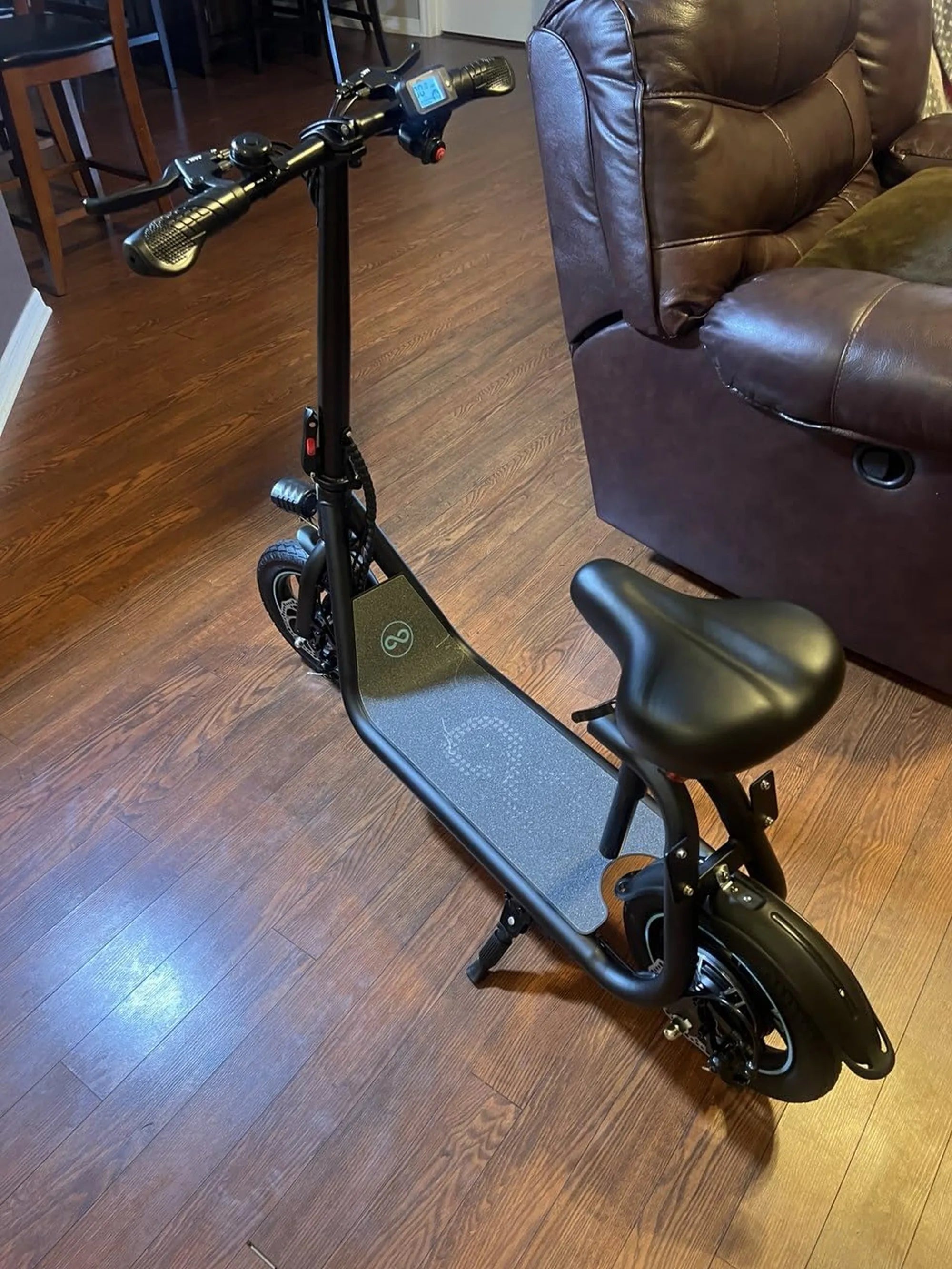
Introduction to Scooter Troubleshooting
Your electric scooter suddenly refuses to start, makes an alarming noise, or loses power mid-ride. This moment of frustration is familiar to many riders. Effective scooter troubleshooting transforms this frustration into empowerment, saving you time, money, and getting you back on the road faster. This guide is your practical manual for diagnosing and fixing the most common electric scooter problems.
We will walk you through user-serviceable fixes, explain when to seek professional help, and provide a robust preventive maintenance routine. As a leading electric scooter and e-bike brand trusted by over 100,000 riders across North America and Europe, Gyroor designs its UL-certified, IPX5 water-resistant scooters for reliability. However, understanding basic scooter troubleshooting is key to maximizing your vehicle's lifespan and safety.
Common Electric Scooter Problems and Immediate Fixes
Most scooter issues stem from a handful of common, often easily rectifiable causes. Before assuming the worst, run through these fundamental scooter troubleshooting steps. They resolve a significant percentage of problems without tools or technical expertise.
Scooter Won't Turn On (No Power)
A completely unresponsive scooter is a primary concern. The scooter troubleshooting process here is logical. First, ensure the power button is firmly pressed and held for 2-3 seconds. Confirm the scooter is charged by checking the display or charger indicator light.
If the scooter was recently charged, verify the battery connection. For models with removable batteries, ensure it is clicked securely into place. Loose connections can interrupt power flow. Gyroor scooters utilize UL-certified battery packs for safety, but physical seating is crucial.
Finally, inspect the charger and charging port for debris or damage. Try a different wall outlet. If these steps fail, the issue may lie deeper within the battery or main power circuit, requiring advanced diagnostics.
Scooter Loses Power Suddenly or Has Reduced Speed
Intermittent power loss or a noticeable drop in top speed is a frequent scooter troubleshooting scenario. The most common culprit is a low battery. As the battery depletes, voltage drops, and the controller reduces power to protect the battery cells.
Check your speed mode. Many scooters, including Gyroor models, have eco, normal, and sport modes. Ensure you haven't accidentally switched to a lower speed setting. Overheating can also cause temporary power reduction; allow the motor and controller to cool for 15-20 minutes.
For persistent issues, inspect for physical resistance. Under-inflated tires or dragging brakes force the motor to work harder, mimicking a power loss. A quick visual check of wiring around the stem and deck for pinches or cuts is also wise.
Braking Issues: Squeaking, Weak Stopping, or Dragging
Brake problems are critical for safety and a common focus of scooter troubleshooting. Squeaking disc brakes often indicate dirty rotors or worn pads. Clean the rotor with isopropyl alcohol and check pad thickness.
Weak braking power usually means the brake calipers need adjustment or the pads are worn out. For mechanical disc brakes, you can often tighten the cable via the barrel adjuster. For hydraulic or electronic brakes, inspection of fluid lines or sensor alignment may be needed.
A dragging brake, where the scooter feels sluggish and the brake disc is hot to the touch, suggests a misaligned or stuck caliper. Loosen the caliper mounting bolts, squeeze the brake lever to center the caliper, and re-tighten the bolts. Regular brake checks should be part of your pre-ride routine.
Strange Noises: Clicking, Grinding, or Rattling
Unusual sounds are valuable diagnostic clues in scooter troubleshooting. A rhythmic clicking while rolling often points to a foreign object stuck in the tire tread or a loose fender rubbing the wheel.
Grinding noises from the wheel hub typically indicate a problem with the motor bearings or, in rare cases, internal motor damage. A persistent metallic grind requires professional assessment. Rattling sounds usually mean something is loose.
Systematically check and tighten all visible bolts, especially on the stem, handlebars, fenders, and deck. Use the manufacturer's recommended torque if possible. Loose folding mechanisms are a prime source of rattles and can be a safety hazard if not addressed.
Flashing Error Codes on the Display
Modern scooters communicate problems through error codes. When a code flashes, consult your user manual immediately; it is the definitive guide for model-specific scooter troubleshooting. Common codes across brands often relate to throttle, brake, motor, or controller faults.
For example, a throttle error (often E-01 or E-02) suggests a disconnected or faulty throttle sensor. A motor hall sensor error (often E-08 or E-09) points to a wiring issue between the motor and controller. A controller communication error indicates a main system fault.
For Gyroor scooter owners, the manual provides specific code definitions. If the issue persists after a basic power cycle (turning the scooter off and on), contact Gyroor support with the exact error code for targeted assistance under your 1-year warranty.
Advanced Diagnostics: When to Dig Deeper
When basic scooter troubleshooting fails, the problem may be internal. Working on electrical systems requires caution. Always disconnect the battery before inspecting wiring, and consider your warranty—opening sealed components may void it.
Electrical System and Wiring Checks
Begin with a visual inspection of all accessible wiring harnesses. Look for cuts, abrasions, or pinched wires, especially near folding points and steering stems. Check that connectors are fully seated and free of corrosion.
For those with technical skills, a multimeter is invaluable. You can test the battery's output voltage at the terminals to see if it matches the rated voltage. A significant drop under load indicates a failing battery pack. Test continuity in wires and check throttle and brake sensor outputs.
Remember, Gyroor's UL-certified batteries are complex assemblies. Internal cell failures require professional service. Attempting to open the battery pack is dangerous and voids the warranty and safety certifications.
Motor and Controller Issues
The motor and controller are the scooter's heart and brain. Symptoms of a failing motor include jerking movements, complete loss of power under load, or unusual resistance when pushing the scooter unpowered.
A faulty controller may cause erratic behavior: random acceleration, failure to start, or cutting out. It can also trigger multiple error codes. These components are not typically user-serviceable.
Due to the complexity and safety risks involved with high-current electronics, scooter troubleshooting for motor or controller failure should end with a call to the manufacturer. Gyroor's support team can often diagnose these issues remotely and facilitate a repair under warranty.
Tire and Suspension Maintenance
Flat tires are an inevitable part of riding. For solid tires, damage is rare but catastrophic. For pneumatic (air-filled) tires, carry a portable pump and puncture sealant. Small punctures can often be sealed on the go with sealant injected through the valve.
For larger punctures or torn valves, tube replacement is necessary. This requires removing the wheel, which can be intricate on electric scooters due to motor wiring. Refer to your model's service manual. Ensure the tire is properly seated on the rim to avoid blowouts.
Suspension issues manifest as knocking sounds or a loss of damping. Check all suspension linkage bolts for tightness. For spring or hydraulic shocks, look for oil leaks. Worn suspension components compromise ride comfort and control, especially on rough terrain.
Preventive Maintenance: Your Best Troubleshooting Tool
The most effective form of scooter troubleshooting is preventing problems before they start. A simple, regular maintenance routine drastically reduces breakdowns and extends your scooter's life.
The Pre-Ride Checklist
Develop a habit of a 60-second pre-ride inspection. Check tire pressure with a gauge; under-inflation is a top cause of flats and reduced range. Squeeze brake levers to ensure they engage firmly and don't touch the handlebars.
Test your headlight, taillight, and brake light. Visually inspect for any new cracks or loose parts, particularly in the stem and folding mechanism. A quick check takes moments but can prevent accidents and major repairs.
Battery Care for Longevity
Proper battery care is the cornerstone of electric scooter longevity. Avoid regularly draining the battery to 0%. Try to recharge when it reaches 20-30%. Similarly, don't leave it plugged in at 100% for days on end.
For long-term storage (over a month), charge the battery to 40-80% and store in a cool, dry place. Extreme heat and cold degrade lithium-ion cells. Always use the official Gyroor charger designed for your model's UL-certified battery to ensure correct voltage and current.
Post-Ride Care and Seasonal Storage
After riding in wet or dirty conditions, wipe down your scooter with a damp cloth. The IPX5 rating on Gyroor scooters protects against water jets, but gentle cleaning prevents grit from damaging moving parts. Avoid high-pressure hoses.
Periodically lubricate the folding mechanism with a dry lubricant like silicone spray. Check and re-tighten bolts every few weeks, as vibrations can loosen them. For seasonal storage, perform a full cleaning, follow the battery storage protocol, and store the scooter off the ground in a dry place.
Comparison of Common Scooter Issues by Likely Cause
This table helps quickly narrow down potential causes during your scooter troubleshooting process.
| Symptom | Most Likely Cause | Secondary Cause | Advanced/Fault Cause |
|---|---|---|---|
| No Power / Won't Turn On | Dead battery, Loose power connection | Faulty power button, Blown fuse | Failed battery pack, Controller failure |
| Sudden Power Loss | Low battery voltage, Overheating protection | Loose wire (often in stem), Faulty throttle | Motor hall sensor failure, Controller fault |
| Squeaking Brakes | Dirty brake rotors/pads | Worn brake pads, Glazed pads | Misaligned caliper, Warped rotor |
| Clicking/Rattling Noise | Loose bolt or fender | Debris in tire tread | Worn wheel bearing, Loose motor magnets |
| Reduced Range | Low tire pressure, Riding style/terrain | Old battery (reduced capacity), Dragging brake | Battery cell imbalance, Faulty BMS |
FAQ: Quick Answers to Frequent Scooter Queries
Q: Is it safe to ride my Gyroor scooter in the rain?
A: Gyroor scooters feature an IPX5 water-resistance rating. This means they are protected against water jets from any direction, making them safe for riding in light rain and through puddles. However, you should avoid submerging any part of the scooter, riding in heavy downpours, or through deep standing water. Always dry the scooter after wet rides.
Q: My scooter's range has decreased significantly. Is the battery faulty?
A: Not necessarily. Range is affected by rider weight, terrain, tire pressure, temperature, and riding style (frequent acceleration). Before assuming battery fault, ensure tires are fully inflated and brakes aren't dragging. Lithium batteries naturally degrade over time; after 500+ charge cycles, some capacity loss is normal. For a diagnostic, contact Gyroor support.
Q: Can I use a faster charger or a different brand's charger with my Gyroor scooter?
A: We strongly advise against it. Using a non-OEM charger can deliver incorrect voltage or current, potentially damaging the UL-certified battery pack, causing overheating, and voiding the warranty. Always use the provided Gyroor charger to ensure safety and longevity.
Q: How often should I perform maintenance on my electric scooter?
A: Perform a basic pre-ride check before every use. A more thorough inspection—checking bolt tightness, brake pad wear, and tire condition—should be done every 1-2 weeks for regular riders. Deep cleaning and lubrication of moving parts can be done monthly or after particularly dirty rides.
Q: What does my 1-year warranty from Gyroor cover?
A: Gyroor's comprehensive warranty typically covers defects in materials and workmanship for the frame, motor, controller, and battery for one year from purchase. It does not cover damage from accidents, misuse, neglect, or unauthorized modifications. Always register your product and contact support for warranty claims.
Conclusion: Ride with Confidence and Support
Mastering basic scooter troubleshooting empowers you to handle the majority of common issues, ensuring less downtime and more riding enjoyment. From checking a loose bolt to understanding error codes, this knowledge makes you a more informed and safer rider. Remember, preventive maintenance is the most powerful tool you have.
For problems beyond your comfort zone, especially those involving the electrical heart of your scooter, Gyroor's commitment to rider safety and satisfaction stands behind you. With UL-certified batteries, robust IPX5 construction, and a reliable 1-year warranty backed by knowledgeable support, you can tackle any journey with greater peace of mind. Keep this guide handy, perform your regular checks, and enjoy the freedom of the ride.
Ready to explore a reliable ride designed with durability in mind? Browse the full Gyroor collection of electric scooters and e-bikes at gyroorboard.com.
Ebike 250 Watt: The Ultimate Guide to Legal, Efficient Urban Mobility
Portable Bike Helmet: The Complete Guide to Safety & Convenience