

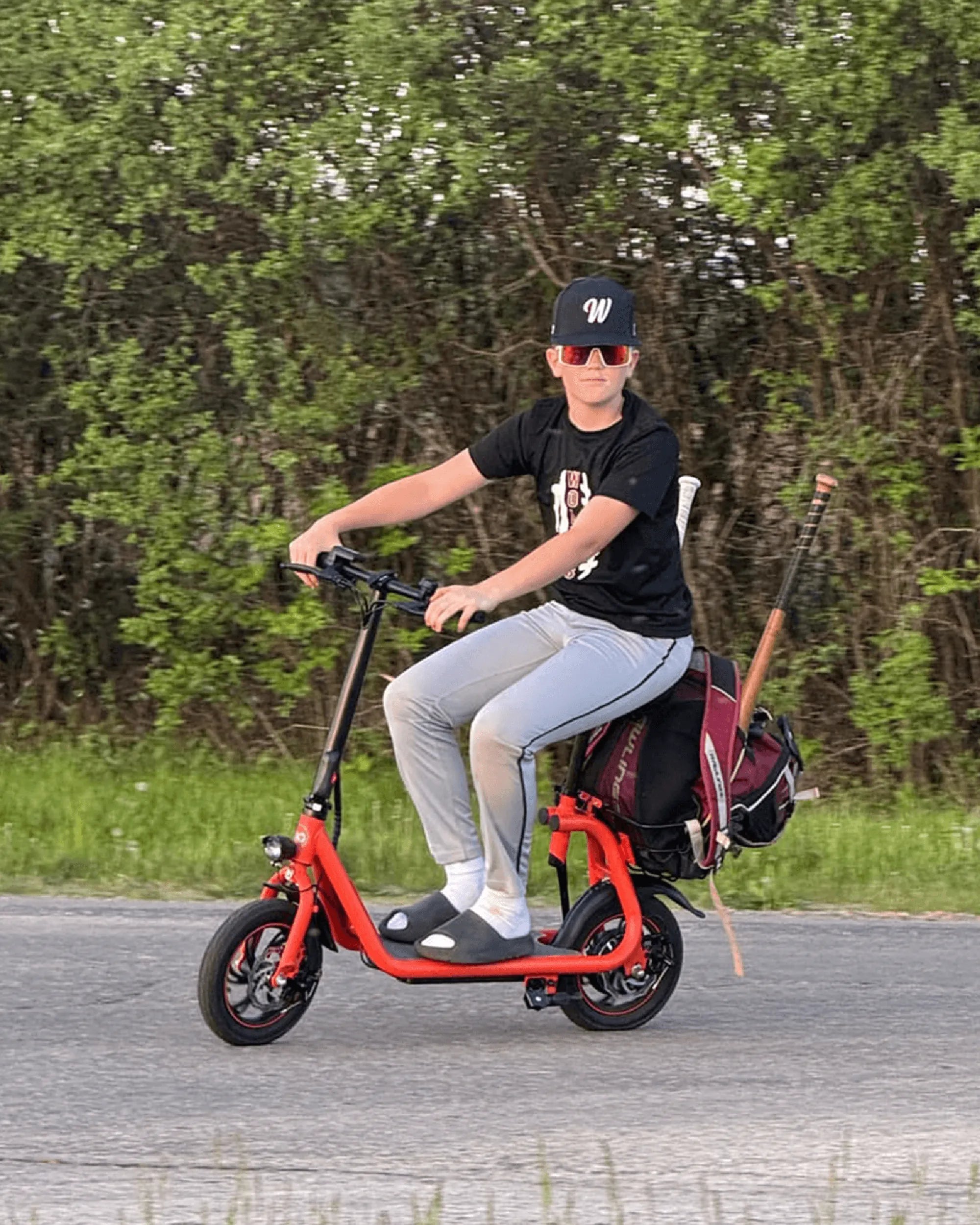
When it comes to choosing the perfect scooter, weight is a critical factor that often gets overlooked. Whether you're commuting, running errands, or just enjoying a leisurely ride, the weight of your scooter can make or break your experience. From portability to performance, let’s dive into why scooter weight matters and how to find the right balance for your needs.
Why Scooter Weight Matters
The weight of a scooter influences several key aspects of your ride. A heavier scooter may offer more stability and durability, while a lighter one is easier to carry and maneuver. Here’s a breakdown of how weight affects your scooter experience:
- Portability: Lighter scooters are easier to fold and carry, making them ideal for commuters who need to take their scooter on public transport or up stairs.
- Speed and Acceleration: Heavier scooters may have slower acceleration but can maintain higher speeds more steadily, while lighter models are quicker off the mark.
- Battery Life: Weight impacts energy consumption—heavier scooters may drain the battery faster, reducing your range per charge.
- Safety and Stability: A heavier scooter can feel more stable at high speeds or on rough terrain, while a lighter one might be more prone to wobbling.
Finding the Right Scooter Weight for You
Your ideal scooter weight depends on how you plan to use it. Here’s a quick guide to help you decide:
| Use Case | Recommended Weight Range |
|---|---|
| Commuting (with frequent carrying) | 20-30 lbs |
| Long-distance rides | 30-50 lbs |
| Off-road or high-speed use | 50+ lbs |
Lightweight vs. Heavyweight Scooters: Pros and Cons
To help you weigh your options (pun intended), here’s a comparison of lightweight and heavyweight scooters:
Lightweight Scooters (Under 30 lbs)
Pros:
- Easy to carry and store
- Great for short commutes
- Quick acceleration
Cons:
- Less stable at high speeds
- Shorter battery life if pushed too hard
- May feel flimsy on rough roads
Heavyweight Scooters (Over 50 lbs)
Pros:
- Superior stability and durability
- Better for rough terrain
- Often equipped with more powerful motors
Cons:
- Difficult to carry or transport
- Slower acceleration
- Higher energy consumption
How to Test a Scooter’s Weight Before Buying
If possible, try lifting and maneuvering a scooter before purchasing. Here’s what to check:
- Can you comfortably carry it up a flight of stairs?
- Does it feel stable when riding at your usual speed?
- Is the folding mechanism easy to use, even with the weight?
Remember, the best scooter weight is the one that fits your lifestyle—whether that means easy portability or rock-solid stability. Don’t let a few extra pounds (or the lack of them) steer you wrong!
Ready to find your perfect ride? Whether you prioritize speed, portability, or rugged durability, understanding scooter weight is the first step to a smoother, more enjoyable journey. Choose wisely, and happy scooting!
High Power Ebike: The Ultimate Guide to Performance and Adventure
Dirt Bike Accessories: Essential Gear for Every Rider