



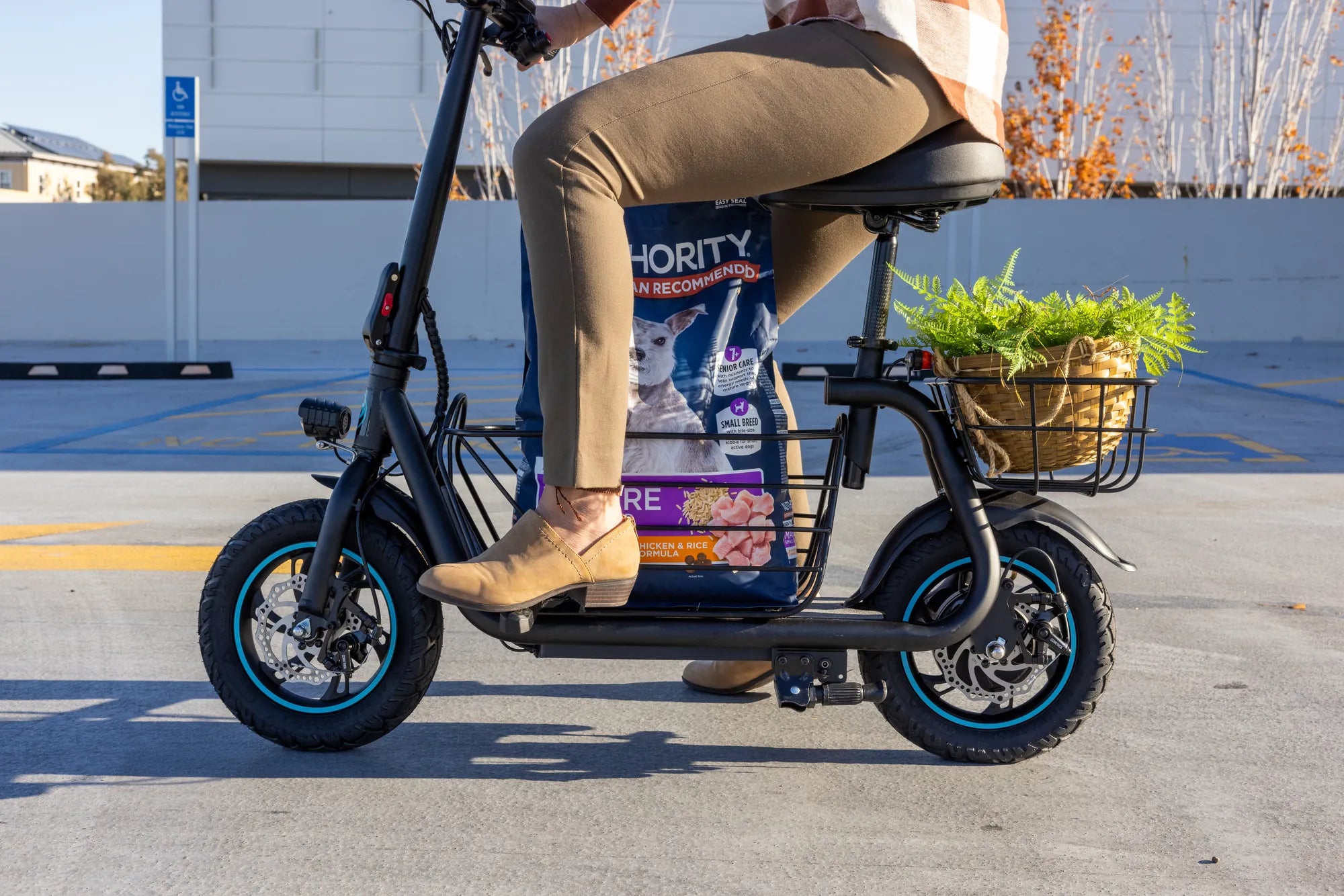
Imagine gliding over bumpy streets or rough terrain without feeling every jolt and vibration. A scooter with suspension transforms your ride from a jarring experience into a smooth, comfortable journey. Whether you're navigating city potholes or exploring off-road trails, suspension systems make all the difference. In this comprehensive guide, we'll dive into why suspension matters, the different types available, and how to choose the best scooter for your needs.
Why Choose a Scooter with Suspension?
Riding a scooter without suspension can be exhausting, especially on uneven surfaces. Every bump and crack in the road sends shocks through your body, leading to discomfort and fatigue. A scooter with suspension absorbs these impacts, providing a smoother ride and reducing strain on your joints. This is particularly important for longer commutes or adventurous rides where stability and comfort are key.
Types of Suspension Systems
Not all suspension systems are created equal. Here are the most common types you'll find in scooters:
Spring Suspension
Spring-based systems are the most basic and affordable option. They use coiled springs to absorb shocks and are often found in entry-level scooters. While they improve ride quality, they may not handle extreme terrain as effectively as more advanced systems.
Hydraulic Suspension
Hydraulic systems use fluid-filled chambers to dampen vibrations. They offer a more refined ride compared to spring suspensions and are ideal for urban commuters who encounter varied road conditions.
Air Suspension
Air suspensions provide adjustable ride comfort by using pressurized air. These systems are highly customizable, allowing riders to fine-tune their scooter's performance based on weight and terrain. They're often found in high-end models.
Key Features to Look For
When shopping for a scooter with suspension, consider these essential features:
- Adjustability: Some suspensions allow you to adjust stiffness or rebound to match your riding style.
- Durability: Look for robust materials like aluminum or steel that can withstand frequent use.
- Weight Capacity: Ensure the suspension can support your weight plus any cargo you might carry.
- Terrain Compatibility: Choose a system suited to your typical riding environment—city streets, trails, or both.
Benefits Beyond Comfort
A scooter with suspension isn't just about comfort—it also enhances safety and performance. By keeping the wheels in contact with the ground, suspension improves traction and control, especially at higher speeds or on slippery surfaces. Additionally, reducing vibrations minimizes wear and tear on the scooter's components, extending its lifespan.
Who Should Ride a Scooter with Suspension?
While anyone can benefit from a smoother ride, certain riders will find suspension particularly valuable:
- Daily Commuters: If you ride to work or school, suspension can make your journey more enjoyable.
- Off-Road Enthusiasts: Rough terrain demands a robust suspension system for stability and control.
- Older Riders or Those with Joint Issues: Reduced impact means less stress on knees and ankles.
Maintenance Tips for Longevity
To keep your scooter with suspension performing at its best, follow these maintenance tips:
- Regularly inspect suspension components for signs of wear or damage.
- Clean and lubricate moving parts to prevent rust and ensure smooth operation.
- Check tire pressure frequently, as underinflated tires can strain the suspension.
Ready to elevate your riding experience? A scooter with suspension offers unmatched comfort, safety, and versatility, whether you're cruising through the city or tackling rugged trails. Don't settle for a rough ride—upgrade to a smoother, more enjoyable journey today!
E Scooter Under 70000: The Ultimate Guide to Affordable and Efficient Commuting
Electric Bike for Teens: The Ultimate Guide to Safe and Fun Riding