


Introduction: Redefining the Last Mile with Smart, Agile Transport
Imagine a commute free from traffic jams, parking fees, and crowded buses. The self balancing smart electric mini scooter skateboard is transforming this vision into a daily reality for urban dwellers. This device directly addresses the most inefficient segment of urban travel: the last mile. It represents the intersection of advanced gyroscopic technology, compact portability, and sustainable electric power, creating a seamless extension of personal mobility.
For over 100,000 riders across North America and Europe, brands like Gyroor have demonstrated that reliability and safety are non-negotiable in this exciting category. This article will dissect the technology, compare its utility against other transport modes, and provide a comprehensive guide to mastering your ride. You will learn how this device integrates into multi-modal commutes, its practical advantages, and the engineering that makes a safe, enjoyable experience possible.
What is a Self-Balancing Smart Electric Mini Scooter Skateboard?
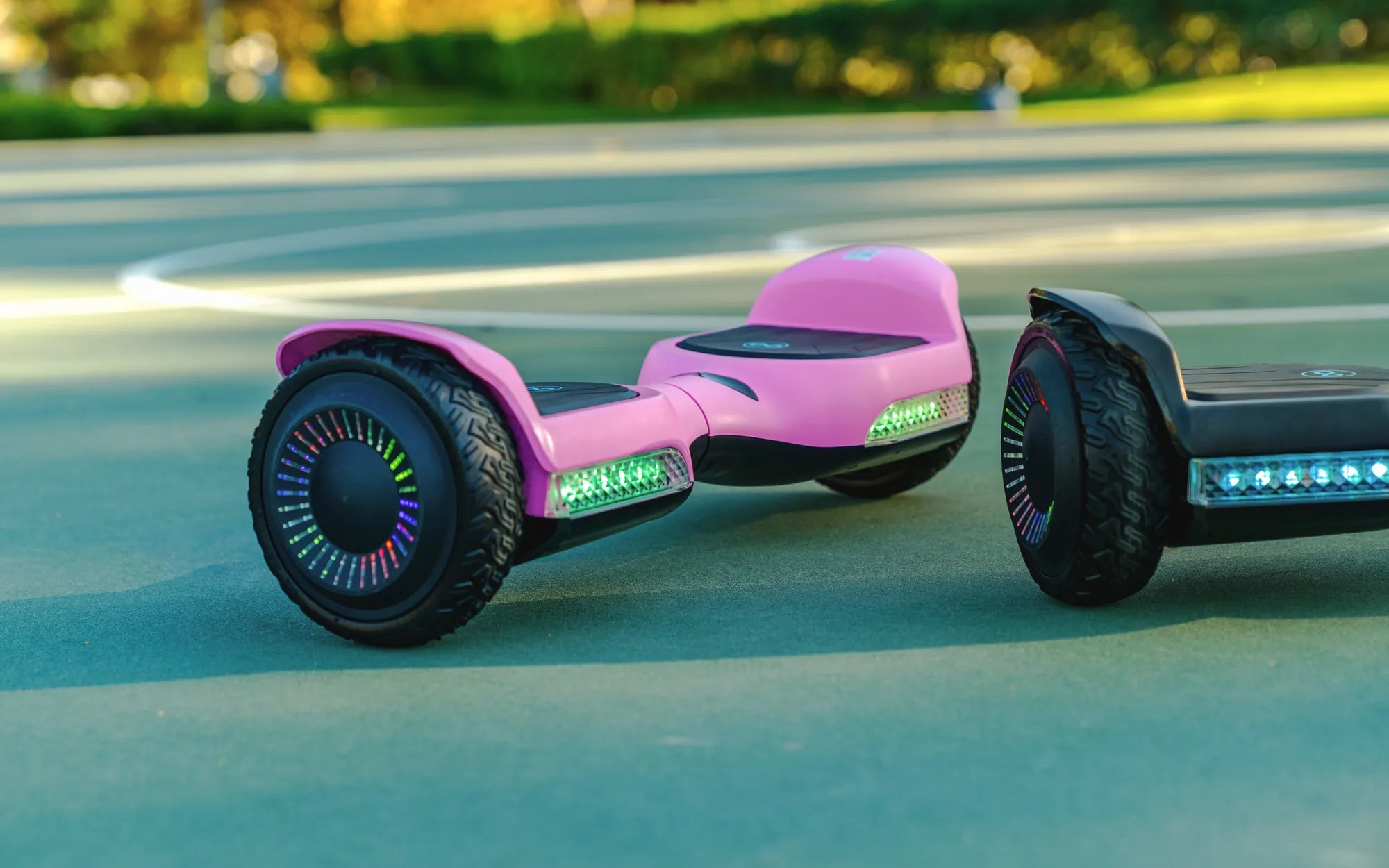
A self-balancing smart electric mini scooter skateboard is a compact, electric-powered personal transporter. It typically consists of two motorized wheels connected by a platform, with no handlebars. Riders stand on pressure-sensitive footpads, and the device uses internal gyroscopic sensors and accelerometers to automatically maintain balance forward, backward, and while turning.
The "smart" component refers to the integrated control system. This system processes rider lean input hundreds of times per second, adjusting motor power to each wheel independently for precise control and stability. This hands-free operation is the core differentiator from traditional kick scooters or electric skateboards.
Its defining characteristic is extreme portability. Most models weigh between 20-30 pounds, feature a compact footprint, and are designed for easy carrying. This makes them ideal for combining with public transit, storing under a desk, or carrying into a cafe, effectively solving the "last-mile" problem that plagues urban commutes.
The Gyroor Advantage: Engineering Trust in a Compact Package
In a market filled with varying quality, Gyroor's approach centers on building rider confidence through verifiable engineering standards. Trust is built on three pillars: battery safety, environmental durability, and warranty-backed reliability. These are not just marketing terms but critical specifications that impact daily use and long-term ownership.
With a product range of over 20 models, Gyroor's expertise in micro-mobility translates directly into their scooter skateboard designs. The focus on UL-certified components, water-resistant construction, and a clear 1-year warranty addresses the primary concerns of new and experienced riders alike. This foundation allows users to focus on the freedom of the ride rather than worrying about device failure or safety hazards.
UL-Certified Batteries: Your Safety is Non-Negotiable
The lithium-ion battery is the heart of any electric vehicle, and its safety is paramount. A UL certification means the battery pack has undergone rigorous independent testing by Underwriters Laboratories for electrical, mechanical, and environmental safety. This includes tests for overcharging, short-circuiting, and thermal stability.
For a device often stored in homes, offices, or cars, this certification is crucial. It ensures the battery management system (BMS) will reliably prevent dangerous conditions. Gyroor's use of UL-certified battery packs, tested for 500+ charge cycles, provides peace of mind regarding fire risk and long-term performance degradation, a significant concern with uncertified alternatives.
Built for the Real World: The Meaning of IPX5 Water Resistance
Urban commuting means encountering puddles, rain, and road spray. An IPX5 water resistance rating is a practical specification for this environment. It certifies the device can withstand water jets (6.3mm nozzle) from any direction without harmful ingress.
In daily use, this translates to protection against splashes from wet roads, light rain, and accidental sprays. It is vital for protecting internal electronics and motors. However, it is not a waterproof rating; the device should not be submerged or ridden through deep standing water. This realistic rating allows for confident use in common conditions while setting clear boundaries for care.
Why Choose This Over Other Micro-Mobility Options? A Data-Driven Comparison
Selecting the right micro-mobility device depends on your specific commute, storage options, and desired experience. The following table provides a clear, objective comparison based on key parameters.
| Feature | Self-Balancing Scooter Skateboard | Traditional Electric Scooter | Electric Bike | Public Transport (Only) |
|---|---|---|---|---|
| Portability (Weight/Size) | Excellent (20-30 lbs, most compact) | Good (Folds, but often 30+ lbs) | Poor (Heavy, large footprint) | N/A |
| Learning Curve | Moderate (30-60 min for basics) | Low (Intuitive, like a bicycle) | Low (Like a regular bike) | None |
| Storage Convenience | Fits under desk, in trunk easily | Requires dedicated space when folded | Needs bike rack or significant space | N/A |
| Typical Range | 10-15 miles | 15-25 miles | 20-50+ miles | Route-dependent |
| Max Speed | 10-12 mph | 15-20 mph | 20-28 mph | N/A |
| Multi-Modal Integration | Excellent (Easy to carry on bus/train) | Good (Can be rolled when folded) | Poor (Often not allowed on transit) | N/A |
| Primary Use Case | Last-mile connector, short urban trips | Medium-length direct commutes | Longer commutes, recreational exercise | Fixed-route travel |
Vs. Traditional Electric Scooters
The key differentiator is the hands-free, intuitive control of the self-balancing scooter skateboard versus the handlebar-based operation of a traditional e-scooter. While e-scooters often have longer range and higher speed, they are typically heavier and less agile in dense pedestrian areas.
The scooter skateboard's superior portability is its winning feature. It can be carried with one hand and stored in minimal space, making it a true "carry-on" companion for mixed-mode commutes. For the rider who values ultimate convenience and a unique, engaging ride over pure speed, the self-balancing model is often the preferred choice.
Vs. Electric Bikes
Electric bikes are superb for longer distances and provide a form of light exercise. However, they represent a different class of vehicle in terms of cost, size, and logistics. A self-balancing scooter skateboard is significantly more affordable, requires no parking infrastructure, and can be taken indoors seamlessly.
For the urban commuter using a combination of train and walking, the scooter skateboard is the superior first/last-mile solution. It eliminates the 10-15 minute walk from the station to the office, a task for which an e-bike is often overkill and logistically challenging due to parking and theft concerns.
Vs. Public Transport Alone
Relying solely on public transport often involves significant "walking gaps" at the beginning and end of your journey. Adding a self-balancing scooter skateboard can cut a 45-minute walk-bus-walk commute down to a 15-minute ride-bus-ride commute. This time-efficiency math demonstrates its transformative potential.
It also provides unmatched flexibility, freeing you from fixed bus schedules for the final leg of your trip. You gain door-to-door convenience without the cost, parking hassles, and environmental impact of a private car.
Mastering Your Ride: A Beginner's Guide to Learning and Safety
Safety is the foundation of enjoying any personal electric vehicle. A responsible approach to learning and riding ensures not only your safety but also positive integration with other sidewalk and road users. This guide follows the principle that confidence is built through controlled, progressive practice.
Your First 30 Minutes: Finding Your Balance
Begin in a safe, open, and flat area like an empty parking lot or a smooth pathway. Avoid hills, traffic, and pedestrians initially. Use a wall, fence, or a friend's shoulder for initial support. Step onto the device one foot at a time, finding the "sweet spot" where the board remains level.
The fundamental control is weight shift. To move forward, gently lean your weight onto your toes. To slow down or move backward, lean slightly onto your heels. The key is micro-movements; dramatic leans will cause abrupt acceleration. Practice mounting, dismounting, and gentle forward/backward motion until it feels natural before attempting turns.
Essential Safety Gear and Smart Riding Practices
A helmet is non-negotiable. Wrist guards are highly recommended, as falls often involve putting hands out. Knee and elbow pads add valuable protection, especially during the learning phase. This gear significantly reduces the risk of serious injury.
Smart riding practices include: always being hyper-aware of pedestrians and yielding right-of-way; avoiding wet, sandy, or gravelly surfaces until you are highly proficient; never riding in traffic until you have mastered emergency stops and maneuvers; and strictly following local regulations regarding where these devices are permitted (often bike lanes or sidewalks at low speeds). Regularly check your device for loose parts or tire pressure.
The Future of Urban Mobility: Integration and Sustainability
The proliferation of compact personal electric vehicles like the self-balancing scooter skateboard points toward a more efficient, less congested urban future. Cities are beginning to design infrastructure, such as wider bike lanes and micro-mobility parking hubs at transit stations, to accommodate these devices.
From a sustainability perspective, each trip taken on an electric scooter skateboard instead of a car reduces carbon emissions, local air pollution, and noise. As part of a larger ecosystem that includes robust public transit, these devices can help reduce the number of short-trip vehicle miles, a significant contributor to urban traffic congestion.
The rider becomes an active participant in a smarter, more agile urban transport network. This shift requires responsible riding and advocacy for sensible regulations that protect all road and pathway users while encouraging sustainable innovation.
Frequently Asked Questions (FAQ)
Q: How long does it take to learn to ride a self-balancing scooter skateboard?
A: Most adults achieve basic competency—mounting, dismounting, moving forward, stopping, and gentle turning—within 30 to 60 minutes of focused practice. Full confidence, especially at higher speeds and in varied conditions, typically builds over a few days of regular use.
Q: What is the typical range and speed I can expect?
A: Performance varies by model and rider weight. Quality devices from reputable brands like Gyroor typically offer a range of 10 to 15 miles on a single charge and a top speed of 10 to 12 mph. This is ideal for most urban last-mile trips and short commutes.
Q: Is it legal to ride on sidewalks or in bike lanes?
A: Laws and regulations vary significantly by city, state, and country. It is the rider's responsibility to check local rules. Generally, bike lanes are the preferred and often legally designated space where permitted. Sidewalk riding is frequently restricted or requires you to yield to pedestrians and travel at walking speeds. Never assume it is allowed without verification.
Q: How do I maintain my self-balancing scooter skateboard?
A: Basic maintenance is straightforward: keep it clean and dry, especially the footpads and wheel wells; check tire pressure regularly if it has pneumatic tires; avoid storing or charging in extreme temperatures; and follow the manufacturer's charging guidelines—avoid leaving it on the charger indefinitely after it's full to maximize battery lifespan.
Q: Can I ride it in the rain?
A: A device with an IPX5 rating, like many Gyroor models, is designed to withstand light rain and road spray. However, it is not waterproof. Avoid heavy downpours, deep puddles, and submersion. Always dry the device thoroughly after riding in wet conditions and exercise extreme caution as wet surfaces significantly reduce traction.
Your Ticket to a Smarter, More Agile Commute
The self balancing smart electric mini scooter skateboard is more than a gadget; it's a practical tool for reclaiming time, enhancing flexibility, and reducing your environmental footprint in the city. Its unique blend of portability, intuitive technology, and silent electric power offers a compelling solution to the persistent challenges of urban mobility.
Choosing a device backed by rigorous safety standards, like Gyroor's UL-certified batteries and IPX5 water-resistant designs, is the first step toward a confident and enjoyable riding experience. With over 100,000 riders trusting the brand, the focus on reliability and a solid 1-year warranty provides a foundation for long-term satisfaction.
Embrace the future of urban transport by starting your journey with a device engineered for the real world. Explore the technology, master the ride safely, and discover a new level of freedom in your daily commute. Browse the full Gyroor collection at gyroorboard.com to find the model that fits your urban lifestyle.
Scooter Bike for Kids Price: The Ultimate Parent's Buying Guide
Self-Balancing Scooter Brand: The Future of Personal Transportation