



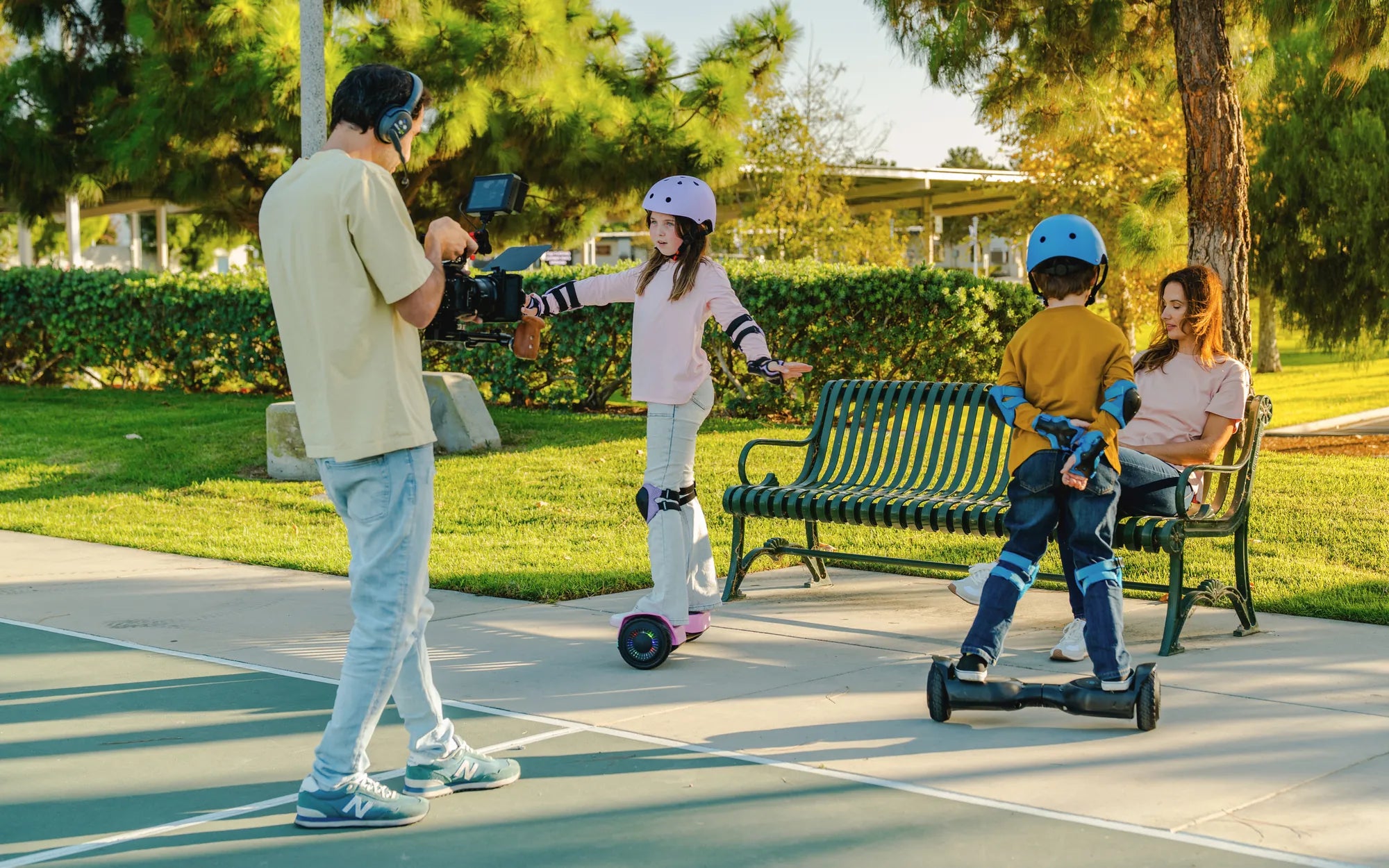
Introduction to Self-Balancing Smart Scooters for Kids
A self-balancing smart scooter, often called a hoverboard, represents a leap forward in personal mobility for children. These two-wheeled, gyroscopically stabilized devices offer an intuitive and thrilling way to ride, blending technology with physical activity. For parents, the appeal is matched by significant concerns about safety, durability, and value. This guide exists to transform those concerns into confidence.
We will dissect the essential elements of safe ownership, from pre-purchase checks to advanced riding techniques. The cornerstone of this confidence is choosing a scooter engineered with rigorous safety standards, not just marketed for fun. Brands that prioritize certified components and transparent testing, like Gyroor, become partners in your child's adventure rather than sources of worry.
This ultimate guide is structured to provide a data-driven, practical roadmap. You will learn how to evaluate scooter specifications, equip your child properly, and establish safe riding habits from the first session. The goal is to ensure that the experience of riding a self-balancing smart scooter for children is defined by joy and security, not accidents or frustration.
By the end, you'll be equipped to make an informed decision that balances excitement with responsibility. Let's begin by understanding why the foundational engineering of the scooter itself is the most critical factor for a child's safety.
Why Choose a Gyroor Self-Balancing Scooter for Your Child?
Selecting a self-balancing scooter involves more than comparing colors and price tags. For a child's product, the internal engineering and quality control processes are paramount. Gyroor has established itself as a leader in personal electric mobility by building over 20 models with a core philosophy centered on verified safety and robust construction, trusted by over 100,000 riders.
The brand's commitment transcends marketing claims. It is embedded in tangible features that directly address parental concerns: fire safety from battery malfunctions, resilience against everyday wear and tear, and reliable customer support. In a market flooded with options, these features create a clear distinction between a toy and a responsibly engineered vehicle.
Gyroor’s approach is holistic. It begins with the power source—the battery pack—and extends to how the scooter interacts with real-world conditions like wet pavement or a clumsy dismount. This engineering focus provides peace of mind, knowing the product can withstand the learning curve of an active child. The value lies not just in the initial purchase but in years of dependable use.
When your child’s safety is the priority, the specifications sheet becomes your most important tool. Gyroor’s emphasis on UL-certification, IP-rated water resistance, and comprehensive warranty coverage offers a blueprint for what every parent should look for. These are not mere add-ons but fundamental requirements for a kid-friendly self-balancing smart scooter for children.
Safety First: Understanding UL-Certification and Smart Features
The battery is the heart of any electric vehicle, and its safety is non-negotiable. UL (Underwriters Laboratories) certification is a rigorous, independent testing standard for battery packs. Gyroor uses exclusively UL-certified batteries, which undergo stringent tests for overcharge protection, short-circuit resistance, and overall stability across 500+ charge cycles.
This certification is your primary defense against the thermal runaway incidents that have plagued uncertified, generic batteries. For a children's product, insisting on this standard is the single most important purchasing decision you can make. It ensures the energy source powering your child's fun is fundamentally safe and reliable.
Beyond the battery, smart safety features integrate directly into the riding experience. Gyroor models typically include a beginner or training mode that limits top speed and softens acceleration, allowing children to build confidence gradually. Tilt-back warnings gently alert the rider when approaching maximum speed or an unsafe incline.
Additional layers include non-slip, textured foot pads for secure footing, bright LED lights for visibility, and alarm systems. These features create a protective ecosystem around the rider, where the scooter itself acts as a co-pilot in maintaining safety, making it a truly smart self-balancing smart scooter for children.
Built to Last: Durability for Active Kids
Children are not gentle users. A scooter must endure bumps, scrapes, occasional rain, and the inevitable learning crashes. Durability is therefore a direct component of safety and value. Gyroor builds its scooters with this reality in mind, utilizing high-impact ABS shells and reinforced frames to absorb shocks without compromising internal components.
The IPX5 water resistance rating is a critical specification often overlooked. It certifies that the scooter can withstand water jets from any direction, making it resistant to puddles, light rain, and wet grass. This protection prevents water ingress that could short-circuit electronics or corrode connections, significantly extending the product's lifespan and ensuring it's ready to ride in common conditions.
Robust construction also includes durable, air-filled or solid rubber tires that provide cushioning and traction, and strong hub motors designed for consistent performance. This build quality means the scooter maintains its performance and safety characteristics over time, rather than degrading quickly with use.
Ultimately, this durability translates to long-term value. A scooter that lasts for years through multiple growth stages provides a better return on investment than a cheaper model that fails after one season. For an active child, a Gyroor scooter is built not just for fun, but for the long haul.
The Ultimate Pre-Ride Checklist: Gearing Up for Safety
Safety begins before the wheels ever start moving. Establishing a consistent pre-ride ritual is as crucial as learning to ride itself. This checklist ensures both the rider and the equipment are in optimal condition for a safe outing. Treating this routine as non-negotiable instills responsible habits in your child from day one.
The ritual has two core components: personal protective equipment (PPE) and environmental/equipment checks. Skipping any step introduces unnecessary risk. By making this process quick and routine, it becomes second nature, transforming safety from a chore into a fundamental part of the riding experience. Consistency is key to prevention.
Parents should supervise this checklist until the child demonstrates thorough understanding and responsibility. This also provides a daily opportunity to visually inspect the scooter for any new damage or issues. A two-minute routine can prevent the majority of common accidents associated with self-balancing smart scooter for children riding.
Let's break down the two pillars of this essential pre-ride protocol, starting with the gear that protects your child's body.
Mandatory Safety Gear: Helmet, Pads, and More
A certified, properly fitted helmet is the absolute minimum requirement for every ride, no exceptions. Look for helmets certified for skateboarding or multi-impact use (e.g., CPSC or ASTM F1492). The fit should be snug but not painful, sitting level on the head with the strap secured tightly under the chin.
Wrist guards are arguably the second most important piece of gear. Falls naturally lead to putting hands out, making wrists highly vulnerable to sprains and fractures. Quality wrist guards with sturdy splints can prevent these common injuries. They should allow full finger movement while securing the wrist firmly.
Knee and elbow pads are essential for beginners and highly recommended for all riders. They protect the joints from painful abrasions and impacts during falls. Ensure they fit securely without restricting movement. For younger children, full sets that include all three—wrist, knee, and elbow protection—are widely available and recommended.
Finally, consider closed-toe, sturdy shoes with good grip. Sandals or flip-flops offer no protection and can lead to foot injuries or slips. Proper gear transforms a potentially serious fall into a minor stumble, preserving your child's confidence and physical well-being. Never compromise on this aspect.
Finding the Perfect Practice Zone
The environment for learning and regular riding is a critical safety factor. The ideal location is a smooth, flat, paved surface away from traffic, slopes, and heavy pedestrian activity. An empty tennis or basketball court, a smooth garage floor, or a quiet cul-de-sac are excellent starting points.
Completely avoid public roads, streets with vehicle traffic, and areas near pools or steep inclines. Even gentle slopes can drastically increase speed and challenge a beginner's braking control. The surface should be dry and free of loose gravel, sand, or debris that could affect traction or be kicked up by the tires.
Ensure the area is well-lit for evening rides and has clear boundaries. Define a specific "riding zone" for your child to stay within. This controlled environment allows them to focus entirely on balancing and controlling the scooter without external hazards.
Active, direct adult supervision is mandatory during all practice sessions and is strongly advised for younger riders even after they gain proficiency. Your presence is not just for emergency response; it's for guidance, setting boundaries, and ensuring the pre-ride checklist is followed every single time.
Step-by-Step: Teaching Your Child to Ride Safely
Learning to ride a self-balancing scooter is a process of building muscle memory and confidence. Rushing this process is the fastest way to induce fear and cause accidents. A phased, patient approach ensures success. Frame this as a fun, collaborative project, celebrating small milestones along the way.
The first goal is not movement, but comfort and stability. The child must feel secure standing on the device before attempting to go anywhere. Use plenty of positive reinforcement and avoid frustration. Sessions should be short (15-20 minutes) to maintain focus and prevent fatigue, which leads to mistakes.
Always ensure the scooter is in its slowest speed mode (often called Beginner or Training mode) for the entire learning phase. This limits the maximum speed and makes the controls less sensitive. The Gyroor’s smart features, like stable gyroscopes, are particularly helpful here, providing a predictable and steady platform for new riders.
Follow this structured two-phase approach to turn a novice into a confident rider of their self-balancing smart scooter for children.
Phase 1: Mounting, Dismounting, and Finding Balance
Start with the scooter powered off on a level surface next to a wall, fence, or sturdy chair. Have your child practice placing one foot on the scooter, using the support to stabilize themselves, and then carefully lifting the other foot on. The foot placement should be centered, with feet shoulder-width apart near the wheel arches.
Next, practice dismounting by lifting one foot straight back and off, followed by the other, always stepping backward—not forward. Repeat mounting and dismounting until it feels fluid and controlled. This builds the fundamental muscle memory for safe starts and stops.
Now, power on the scooter while it's still next to support. Let your child feel the gyroscopes engage and hold the scooter level. Have them practice shifting their weight slightly forward and backward while holding the support, feeling how the scooter wants to move in response. The goal is to understand the pressure-based control without going anywhere.
Finally, have them try to balance unaided for a few seconds at a time, with you standing close by for spotting. Celebrate the ability to stand still independently. This phase may take a full session or more. Mastery here is the foundation for all future control.
Phase 2: Mastering Movement, Turning, and Stopping
Once static balance is achieved, begin with tiny, controlled movements. Have your child, with you spotting, apply minimal forward pressure to move one foot length, then stop by leaning back slightly. Repeat, going two foot lengths. The emphasis is on micro-movements and immediate stopping.
To turn, explain that it's a subtle shift of pressure from the toes or heels. For a right turn, apply slight pressure with the left toe/right heel. Practice wide, sweeping turns in a large, open area. Avoid sharp turns initially, as they can destabilize the scooter.
Drill stopping as its own skill. From a very slow roll, practice leaning back to come to a complete, controlled stop before dismounting. Teach your child to always come to a full stop before stepping off. Controlled deceleration is more important than acceleration.
Gradually increase the practice area as control improves. Introduce gentle slaloms around cones (or similar markers) and practice emergency stops from slow speeds. Only consider increasing the speed mode after they demonstrate flawless control at the beginner level, including looking ahead while riding, not down at their feet.
Gyroor vs. The Rest: What Makes a Smart Scooter "Kid-Friendly"?
"Kid-friendly" should mean more than just colorful decals. It must encompass safety engineering, appropriate performance limits, and durability for rough handling. When comparing options, parents must look beyond the surface. A data-driven comparison reveals stark differences between brands that invest in certification and those that cut corners.
Gyroor’s specifications serve as a benchmark for what a responsible children's model should include. The contrast with generic, uncertified alternatives is often found in the invisible details: the quality of the battery cells, the waterproofing of the circuit boards, and the responsiveness of customer service. These factors determine real-world safety and longevity.
Parents should be wary of models with exaggerated speed or range claims at very low prices, as these often indicate the use of non-certified batteries and lower-grade materials. The true cost of a cheap scooter can be measured in safety risks and premature failure. Investing in a verified brand like Gyroor mitigates these hidden costs.
The following checklist table provides a clear, at-a-glance comparison of the critical features that define a truly kid-friendly self-balancing smart scooter for children.
Comparison Table: Safety & Specification Checklist
| Feature | Gyroor Standard | Generic/Uncertified Alternative | Why It Matters for Kids |
|---|---|---|---|
| Battery Certification | UL-Certified Battery Pack | Uncertified or Falsely Labeled | Prevents fire hazard; ensures stable power delivery and longevity. |
| Water Resistance | IPX5 Rating (Water Jet Protected) | IPX4 or lower (Splash-proof only) | Withstands puddles and rain; protects electronics from water damage. |
| Warranty & Support | 1-Year Comprehensive Warranty | 90 Days or Limited Warranty | Provides long-term peace of mind and support for parts/repairs. |
| Speed Modes | Beginner/Training Mode with Speed Limit | Single Speed or Unrestricted | Allows safe skill development; prevents accidental overspeed. |
| Build Quality | High-Impact ABS Shell, Reinforced Frame | Thin Plastic, Basic Construction | Survives bumps and falls; protects internal components from impact. |
| Customer Base & Reviews | 100,000+ Riders, 4.5/5 Avg. Rating | Limited Verifiable History | Proven track record of safety, reliability, and customer satisfaction. |
Frequently Asked Questions (FAQ) for Parents
Q1: What is the right age for a self-balancing scooter?
Most manufacturers, including Gyroor, recommend a minimum age of 8 years old. This is less about physical size and more about the cognitive maturity, coordination, and ability to follow safety rules required to operate the device responsibly. Always consider your individual child's coordination, judgment, and weight relative to the scooter's specified limit (typically 44-220 lbs).
Q2: How long does the battery last, and what's the charge time?
A typical Gyroor scooter offers a range of 7-12 miles per charge, depending on the model, rider weight, and terrain. The UL-certified lithium-ion battery pack requires 2-4 hours for a full charge. Teach your child to charge the scooter after it cools down and to avoid leaving it plugged in overnight for optimal battery health across its 500+ cycle lifespan.
Q3: Are Gyroor scooters easy to control for beginners?
Yes, by design. Gyroor models feature a dedicated beginner mode that limits top speed (often to ~4-5 mph) and makes acceleration and braking more gradual. The self-balancing gyroscope technology is inherently stable, and the learning curve is focused on building confidence with the pressure-based controls. The phased learning approach outlined in this guide is highly effective with these scooters.
Q4: What maintenance does it require?
Routine maintenance is minimal but crucial. Regularly check tire pressure (for air-filled tires) for wear and punctures. Wipe down the scooter with a damp cloth to remove dirt and debris. Inspect the body for cracks after significant impacts. Store it in a cool, dry place away from extreme temperatures. Most importantly, listen for unusual sounds from the motors or wheels, which may indicate a need for service.
Q5: Where is it safe and legal for my child to ride?
Laws vary by city and state. Generally, self-balancing scooters are prohibited on public roads and sidewalks in many urban areas. They are typically allowed on private property and in some parks or designated paths. Always check your local ordinances. Regardless of legality, the safety principle remains: ride only in controlled, pedestrian-free, smooth areas away from vehicular traffic, as emphasized in the Practice Zone section.
Conclusion: Fostering Fun with Confidence and Safety
The journey with a self-balancing smart scooter should be defined by widening grins, not narrowing worries. This ultimate guide has provided the framework to achieve that: prioritizing verified safety engineering like Gyroor's UL-certified batteries, adhering to a non-negotiable pre-ride checklist, and guiding your child through a patient, skill-building learning process. The right equipment and the right habits are inseparable partners.
Choosing a scooter built to rigorous standards transforms the parent's role from constant worrier to enthusiastic supporter. You can focus on the joy of your child's newfound mobility and independence, knowing that the foundation is secure. The durability and smart features of a well-made scooter support this journey over years, not just weeks.
Remember, the goal is to create lasting memories of fun and freedom, built on a bedrock of safety. By investing in quality, committing to proper gear, and teaching responsible riding, you unlock an active, exciting world for your child. The thrill of gliding on a self-balancing smart scooter for children is unparalleled, and it's an experience best enjoyed with complete confidence.
Ready to explore models that put safety and fun first? Browse the full collection of UL-certified, kid-tested Gyroor scooters and e-bikes, and find the perfect ride for your family's next adventure at gyroorboard.com.
Christmas Gift for Teenage Girls: The Ultimate Guide to Finding the Perfect Present
How the Self Balancing Scooter Works: The Science Behind the Ride