



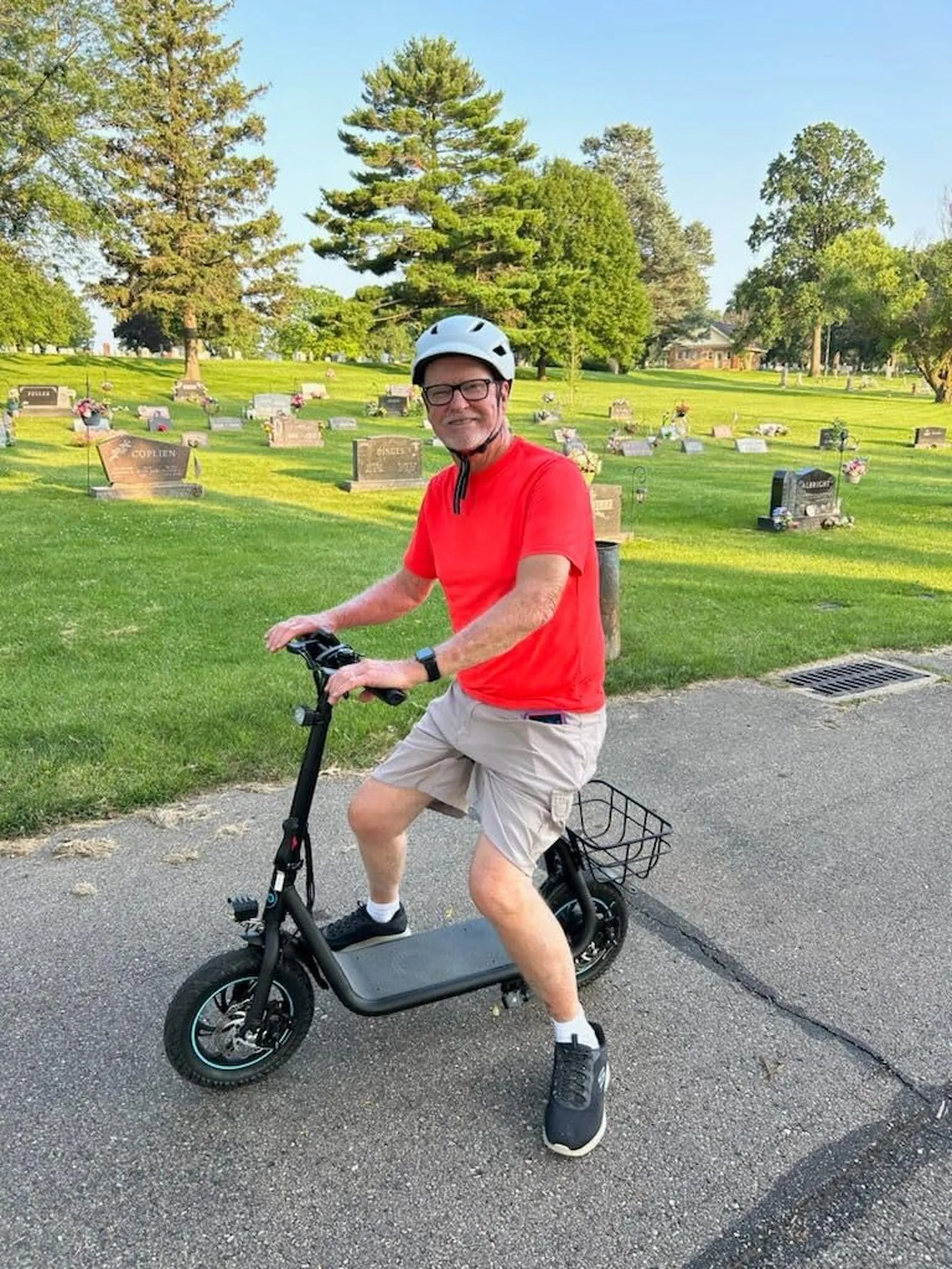
The Electric Scooter Road Debate: A Modern Urban Dilemma
The sight of electric scooters zipping through city streets is now commonplace, but their rightful place in our transportation ecosystem remains fiercely contested. The core question, "Should electric scooters be on the road?", sparks debates among city planners, pedestrians, drivers, and riders themselves. This isn't just about convenience; it's a complex puzzle involving safety metrics, infrastructure design, and evolving regulations. As brands like Gyroor engineer more capable and robust scooters designed for urban commuting, the policy and public space conversation lags behind. Exploring the pros and cons requires moving beyond anecdotes to examine data, legal precedents, and the fundamental goal of creating safe, efficient cities for everyone.
The Case For: Why Electric Scooters Belong on the Road
Advocates for road access argue that streets are the logical, established infrastructure for vehicular traffic. Modern electric scooters, with top speeds often between 15-20 MPH, are speed-compatible with local residential and urban streets, which typically have limits of 25-30 MPH. This creates a more predictable and integrated traffic flow compared to the erratic, dangerous mixing of scooters and pedestrians on sidewalks.
The precedent is already set by bicycles and e-bikes, which are widely accepted on roads and in bike lanes. Classifying e-scooters similarly leverages existing infrastructure and rules. Riding on sidewalks poses significant risks; uneven surfaces, driveways, and pedestrians can lead to falls and collisions. The road, with its clear rules of movement, offers a more consistent environment.
Safety Through Predictability in Traffic Flow
When operated predictably in a bike lane or at the road's edge, scooters can be safer than navigating cluttered sidewalks. Riding in the direction of traffic makes scooter riders visible to drivers at intersections and reduces surprise encounters. Modern scooter design supports this; models from leading brands feature bright LED headlights, brake lights, and audible horns or bells—all systems designed for road visibility and communication.
This predictability is key to safety. A driver is more likely to anticipate and react to a vehicle moving with traffic than one darting from a sidewalk. The question of should electric scooters be on the road is, in this view, answered by aligning them with other predictable, slow-moving vehicles.
Infrastructure Logic and Legal Evolution
Many forward-thinking cities are updating ordinances to classify e-scooters similarly to bicycles, explicitly granting them access to roads and bike lanes. This legal shift acknowledges the inefficiency of banning a 15-20 MPH vehicle from 25 MPH streets while tacitly allowing it in pedestrian-only spaces. It creates a clear, enforceable rule set.
Roads are engineered for wheels, sidewalks for feet. Using the appropriate space for each mode reduces conflict. Dedicated, protected bike lanes represent the ideal infrastructure, but in their absence, the road shoulder or standard bike lane is often the next-safest designated space for micromobility vehicles, including scooters.
The Case Against: Risks and Challenges of Road Integration
The opposition centers on the inherent vulnerability of scooter riders and the current inadequacy of roads and regulations to protect them. Mixing with fast, heavy motor vehicles presents a severe risk, even at low urban speeds. Unlike car drivers, scooter riders have no protective cage, seatbelt, or airbag, making any collision potentially catastrophic.
Furthermore, the rapid adoption of scooters has outpaced public education and regulatory frameworks. There is no standardized licensing or training requirement for riders, leading to wide variations in traffic law knowledge and defensive riding skills. This creates unpredictability, which is dangerous for all road users.
The Vulnerability Factor: Size and Speed Disparity
The physics are unforgiving. A collision between a 30-pound scooter and a 3,000-pound car will always disadvantage the rider. This size and mass disparity is the central safety argument against road integration. Even a low-speed sideswipe or door-opening incident can cause serious injury.
This risk is amplified on roads without dedicated bike lanes, forcing riders to share space directly with cars. The fear of such collisions discourages many potential riders and fuels public opposition to road access, keeping the debate over should electric scooters be on the road alive and contentious.
Rider Behavior and Regulatory Gaps
Inconsistent helmet use, a lack of understanding of hand signals, and riding under the influence are observable problems. Enforcing traffic laws for scooter riders is challenging for police, and penalties are often minimal. This contrasts sharply with the regulated process for licensing car drivers, which includes testing on rules of the road.
This regulatory gap can lead to dangerous behaviors—like running red lights, riding against traffic, or sudden swerves—that endanger the rider and confuse drivers. Until a consistent framework for rider education and accountability is established, integrating scooters into complex traffic systems remains risky.
Data-Driven Perspectives: Accident Studies and Urban Planning
Moving beyond rhetoric, data from city transport departments and insurance institutes provides crucial insights. Studies often show a high proportion of scooter-related injuries involve collisions with motor vehicles, underscoring the road risk. However, they also frequently note that a significant number of injuries occur on sidewalks due to tripping hazards.
Comparative data from cities with different policies is revealing. Some municipalities that initially banned scooters from roads saw increased pedestrian complaints and sidewalk injuries. Others that mandated road use without infrastructure improvements saw higher vehicle collision rates. The data points not to a simple answer, but to the critical role of infrastructure design.
The Infrastructure Imperative: Protected Lanes Are Key
The core finding from global studies is that the safety of all micromobility users—cyclists, e-bike riders, and scooter riders—increases dramatically with the presence of protected bike lanes. Physical separation from motor vehicle traffic is the most effective intervention. The question thus evolves from "should electric scooters be on the road?" to "how do we redesign our roads to safely accommodate them?"
Cities investing in connected networks of protected lanes see not only a drop in incidents but also an increase in overall micromobility adoption. This suggests that the vehicle itself is less the issue than the environment in which it is placed. Safe infrastructure is the prerequisite for safe integration.
Comparative Analysis: Where Do Electric Scooters Fit Best?
The optimal riding environment depends on available infrastructure and specific trip context. The following table compares the key considerations for different riding zones, highlighting why protected bike lanes emerge as the clear winner and why the road-versus-sidewalk debate is a symptom of inadequate planning.
| Riding Zone | Safety for Rider | Safety for Pedestrians | Traffic Predictability | Legal Clarity | Overall Recommendation |
|---|---|---|---|---|---|
| Protected Bike Lane | Very High | Very High | High | High | Ideal. Physically separated from both cars and pedestrians. |
| Road (with standard bike lane) | Medium | Very High | Medium-High | Medium (varies) | Good, if necessary. Preferable to sidewalks if rider is confident and visible. |
| Sidewalk | Medium-Low (hazard risk) | Low | Low | Low (often illegal) | Avoid. Dangerous for pedestrians and legally problematic. |
| Shared Road (no bike lane) | Low | Very High | Low-Medium | Medium (varies) | Use with extreme caution. Only for experienced riders when no alternative exists. |
Making an Informed Choice: A Rider's Responsibility
Regardless of local laws, the individual rider's choices profoundly impact safety. Responsible ownership begins with selecting a reliable scooter from a trusted brand and extends to every pre-ride check and on-road decision. Defensive riding—assuming you are not seen—is the most important mindset for road safety.
Pre-Ride Checklist: Gear and Readiness
Never skip a safety check. Essential gear includes a properly fitted helmet (non-negotiable), reflective clothing or accessories for low-light conditions, and closed-toe shoes. Before riding, inspect your scooter: test brake function, ensure tire pressure is correct, verify that headlights and taillights are working, and confirm the battery has adequate charge.
Choosing a scooter built for reliability is a foundational safety step. Brands like Gyroor prioritize features that mitigate road risks, including UL-certified battery packs for fire safety, IPX5 water-resistant designs for all-weather reliability, dual braking systems, and bright lighting—all backed by a robust 1-year warranty. This reduces the risk of mechanical failure, a critical factor when sharing space with cars.
Rules of the Road for Scooter Riders
If you ride on the road, you are a vehicle operator. This means obeying all traffic signals and signs, riding in the direction of traffic, using hand signals for turns and stops, and never riding under the influence of alcohol or drugs. Stay to the right when safe, but take the lane when necessary to avoid hazards like parked car doors.
Your behavior shapes public perception. Responsible riding demonstrates that scooters can be integrated safely and helps build the case for better infrastructure. It directly addresses the concerns behind the question should electric scooters be on the road by showing they can be operated lawfully and predictably.
FAQ: Common Questions on E-Scooters and Road Use
Q: Are electric scooters even legal on the road?
A: Laws vary wildly by city, state, and country. Some explicitly allow them in bike lanes/roads, some restrict them to certain areas, and others have no clear laws. Always check your specific local ordinances before riding.
Q: What's safer, the road or the sidewalk?
A: Data suggests protected bike lanes are safest. Between road and sidewalk, it's a trade-off: roads expose you to cars but sidewalks endanger pedestrians and have trip hazards. On roads without protection, the road is generally safer for pedestrians, while the sidewalk feels safer for the rider from cars—a dilemma solved by proper infrastructure.
Q: Do I need insurance or a license to ride on the road?
A: Most jurisdictions currently do not require a license or specific insurance for low-speed e-scooters, but this is rapidly evolving. Some regions are introducing insurance requirements for rental fleets. It's wise to check if your homeowner's or renter's insurance provides personal liability coverage for scooter use.
Q: How fast are scooters that are meant for the road?
A> Commuter-focused scooters from reputable brands typically have top speeds between 15-25 MPH. This speed is a key reason they are argued to belong on roads, as they match the flow of urban traffic. For example, many Gyroor models are engineered for stable performance at these speeds, featuring suspension and larger wheels for better road handling.
Q: Can I carry a passenger on my electric scooter on the road?
A> Almost universally, no. Manufacturer specifications, local laws, and basic physics prohibit it. E-scooters are designed for a single rider. Adding a passenger severely affects braking, balance, and control, creating an extreme danger for both riders and others on the road.
Navigating Towards a Shared Future
The debate over should electric scooters be on the road reveals a deeper need: our cities must adapt. The answer isn't a blanket yes or no, but a call for a three-part solution. First, cities must establish clear, consistent regulations that classify e-scooters and grant them appropriate space. Second, and most critically, we must invest in protected micromobility infrastructure that separates light electric vehicles from both fast-moving cars and pedestrian walkways.
Finally, riders must uphold their responsibility by choosing quality, safe equipment and committing to defensive, lawful riding practices. The future of urban transport is shared and electric. By aligning smart policy, intentional design, and personal responsibility, we can ensure that electric scooters find their safe and efficient place in our communities. Explore scooters built for this evolving landscape, designed with the safety features and reliability demanded for modern urban travel.
Browse the full Gyroor collection of UL-certified, road-ready electric scooters and e-bikes at gyroorboard.com.
Best Electric Scooters for Adults Australia: Top Picks for 2024 - Your Ultimate Guide
Best Electric Scooters for Adults Australia: Top Picks for 2024 - Your Ultimate Guide