


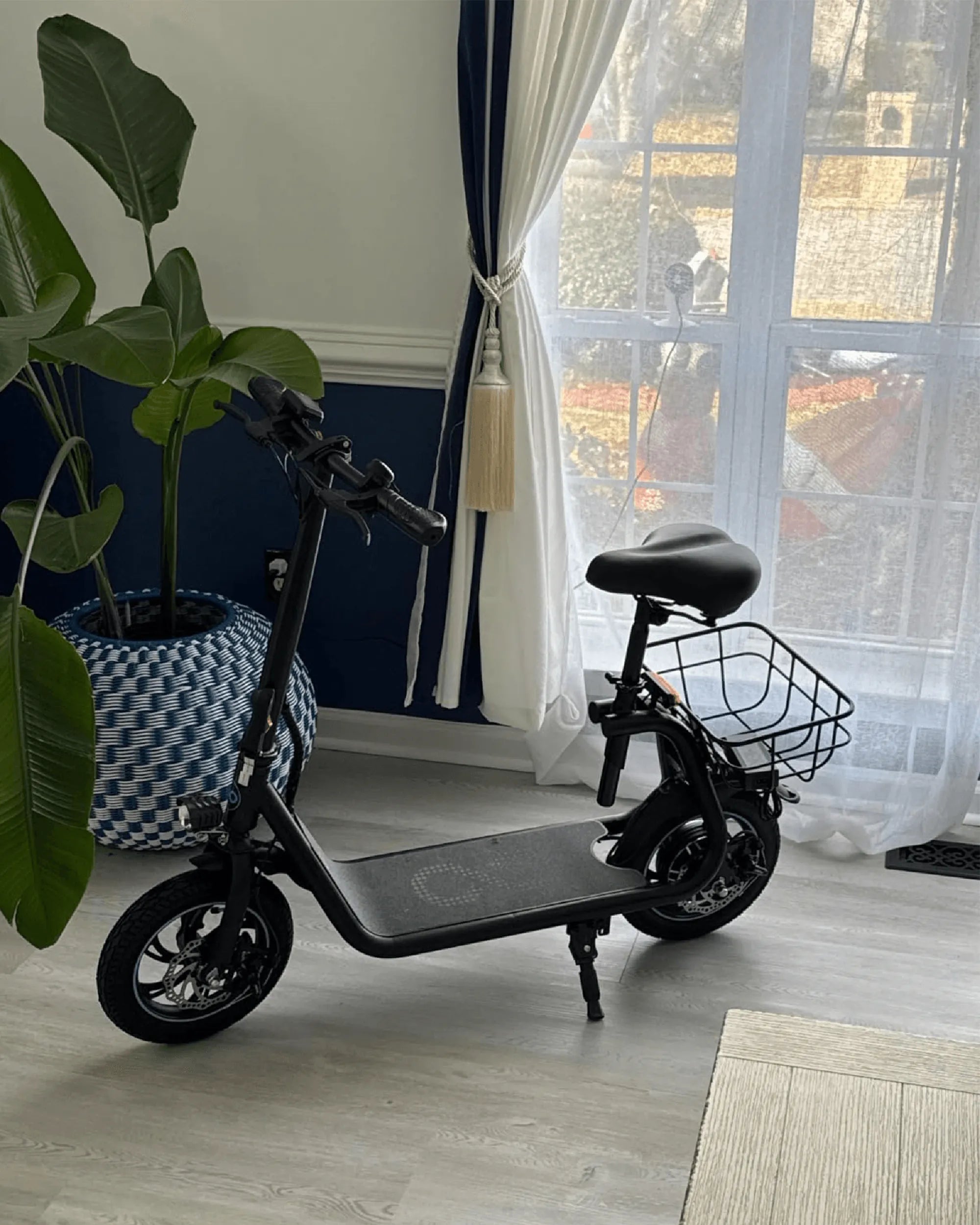
Deciding between an electric or petrol scooter is a big choice that depends on your lifestyle, budget, and environmental concerns. Both options have their advantages and drawbacks, and understanding them can help you make an informed decision. Whether you're a daily commuter or an occasional rider, this guide will walk you through everything you need to know before making your purchase.
Cost Comparison: Upfront and Long-Term Expenses
One of the first things to consider is the cost. Electric scooters generally have a higher upfront price compared to petrol scooters. However, they often make up for it with lower running costs. Electricity is cheaper than petrol, and maintenance is usually simpler since electric scooters have fewer moving parts.
Petrol scooters, on the other hand, are cheaper to buy initially but come with ongoing fuel and maintenance expenses. Oil changes, engine repairs, and other mechanical issues can add up over time. If you're looking for a budget-friendly option in the short term, petrol might seem appealing, but electric could save you money in the long run.
Performance and Range: Which One Fits Your Needs?
Performance is another key factor. Petrol scooters typically offer higher speeds and longer ranges, making them ideal for longer commutes or highway riding. They can also be refueled quickly, so you don't have to worry about running out of power mid-journey.
Electric scooters, while often slower, are perfect for city commuting. Their range has improved significantly in recent years, but they still require regular charging. If you have a short daily commute and access to charging stations, an electric scooter could be a great fit. However, if you frequently travel long distances, a petrol scooter might be more practical.
Environmental Impact: Going Green vs. Convenience
Environmental concerns are a major reason many people choose electric scooters. They produce zero emissions, making them a cleaner option for the planet. If reducing your carbon footprint is important to you, an electric scooter is the way to go.
Petrol scooters, while more polluting, offer convenience and reliability. They don't rely on battery life or charging infrastructure, which can be a plus in areas where electric charging stations are scarce. If you prioritize ease of use over environmental impact, a petrol scooter might be the better choice.
Maintenance and Reliability: What to Expect
Electric scooters are known for their low maintenance requirements. With no engine, oil, or complex transmission systems, they are simpler to maintain. Most upkeep involves checking the battery, tires, and brakes.
Petrol scooters require more frequent maintenance, including oil changes, spark plug replacements, and engine checks. While they are generally reliable, the added complexity means more potential for mechanical issues over time.
Charging vs. Refueling: Convenience and Time
Charging an electric scooter can take several hours, depending on the model and battery capacity. This means you'll need to plan ahead to ensure your scooter is ready when you need it. However, if you can charge overnight or at work, this may not be a significant issue.
Refueling a petrol scooter is quick and easy, taking just a few minutes at a gas station. This makes petrol scooters more convenient for those who are always on the go or don't have regular access to charging points.
Noise and Comfort: Riding Experience
Electric scooters are much quieter than petrol scooters, offering a smooth and peaceful ride. This can be a major advantage in urban areas where noise pollution is a concern.
Petrol scooters, while noisier, often provide a more powerful and responsive ride. If you enjoy the sound and feel of a traditional engine, a petrol scooter might be more satisfying to ride.
Government Incentives and Regulations
Many governments offer incentives for electric vehicle purchases, such as tax credits or rebates. These can significantly reduce the overall cost of an electric scooter. Additionally, some cities have restrictions on petrol vehicles, making electric scooters a more viable option in certain areas.
Petrol scooters, while subject to fewer incentives, are widely accepted and regulated. They don't face the same restrictions as electric scooters in some regions, making them a safer bet if you're unsure about local policies.
Resale Value and Future Trends
Electric scooters are gaining popularity, and their resale value is expected to improve as technology advances. However, battery degradation can be a concern, potentially affecting long-term value.
Petrol scooters have a well-established market, and their resale value is generally stable. However, as the world shifts toward greener alternatives, demand for petrol scooters may decline over time.
So, should you buy an electric or petrol scooter? The answer depends on your priorities. If you value sustainability, low running costs, and a quiet ride, electric is the way to go. But if you need speed, long-range capability, and quick refueling, petrol might be the better choice. Weigh the pros and cons carefully, and you'll find the perfect scooter for your needs.
Do You Have to Balance on Electric Scooter? The Truth Revealed
Do You Have to Balance on Electric Scooter? The Truth Revealed