



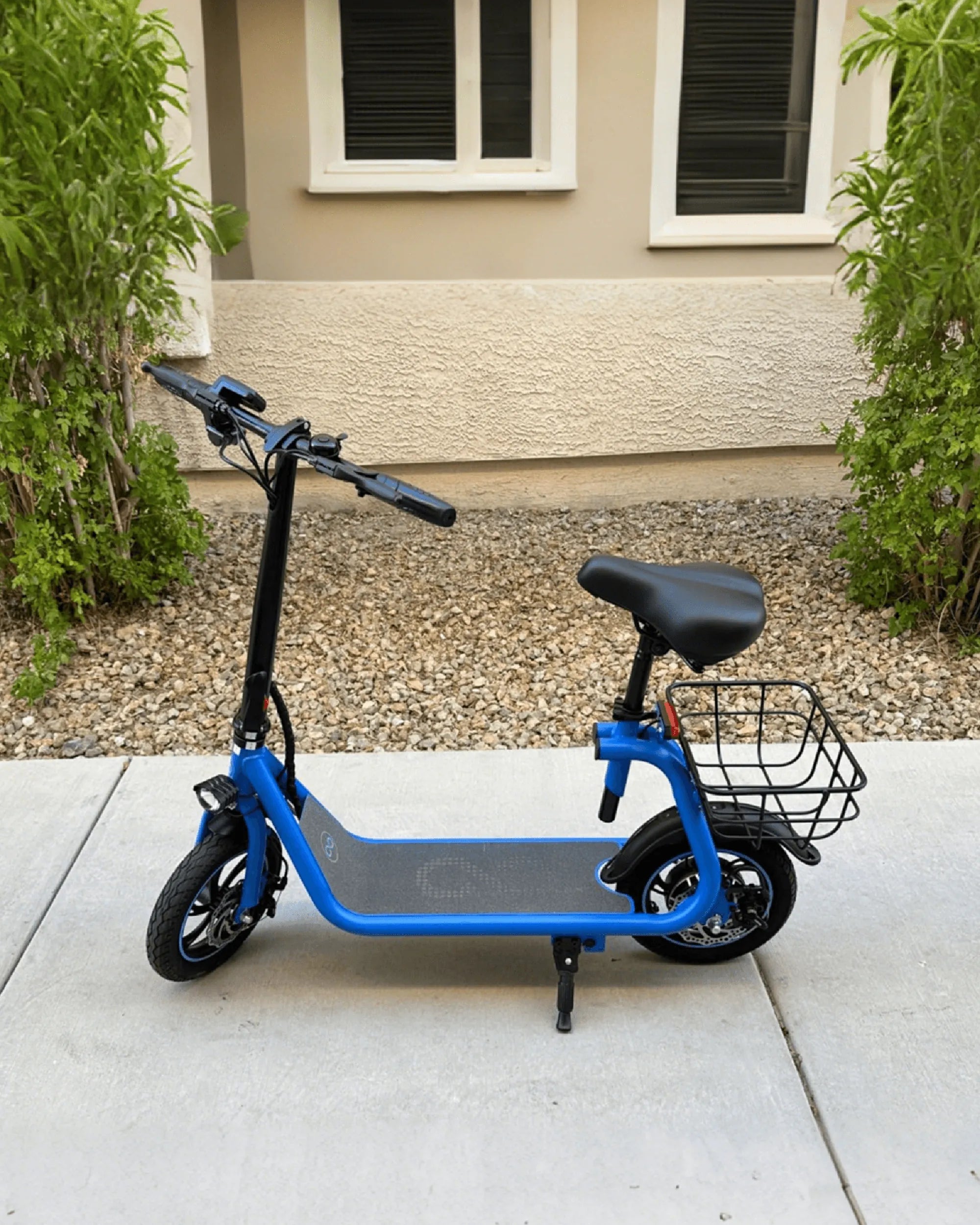
Navigating crowded city streets or covering that awkward distance between the bus stop and your office can be a daily hassle. Small electric mobility scooters have emerged as the definitive solution, offering a blend of portability, efficiency, and eco-friendly operation that larger vehicles can't match. This guide will provide a complete breakdown of compact electric scooters, from defining their core specifications to comparing models for different lifestyles, and offering essential tips for safe and enjoyable ownership. You’ll gain the knowledge needed to make an informed purchase and integrate this versatile tool seamlessly into your daily routine.
Defining the Compact Class: What Makes a Mobility Scooter "Small"?
The term "small" or "compact" in the electric scooter world isn't just marketing—it's a specific set of engineering and design choices prioritizing ultra-portability. A true small electric mobility scooter is distinguished by its folded dimensions, total weight, and wheel size, setting it apart from bulkier commuter or performance models.
Typically, a compact scooter folds down to dimensions around 45 x 15 x 15 inches or smaller, allowing it to be tucked under a desk, in a closet, or carried onto public transit with minimal fuss. Unfolded, its deck length is shorter, and the handlebar height is often adjustable but not excessively tall. Weight is a critical factor, with most models in this category ranging from 25 to 35 pounds, making them liftable for the average adult.
Wheel size is another key identifier. Small electric mobility scooters usually feature wheels between 6 and 8.5 inches in diameter. These smaller wheels contribute to the low deck height and overall compact folded profile but influence ride quality, which is often mitigated by air-filled (pneumatic) tires or suspension systems. Motor power in this class is sufficient for urban travel, generally between 250W and 500W, providing adequate speed for short trips without the bulk of higher-wattage motors.
This design philosophy creates a distinct product category. Unlike full-sized e-scooters or e-bikes, the primary goal here isn't extreme range or top speed; it's convenience and seamless integration into a multi-modal, urban lifestyle. The compact electric scooter is a tool for the "first and last mile," designed to be carried, stored, and deployed with effortless ease.
Key Benefits of Choosing a Compact Electric Scooter
The surge in popularity of small electric mobility scooters is driven by a compelling set of advantages that address modern urban challenges. These benefits extend beyond simple transportation to impact lifestyle, finances, and environmental footprint.
Unmatched Portability and Storage: The defining benefit is portability. A reliable folding mechanism allows the scooter to collapse in seconds. This transformability means you can carry it onto a subway, store it under your restaurant table, or slide it into the trunk of a car without needing a dedicated rack. For apartment dwellers or those with limited space, this solves the storage problem that larger personal electric vehicles present.
Superior Urban Maneuverability: In dense city environments, agility is king. Compact scooters excel at navigating crowded sidewalks, weaving through slow-moving traffic in bike lanes, and making tight turns. Their smaller footprint makes them less intimidating to pedestrians and easier to handle in confined spaces, reducing rider stress and increasing overall utility for short, point-to-point trips.
Significant Cost-Effectiveness: When compared to the ongoing costs of car ownership (fuel, insurance, parking, maintenance) or even daily public transit fares, a small electric scooter presents remarkable savings. The electricity required for a full charge often costs mere cents. With minimal mechanical parts, maintenance is typically limited to tire care and brake adjustments, making the total cost of ownership exceptionally low after the initial investment.
Positive Environmental Impact: Electric scooters produce zero direct emissions. By opting for a scooter over a car for short trips, you directly reduce your carbon footprint and contribute to decreased traffic congestion and improved local air quality. Choosing a durable model from a reputable brand also supports sustainable consumption by reducing waste from frequently replaced, lower-quality alternatives.
Essential Features to Consider Before You Buy
Selecting the right small electric mobility scooter requires careful evaluation of several technical and practical features. This checklist will help you prioritize based on your individual needs and ensure you invest in a model that delivers performance, safety, and longevity.
Motor Power and Performance
Motor wattage dictates a scooter's capability. For compact models, motors range from 250W to 500W. A 250W motor is sufficient for flat terrain and lighter riders, typically achieving speeds of 15-18 mph. A 350W or 500W motor provides better acceleration and improved hill-climbing ability, crucial for cities with inclines. Always check the manufacturer's stated maximum rider weight and consider choosing a scooter with a motor rated for at least 50 pounds more than your weight for optimal performance and motor lifespan.
Battery Life and Real-World Range
Battery capacity, measured in Watt-hours (Wh) or Amp-hours (Ah), is the best indicator of potential range. Manufacturers often advertise a "maximum" range under ideal conditions. A more practical expectation is 10-25 miles on a single charge for small scooters, depending on rider weight, terrain, speed, and temperature. Charging time is also vital; most models charge fully in 3-6 hours. Crucially, prioritize scooters with UL-certified battery packs, like those used by Gyroor, which undergo rigorous testing for safety and reliability over 500+ charge cycles, significantly reducing risks of failure or fire.
Portability and Build Quality
Examine the folding mechanism—it should feel robust, secure, and easy to operate with one hand. The scooter's weight is paramount; aluminum alloy frames offer the best strength-to-weight ratio. Check the carrying handle's comfort if you plan to lift it frequently. Build quality extends to ingress protection ratings. An IPX5 water-resistance rating, a standard for brands like Gyroor, means the scooter can withstand water jets from any direction, making it safe to ride in light rain and ensuring durability against everyday splashes and spills.
Safety and Comfort Features
Safety is non-negotiable. A dual braking system (e.g., electronic front brake and disc or rear foot brake) provides reliable stopping power. Lighting is essential for visibility: a bright headlight, a brake light, and side reflectors are mandatory for dusk or night riding. Comfort is determined by deck size, tire type, and suspension. A wider deck offers stable footing. Pneumatic (air-filled) tires provide the best shock absorption on rough pavement, while some models add a front or dual suspension system for an even smoother ride, reducing fatigue on longer trips.
Small Scooter Showdown: Use Cases and Ideal Riders
Not all small electric mobility scooters are created equal. The best model for you depends heavily on your primary use case. Here’s a breakdown of common rider profiles and the scooter features that matter most to them.
The Urban Commuter
This rider uses the scooter for "last-mile" connectivity, bridging the gap between public transit hubs and their final destination. Key priorities include ultra-fast folding (under 3 seconds), lightweight design (under 30 lbs), and a compact fold for easy carrying on trains and buses. Range needs are moderate (10-15 miles is often sufficient), but reliability and water resistance (IPX5 or higher) are critical for all-weather commuting. A commuter values a clean, minimalist design that looks professional in an office setting.
The Campus Cruiser
Students navigating large university campuses need an affordable, durable, and highly portable solution. The scooter must withstand daily use on varied pathways and be light enough to carry up stairs or into lecture halls. A balance of good range (15-20 miles) and a moderate price point is key. Durability against minor bumps and scrapes is important, as is a simple maintenance routine. Features like an app for speed control or locking can be appealing, but core reliability and value are the top concerns for this group.
The Errand Runner and Leisure Rider
This user takes short trips to the local grocery store, café, or park. For them, stability and carrying capacity are paramount. A slightly wider deck and a model with a rear rack or sufficient deck space for a small bag are major benefits. Comfort features like pneumatic tires and suspension enhance the leisurely ride. While portability is still important for storing at home, the absolute minimum weight and fold size may be slightly less critical than for the commuter, allowing for a more robust build and a larger battery for extended weekend use.
| Rider Profile | Top Priority Features | Ideal Motor/Range | Key Consideration |
|---|---|---|---|
| Urban Commuter | Fast fold, Lightweight, IPX5+ | 350W / 10-15 mi | Portability on public transit |
| Campus Cruiser | Durability, Affordability, Easy Carry | 250W-350W / 15-20 mi | Value & day-long reliability |
| Errand Runner | Stable Deck, Comfort, Load Capacity | 350W-500W / 15-25 mi | Ability to carry small items |
Beyond the Purchase: Ownership, Safety, and Maintenance
Owning a small electric mobility scooter involves understanding local regulations, adopting safe riding habits, and performing basic upkeep. Proper care ensures safety, extends the vehicle's lifespan, and maximizes your riding enjoyment.
Laws and Regulations: Rules vary widely by city, state, and country. Common regulations include age restrictions (often 16+), prohibitions on sidewalk riding in business districts, mandatory helmet laws (especially for minors), and speed limits (frequently capped at 15-20 mph). Some regions require registration or restrict scooter use on certain roads. It is the rider's responsibility to research and comply with all local laws before riding.
Safe Riding Practices: Always wear a helmet. Use hand signals to indicate turns. Be predictable, ride in bike lanes where available and legal, and avoid weaving. Be hyper-aware of pedestrians, cars, and road hazards like potholes or wet leaves. Never ride under the influence of alcohol or drugs. Use lights at dawn, dusk, and night, and consider adding reflective gear or additional lights for increased visibility.
Basic Maintenance Routine: Regular checks keep your scooter running smoothly. Weekly, inspect tire pressure (for pneumatic tires) and look for wear or damage. Test brakes for responsiveness. Wipe down the scooter with a damp cloth, avoiding direct high-pressure water sprays on electronic parts. Every few months, check that all bolts and fasteners are tight, especially around the folding mechanism and handlebars. Store the scooter in a dry place and avoid leaving the battery fully depleted for extended periods.
Warranty and Support: A strong warranty is a sign of manufacturer confidence. Look for a comprehensive warranty that covers the frame, motor, and battery for at least one year. Accessible customer support is invaluable for troubleshooting. Brands like Gyroor back their products with a 1-year warranty and maintain US-based service channels, ensuring help is available if you need it, protecting your investment long-term.
Frequently Asked Questions (FAQ)
Q1: Do I need a driver's license or insurance to ride a small electric mobility scooter?
A: In most jurisdictions in the US and Europe, you do not need a driver's license, registration, or insurance to operate an electric scooter with a top speed under 20 mph. However, laws are evolving rapidly, so always check your specific city and state regulations, as some areas are beginning to introduce requirements.
Q2: How do I maximize the battery life and range of my scooter?
A> To maximize battery lifespan: avoid draining it to 0% regularly; try to keep it between 20-80% charge for daily use. Store it in a cool, dry place, away from extreme temperatures. For maximum range per charge, maintain proper tire pressure, avoid constant high-speed riding and frequent hard acceleration, and reduce load weight if possible.
Q3: Can a small electric scooter handle hills and wet pavement?
A: Scooters with 350W or higher motors can handle moderate hills, but performance depends on the hill's grade and the combined weight of the rider and scooter. For wet pavement, scooters with IPX5 water resistance are safe to use, but caution is essential: reduce speed, avoid painted road markings and metal surfaces (like manhole covers), and allow for much longer braking distances. Pneumatic tires offer better wet traction than solid tires.
Q4: What is the true total cost of ownership?
A: Beyond the purchase price, factor in the minimal cost of electricity for charging, occasional replacement parts like tires or brake pads (typically $20-$50 per year with normal use), and any accessories (helmet, lock, carrying bag). A quality scooter from a reputable brand with a good warranty should have very low maintenance costs for the first several years.
Q5: Are compact electric scooters allowed on buses, trains, and airplanes?
A> Policies vary by transit authority and airline. Most city buses and trains allow folded electric scooters, treating them like luggage or bicycles. Airlines, however, almost universally prohibit electric scooters in checked or carry-on luggage due to fire risks associated with lithium-ion batteries. Always contact the carrier directly for their most current policy before traveling.
Conclusion: Your Ticket to Effortless, Compact Mobility
A small electric mobility scooter is more than a gadget; it's a practical tool that reclaims time, reduces commute stress, and offers a sustainable alternative for short-distance travel. By understanding the critical features—from motor power and UL-certified batteries to folding design and IPX5 water resistance—you can select a model that perfectly aligns with your urban commuting, campus life, or leisure needs. Prioritizing safety through gear and mindful riding, coupled with simple maintenance, ensures this investment provides reliable service for years. When you choose a trusted brand known for quality and support, you're not just buying a scooter; you're unlocking a new level of personal freedom and convenience in your daily movement.
Ready to find the perfect compact electric scooter for your lifestyle? Browse the full Gyroor collection at gyroorboard.com to explore UL-certified, IPX5 water-resistant models backed by a 1-year warranty and trusted by over 100,000 riders.
Best Selling Electric Scooters: Top Picks for 2024
Buy Electric Scooters Online: The Ultimate Guide to Smart Shopping