



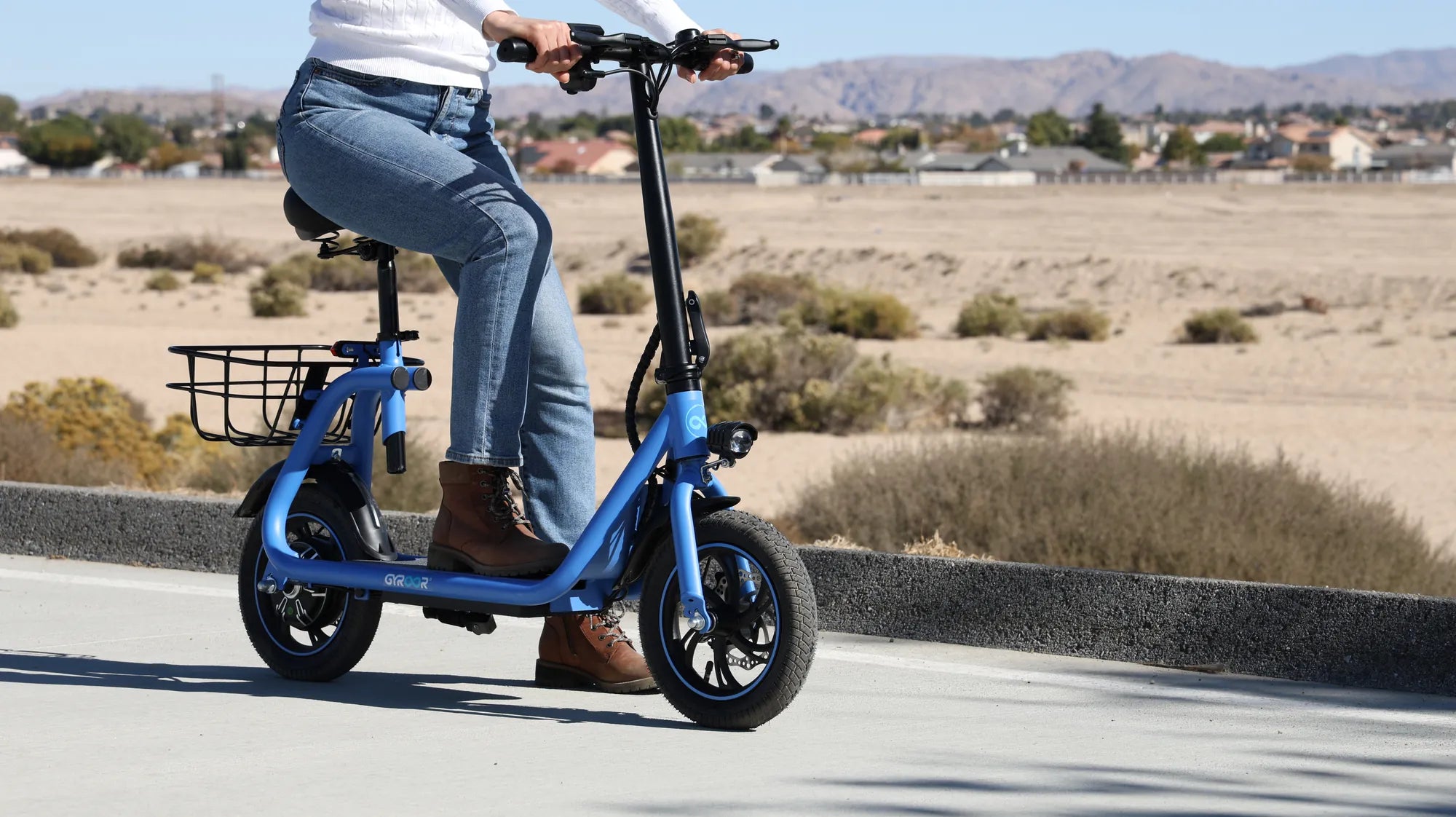
Introduction: Why Small Electric Scooters Are Redefining Urban Mobility
Urban transportation is undergoing a silent revolution, driven by the need for efficient, affordable, and flexible last-mile solutions. At the forefront are small electric scooters, compact vehicles that bridge the gap between public transit hubs and final destinations with remarkable ease. This guide will explore the technical specifications, practical advantages, and critical safety considerations of these portable commuters, helping you make an informed decision for your daily travel needs.
Unlike their larger counterparts designed for long-range touring, small electric scooters prioritize ultra-portability and simplicity. They are engineered to be lightweight, easily foldable, and simple to store under a desk or carry onto a bus. This makes them the ideal tool for a multi-modal commute, seamlessly integrating with existing public transportation networks.
Choosing a reliable model is paramount, as the market varies widely in quality and safety. Brands like Gyroor have built a reputation by focusing on certified components and durable designs, trusted by over 100,000 riders across North America and Europe. This guide will detail what to look for, from motor power to battery certification, ensuring your investment is both safe and practical.
Defining the Compact Class: What Makes an E-Scooter "Small"?
The term "small" in the electric scooter market is defined by specific physical and performance parameters. Primarily, it refers to a class of scooters designed for maximum portability, which inherently involves trade-offs with power and range. Understanding these parameters is the first step in setting realistic expectations for your commute.
A key metric is weight. Most models classified as small or ultra-portable weigh under 30 pounds (13.6 kg). This weight threshold is crucial as it represents the limit of what an average adult can comfortably carry with one hand for short distances, such as up a flight of stairs or through a train station. Heavier models quickly lose their portability advantage.
Foldability and collapsed dimensions are equally critical. A true compact scooter should fold into a footprint small enough to fit in a tight apartment closet, under an office desk, or in a designated storage area on public transit. Typical folded dimensions range from approximately 42" x 7" x 15" (H x W x D). The folding mechanism should be robust, simple to operate with one hand, and secure when locked in the folded or unfolded position.
Performance-wise, small electric scooters are optimized for urban environments with relatively flat terrain. They typically feature motors ranging from 250W to 350W, sufficient for speeds of 15-20 mph and tackling mild inclines. Their battery capacity is sized for shorter ranges, usually between 10 to 20 miles per charge, which aligns perfectly with last-mile commuting needs rather than cross-town journeys.
Key Advantages of Choosing a Small Electric Scooter
The rising popularity of compact e-scooters is not a trend without cause. These vehicles solve specific urban mobility problems with elegant efficiency. Their advantages extend beyond simple transportation, impacting daily logistics, personal economics, and environmental footprint.
Unmatched Portability and Storage
The core advantage is unparalleled portability. A small electric scooter transforms a 20-minute walk from the subway station into a 5-minute glide, and then folds down to be carried silently at your side. This eliminates the anxiety of finding parking or securing a bike, as the scooter can accompany you indoors.
This feature is transformative for multi-modal commuters. You can ride to the bus stop, fold the scooter, board, and then unfold it for the final leg of your journey from the bus stop to your office. The entire process is seamless, often faster than waiting for a connecting bus or rideshare, and operates on your own schedule.
Storage becomes a non-issue. In a small apartment, it can be stored in a closet or corner. At work, it can tuck under a desk or in a personal locker. This eliminates theft concerns associated with leaving a vehicle locked outside for hours, a significant point of friction for bicycle commuters.
The Efficiency Equation: Cost and Energy Savings
From a financial perspective, small electric scooters offer staggering efficiency. The cost per mile is a fraction of that for a car, rideshare, or even public transit in many cities. Charging a typical scooter battery costs mere cents per charge, translating to annual commuting costs often under $50 for electricity.
When compared to the ongoing costs of car ownership—fuel, insurance, parking, maintenance, and depreciation—the savings are profound. For a typical 5-mile round-trip commute, a scooter can pay for itself within a few months. It also provides a predictable travel time, immune to traffic congestion.
Maintenance is minimal, especially on quality models. With no complex internal combustion engine, transmission, or cooling system, upkeep involves basic checks of tire pressure, brakes, and occasional bolt tightening. Brands like Gyroor support this with a comprehensive 1-year warranty and accessible customer service, ensuring long-term reliability and low total cost of ownership.
Critical Features to Evaluate in a Compact E-Scooter
Not all small electric scooters are created equal. Discerning buyers must look beyond marketing claims and evaluate specific engineering and component choices that dictate real-world performance, safety, and longevity.
Motor Power, Speed, and Real-World Range
Motor power, measured in watts (W), dictates a scooter's ability to accelerate, climb hills, and maintain speed. For small scooters, a 250W motor is adequate for flat terrain and lighter riders, while a 350W motor provides more confident performance on slight inclines. It's important to note that manufacturers' range estimates are conducted under ideal laboratory conditions.
Real-world range is affected by variables including rider weight, terrain (hills significantly reduce range), ambient temperature (cold weather reduces battery efficiency), and riding style (frequent acceleration and high speeds consume more power). A scooter advertised for 15 miles may reliably achieve 10-12 miles for a 180-pound rider in a city with some slopes.
Top speed is often capped at 15.5 mph for regulatory compliance in many regions. While some models can reach 19-20 mph, stability and braking performance at these speeds on a small-frame scooter require careful evaluation. Safety should always precede the pursuit of maximum speed.
Battery Safety and Durability: The Gyroor Standard
The battery is the heart of the scooter and the component where quality cannot be compromised. Inferior lithium-ion cells or poorly managed Battery Management Systems (BMS) pose fire risks. The industry benchmark for safety is UL certification (such as UL 2271), which involves rigorous testing for electrical, mechanical, and environmental safety.
Gyroor builds all its models with UL-certified battery packs, tested for over 500 charge cycles while maintaining performance. This certification is a non-negotiable indicator of a responsibly manufactured product. Durability against the elements is equally crucial for a daily commuter.
An IP rating defines a product's resistance to dust and water. An IPX5 rating, which Gyroor incorporates into its designs, means the scooter can withstand water jets from any direction, making it safe to ride in rain or through puddles. This protection ensures the electrical components are sealed against common urban wet conditions, greatly enhancing reliability and lifespan.
Ride Quality and Safety on a Smaller Frame
A compact scooter's ride quality is determined by wheel size, deck design, and suspension. Smaller wheels (typically 8 to 8.5 inches) are more agile but transmit more vibration from cracks and pavement imperfections to the rider. A wider, textured deck provides better foot stability and comfort.
Suspension, often a simple spring or rubber cushion in the front or rear, can dramatically improve comfort on rough surfaces, though it adds minor weight and complexity. The most critical safety features are the brakes. A combination braking system—such as an electronic (regenerative) brake in the front and a disc or drum brake in the rear—provides balanced, reliable stopping power in all conditions.
Integrated lighting is essential for visibility. A bright headlight and a rear brake light/taillight are mandatory for dawn, dusk, or night riding. Reflective stickers or side lighting further enhance visibility to other road users. Never compromise on these fundamental safety systems.
Gyroor's Compact Lineup: Engineered for Reliable Portability
Gyroor's product philosophy centers on delivering reliable, safe, and user-friendly micro-mobility solutions. Their compact scooter lineup reflects this, offering models that balance performance with the portability that defines the small electric scooter category.
Each model is built around a core of certified safety, featuring UL-certified batteries and robust IPX5 water-resistant construction. This ensures that the scooter is a dependable tool for daily commuting, regardless of weather. The 1-year comprehensive warranty, backed by US-based customer support, provides long-term peace of mind.
The following table compares key models ideal for different user profiles within the compact category:
| Model | Weight | Motor / Max Speed | Max Range | Key Features | Ideal For |
|---|---|---|---|---|---|
| Gyroor F1 | 26 lbs | 250W / 15.5 mph | 12 miles | One-step folding, LED display, dual braking | Ultra-light commuters, students, easy carry |
| Gyroor S1 | 28 lbs | 300W / 18.6 mph | 15 miles | Front suspension, app connectivity, brighter lights | Commuters on varied pavement, tech users |
| Gyroor C1 | 30 lbs | 350W / 19 mph | 18 miles | Larger deck, dual suspension, reinforced frame | Riders prioritizing comfort and stability |
This range demonstrates that even within the "small" category, there are choices tailored to specific needs, from the absolute lightest carry to a model with enhanced comfort features for a slightly longer daily ride.
Making the Right Choice: Your Commute Profile and Needs
Selecting the ideal small electric scooter is a personal decision based on your specific commute logistics, physical constraints, and performance desires. A systematic assessment of your needs will lead you to the most suitable model.
First, map your primary commute. Calculate the total one-way distance, noting the segments you might walk or use public transit. Your scooter's required range should exceed your longest continuous riding segment by at least 20% to account for real-world conditions and battery degradation over time. If your ride is 4 miles, aim for a scooter with a 10+ mile advertised range.
Second, honestly assess portability needs. How many flights of stairs do you navigate daily? Will you need to carry the scooter for more than a minute or two? If the answer is yes, prioritizing a model under 28 pounds is critical. Also, measure the storage space available at your home and workplace to ensure the folded dimensions are compatible.
Finally, consider terrain and comfort. A route with cracked sidewalks or cobblestone streets benefits greatly from a model with front or dual suspension. If you have a longer standing commute, a larger, more textured deck will reduce fatigue. Aligning these practical factors with the technical specifications will ensure your scooter is a joy to use, not a compromise.
Frequently Asked Questions (FAQ)
Q: How far can a small e-scooter really go on one charge?
A: Manufacturer range estimates are based on optimal conditions: a light rider on flat, smooth terrain at a constant, moderate speed. In real-world urban commuting, you should expect to achieve 65-75% of the advertised range. Factors like hills, stop-and-go traffic, rider weight over 160 lbs, and cold weather will reduce range. Always choose a scooter whose advertised range is significantly longer than your longest planned trip.
Q: Is it safe to ride in the rain?
A: Safety in wet conditions depends on the scooter's build quality. Look for a minimum IPX4 rating for light rain, but an IPX5 rating (like Gyroor models have) is recommended for reliable all-weather commuting. Even with a good IP rating, exercise caution: reduce speed, avoid deep puddles that could submerge the deck, and allow extra distance for braking. The tires and road surface are slicker when wet.
Q: What is the actual learning curve for a new rider?
A: For most adults, the basic operation is intuitive and can be mastered in 10-15 minutes in a safe, open area. The key is to start at the lowest speed setting, practice accelerating and braking gently, and get a feel for balancing while turning. Wearing a helmet and practicing emergency stops are essential first steps. Confidence on varied urban terrain typically develops over a few days of regular use.
Q: How does Gyroor's warranty and customer support work?
A> Gyroor offers a comprehensive 1-year warranty covering manufacturing defects in the frame, motor, battery, and electronic components. The warranty process is supported by a US-based customer service team, which provides troubleshooting assistance and facilitates repairs or replacements if necessary. This direct support structure is a significant advantage over brands that rely solely on third-party sellers or international support channels.
Q: What regular maintenance does a small e-scooter require?
A> Regular maintenance is simple but vital. Weekly, check tire pressure (for pneumatic tires), test brake function, and ensure all folding mechanisms and bolts are tight. Monthly, inspect the brake pads for wear and clean the scooter with a damp cloth, avoiding direct high-pressure water sprays on electronic parts. Periodically check for any unusual noises or vibrations. Proper care, as outlined in the user manual, maximizes safety and lifespan.
Conclusion: Embracing a Smarter, More Agile Commute
The small electric scooter represents a fundamental shift toward personalized, efficient urban transportation. By mastering the last mile, it unlocks the full potential of city living, saving time, money, and reducing environmental impact. The choice to adopt this technology, however, must be informed by a focus on safety, durability, and real-world performance.
Prioritizing brands that invest in certified safety features like UL-approved batteries and robust water resistance is not an optional extra; it is the foundation of a reliable commuting tool. Gyroor's approach, combining these certified components with thoughtful design and strong customer support, exemplifies the standard that riders should seek.
Your ideal commute is within reach. By carefully matching your specific needs—distance, carry requirements, terrain—with the right model's specifications, you can transform your daily travel from a chore into an efficient, enjoyable experience. The compact power and portability of a well-chosen small electric scooter offer a uniquely agile solution to modern mobility challenges.
Ready to find the perfect compact scooter for your journey? Explore Gyroor's full range of UL-certified, IPX5 water-resistant models engineered for reliable daily commuting. Browse the full Gyroor collection at gyroorboard.com and take the first step toward a smarter commute today.
Show Me Electric Scooters: The Ultimate Guide to Eco-Friendly Commuting
Best Electric Scooters for College Students: Top Picks for Campus Commutes