


Introduction: Why a Steel Scooter is a Smart First Ride
Selecting the right first scooter for your child is about more than just play; it's an investment in their physical development, confidence, and independence. For toddlers and preschoolers, a small kids steel scooter stands out as the foundational choice for a safe and enduring riding experience. This guide will provide parents with comprehensive, data-driven insights to navigate the purchase.
Unlike lighter alternatives, a steel frame offers inherent benefits that directly address the needs of young, learning riders. We will analyze why steel is the preferred material, break down the critical features for safety and growth, and establish clear safety protocols. By the end of this guide, you will know exactly what to look for in a durable, stable scooter that can withstand years of active use.
The Unbeatable Benefits of Steel for Kids' Scooters
The frame material is the most critical factor in a scooter's longevity and ride quality. For children aged 2-5, a steel frame provides distinct advantages over aluminum or plastic composites. The primary benefit is exceptional durability. Steel can withstand the inevitable drops, crashes, and rough handling that come with learning, without bending or cracking under stress.
This durability translates directly to safety. A steel frame maintains its structural integrity, ensuring steering and braking components remain correctly aligned. Furthermore, steel offers superior stability due to its weight and lower center of gravity. This makes the scooter less "tippy" and easier for a child to control, building confidence faster than on a lighter, more skittish model.
The longevity of a steel scooter also represents better value. A well-constructed model can easily be passed down to younger siblings, enduring multiple childhoods of use. While aluminum is lighter, it is more prone to fatigue and permanent deformation. For a small kids steel scooter, the trade-off of slightly more weight is overwhelmingly worth the gains in safety, durability, and long-term cost-effectiveness.
Key Features to Look for in a Small Kids Steel Scooter
Beyond the frame, specific engineering choices define a high-quality scooter. Parents should evaluate these components systematically to ensure a perfect match for their child's size, skill level, and growth.
Wheel Size & Material: Balancing Speed and Control
For beginners, control trumps speed. Optimal wheel size for a small kids steel scooter is typically between 100mm and 120mm in diameter. Smaller wheels provide a lower deck height and quicker acceleration from a push, which is easier for little legs. Crucially, wider wheels offer a larger contact patch with the ground, enhancing stability.
The wheel material is equally important. High-rebound polyurethane (PU) is the industry standard for a reason. It provides a smooth, quiet roll on pavement and offers excellent grip and wear resistance. Avoid hard plastic wheels, which are loud, provide poor traction, and transmit every bump directly to the rider. Quality PU wheels on a stable steel frame create a smooth, confidence-inspiring ride.
Deck Design: The Foundation of Safety and Confidence
The deck is your child's platform. For young riders, a wider deck (approximately 4 inches or more) is essential to accommodate small feet and allow for a stable, side-by-side stance. The deck should be long enough for a comfortable foot position but not so long it hinders easy kicking.
A low-profile deck design, enabled by the smaller wheels, lowers the center of gravity. This dramatically increases stability and makes mounting and dismounting safer and easier. The deck surface must feature a reliable, abrasive grip tape or patterned rubber coating to prevent feet from slipping during the kick motion or while coasting.
Adjustable T-Bar: Growing with Your Child
An adjustable handlebar is non-negotiable for a scooter intended to last more than one season. The handlebar, or T-bar, should adjust easily to a height that allows the child to stand upright with a slight bend in the elbows. This proper posture ensures control and prevents fatigue.
Look for a tool-free adjustment mechanism, such as a quick-release clamp or push-button system. This allows for rapid height changes as your child grows, typically offering a range from about 20 inches to 30 inches. This feature can extend the useful life of a small kids steel scooter by 2-3 years, making it a key value proposition.
Steering & Stability: From Wobbles to Confidence
Steering mechanism is a pivotal choice. Many beginner scooters feature a lean-to-steer or inclined steering design, where turning the handlebars is linked to leaning the deck. This design intuitively teaches balance and coordination, as it requires the child to shift their weight, making it harder to turn at high, unsafe speeds.
Traditional front-wheel steering is also common. Regardless of the system, the weight and rigidity of the steel frame itself dampen high-speed wobbles, a common issue with lighter frames. This inherent stability makes the learning curve less frustrating and safer, allowing the child to focus on propulsion and balance.
Safety First: Essential Gear and Riding Tips
A scooter is a vehicle, and safe operation is paramount. Parental supervision and proper equipment are the foundations of risk management.
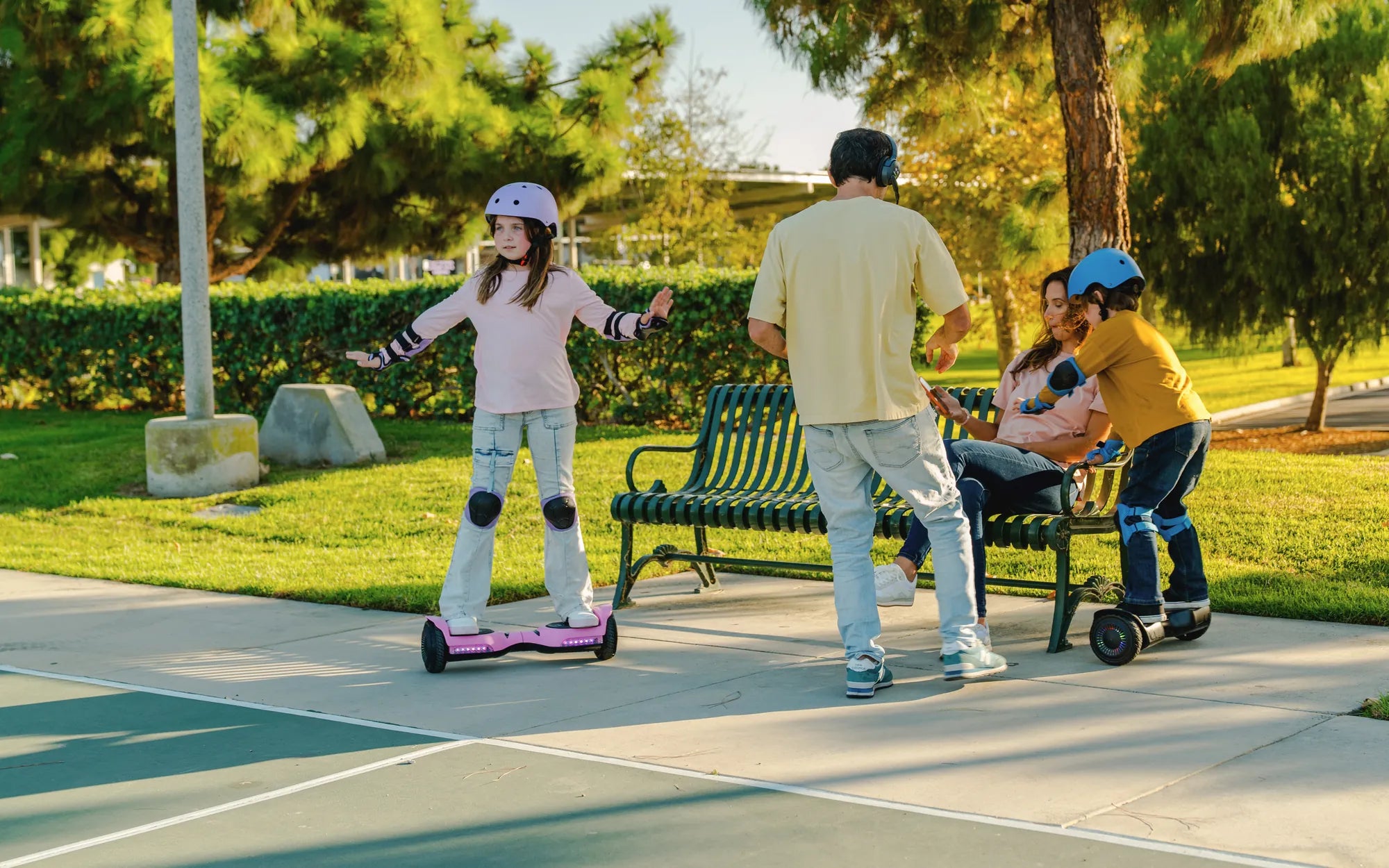
Non-Negotiable Safety Gear: A properly fitted CPSC-certified bicycle helmet is an absolute must for every ride. For beginners, supplement this with knee pads and elbow pads. Wrist guards are also highly recommended, as falls often involve outstretched hands. This gear significantly reduces the risk of scrapes, sprains, and fractures.
Choosing the Practice Environment: Start on a smooth, flat, hard surface away from traffic, slopes, and water. Empty tennis courts, basketball courts, or smooth driveways are ideal. Clearly define boundaries for where riding is allowed. Always inspect the area for debris, cracks, or gravel that could catch a wheel.
Supervision and Skill Building: Actively supervise all early riding sessions. Teach the basic sequence: proper stance, gentle push, coasting with both feet on the deck, and controlled braking by dragging a foot or using a rear fender brake. Practice safe dismounts. Emphasize that scooters are for pavement, not stairs or jumps, until much older and more skilled.
Understanding Scooter Types: A Data-Driven Comparison
To contextualize the small kids steel scooter, it's helpful to compare it against other common types. The following table outlines key differences based on primary use-case, frame material, and typical rider.
| Type | Best For | Frame Material | Key Features | Weight Limit | Parental Consideration |
|---|---|---|---|---|---|
| Small Kids Steel Scooter | Ages 2-5, Beginners | Steel | Wide deck, small PU wheels, adjustable T-bar, lean-to-steer | Up to 110 lbs | Optimal stability & durability for learning; heavier. |
| Lightweight Aluminum Scooter | Ages 5+, Intermediate | Aluminum Alloy | Folding mechanism, larger wheels for speed, hand brake | Up to 176 lbs | Portable and fast, but less stable for very young riders. |
| Electric Kick Scooter | Teens & Adults, Commuting | Aluminum/Steel Composite | Electric motor, battery, digital display, suspension | Up to 220 lbs | Requires maturity for speed control; not for young children. |
As shown, the small kids steel scooter is uniquely engineered for the developmental stage of early childhood, prioritizing safety and learning over portability or speed.
Gyroor's Commitment to Your Child's Ride
While renowned for its advanced electric scooters and e-bikes for older riders and adults, the engineering principles at Gyroor directly inform a safety-first philosophy applicable to all products. Trusted by over 100,000 riders, the brand's commitment to robust construction is paramount.
This expertise translates into an understanding of frame integrity, reliable components, and user safety. For instance, Gyroor's strict adherence to UL-certified battery standards for its electric models reflects a systemic commitment to hazard prevention. This same rigor in sourcing and testing is applied to all mechanical components.
Furthermore, features like IPX5 water-resistant design on electric models underscore a build quality that withstand real-world conditions—a benefit parents would seek in a traditional scooter facing puddles and damp sidewalks. Backed by a reliable 1-year warranty and accessible customer support, choosing a brand with this engineering heritage means investing in proven durability and peace of mind.
Maintenance and Care for Longevity
Proper maintenance ensures your small kids steel scooter remains safe and functional for years. A simple, regular routine is all that's required.
Regular Inspection: Before each ride, perform a quick check. Ensure the T-bar clamp is tight and the height is secure. Check that wheels spin freely without wobbling. Confirm the folding mechanism (if present) is locked. Look for any visible cracks or damage to the frame, especially near welds.
Cleaning and Storage: Wipe down the scooter with a damp cloth to remove dirt and grit. Avoid high-pressure water sprays, which can force water into bearings. Dry the scooter before storage. Store indoors in a dry place to prevent rust on the steel frame and corrosion on any metal parts.
Component Care: Periodically check wheel nuts for tightness. Listen for grinding noises from wheels, which may indicate bearings need cleaning or replacement. If the scooter has a brake, ensure the brake pad is not overly worn and contacts the wheel properly. A drop of lubricant on the folding hinge and wheel bearings every few months will keep action smooth.
Frequently Asked Questions (FAQ)
Q: What is the best age for a child to start on a steel scooter?
A: Most children are ready between ages 2 and 3, provided they can walk and run confidently and have the coordination to stand on one foot briefly. Always assess your individual child's physical development and interest.
Q: Are steel scooters too heavy for a 3-year-old to carry?
A> While heavier than plastic models, a well-designed small kids steel scooter typically weighs 4-6 lbs. This weight aids stability while riding. Most children of this age will not carry it long distances, but can manage short lifts. The trade-off for durability and safety is worth it.
Q: How do I maintain and care for a steel scooter?
A> Regular maintenance is simple: keep it clean and dry, check all bolts and clamps for tightness monthly, and ensure wheels spin freely. Store it indoors. Periodically inspect for rust; surface rust can be gently removed with a brush and the area touched up with paint to protect the metal.
Q: Can this scooter be used indoors?
A> It is not recommended. The hard PU wheels are designed for pavement and can damage hardwood, laminate, or tile floors. Indoor use also increases the risk of collisions with furniture. These scooters are best for outdoor, supervised play on appropriate surfaces.
Q: What's the weight limit for a typical small kids steel scooter?
A> Standard weight limits range from 110 to 132 pounds (50-60 kg). This is designed to safely accommodate children through the early elementary years. Always adhere to the manufacturer's specified limit for safety and to prevent frame stress.
Conclusion: Investing in Confidence and Fun
Choosing a small kids steel scooter is a decision that prioritizes your child's safety, skill development, and long-term enjoyment. The robust steel frame provides a stable, durable platform that withstands the rigors of learning, while features like an adjustable T-bar and controlled steering mechanisms support growing confidence and ability.
By pairing this thoughtfully engineered equipment with mandatory safety gear and active supervision, you create an environment where your child can thrive. The physical benefits—improved balance, coordination, and motor skills—are matched by the joy of independent outdoor play. This investment pays dividends in years of active fun and foundational development.
For parents seeking this level of quality and safety in motorized options as their children grow, the principles remain the same. Explore engineering-focused brands that prioritize durability and certified safety. Discover the full range of UL-certified, robustly designed electric scooters and e-bikes for older riders at gyroorboard.com.
Best Electric Self Balancing Scooter: Ultimate Guide to Your Perfect Ride
Self Balancing Scooter Comparison: Finding the Best Ride for You