


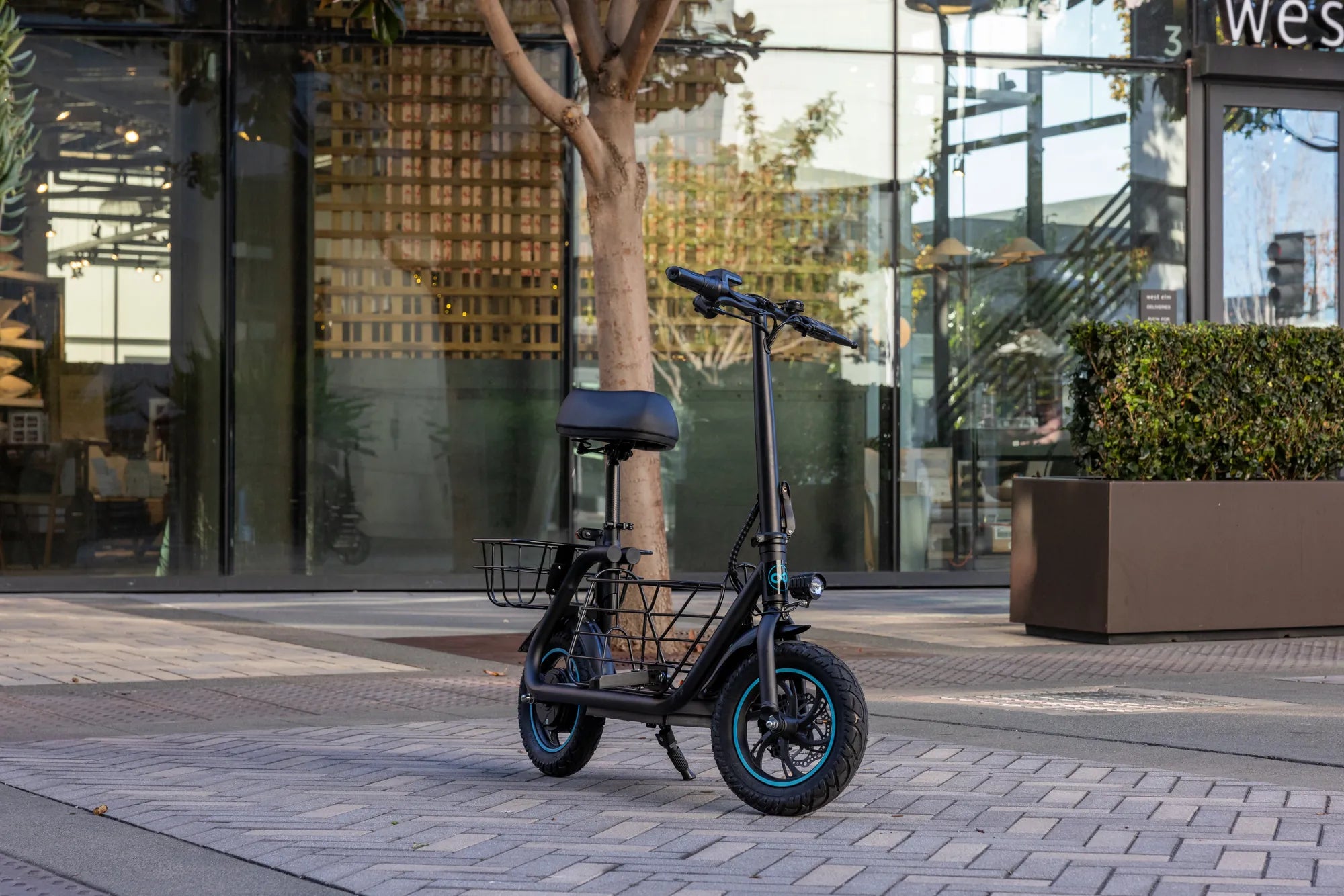
Riding a smart balance scooter can be an exhilarating experience, but did you know that exceeding the weight limit could turn your fun ride into a safety hazard? Whether you're a beginner or a seasoned rider, knowing the weight capacity of your scooter is essential for a smooth and secure journey. Let's dive into everything you need to know about smart balance scooter weight limits.
Why Weight Limits Matter
Smart balance scooters are designed with specific weight capacities to ensure optimal performance and safety. Exceeding the recommended weight limit can strain the motor, reduce battery life, and even lead to accidents. Manufacturers set these limits based on the scooter's structural integrity, motor power, and battery efficiency. Ignoring them could result in premature wear and tear or, worse, a sudden breakdown mid-ride.
How Weight Affects Performance
The weight of the rider directly impacts the scooter's speed, balance, and battery duration. Heavier riders may notice slower acceleration, reduced top speed, and shorter battery life. The scooter's gyroscopic sensors, which help maintain balance, also work harder under excess weight, potentially leading to instability. If you're close to the weight limit, consider testing the scooter in a controlled environment before taking it on longer rides.
Finding the Right Scooter for Your Weight
Not all smart balance scooters are created equal. Some models are built for lighter riders, while others cater to heavier individuals. When shopping, always check the manufacturer's specifications for the maximum weight capacity. If you're on the heavier side, look for scooters with reinforced frames, powerful motors, and larger wheels for better stability. Don't compromise on safety—choose a scooter that comfortably supports your weight.
Tips for Riding Within the Weight Limit
Even if you're within the recommended weight range, there are ways to maximize your scooter's performance. Avoid carrying heavy backpacks or additional loads, as they add unnecessary strain. Regularly check tire pressure and ensure the battery is fully charged before each ride. Proper maintenance goes a long way in extending the lifespan of your scooter, regardless of your weight.
The Risks of Ignoring Weight Limits
Pushing your scooter beyond its weight capacity isn't just about performance—it's a safety risk. Overloaded scooters are more prone to tipping, especially on uneven terrain. The motor and battery may overheat, leading to potential malfunctions. In extreme cases, the frame could crack or the wheels might buckle under pressure. Always prioritize safety over convenience.
Ready to hit the streets with confidence? By understanding and respecting your smart balance scooter's weight limit, you'll enjoy a smoother, safer, and more enjoyable ride every time. Don't let a simple oversight ruin your fun—choose wisely and ride responsibly!
Electric Scooter on Road Price in Kerala: A Comprehensive Guide
What Speed Electric Scooter Safe for Kids: A Parent's Guide