

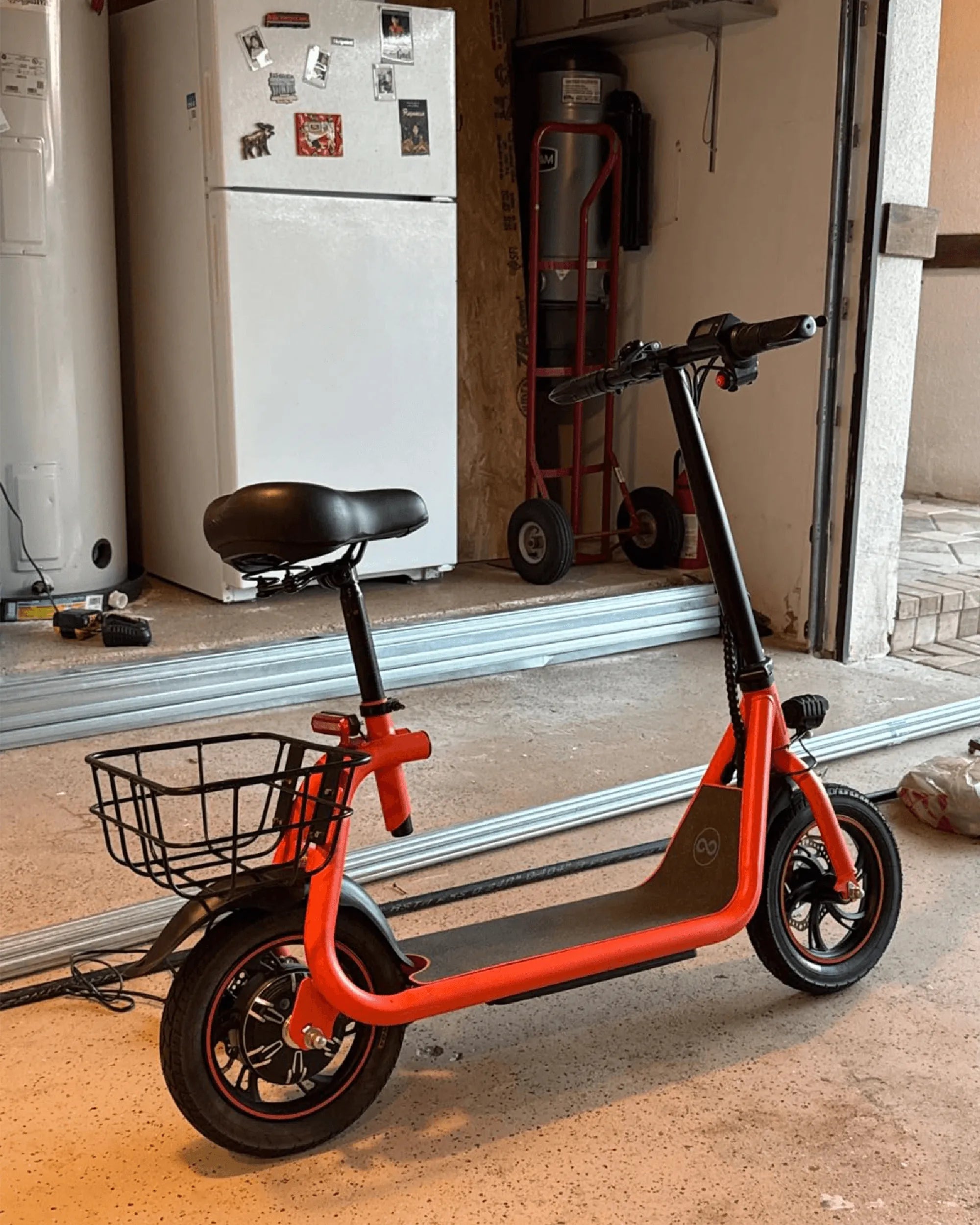
If you're tired of flat tires ruining your scooter rides, solid scooter tires might be the game-changer you've been waiting for. Unlike traditional pneumatic tires, these rugged alternatives promise unmatched durability and hassle-free maintenance. But are they right for you? Let's dive into the world of solid scooter tires and uncover everything you need to know.
What Are Solid Scooter Tires?
Solid scooter tires, also known as airless or foam-filled tires, are designed to eliminate the risk of punctures and flats. Made from dense rubber or polyurethane compounds, they provide a sturdy, maintenance-free riding experience. Unlike pneumatic tires, which rely on air pressure, solid tires maintain their shape and performance without the need for inflation.
Benefits of Solid Scooter Tires
One of the biggest advantages of solid scooter tires is their puncture-proof nature. No more worrying about nails, glass, or sharp debris ruining your ride. They also require minimal maintenance—no air pressure checks or patching kits needed. Additionally, solid tires tend to last longer than their pneumatic counterparts, making them a cost-effective choice in the long run.
Drawbacks to Consider
While solid scooter tires offer many benefits, they aren't without drawbacks. The most notable is their ride quality. Without air cushioning, these tires can feel harsher on rough terrain. They also tend to be heavier, which might affect your scooter's speed and maneuverability. Lastly, solid tires often provide less traction in wet conditions compared to pneumatic options.
Who Should Use Solid Scooter Tires?
Solid scooter tires are ideal for commuters who prioritize reliability over comfort. If you ride in urban areas with debris-strewn streets or simply don't want the hassle of maintenance, these tires are a great fit. However, if you're into off-road adventures or value a smooth ride, you might want to stick with pneumatic tires.
How to Choose the Right Solid Scooter Tires
When selecting solid scooter tires, consider factors like size, material, and tread pattern. Ensure the tires are compatible with your scooter's wheel size. Polyurethane tires are lighter and offer better shock absorption, while rubber tires are more durable. The tread pattern should match your riding environment—slick for smooth surfaces and knobby for rough terrain.
Installation Tips
Installing solid scooter tires can be tricky due to their rigidity. Using tire levers and lubricant can make the process easier. If you're not confident in your mechanical skills, it's best to seek professional help to avoid damaging your wheels or tires.
Maintenance and Longevity
Though solid scooter tires require less maintenance, it's still important to inspect them regularly for wear and tear. Rotating the tires periodically can ensure even wear and extend their lifespan. Cleaning them with mild soap and water will keep them in top condition.
Ready to ditch the flats and enjoy a worry-free ride? Solid scooter tires offer a robust solution for riders who value durability and convenience. Whether you're a daily commuter or a casual rider, these tires could be the upgrade your scooter needs. Say goodbye to punctures and hello to endless rides!
125cc Dirt Bike Motor: The Ultimate Guide to Power and Performance
Scooter Helmets Near Me: Your Ultimate Guide to Finding the Perfect Fit