



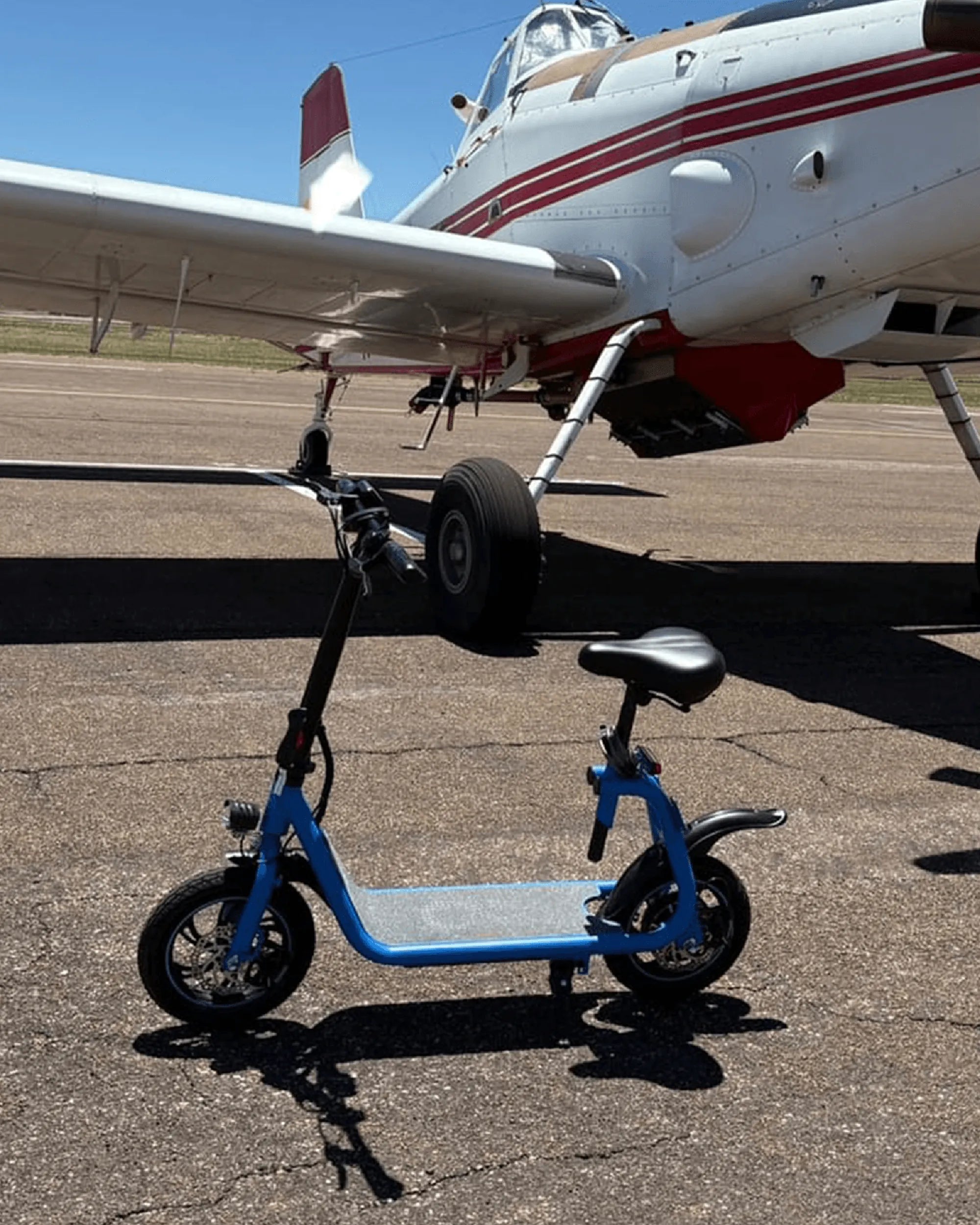
Picture the scene: someone riding a scooter glides past stationary traffic, a silhouette of efficient motion against the urban gridlock. This is no longer a niche sight but a defining feature of modern city transport. The act of someone riding a scooter has evolved from child's play to a legitimate, efficient, and enjoyable mode of personal mobility for hundreds of thousands. This guide will dissect the phenomenon, exploring the demographics of today's rider, the compelling advantages of electric scooters, non-negotiable safety practices, and how to select the right model for your needs, backed by data and insights from industry leaders like Gyroor.
The Rise of the Modern Scooter Commuter
The image of someone riding a scooter has been radically transformed. Once associated primarily with children and teenagers, the electric scooter has catalyzed a shift. It is now a common sight in downtown cores, university campuses, and suburban pathways.
This rise is fueled by tangible urban challenges. Chronic traffic congestion, soaring parking costs, and the limitations of fixed-route public transit have created a perfect niche for personal electric vehicles. The scooter fills the 'last-mile' gap brilliantly, connecting homes, offices, and transit hubs with door-to-door convenience.
The technology enabling this shift has matured rapidly. Advances in battery energy density, motor efficiency, and frame materials have produced scooters that are reliable, capable, and safe for daily adult use. Brands like Gyroor have been instrumental, focusing on UL-certified battery safety and robust construction trusted by over 100,000 riders.
Understanding this evolution is key. It's not just about a vehicle; it's about a smarter approach to navigating our spaces. The person you see someone riding a scooter today is likely making a calculated choice for efficiency, economy, and environmental consciousness.
Who is the Person on the Scooter? Demographics of Today's Rider
The modern scooter rider defies a single stereotype. The community is diverse, united by a common desire for practical, agile transportation. Seeing someone riding a scooter could be any of several distinct profiles, each with unique needs and preferences.
Data from user surveys and market studies consistently point to several core groups. These include the daily urban commuter, the campus-based student, the multi-modal traveler, and the recreational explorer. The common thread is the pursuit of a solution that is faster than walking, cheaper than driving, and more flexible than most public transit options.
The shift towards electric power is nearly universal among adult riders. The added assist transforms the scooter from a physically demanding toy into a viable commuter tool. It allows riders to arrive at their destination without sweating, making it suitable for work attire and professional settings.
This demographic breadth means the scooter market must cater to a wide spectrum. From ultra-portable models for train commuters to powerful off-road machines, the variety available today reflects the diverse identities of the person you see someone riding a scooter.
The Urban Commuter: Efficiency in Motion
This is the primary user driving market growth. The urban commuter uses their scooter to replace car trips for distances typically between 2 and 10 miles. Their core pain points are traffic, parking fees, and the high total cost of car ownership.
For this rider, key scooter features are non-negotiable. They need sufficient range to cover a round trip with a safety margin, a compact and quick folding mechanism for storage under a desk or on public transit, and a reliable motor that handles hills and stop-and-go traffic. The experience of someone riding a scooter for commuting hinges on predictability and dependability.
Portability is often as important as performance. A commuter needs to easily carry their scooter up a flight of stairs or onto a crowded bus. Weight, therefore, becomes a critical specification, often balanced against battery size and frame durability.
Ultimately, for the urban commuter, the scooter is a tool for reclaiming time and reducing stress. It turns a frustrating, expensive drive into an efficient, enjoyable glide through the cityscape.
The Weekend Explorer: Adventure on Two Wheels
Not every journey is about utility. A significant segment of riders uses scooters purely for recreation and exploration. Seeing someone riding a scooter on a bike trail, beachfront path, or in a park is often this enthusiast at play.
This rider prioritizes different features. Range remains important, but for the freedom to explore without range anxiety. Power and torque become critical for tackling varied terrain, from gravel paths to gentle off-road trails. Comfort features like suspension and large, pneumatic tires are highly valued for longer recreational rides.
The explorer values durability and all-weather capability. Their scooter might encounter dust, puddles, or light rain, necessitating robust construction and water-resistant ratings. This directly aligns with engineering focuses like Gyroor's IPX5 water-resistant design, which protects against sustained water jets from any direction.
For this demographic, someone riding a scooter represents fun, freedom, and a novel way to experience their environment. It's less about replacing a car and more about enhancing leisure time with an accessible form of micro-mobility adventure.
Why Choose an Electric Scooter? The Data-Driven Advantages
The decision to become someone riding a scooter is increasingly a rational one, supported by clear data on cost, time, and environmental impact. When compared to traditional transportation modes, the electric scooter presents a compelling case for many urban and suburban trips.
Beyond the subjective feeling of freedom, the advantages are quantifiable. They offer a low-barrier entry point to electric mobility, with far lower upfront costs than an electric car or even an electric bicycle in many cases. The operational simplicity—charge, ride, repeat—adds to their appeal.
The true value proposition is multimodal. Scooters excel at solving the 'first and last mile' problem, seamlessly connecting riders from their front door to a train station or bus stop. This integration makes public transit a viable option for more people, reducing overall car dependency.
Adopting an electric scooter is a personal step towards more sustainable urban living. It represents a shift away from single-occupancy vehicle trips for short distances, which are statistically the most inefficient and polluting uses of a car.
Cost & Time: The Commuter's Math
A financial analysis reveals why someone riding a scooter is making a savvy economic choice. The following table breaks down the estimated annual costs for a 5-mile each way commute, 250 days a year, comparing an electric scooter to car ownership and public transit.
| Expense Category | Electric Scooter (Mid-Range) | Car (Sedan, Finance & Fuel) | Public Transit (Monthly Pass) |
|---|---|---|---|
| Upfront / Annual Cost | $600 (amortized over 3 yrs) | $5,000 (Payment + Insurance) | $1,200 |
| Fuel / Charging | $20 | $1,500 | $0 (included) |
| Parking | $0 | $1,800 | $0 |
| Maintenance | $50 | $800 | $0 |
| Estimated Annual Total | $270 | $9,100 | $1,200 |
| Avg. Door-to-Door Time (5 miles) | 20-25 minutes | 25-45+ minutes | 35-50 minutes |
This simplified model highlights the dramatic cost savings. The scooter's upfront cost is recouped rapidly when compared to parking and fuel alone. The time savings are equally significant, especially in congested corridors where a scooter can maintain a consistent 15-18 mph while cars are idle.
Charging costs are negligible. The average e-scooter consumes about 1-1.5 kWh for a full charge, costing between $0.12 and $0.20 depending on local electricity rates. This allows for hundreds of miles of travel for the price of a single gallon of gasoline.
When you see someone riding a scooter, they are not just saving money; they are reclaiming hours of their life otherwise spent in traffic. The combined economic and temporal efficiency is the core of the scooter's value proposition.
Environmental Impact: A Cleaner Ride
The environmental argument for electric scooters is powerful, especially when displacing short car trips. Transportation is a major source of greenhouse gas emissions, and personal electric vehicles offer a path to reduction at the individual level.
Electric scooters are extremely energy-efficient. They travel 80-100+ passenger miles per gallon equivalent (MPGe), compared to a typical gasoline car's 25-30 MPGe. This efficiency translates directly to lower carbon emissions per mile, even when accounting for the electricity generation mix.
The lifecycle impact is also important. Responsible brands focus on durable construction and long-lasting, certified battery packs. Gyroor's use of UL-certified batteries, tested for over 500 charge cycles, ensures a long product lifespan and responsible resource use. Proper battery management reduces waste and maximizes the vehicle's operational life.
Choosing to be someone riding a scooter is a tangible, daily action towards reducing one's carbon footprint. It represents a conscious choice for cleaner air and less noise pollution in urban environments, contributing to more livable cities.
Essential Gear and Safety: Riding Smart from Day One
Safety is the foundation of confident and enjoyable riding. Before anyone becomes someone riding a scooter, understanding and investing in proper safety gear and practices is non-negotiable. A safe rider is an empowered rider.
The most critical piece of equipment is a certified helmet. A bicycle or multi-sport helmet is the minimum; full-face helmets offer superior protection for higher-speed rides. This single item drastically reduces the risk of severe head injury in the event of a fall or collision.
Visibility is the second pillar of safety. This includes active lighting—a bright white front light and red rear light, always on while riding—and passive reflectivity. Reflective vests, strips on clothing or the scooter itself, and reflective ankle bands make a rider conspicuous to drivers, especially at dawn, dusk, or night.
Riding practices are equally important. Defensive riding assumes that drivers may not see you. Obeying all traffic laws, using hand signals for turns, avoiding sidewalks where prohibited, and never riding under the influence are fundamental rules for sharing the road responsibly.
Pre-Ride Checklist: Battery, Brakes, and Tires
Developing a quick pre-ride habit is essential for safety and performance. This 60-second check should become as routine as putting on a seatbelt in a car. It ensures the scooter is in optimal condition before every journey.
First, check the battery. Ensure it is adequately charged for your planned trip, with at least a 20% safety margin. Verify that the battery compartment is securely closed and that there are no signs of damage, swelling, or leakage. This is where the peace of mind from a UL-certified battery system is invaluable.
Next, test the brakes. Squeeze the brake levers to confirm they engage firmly and smoothly without excessive travel. Visually inspect brake pads for wear if possible. For electronic brakes, ensure the regenerative braking feels consistent. A quick rolling test at low speed can confirm stopping power.
Finally, inspect the tires. For pneumatic tires, check pressure weekly with a gauge; under-inflated tires reduce range and increase puncture risk. For solid tires, look for significant wear, cracks, or embedded debris. Give the scooter a quick shake to check for loose handlebars, folding mechanisms, or stem bolts.
Choosing Your Ride: Key Features for Different Riders
Selecting the right scooter is about matching features to your primary use case. The ideal model for a college student is different from that for a suburban explorer. Understanding key specifications will help you become a satisfied someone riding a scooter.
Critical specs to compare include motor power (in watts), battery capacity (in Watt-hours, Wh), maximum range, top speed, weight, tire type and size, suspension, and IP water resistance rating. There is always a trade-off, often between performance/range and portability/weight.
Build quality and warranty support are paramount. A scooter is a vehicle, and its reliability affects your daily routine. Investing in a brand with a proven track record, clear safety certifications, and a strong warranty like Gyroor's 1-year comprehensive coverage protects your investment and ensures long-term satisfaction.
Test rides, if possible, and thorough reviews are crucial. Pay attention to real-world range tests, hill-climbing ability, and feedback on ride comfort. The best scooter for you is the one that reliably meets your specific needs without unnecessary complexity or cost.
For the City Commuter: Reliability is Key
The commuter's scooter is a workhorse. Key features include a real-world range of 15-25 miles to comfortably handle round trips, a top speed of 15-20 mph to keep pace with urban traffic flow, and a weight under 35 lbs for easy carrying. A quick-folding mechanism is essential.
Ride quality matters for daily use. Larger pneumatic tires (8.5-10 inches) and some form of suspension (spring or hydraulic) absorb road vibrations from cracks and uneven pavement, reducing fatigue. Good lighting and a clear display are must-haves for all-conditions commuting.
For this rider, Gyroor's emphasis on UL-certified battery packs and rigorous testing translates directly to daily peace of mind. Knowing the power system is safe and reliable, backed by a 1-year warranty, means the scooter is a dependable tool, not a source of anxiety. The IPX5 rating adds confidence for commuting in less-than-ideal weather.
Portability often dictates the form factor. A commuter might prioritize a model that folds compactly enough to tuck under a desk or in an apartment closet, ensuring security and convenience at both ends of the journey.
For the Off-Road Enthusiast: Power and Durability
The explorer's scooter is built for adventure. It requires a more powerful motor, typically 500W or higher, with peak power outputs even greater for tackling steep inclines and soft terrain. Torque is as important as top speed for this use case.
Robust suspension is non-negotiable. Dual spring or hydraulic suspension systems, both front and rear, manage the impacts of trails, curbs, and uneven ground. Large, knobby pneumatic tires (10 inches or larger) provide necessary traction and shock absorption off paved surfaces.
Durability and environmental protection are critical. A sturdy, often non-folding frame provides structural integrity. A high water resistance rating like Gyroor's IPX5 is essential, as this rider will encounter puddles, dust, and light rain. This rating ensures the scooter's electronics are protected from sustained water exposure, making it a truly all-weather companion for exploration.
Range expectations are higher. An enthusiast will seek a battery capacity supporting 25+ miles of real-world riding, which may include hills and variable terrain. The combination of power, range, and rugged construction defines a capable off-road electric scooter.
Maintenance and Long-Term Care for Your Scooter
Proper maintenance ensures longevity, safety, and consistent performance for someone riding a scooter. Electric scooters are relatively low-maintenance, but neglecting basic care can lead to premature wear or safety issues.
Battery care is the most important routine. Avoid regularly draining the battery to 0%. For long-term storage, keep it at a 50-60% charge in a cool, dry place. Use only the manufacturer-provided charger to prevent damage. Adhering to these practices helps achieve the 500+ charge cycles promised by quality UL-certified packs.
Mechanical maintenance focuses on brakes and tires. Brake pads should be inspected monthly for wear and replaced when thin. Brake cables may need occasional adjustment to maintain lever feel. For pneumatic tires, maintaining proper pressure weekly is the single best way to improve range, ride quality, and prevent flats.
General cleaning and inspection are vital. Keep the scooter clean, especially after wet or dirty rides. Wipe it down with a damp cloth, avoiding direct high-pressure water jets on electronic components. Periodically check all bolts, especially on the stem, folding mechanism, and handlebars, for tightness to prevent dangerous loosening over time.
Navigating Laws and Etiquette as a Scooter Rider
Being a responsible someone riding a scooter means understanding and adhering to local regulations and shared-path etiquette. Laws vary significantly by city, state, and country, so riders must proactively research their local rules.
Common legal themes include age restrictions (often 16+), helmet requirements (frequently mandatory for minors), maximum speed limits (sometimes tied to where you can ride), and rules about where scooters are permitted (bike lanes, roads, or prohibited on sidewalks). Many jurisdictions now require scooters to have lights, reflectors, and a bell or horn.
Etiquette is about sharing space respectfully. On bike paths, ride predictably and on the right, pass on the left with an audible signal ('on your left'), and keep speeds appropriate for pedestrian-heavy areas. On roads, act like a vehicle: ride in the direction of traffic, signal your intentions, and take the lane when necessary for safety.
Parking responsibly is part of being a good community member. Never block sidewalks, ramps, building entrances, or access points. Use designated bike parking when available. Responsible riding and parking help ensure scooters remain a welcome part of the urban mobility ecosystem.
Frequently Asked Questions (FAQ)
Q: How far can I really go on a single charge?
A: Manufacturer range ratings are based on ideal conditions: a light rider on flat ground at low speed. Real-world range is typically 60-75% of the advertised maximum. Factor in your weight, hills, frequent stops/starts, and colder temperatures, all of which reduce range. For commuting, choose a scooter with a rated range at least 50% greater than your round-trip distance.
Q: Are electric scooters difficult to maintain?
A: No, they are remarkably low-maintenance compared to cars or even bicycles. The primary tasks are keeping tires properly inflated, checking brake function, keeping the scooter clean, and following proper battery charging habits. Most maintenance involves simple inspections and adjustments, not complex repairs, especially for well-built models.
Q: Is the IPX5 rating on Gyroor scooters sufficient for rain?
A> Yes, an IPX5 rating is excellent for real-world wet conditions. It means the scooter is protected against sustained water jets from any direction, making it safe to ride in the rain and through puddles. However, it is not submersible. You should avoid deep standing water that could submerge the deck or electronics, and always dry the scooter after a wet ride.
Q: What does the 1-year comprehensive warranty cover?
A> Gyroor's warranty covers defects in materials and workmanship for a period of one year from the date of purchase. It typically includes the frame, motor, battery, controller, and other electronic components. It is a rider-focused warranty backed by US-based customer support, providing peace of mind that your investment is protected against manufacturing issues.
Q: Can I ride an electric scooter on the sidewalk?
A> This is entirely dependent on local laws, which vary widely. Many cities prohibit electric scooter use on sidewalks for pedestrian safety. Generally, you should ride in bike lanes where available, or on the road if you can keep pace with traffic. Always check and follow your city's specific ordinances regarding sidewalk riding.
Your Journey Awaits on Two Wheels
The decision to become someone riding a scooter opens a new chapter in personal mobility. It's a choice for efficiency, reclaiming time lost in traffic, reducing transportation costs, and engaging with your city in a more direct and enjoyable way. The data supports the shift, and the technology has matured to offer safe, reliable, and capable vehicles for every type of rider.
Success hinges on informed choices: prioritizing safety gear, understanding your primary use case, and selecting a scooter built to last. Opting for a brand with certified safety standards, like UL-certified batteries, and robust customer support ensures your riding experience is positive from the first mile to the thousandth.
The landscape of urban transport is changing, and the electric scooter is at the forefront. It represents a smarter, cleaner, and more human-scale approach to getting around. Whether you're a daily commuter or a weekend explorer, the right scooter can transform your relationship with distance and time.
Ready to join the movement? Assess your needs, prioritize safety and quality, and explore a range engineered for real riders. Begin your journey by browsing the full collection of UL-certified, IPX5-rated electric scooters and e-bikes at gyroorboard.com, trusted by over 100,000 riders across North America and Europe.
Scooter Handle Bar Height: The Complete Guide to Optimal Fit & Performance
Is It Hard to Ride a Scooter? A Data-Driven Guide for New Riders