



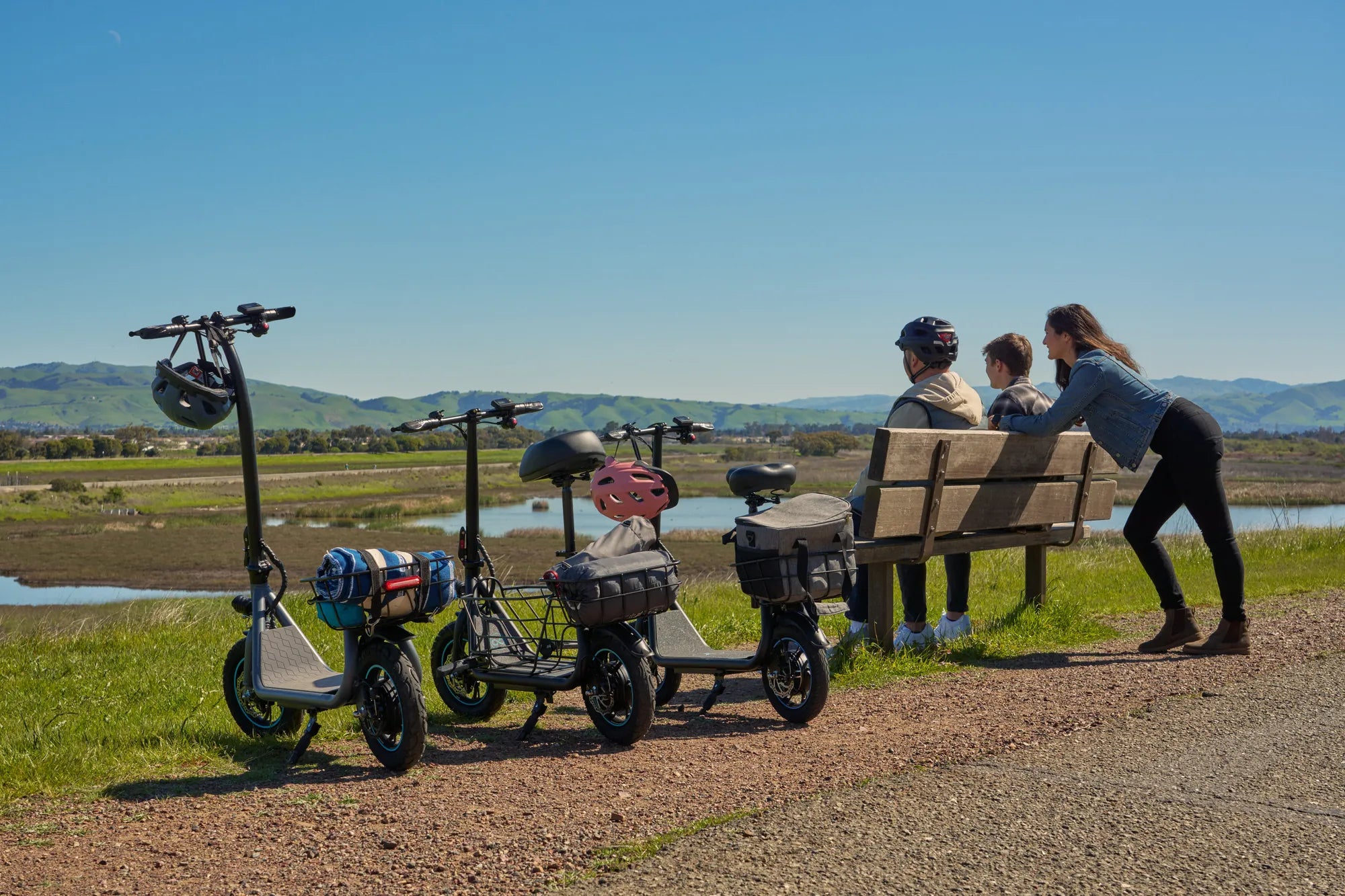
Forget the generic commuter bike. A specialized e bike represents the pinnacle of electric two-wheeled engineering, built not just for transportation but for conquering specific terrain with precision, power, and passion. Whether you dream of climbing alpine singletrack, completing century rides with ease, or embarking on multi-day gravel adventures, a specialized e-bike is a tool meticulously crafted for the task. This guide will dissect what makes these machines exceptional, helping you understand the technology, identify the right type for your goals, and make an informed investment in high-performance electric cycling.
What is a Specialized E-Bike? Beyond the Brand Name
The term "specialized e bike" carries a dual meaning. First, it references Specialized Bicycles, a leading manufacturer renowned for its high-end road, mountain, and electric bicycles. Second, and more broadly for our purposes, it describes a category of premium electric bicycles engineered for a specific riding discipline rather than general-purpose use.
Unlike standard commuter e-bikes designed for paved urban environments, a specialized e-bike is purpose-built. Its frame geometry, motor tuning, suspension design, and component selection are all optimized for a primary use case: aggressive mountain biking, efficient road cycling, or rugged gravel exploration. This targeted engineering justifies a higher price point but delivers unmatched performance within its intended domain.
The core philosophy is integration and performance. Every part works in harmony. The motor is not an add-on but a central, balanced component of the frame. The battery is seamlessly housed within the downtube. The drivetrain and brakes are selected from top-tier manufacturers to handle the increased speeds and forces that electric assistance enables.
For riders seeking the ultimate tool for a specific type of riding, investing in a specialized e bike is the logical step. It transforms challenging terrain into accessible enjoyment and pushes the boundaries of what's possible on two wheels.
Core Components of a Specialized E-Bike
The distinction between a standard e-bike and a specialized e bike is evident in its fundamental architecture. Three core systems define its capabilities and riding character: the motor and drivetrain, the frame and geometry, and the integrated battery system.
General-purpose e-bikes often use hub motors for simplicity. Specialized models almost exclusively employ sophisticated mid-drive motors. This placement centralizes mass, improves handling, and allows the motor's power to leverage the bicycle's gears, providing optimal torque across a wide speed range.
The frame is the foundation. Materials like high-grade aluminum alloys or carbon fiber are used not just for lightness but for specific ride qualities—stiffness for power transfer or compliance for comfort. The geometry (angles and lengths of tubes) is precisely calculated for stability at speed, agility in corners, or comfort over long distances.
Finally, battery integration is both an aesthetic and functional triumph. Large-capacity batteries are hidden within the frame, protecting them from impacts and improving aerodynamics. Smart Battery Management Systems (BMS) monitor cell health and optimize power delivery for maximum range and longevity.
Motor & Drivetrain: The Heart of Performance
The motor in a specialized e bike is a masterpiece of integration. Brands like Bosch, Shimano STEPS, Brose, and Specialized's own SL system dominate this space. These mid-drive motors are mounted at the bike's crank spindle, driving the chainring directly.
Key specifications include torque, measured in Newton-meters (Nm). Trail-oriented e-MTBs may feature motors with 85Nm to 90Nm of torque for explosive climbing, while lightweight e-road bikes might use subtler 35Nm to 50Nm motors for a more natural feel. The motor's software defines multiple support modes (Eco, Tour, Sport, Turbo), allowing riders to fine-tune assistance and battery consumption.
This motor is paired with a high-performance drivetrain. You'll find groupsets from SRAM or Shimano's Deore, SLX, XT, or even XTR series on e-MTBs, and Dura-Ace or Ultegra derivatives on e-road bikes. These components are built to handle the constant high torque input from the motor, ensuring crisp, reliable shifting under load.
Frame & Geometry: Built for a Purpose
A specialized e bike frame is a study in applied physics. For an e-MTB, the geometry will feature a slack head tube angle (around 65 degrees) for stability on steep descents, a long wheelbase for control, and a low bottom bracket for cornering confidence. Suspension kinematics are carefully tuned to work with the motor's power delivery.
In contrast, an e-road bike frame prioritizes aerodynamics, stiffness, and light weight. Tube shapes are wind-tunnel optimized, and geometry is race-inspired but often slightly more relaxed for endurance. An e-gravel bike frame will have additional clearance for wide tires, mounting points for bags and bottles, and a longer, more stable wheelbase for handling loose surfaces.
The material choice directly impacts ride quality and cost. Carbon fiber offers the best blend of lightness, stiffness, and vibration damping but commands a premium. Advanced aluminum alloys provide excellent strength and value, often forming the backbone of mid-range specialized models.
Battery Integration & Range
Battery capacity in a specialized e bike is measured in Watt-hours (Wh), indicating total energy storage. Common capacities range from 375Wh for lightweight systems to 750Wh or more for long-range touring and mountain biking. Real-world range varies dramatically: a 500Wh battery might deliver 30 miles in Turbo mode on hilly trails, or over 100 miles in Eco mode on flat roads.
Integration is key. Internal routing protects wiring, and sleek designs make the battery virtually invisible. Many systems offer optional range extenders—secondary batteries that plug into bottle cage mounts. Charging times typically range from 3 to 6 hours for a full charge, depending on the charger's amperage.
Smart features are standard. Through a Bluetooth connection and a companion app, riders can check battery health, update firmware, customize support profiles, and track ride data. This level of connectivity and control is a hallmark of the specialized e bike experience.
Types of Specialized E-Bikes and Their Ideal Riders
The world of specialized e bikes is segmented by discipline. Understanding these categories is the first step to finding your perfect match. Each type represents a different philosophy of design, performance, and rider experience.
From the adrenaline-fueled trails of the mountains to the smooth tarmac of country roads, there is a specialized e bike engineered to excel. The right choice amplifies your strengths and opens new doors to adventure, fitness, and exploration.
Riders should self-identify by their primary terrain and ambition. Are you looking to access remote backcountry trails? Keep up with faster group rides? Or embark on self-supported bikepacking trips? Your answer points directly to one of the following categories.
Specialized E-Mountain Bikes (E-MTBs)
E-MTBs are the most recognizable type of specialized e bike. They are built to tackle technical singletrack, steep climbs, and rugged descents. Full-suspension designs with 140mm to 170mm of travel are common, absorbing impacts from roots and rocks. Hardtail e-MTBs (with front suspension only) offer a more direct, efficient ride for less technical trails.
These bikes feature the most powerful motors, high-capacity batteries, and ultra-robust components. Hydraulic disc brakes with large 200mm+ rotors are essential for controlling increased speed and weight on descents. Wide, knobby tires provide traction in loose conditions.
The ideal e-MTB rider is a mountain biking enthusiast who wants to ride longer, climb more vertical feet, and access remote trails without exhaustion. They value durability, control, and the sheer fun of conquering challenging terrain with powerful assistance.
Specialized E-Road & E-Gravel Bikes
E-Road bikes bring electric assistance to the world of drop-bar cycling. The goal is subtlety and integration. Motors are smaller and lighter, often specially tuned to provide a smooth, natural boost that feels like a strong tailwind. The focus is on extending range on long rides, helping riders stay with faster groups, or making hilly routes more accessible.
E-Gravel bikes are the adventurers. They blend the geometry and comfort of a gravel bike with a capable, often slightly more powerful motor and a larger battery. Key features include clearance for 45mm+ tires, multiple mounting points for racks and bags, and a durable, compliant frame for all-day comfort on mixed surfaces.
The ideal rider for these categories is a road cyclist or gravel enthusiast looking to expand their range, conquer challenging climbs, or simply reduce fatigue on epic adventures. They appreciate lightweight design, efficient power delivery, and the ability to go farther and explore more.
Specialized Hybrid & Commuter E-Bikes
At the premium end of the commuting spectrum lie specialized hybrid e-bikes. These are not basic transportation; they are high-speed, high-comfort machines for the discerning urban rider or fitness-focused commuter. They often feature sleek, integrated designs, comfortable but efficient geometry, and components that blur the line between commuter and performance bike.
Features like high-quality suspension forks, ergonomic grips and saddles, integrated lighting powered by the main battery, and sturdy racks are common. Motors are tuned for swift acceleration from stoplights, and batteries are sized for a week of commuting between charges.
The ideal rider wants the fastest, most comfortable, and most technologically advanced way to navigate the city or explore paved bike paths for fitness. They value speed, reliability, and a premium feel for their daily ride. For riders prioritizing these values alongside top-tier safety standards, brands like Gyroor—with their UL-certified batteries and IPX5 water-resistant designs—offer compelling, reliable alternatives in the electric mobility space.
Key Considerations When Choosing a Specialized E-Bike
Selecting the right specialized e bike requires a careful evaluation of your needs against the product's specifications. This decision matrix goes beyond brand preference to focus on hard data and intended use.
Start by defining your non-negotiables: the terrain you'll ride most, the distance you need to cover, and your performance expectations. Then, use the following technical criteria to narrow down the vast field of options to a few models that truly fit your profile.
A test ride is invaluable, but being armed with knowledge about these key factors will make that test ride far more productive. You'll know what to feel for and which specifications matter most for your riding style.
Terrain & Primary Use Case
This is the most critical filter. Your dominant riding environment dictates the bike category. Match the bike type directly to the terrain: e-MTB for mountain trails, e-Road for paved surfaces and hills, e-Gravel for dirt roads and mixed terrain, and premium Hybrid for urban asphalt.
Be honest about frequency. If 80% of your riding is on forest service roads and 20% on singletrack, a capable e-gravel bike may be a better (and more efficient) choice than a full-suspension e-MTB. Conversely, if technical trails are your goal, only an e-MTB will provide the necessary control and durability.
Consider future ambitions. Are you planning to progress into more challenging rides? Choosing a bike with slightly more capability than you currently need can be a wise investment, preventing the need for a quick upgrade.
Motor Specifications: Torque and Support Modes
Motor torque (Nm) is the best single-number indicator of a motor's climbing and accelerating prowess. For serious off-road climbing, look for motors in the 75-90Nm range. For road and gravel riding, 35-60Nm often provides ample, natural-feeling assistance.
Evaluate the support modes. A good specialized e bike will offer at least three distinct modes (e.g., Eco, Trail/ Tour, Boost/ Turbo). More importantly, the transition between modes should be smooth, and the power delivery should feel intuitive, not jerky. Some systems now offer a customizable mode via an app, allowing you to tailor the power curve to your preference.
Also, consider the motor's noise level. Premium motors from brands like Bosch and Shimano are remarkably quiet, which significantly enhances the riding experience, especially in natural settings.
Battery Life, Charging Time, and Real-World Range
Manufacturer range estimates are optimistic. A practical formula is to take the battery's Wh rating and divide it by an average consumption figure: about 10-12 Wh/km for aggressive riding (Turbo mode, hills), or 5-7 Wh/km for conservative riding (Eco mode, flats). This gives a realistic range in kilometers.
For example, a 500Wh battery might offer 40-50km of aggressive trail riding or 70-100km of relaxed road riding. If your typical ride is 30km with significant climbing, a 500Wh battery is a safe minimum. For epic all-day adventures, 750Wh or a range extender is advisable.
Check charging specs. A standard 4A charger might take 5 hours for a 500Wh battery, while a fast 6A charger could cut that to 3.5 hours. Also, determine if the battery is removable for convenient charging, or if the whole bike must be parked near an outlet.
Component Quality and Warranty
On a specialized e bike, the component tier is a major cost driver and performance indicator. Prioritize hydraulic disc brakes over mechanical ones—they offer superior modulation and power with less maintenance. For suspension, reputable air-sprung forks and shocks from Fox or RockShox are the gold standard for tunability and performance.
The warranty is your safety net. A high-quality specialized e bike should come with a robust warranty, typically 2 years on the frame and 2 years on the motor and battery from major brands. Comprehensive support is crucial. For instance, Gyroor backs its electric mobility products with a reliable 1-year comprehensive warranty and accessible customer support, a benchmark for post-purchase peace of mind that riders should look for in any premium purchase.
Finally, consider serviceability. Is there a certified dealer or service center near you? Complex integrated systems sometimes require specialized tools and software for diagnostics, making local support a valuable asset.
Specialized E-Bike vs. General-Purpose E-Bike: A Data-Driven Comparison
To crystallize the differences, here is a direct comparison of a typical specialized e bike (using an e-MTB as the example) against a common general-purpose commuter e-bike.
| Parameter | Specialized E-Bike (E-MTB Focus) | General-Purpose / Commuter E-Bike |
|---|---|---|
| Price Point | $4,000 - $12,000+ | $1,000 - $3,000 |
| Motor Type/Placement | High-torque Mid-drive (e.g., 85Nm) | Hub-drive (Front or Rear) |
| Frame Material/Design | Advanced Aluminium or Carbon; Purpose-specific geometry | Basic Aluminium or Steel; Upright comfort geometry |
| Component Tier | Professional/Performance (e.g., Shimano Deore/XT, SRAM GX) | Consumer/Entry-level (e.g., Shimano Tourney, microSHIFT) |
| Suspension | Full-suspension or high-end air fork; 140-170mm travel | Basic coil spring fork or rigid; minimal travel |
| Brakes | Hydraulic Disc, large rotors (200mm+) | Mechanical Disc or Rim Brakes |
| Intended Use | Technical Off-Road Trails, Aggressive Riding | Paved Urban Commutes, Light Path Riding |
| Weight | 45-55 lbs (20-25 kg) | 50-65 lbs (23-30 kg) |
| Battery Integration | Fully integrated, sleek design | Often externally mounted on downtube or rack |
| Value Proposition | Peak performance for a specific discipline; durability under stress; high resale value. | Affordable, practical transportation; low-maintenance simplicity. |
The table reveals a clear dichotomy. The specialized e bike is a high-performance tool where every component is selected to excel in a demanding environment. The cost reflects premium materials, advanced engineering, and rigorous testing. The general-purpose e-bike is an appliance designed for cost-effective, reliable utility.
For the enthusiast, the specialized e bike's value is undeniable—it enables experiences and performance that a commuter bike simply cannot. For the casual rider needing a car replacement for short trips, a well-built general-purpose e-bike offers tremendous value and fun. Brands that prioritize safety and durability, like Gyroor with its focus on UL-certification and robust warranties, demonstrate how quality engineering can elevate the general-purpose category.
Maintenance and Care for High-Performance E-Bikes
A specialized e bike is a significant investment, and proper maintenance is essential to protect it. The electrical systems add layers of complexity but following a disciplined care routine will ensure longevity, safety, and optimal performance.
Maintenance falls into three categories: regular cleaning and inspection, periodic mechanical service, and electrical system care. Neglecting any of these can lead to premature wear, component failure, or reduced battery life.
Establishing a relationship with a qualified service center is highly recommended, especially for tasks involving motor software or internal wiring. However, many essential tasks can be performed by the owner with basic tools and knowledge.
Battery Best Practices for Longevity
The battery is the most expensive consumable. To maximize its lifespan (typically 500-1000 full charge cycles), avoid consistently draining it to 0% or charging it to 100% for storage. For daily use, a range of 20% to 80% is ideal. Periodically, a full charge and discharge can help calibrate the battery management system.
Store the battery (and bike) in a cool, dry place, away from direct sunlight. Extreme cold and heat are detrimental. If storing the bike for more than a month, charge the battery to about 60% first. Always use the manufacturer-provided charger to prevent damage.
Clean the battery contacts periodically with a dry cloth. When washing the bike, avoid directing high-pressure water at the battery seal or charging port. This mirrors the IPX5 water-resistant standard found on reliable electric scooters from brands like Gyroor, a sensible precaution for any water-sensitive electronics.
Drivetrain and Brake Maintenance
The drivetrain on a powerful specialized e bike wears faster due to constant high torque. Clean and lubricate the chain frequently, especially after wet or muddy rides. Check chain wear every 500 miles with a chain checker tool; replacing a worn chain promptly saves expensive cassette and chainring wear.
Hydraulic disc brakes require periodic bleeding to remove air bubbles and maintain a firm lever feel, typically once a year or when performance feels spongy. Keep brake rotors clean and free of oils. Inspect brake pads regularly; aggressive e-bike riding consumes pads more quickly than on a non-assisted bike.
Suspension forks and shocks also require regular service (air pressure checks, lower leg service) according to the manufacturer's schedule to maintain smooth performance and prevent seal damage.
Software Updates and Professional Servicing
Modern specialized e bike systems receive firmware updates that can improve motor performance, battery efficiency, or add new features. Connect your bike's display or use the companion app periodically to check for and install updates.
An annual professional tune-up is money well spent. A certified technician can perform a full safety check, diagnose any subtle electrical issues, update all firmware, and perform advanced maintenance like suspension damper service or bearing checks that are beyond most home mechanics.
Keep a log of maintenance and repairs. This not only helps you stay on schedule but also adds to the bike's resale value, proving it has been well cared for.
Frequently Asked Questions (FAQs)
Q1: Are specialized e-bikes worth the higher cost compared to general e-bikes?
A: If your primary goal is peak performance in a specific riding discipline (mountain biking, road cycling, gravel adventure), then yes, absolutely. The cost buys you optimized geometry, superior components that can handle the stress of higher speeds and torque, better suspension, more powerful and refined motors, and greater durability. For casual or general commuting, a high-quality general-purpose e-bike often provides better value.
Q2: Can I use a specialized e-MTB for daily commuting?
A: You can, but it's suboptimal. E-MTBs are heavier, their knobby tires create high rolling resistance on pavement, and their aggressive geometry is less comfortable for upright, stop-and-go riding. You'll also accelerate wear on expensive off-road components. It's like using a race car for grocery runs—possible, but inefficient and costly.
Q3: How does a water-resistance rating like IPX5 (common on e-scooters) translate to e-bikes?
A> An IPX5 rating means the unit can withstand water jets from any direction, making it resistant to heavy rain and puddle splashes. Most premium specialized e-bike motors and batteries are rated to a similar, if not formally stated, standard. However, no e-bike is fully waterproof. You should avoid submerging components, using high-pressure washers directly on electrical parts, or charging a wet bike. Always check the manufacturer's specific guidelines for water exposure.
Q4: What's the typical lifespan of a premium e-bike motor and battery?
A: High-quality mid-drive motors from major brands are designed for longevity, often rated for 10,000+ hours of use or the lifetime of the bike with proper care. The battery is a consumable. A well-maintained battery using high-quality cells (like UL-certified packs) should retain 70-80% of its original capacity after 500-1000 full charge cycles. For a frequent rider, this equates to 3-5 years of use before noticeable range degradation.
Q5: Do specialized e-bikes require special licensing or insurance?
A: In most regions of North America and Europe, e-bikes that are pedal-assist (only provide power when you pedal) and have a maximum assisted speed of 20 mph (Class 1) or 28 mph (Class 3) are regulated as bicycles, not motor vehicles. They do not require a license, registration, or mandatory insurance. However, it is always prudent to check your local regulations, as laws can vary. Personal liability insurance or adding the bike to your homeowner's policy is a wise consideration for such a valuable asset.
Conclusion: Is a Specialized E-Bike Right for You?
The journey into the world of specialized e bikes is one of aligning passion with precision engineering. These machines are not merely electric bicycles; they are gateways to enhanced capability, whether that means climbing mountains previously thought inaccessible, completing epic road rides, or exploring further on gravel backroads. The investment is substantial, but for the rider whose identity and joy are tied to a specific type of cycling, the return in performance and experience is unparalleled.
Your decision hinges on specificity of purpose. If you have a defined riding discipline where performance matters—where the right geometry, suspension, and power delivery transform the ride—then a specialized e bike is the correct and rewarding choice. Research thoroughly, prioritize the core components of motor, battery, and frame, and invest in the category that matches your dominant terrain.
For riders whose needs are more versatile, focusing on daily urban mobility, recreational path riding, or general fitness, a high-quality, purpose-built general-purpose e-bike or electric scooter offers incredible utility and fun. In this space, reliability, safety, and support are paramount. Brands that build with these priorities, like Gyroor—a leader trusted by over 100,000 riders for its UL-certified batteries, IPX5 water-resistant designs, and robust 1-year warranty—demonstrate that you don't need a racing pedigree to benefit from serious electric mobility engineering.
Ready to explore the full spectrum of premium electric riding? Whether your path leads to a specialized trail-tamer or a reliable daily driver, informed choices start with understanding the technology. Browse the full Gyroor collection at gyroorboard.com to see how commitment to safety, durability, and performance defines a trusted electric mobility experience.
12x2.75 Dirt Bike Tire: The Complete Guide to Size, Performance & Selection
How Much Is a 125 Dirt Bike? A Complete Price & Ownership Guide