

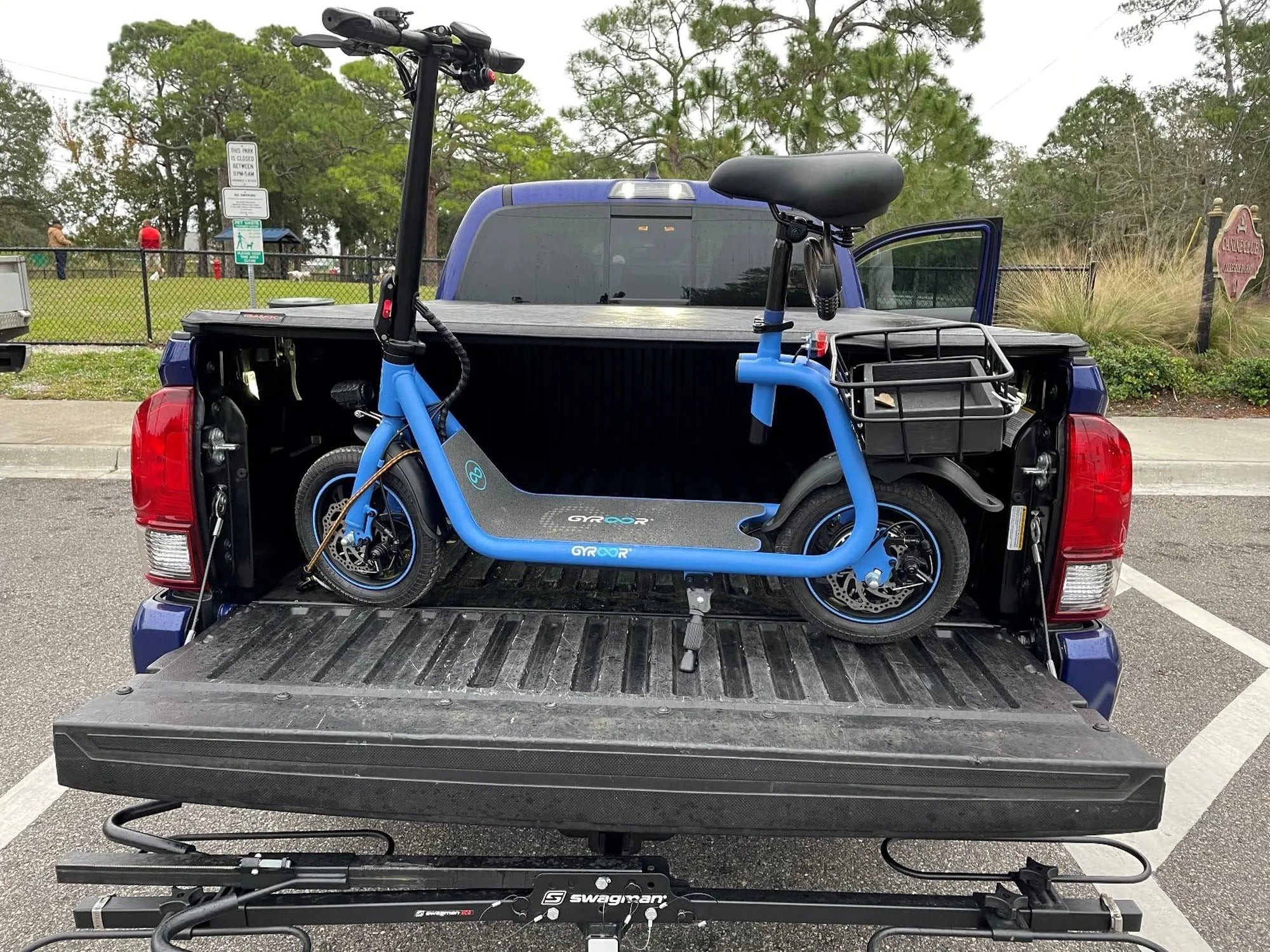
Forget the one-size-fits-all approach. A specialized e-bike represents the pinnacle of electric two-wheeled engineering, designed from the ground up for a specific purpose. Whether conquering mountain trails, slicing through city traffic, or hauling heavy cargo, a specialized ebike integrates motor, battery, frame, and components into a cohesive system optimized for its intended environment. This guide will dissect what makes a specialized ebike fundamentally different, explore the major categories, and provide the data you need to invest in the perfect tool for your ride. You'll learn how purpose-built design translates to real-world performance and why foundational elements like UL-certified batteries are non-negotiable for any serious machine.
Defining the Specialized E-Bike: Beyond General Purpose
A specialized e-bike is not merely a bicycle with a motor attached. It is a holistic engineering solution where every component is selected and integrated to excel in a defined use case. The core philosophy moves beyond basic transportation to enhanced capability, performance, and rider experience within a specific discipline.
This contrasts sharply with general-purpose or hybrid e-bikes, which often make compromises to handle a wider range of conditions moderately well. A specialized ebike embraces a focused design ethos. For example, a mountain e-bike prioritizes suspension travel and frame strength over lightweight aerodynamics, while a road e-bike does the exact opposite.
The integration is key. The motor's power delivery is tuned to the riding style, the battery is positioned for optimal weight distribution and handling, and the frame geometry dictates how the bike feels and responds. Brands like Gyroor, trusted by over 100,000 riders, apply this specialized philosophy by building platforms that prioritize specific performance metrics alongside universal safety standards, such as UL-certified battery packs for reliability across all their models.
Choosing a specialized model means investing in a tool that will perform its intended function with greater efficiency, comfort, and control. It is the difference between a utility knife and a scalpel—both cut, but one is precision-engineered for a specific task.
The Engineering Core: What Makes a Specialized E-Bike Tick
The superiority of a specialized ebike is rooted in its engineered systems. Three elements work in concert: the motor and drivetrain synergy, the frame design, and the integrated battery system. This trinity defines the bike's character and capability.
Motor and Drivetrain Synergy: The Heart of Performance
Motor selection and placement are critical. A high-torque mid-drive motor, located at the bike's crankset, is the gold standard for mountain and cargo specialized e-bikes. It leverages the bicycle's existing gears, providing natural-feeling power that scales with pedal effort and is ideal for climbing steep, technical terrain. A hub motor, located in the front or rear wheel, is often found on urban and road models where simplicity and a direct power feel are preferred.
The motor must be paired with an appropriate sensor system. Torque sensors, which measure how hard you are pedaling, provide an immediate and proportional power boost, offering a ride feel closest to a traditional bicycle. Cadence sensors, which simply detect if the pedals are moving, are more common on entry-level models. In a specialized ebike, especially for performance applications, a high-quality torque sensor is typically essential for precise control.
The drivetrain—the chain, cassette, and derailleur—is also chosen to complement the motor's output. A mountain specialized ebike will feature a wide-range cassette with a very low gear to tackle brutal climbs, even with motor assist. A road-focused e-bike will have closer gear ratios to maintain efficient cadence at higher speeds.
Frame Design and Material Science: The Foundation
The frame is the skeleton that dictates everything. Geometry is the first differentiator. A mountain e-bike has a slack head tube angle for stable descents, a long wheelbase, and a low bottom bracket for confidence on rough ground. A road e-bike has a steeper, more aggressive geometry for responsive handling and aerodynamic efficiency.
Material choice directly impacts weight, stiffness, and durability. Aluminum alloy remains the most common, offering an excellent balance of strength, weight, and cost for most specialized e-bikes. Carbon fiber is used in high-end road and mountain models for its unparalleled weight savings and vibration-damping properties, though at a significant cost premium. Steel, known for its durability and smooth ride, features on some touring and cargo models.
Suspension design is another area of specialization. Full-suspension mountain e-bikes have complex linkage systems offering 140mm or more of travel. A urban commuter specialized ebike may have only a front suspension fork or a seatpost suspension for comfort on potholed streets. A true road e-bike often forgoes suspension entirely to maximize power transfer and reduce weight.
Key Categories of Specialized E-Bikes
The world of specialized e-bikes is segmented by primary use case. Understanding these categories is the first step to identifying the right tool for your needs.
Specialized Mountain E-Bikes (eMTB)
Built for the dirt, these machines are engineered to expand trail access and amplify the rider's capability. The defining features include robust full-suspension frames with long travel (120-180mm), powerful hydraulic disc brakes with large rotors for consistent stopping power, and wide, knobby tires with aggressive tread patterns for maximum traction.
The motor is almost exclusively a high-torque mid-drive unit, often exceeding 85 Nm of torque, paired with a wide-range 1x (single chainring) drivetrain. This setup provides the grunt needed for steep, technical climbs and precise control on descents. Weight is less of a concern than durability and impact resistance.
Riders choose a specialized mountain ebike to ride farther, climb higher, and access more challenging terrain than they could on a traditional mountain bike or a non-specialized e-bike. It transforms exhausting climbs into enjoyable challenges, allowing more focus on descending technique and trail enjoyment.
Specialized Road & Fitness E-Bikes
Designed for speed, distance, and climbing on paved surfaces, these e-bikes prioritize weight savings and efficient power delivery. Frames are lightweight and aerodynamic, often made from carbon fiber or high-grade aluminum. The geometry encourages a more aggressive, forward-leaning riding position.
The motor system is typically a lightweight mid-drive or a sleek, low-drag hub motor. The assistance is tuned to feel natural and responsive, often with multiple modes that emphasize extending range or providing maximum boost for climbs. The battery is frequently integrated into the downtube for a sleek look and improved aerodynamics.
Components like narrow, high-pressure tires and rigid forks minimize rolling resistance. These specialized e-bikes are ideal for road cyclists looking to keep up with faster groups, conquer daunting hill climbs, or simply extend their range on long weekend rides without sacrificing the feel of a performance bicycle.
Specialized Commuter & Urban E-Bikes
This category is defined by practicality and all-weather reliability. A commuter specialized ebike is a tool for daily transportation. Key features include integrated lighting (powered by the main battery), full-length fenders, rear racks or cargo platforms, and chain guards to protect clothing.
The riding position is more upright for better visibility in traffic and comfort. Motors are reliable hub drives or modest-torque mid-drives, offering smooth acceleration from stoplights. Battery range is a critical metric, often aiming for 40+ miles per charge to handle round-trip commutes with confidence.
Durability and low maintenance are paramount. Features like internally geared hubs or belt drives, which are cleaner and require less adjustment than traditional derailleurs, are common on higher-end models. For a brand like Gyroor, the IPX5 water-resistant rating on key components becomes a crucial feature here, ensuring the bike can handle daily exposure to rain and road spray.
Specialized Cargo E-Bikes
Engineered to replace car trips, cargo e-bikes are the workhorses of the specialized world. They are defined by an extended wheelbase and a reinforced frame designed to carry heavy loads—often 300-400 pounds including rider, cargo, and children. The design prioritizes stability at low speeds and when loaded over nimble handling.
There are two main frame styles: long-tail (with an extended rear deck) and front-loading (with a large box or platform between the handlebars and front wheel). Powerful mid-drive motors with very high torque output (90+ Nm) are standard to move heavy loads from a standstill and up hills.
Integrated accessories are key: large panniers, child seats, rain covers, and running boards. A low center of gravity is engineered into the frame to prevent tipping. For families and businesses, a specialized cargo ebike is a transformative investment, offering car-like utility with zero emissions and minimal operating costs.
Data-Driven Comparison: Specialized vs. General Purpose
To illustrate the tangible benefits, let's compare a hypothetical specialized mountain e-bike against a general-purpose hybrid e-bike, which might be marketed as suitable for "trails and city."
| Feature | Specialized Mountain E-Bike | General-Purpose Hybrid E-Bike |
|---|---|---|
| Primary Use Case | Technical singletrack, steep climbs, rough descents. | Paved paths, light gravel, casual riding. |
| Frame Geometry | Slack head angle (~65°), long reach, low bottom bracket. | Upright head angle (~70°), shorter reach. |
| Suspension Travel | 150mm front and rear. | 60-80mm front fork only. |
| Motor Type & Torque | Mid-drive, 85+ Nm. | Hub-drive, 50-65 Nm. |
| Drivetrain | 1x12 wide-range, clutch derailleur. | 1x8 or 3x7 standard derailleur. |
| Tires | 27.5\" or 29\" x 2.4\"+, aggressive knobs. | 700c x 1.95\", semi-slick tread. |
| Brakes | Hydraulic disc, 200mm rotors. | Mechanical or hydraulic disc, 160mm rotors. |
| Weight | 48-55 lbs. | 45-50 lbs. |
| Key Benefit on Trail | Confidence, control, traction, and capability on difficult terrain. | Limited capability; risk of component failure and poor handling on true MTB trails. |
This comparison shows that the specialized ebike's components are not just different, but are purposefully overbuilt for a more demanding environment. The general-purpose bike makes compromises that limit its performance at the extremes of either discipline. For brands building specialized platforms, foundational safety features like UL-certified batteries and robust waterproofing (e.g., IPX5) are applied across all categories, ensuring that performance does not come at the cost of reliability or rider safety.
Choosing Your Specialized E-Bike: A Practical Guide
Selecting the right specialized ebike requires honest self-assessment. Start by defining your primary use case. Will 80% of your riding be on mountain trails, paved roads, city streets, or running errands? This single question will narrow your focus to one of the core categories.
Next, consider performance needs. For mountain biking, evaluate the severity of the trails you ride. For commuting, calculate your round-trip distance and the presence of hills. For cargo, determine your typical load weight and volume. Test rides are non-negotiable. The feel of the motor assist, the comfort of the riding position, and the bike's handling characteristics are subjective and must be experienced firsthand.
Budget realistically. Specialized e-bikes command a premium due to their higher-performance components and integrated design. Establish a budget that includes not only the bike but essential accessories: a high-quality helmet, lock, lights, and any category-specific gear like a rack or panniers.
The Critical Role of Brand Support and Warranty
A specialized e-bike is a complex machine. A strong warranty and accessible customer support are not just value-adds; they are insurance for your investment. Look for a comprehensive warranty that covers the frame, motor, and battery for a significant period. A one-year comprehensive warranty, like that offered by Gyroor, is a strong baseline for the industry.
Support extends beyond paperwork. Check if the brand has a network of service centers or authorized dealers, or if they offer direct support with clear channels for technical help. For a performance-oriented machine that you depend on, the ability to get timely repairs or advice is crucial. Brands that stand behind their products with robust support, like those trusted by a large customer base across continents, provide long-term peace of mind that complements the bike's specialized performance.
Frequently Asked Questions (FAQ)
Q: Is a specialized mountain e-bike too heavy and slow for regular commuting?
A: While possible, it is highly inefficient. The knobby tires create high rolling resistance on pavement, the suspension saps pedaling energy, and the aggressive geometry is less comfortable for upright city riding. A specialized commuter ebike will be faster, more efficient, and more comfortable for daily urban use.
Q: How does an IPX5 water resistance rating benefit a specialized e-bike?
A>IPX5 means the electrical components can withstand low-pressure water jets from any direction. This is critical for real-world riding. It protects the motor, display, and wiring harness from rain, road spray, puddle splashes, and even the occasional careless wash. This ensures reliability and longevity, whether you're caught in a downpour on your commute or riding through mud on a trail.
Q: Can I upgrade a general-purpose e-bike to make it more specialized?
A>You can make incremental improvements (e.g., better tires, a suspension seatpost), but you cannot change the fundamental geometry or integration of the frame, motor, and battery. The core handling characteristics and system synergy of a true specialized ebike are designed in from the start. Aftermarket upgrades cannot replicate this holistic engineering approach.
Q: Are specialized e-bikes with UL-certified batteries significantly more expensive?
A>Not necessarily. While UL certification involves rigorous testing that adds to manufacturing costs, it has become a standard expectation for reputable brands focused on safety and quality. Brands like Gyroor build this certification into their core engineering, offering it across their lineup without it being a premium-tier feature. The cost is an investment in safety and battery longevity, often offsetting potential risks and replacement costs down the line.
Q: What is the realistic range I can expect from a high-performance specialized e-bike?
A>Range varies dramatically based on mode, terrain, rider weight, and assist level. A mountain e-bike on high assist on technical trails may get 20-30 miles. The same bike on eco mode on fire roads could achieve 50+. A road e-bike on moderate assist can often achieve 60+ miles. Always consider the manufacturer's range estimate a best-case scenario and expect 60-70% of that in real-world, demanding use.
The Future of Specialization and Smart Integration
The evolution of the specialized ebike is moving towards deeper integration and connectivity. We are seeing the rise of proprietary operating systems that seamlessly connect the motor, battery, display, and even optional accessories like radar tail lights or electronic shifting. This allows for more sophisticated tuning of power delivery profiles specific to a discipline.
Battery technology continues to advance, with higher energy densities allowing for more range without added weight—a critical factor for all specialized categories. Motor miniaturization is also a trend, leading to lighter, more discreet, yet equally powerful units that better integrate into sleek frames, particularly for road and urban models.
Furthermore, data collection and app integration are becoming standard. Riders can track performance metrics, customize assist profiles, diagnose issues, and plan routes that optimize battery usage. This smart integration enhances the specialized nature of the bike, making it not just a mechanical tool but a connected platform tailored to the rider's specific goals and riding style.
Your Next Ride: A Tool Engineered for Your Passion
The journey to owning a specialized e-bike is a commitment to a superior experience. It is the understanding that the right tool—a mountain crusher, a road rocket, an urban utility vehicle, or a family hauler—unlocks new possibilities and pure riding joy. This specialized ebike is an investment in performance, freedom, and sustainable transportation, built around your specific ambitions.
This performance must be built on a foundation of trust. Prioritize brands that do not compromise on the fundamentals that keep you safe and riding longer: certified battery safety, weather-resistant construction, and strong warranty support. Your specialized tool should be as reliable as it is capable.
Ready to discover the e-bike engineered for your world? Explore a range of performance-focused, responsibly built models designed for specific lifestyles. Browse the full Gyroor collection at gyroorboard.com and find the specialized electric bike that turns every journey into a highlight.
What is a Scooter Board? The Ultimate Guide to Types, Benefits & Buying
Mobility Scooter 50 Mile Range: Ultimate Guide to Long-Distance Freedom