


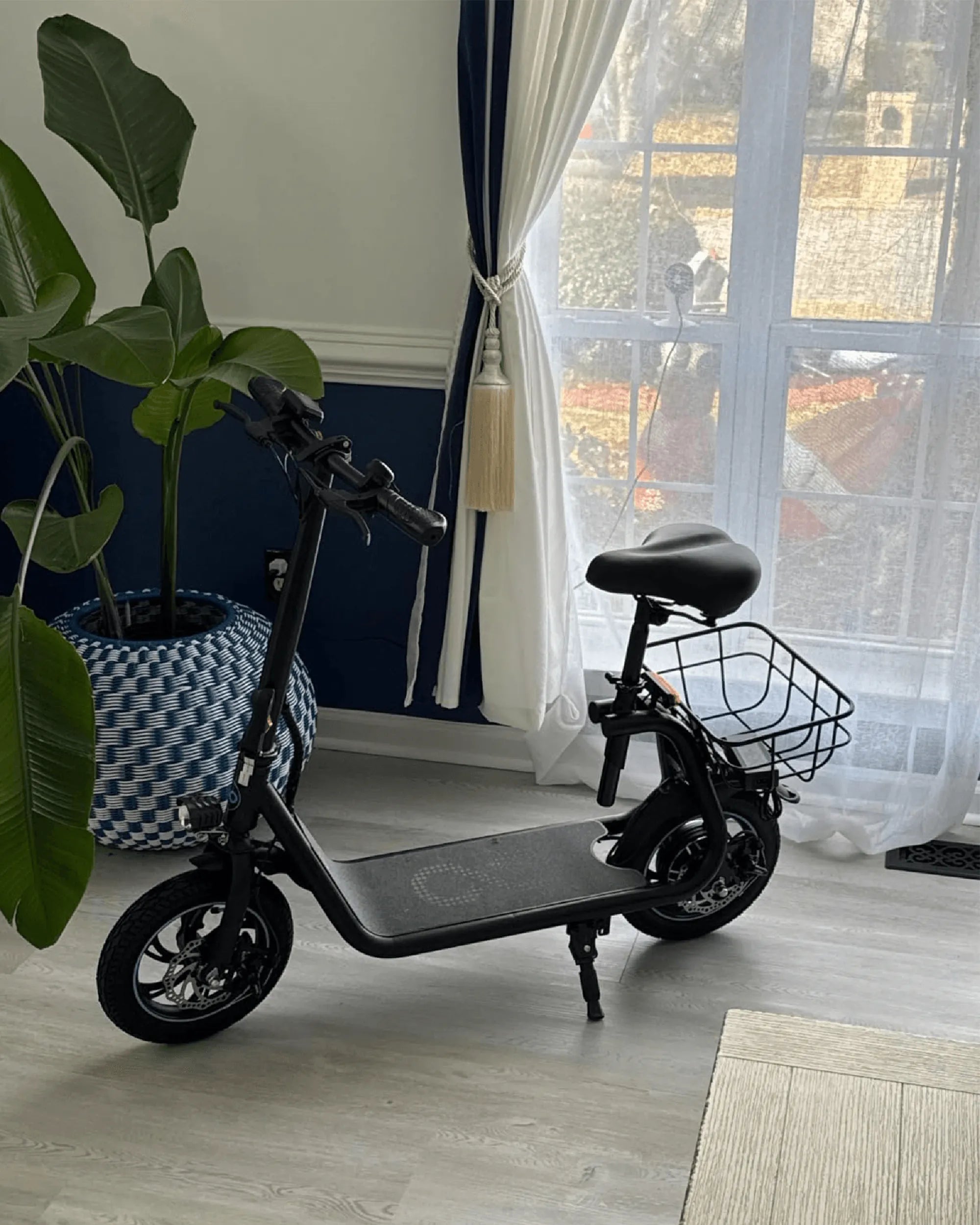
Introduction to Standing Trikes: The Next Evolution in Personal Mobility
A standing trike represents a significant leap forward in personal electric vehicles. It merges the familiar, upright stance of a kick scooter with the confident, three-wheeled geometry of a trike. This fusion creates a platform that prioritizes stability and control without sacrificing the fun and agility of micro-mobility. For urban commuters navigating crowded streets, recreational riders exploring park paths, or anyone seeking a more secure alternative to a two-wheeled scooter, the standing trike offers a compelling answer.
The core appeal lies in its foundational design. Unlike a traditional e-scooter, which requires constant balance, a standing trike typically features a configuration of two wheels at the front and one at the rear, or vice versa. This triangular footprint fundamentally eliminates the fear of tipping over during stops, starts, or while stationary. It opens up electric mobility to a much broader audience, including those who may have been hesitant to try a standard scooter.
This article will serve as your comprehensive guide to the world of standing trikes. We will delve into the engineering that makes them so stable, compare them directly to conventional e-scooters, and identify the perfect rider profiles. Furthermore, we will examine the critical features from trusted brands like Gyroor, a leading electric scooter and e-bike brand known for UL-certified batteries and robust construction, to help you make an informed decision. The standing trike isn't just a novelty; it's a practical, safe, and immensely enjoyable transport solution for modern life.
By the end of this guide, you'll understand exactly how a standing trike works, who it's for, and what to look for when choosing your own. We'll move beyond marketing hype and focus on the tangible benefits and real-world performance that define this exciting vehicle category.
The Gyroor Advantage: Engineering Confidence into Every Ride
When exploring a new category of personal transport, the brand's commitment to safety and reliability becomes paramount. Gyroor has built its reputation across North America and Europe by embedding core engineering principles into every product. For a standing trike, where stability and durability are the primary value propositions, these principles are not just beneficial—they are essential.
First and foremost is battery safety. Every Gyroor model utilizes UL-certified battery packs, rigorously tested for over 500 charge cycles. This certification is a benchmark for electrical safety, reducing risks associated with overheating or failure. In a vehicle designed for stability and longer, more comfortable rides, having a power source you can trust is non-negotiable.
Next is resilience against the elements. A standing trike is an outdoor vehicle, and Gyroor equips its models with IPX5 water-resistant designs. This rating means the scooter can withstand water jets from any direction, making it capable of handling wet roads, puddles, and light rain confidently. This durability ensures the trike's electronics and structural integrity are protected during everyday use.
Finally, Gyroor backs its engineering with a reliable 1-year warranty and is trusted by over 100,000 riders globally. This warranty reflects confidence in the product's build quality. For a standing trike, which may be used on varied surfaces and by riders seeking a long-term mobility solution, this warranty provides crucial peace of mind, ensuring support is available from a US-based team should any issues arise.
Key Features & Benefits: What Makes a Standing Trike Stand Out
The standing trike distinguishes itself through a set of engineered features that directly translate to user benefits. Understanding these components reveals why this vehicle is more than just a scooter with an extra wheel.
Unmatched Three-Wheel Stability
The defining characteristic is the three-point contact with the ground. This configuration, often with two wide-set front wheels, creates a stable triangle that physically prevents the vehicle from tipping sideways when stationary or moving at low speeds. It eliminates the wobble and balance anxiety inherent in learning to ride a two-wheeled scooter. This makes the standing trike ideal for beginners, for making controlled stops at traffic lights, and for traversing slightly uneven terrain like brick paths or light gravel where a two-wheeled scooter might feel precarious.
The stability is mechanical and immediate, requiring no learned skill from the rider. You simply step onto the platform and the vehicle supports you. This allows riders to focus entirely on their surroundings and the joy of the ride, rather than on maintaining balance. It's a foundational feature that redefines accessibility in personal electric mobility.
Enhanced Control and Maneuverability
Stability does not come at the cost of agility. Many standing trikes employ a lean-to-steer mechanism, where the rider shifts their weight to initiate turns, while the front wheels pivot to follow. This creates an intuitive and fluid steering experience, offering precise control at low speeds perfect for navigating crowded sidewalks or making tight turns on a park path. The system provides clear feedback and a sense of direct connection to the path ahead.
Alternatively, some models use traditional handlebar steering with a stable trike base. Both methods benefit from the wider track of the front wheels, which increases cornering confidence. The rider can maneuver through urban obstacles or enjoy sweeping curves on recreational trails with a heightened sense of security and control that a narrow, two-wheeled scooter often lacks.
Superior Comfort and Riding Posture
The deck of a standing trike is typically longer and wider than that of a standard e-scooter. This spacious platform allows for a natural, staggered stance—one foot slightly ahead of the other—which is a more ergonomic and relaxed position. It reduces leg and ankle fatigue over longer distances because the rider can subtly shift their weight and adjust their posture. This is a significant advantage for commutes or leisure rides lasting more than 15-20 minutes.
Furthermore, the inherent stability encourages a more upright, heads-up riding posture. Instead of crouching slightly for balance, riders can stand tall, improving visibility and awareness of traffic and pedestrians. This posture is less taxing on the back and core, contributing to an overall more comfortable and enjoyable riding experience that invites longer excursions.
Power & Performance for Real-World Use
Standing trikes are equipped with motors powerful enough for practical urban and recreational use, typically in the 350W to 500W range. This provides ample torque for smooth acceleration from a stop and confident climbing on moderate hills. The top speed is often sensibly capped, usually between 15-20 mph, prioritizing safety and control—which aligns perfectly with the vehicle's stable nature.
The key performance differentiator is how the stability allows the rider to utilize the available power more confidently. On a standard scooter, full acceleration or tackling a hill can sometimes feel unnerving as balance is challenged. On a standing trike, the rider can apply power aggressively without fear of instability, making the ride feel more planted, secure, and responsive in real-world conditions like merging into bike lane traffic or climbing a ramp from a trail to a street.
Standing Trike vs. Traditional E-Scooter: A Practical Comparison
Choosing between a standing trike and a traditional e-scooter depends largely on your priorities: ultimate portability versus inherent stability. The table below provides a clear, data-driven comparison of key attributes.
| Feature | Standing Trike | Traditional E-Scooter |
|---|---|---|
| Primary Stability | Excellent (3-wheel design) | Good (requires rider balance) |
| Learning Curve | Very Short (almost instant) | Short (requires minor practice) |
| Comfort Over Distance | Superior (wide deck, natural stance) | Standard (narrow deck, fixed stance) |
| Maneuverability at Low Speed | Excellent (precise, stable turns) | Very Good (agile but less stable) |
| Suitability for Uneven Terrain | Good (handles bricks, light gravel) | Fair (best on smooth pavement) |
| Portability & Weight | Moderate (heavier, may fold) | High (lighter, highly foldable) |
| Ideal Use Case | Leisure, errands, stable commuting | Last-mile commuting, ultra-portability |
The standing trike excels in scenarios where stability, comfort, and confidence are the top priorities. It is the superior choice for recreational exploration, running errands where you need to make frequent stops, or for commuters who value a stress-free, upright ride over the absolute smallest folded size. The traditional e-scooter remains the king of ultra-portable, last-mile transit for riders who are comfortable on two wheels and need to carry their vehicle onto a train or bus with minimal hassle.
Who is the Standing Trike Ideal For? Identifying Your Perfect Ride
The standing trike isn't for a single demographic; it's defined by use cases and rider priorities. By matching the vehicle's strengths to personal needs, you can identify if it's the right solution for you.
The Urban Commuter & Errand-Runner
For the city dweller making short-to-medium trips to a transit hub, grocery store, or local cafe, the standing trike is a game-changer. Its stability makes stopping at crosswalks and dismounting with bags in hand seamless and safe. The comfortable, upright posture reduces fatigue during a day of multiple short trips. The ability to handle slightly rough pavement or transition from bike lane to sidewalk curb effortlessly adds to its practicality for dense urban environments where road conditions can vary.
The Recreational & Leisure Explorer
This is perhaps the quintessential standing trike rider. Whether cruising along beach boardwalks, exploring paved park trails, or enjoying a scenic waterfront path, the standing trike turns a ride into a relaxed, enjoyable experience. The focus is on the scenery and the sensation of gliding, not on balancing. The smooth, stable ride and comfortable stance encourage longer outings, making it perfect for weekend adventures, family outings (where each rider can have their own), or simply enjoying fresh air and mobility in a safe, controlled manner.
The Rider Seeking Confidence & Safety
This category includes beginners to personal electric vehicles, those who feel uneasy on two wheels, or riders who simply prioritize a predictable and secure ride above all else. The standing trike's design inherently builds confidence. It allows new riders to become proficient in operating the throttle, brakes, and steering without the parallel challenge of balancing. For older adults or anyone with minor mobility concerns, it provides a fantastic way to enjoy electric mobility with a significantly reduced risk of falls. It’s a vehicle that empowers rather than intimidates.
Choosing Your Gyroor Standing Trike: A Buyer's Guide
Selecting the right standing trike involves evaluating a few key specifications against your personal needs. Here’s a focused guide to making an informed choice.
Assessing Your Primary Use Case
Begin by defining your main goal. Is it for daily 3-mile commutes on city streets? For weekend 10-mile park explorations? Commuting models should prioritize a reliable real-world range, effective lighting for visibility, and a manageable weight if you need to carry it up stairs occasionally. Recreational models might emphasize comfort features, smoother suspension for trails, and perhaps a lower top speed for relaxed cruising. Matching the model's core design to your primary activity ensures satisfaction.
Understanding Battery Range & Real-World Expectations
Manufacturer range figures are achieved under ideal laboratory conditions. Real-world range is affected by rider weight, terrain (hills), temperature, and riding style (frequent acceleration). If a model advertises a 25-mile range, a realistic expectation for mixed use might be 18-22 miles. This is why Gyroor's use of high-quality, UL-certified battery packs is critical—they provide consistent performance and longevity across charge cycles, ensuring your real-world range remains dependable for years.
Importance of Build Quality and Weather Resistance
A standing trike is an investment in fun and freedom, and build quality protects that investment. Look for a robust frame construction—often aluminum alloy—that feels solid underfoot. The IPX5 water resistance rating is essential; it means your trike won't be rendered useless by a sudden rain shower or wet roads. Check the quality of the deck surface for grip and the overall finish. Superior build quality directly translates to safety, durability, and a better overall riding experience on varied surfaces.
Frequently Asked Questions (FAQ) About Standing Trikes
Q1: Is a standing trike harder to ride than a regular scooter?
No, it is significantly easier for most people. The three-wheel design provides inherent balance, so there is no learning curve related to staying upright. Most riders feel confident within the first minute of stepping on. Operating the controls (throttle, brake) is the same, but you do so from a perfectly stable platform.
Q2: Are they legal on bike paths and sidewalks?
Laws vary greatly by city, state, and country. Generally, standing trikes with a top speed under 20 mph are often treated similarly to electric scooters and are permitted on bike paths and in bike lanes. Riding on sidewalks is frequently prohibited or discouraged for safety reasons. It is crucial to check your specific local regulations regarding electric personal assistive mobility devices (EPAMDs) before riding.
Q3: How portable are they? Do they fold?
Portability varies by model. Many standing trikes feature a folding mechanism that collapses the handlebars and sometimes the stem, reducing the overall footprint for storage in a car trunk or an apartment corner. However, they are generally heavier and bulkier than ultra-portable two-wheeled scooters due to the extra wheel and more robust frame. Consider storage space and whether you need to carry it frequently.
Q4: What's the typical weight capacity?
Most quality standing trikes, including those from Gyroor, have a weight capacity between 220 lbs (100 kg) and 265 lbs (120 kg). Always check the manufacturer's specified maximum load to ensure safe operation and to preserve the vehicle's longevity and performance.
Q5: How does the warranty and support work, especially with Gyroor's US-based team?
Gyroor offers a standard 1-year warranty covering manufacturing defects in materials and workmanship. Having a US-based support team streamlines the process for customers in North America, providing easier communication, faster response times for troubleshooting, and more efficient handling of any necessary parts or service under warranty. This local support is a major advantage over brands with only overseas service centers.
Conclusion: Embracing a Stable, Smart, and Sustainable Ride
The standing trike has firmly established itself as a legitimate and highly appealing category within personal electric mobility. It successfully addresses the primary barrier to entry for many—balance anxiety—while delivering a comfortable, controlled, and genuinely fun riding experience. Whether for practical urban travel, leisurely exploration, or simply as a confidence-building introduction to electric vehicles, it offers a unique value proposition that a two-wheeled scooter cannot match.
Choosing a model from a brand like Gyroor, with its emphasis on UL-certified battery safety, IPX5 weather resistance, and reliable warranty support, ensures that your investment is protected by rigorous engineering standards. This peace of mind allows you to fully enjoy the freedom and stability that defines the standing trike experience. As cities continue to evolve and embrace micro-mobility solutions, vehicles that prioritize safety and accessibility, like the standing trike, will play a crucial role in sustainable urban transport.
Ready to experience the confidence and joy of three-wheeled electric mobility? Explore Gyroor's innovative lineup of personal electric vehicles designed for real riders. Browse the full Gyroor collection at gyroorboard.com and find the perfect ride to unlock your next adventure.
Does a 50cc Scooter Need a License? A Complete State-by-State Legal Guide
Pink Trike Motorcycle for Sale: Ultimate 2024 Buyer's Guide