



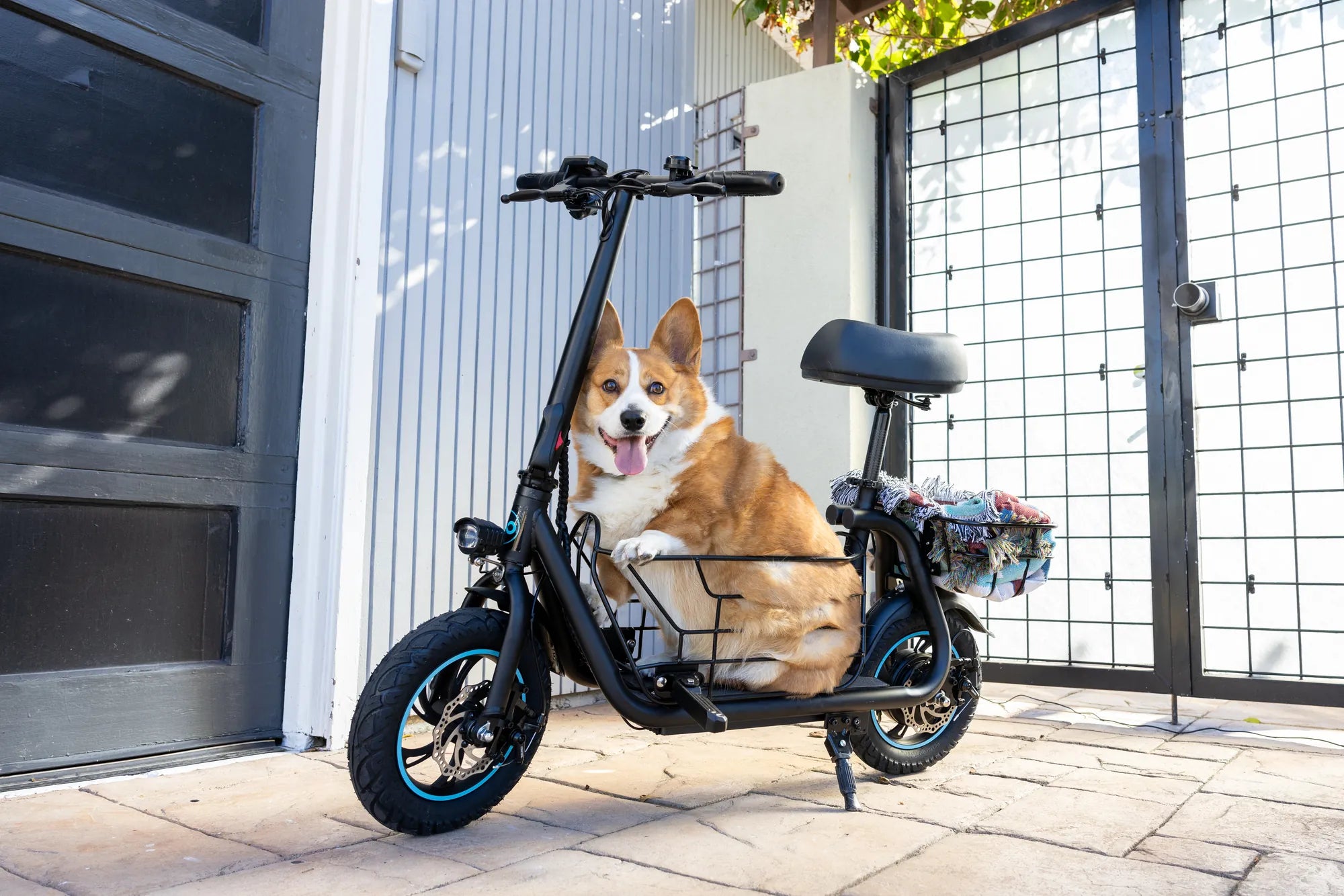
Forget the toy-like scooters of the past. Today's street-legal electric scooters for adults represent a fundamental shift in urban mobility, offering a practical, efficient, and cost-effective solution for daily commuting. This comprehensive guide explores why these vehicles are becoming the ultimate urban commuting solution, transforming crowded city streets and lengthy transit times into swift, enjoyable journeys. We'll dissect the legal requirements, essential features, and practical considerations that define a true commuter-grade scooter, providing the data you need to make an informed choice.
What Makes an Electric Scooter "Street Legal"? A Rider's Guide
The term "street legal" is governed by local and state regulations, not federal law in the U.S., creating a complex patchwork of rules. However, common specifications have emerged as a de facto standard for municipalities that permit electric scooters on public roads and bike lanes.
Most jurisdictions classify low-speed electric scooters as "electric stand-up scooters" or "micro-mobility devices." Key legal parameters typically include a maximum speed limit of 15 to 20 miles per hour when operated on public roadways. Many scooters have multiple speed modes, and a street-legal model must allow the rider to select a mode that complies with local speed caps.
Safety equipment is non-negotiable. Legally compliant models must feature a front headlight visible from at least 500 feet, a rear brake light, and side reflectors. An audible bell or horn is universally required. Some cities, like New York, also mandate a speedometer. Operation is generally restricted to bike lanes and roads with speed limits at or below 35 mph; riding on sidewalks is prohibited in most urban areas.
It is the rider's responsibility to verify local ordinances. A scooter meeting these general criteria is designed to be street legal where such vehicles are permitted, but always check with your city's department of transportation for the final word.
Key Features to Look for in a Commuter-Focused E-Scooter
Choosing a scooter for daily commuting requires looking beyond basic legality to features that ensure reliability, safety, and comfort over thousands of miles. Performance, durability, and practicality are the core pillars of a true commuter vehicle.
Motor power, measured in watts, directly impacts hill-climbing ability and acceleration. For most urban terrains with moderate inclines, a continuous motor rating of 350W to 500W is sufficient. Peak power ratings will be higher. Pair this with a real-world range that exceeds your round-trip commute by at least 30% to account for variables like wind, weight, and battery degradation over time.
Durability is defined by frame construction—typically aerospace-grade aluminum—and tire choice. Pneumatic (air-filled) tires offer superior shock absorption and traction but require maintenance; solid or honeycomb tires are puncture-proof but provide a harsher ride. A robust suspension system (spring or hydraulic) is crucial for comfort and control on imperfect city streets.
Finally, practicalities like foldability, weight, and deck size matter immensely. A one-click folding mechanism and a weight under 40 lbs enable easy carrying onto public transit or into an office. A wide, textured deck provides stable footing for a secure ride.
Safety First: Non-Negotiable Features for Street Riding
When sharing the road with cars, safety features move from optional extras to critical necessities. Your scooter's ability to see and be seen, stop reliably, and provide a stable platform is paramount.
Lighting should be comprehensive. A bright, always-on headlight (minimum 300 lumens) illuminates your path. A brake light that activates automatically upon deceleration is essential for alerting traffic behind you. Ambient rim or deck lights further enhance side visibility at night. These features are central to the design philosophy of brands like Gyroor, which prioritize rider visibility.
The braking system must be redundant. A dual-braking setup—combining an electronic (regenerative) brake with a mechanical disc or drum brake—provides fail-safe stopping power in all conditions. Disc brakes generally offer more consistent performance, especially in wet weather. Wide, anti-slip deck tape and a sturdy stem-locking mechanism are also vital for maintaining control.
Battery & Range: Planning Your Daily Commute
Understanding battery performance is key to avoiding being stranded. Advertised range is a maximum figure achieved under ideal lab conditions. Real-world range is affected by rider weight, hills, frequent stops/starts, temperature, and riding speed.
To calculate your needs, first map your round-trip commute distance. Then, add a 30-50% buffer. For example, a 10-mile round trip requires a scooter with a reliable 13-15 mile real-world range. Battery capacity is measured in Watt-hours (Wh). A higher Wh rating generally indicates a longer potential range. A 36V 10Ah battery is 360Wh; a 48V 10Ah battery is 480Wh, offering more power and typically more range.
Battery safety and longevity are critical. Opt for scooters using UL-certified battery packs, like those standard in Gyroor models, which undergo rigorous testing for stability and include advanced Battery Management Systems (BMS) to prevent overcharging, overheating, and deep discharge. These packs are rated for 500+ charge cycles while maintaining significant capacity.
The Gyroor Advantage: Engineered for Legal and Reliable Commuting
With over 100,000 riders across North America and Europe, Gyroor has built its reputation on manufacturing electric scooters that meet the dual demands of legal compliance and daily reliability. Their approach focuses on the core needs of the adult commuter: safety, durability, and peace of mind.
This commitment is embodied in their use of UL-certified battery packs across their entire lineup. This certification, a benchmark for electrical safety, directly addresses fire risk concerns and ensures long-term battery health—a fundamental requirement for a vehicle used daily. Coupled with IPX5 water-resistant designs, Gyroor scooters are built to handle unexpected puddles and light rain, ensuring all-weather reliability for the urban commuter.
Furthermore, Gyroor supports its products with a comprehensive 1-year warranty and accessible customer service. For a commuter relying on their scooter for daily transportation, this warranty provides essential protection against manufacturing defects, underscoring the brand's confidence in its build quality. Their models are designed with the legal framework in mind, incorporating bright lighting, audible horns, and speed modes that align with common municipal regulations.
Street-Legal E-Scooters vs. Other Commute Options: A Data-Driven Comparison
How does the street-legal electric scooter truly stack up against traditional transportation? The data reveals compelling advantages in cost, time, and environmental impact for urban travelers.
| Commute Option | Avg. Cost per Mile* | Typical Urban Commute Time (5 mi) | Parking Convenience | CO2 Emissions (per 5 mi) | Upfront Cost |
|---|---|---|---|---|---|
| Street-Legal E-Scooter | $0.03 - $0.05 | 20-25 mins | Excellent | 0 lbs | $500 - $1,500 |
| Personal Car | $0.60 - $0.70 | 25-40 mins | Poor | ~4.6 lbs | $25,000+ |
| Rideshare/Taxi | $2.50 - $3.50 | 20-35 mins | Excellent | ~4.6 lbs | N/A |
| Public Transit | $0.15 - $0.30 | 35-50 mins | Good | ~1.5 lbs | N/A |
| Traditional Bicycle | Negligible | 25-30 mins | Excellent | 0 lbs | $300 - $1,000 |
| E-Bike | $0.02 - $0.04 | 20 25 mins | Good | 0 lbs | $1,500 - $3,500 |
*E-scooter cost includes electricity and estimated maintenance. Car cost includes fuel, maintenance, depreciation.
The table highlights the e-scooter's unique position. It matches or beats the door-to-door time of cars and transit in congested areas due to its agility and parking advantages. Its operating cost is a fraction of a car's, and its zero tailpipe emissions contribute directly to cleaner air. While traditional bicycles are similarly efficient, e-scooters lower the barrier to entry by reducing physical exertion and sweat, making them practical for a wider range of commuters in work attire.
Navigating Local Laws: How to Ride Responsibly and Legally
Owning a street-legal scooter is only the first step; responsible riding ensures your safety and the positive perception of micro-mobility. Adherence to local laws and defensive riding practices are non-negotiable.
Always start by checking your specific city and state regulations. Key points to verify include: the maximum permitted speed, mandatory helmet age requirements (often for riders under 18, but always recommended for all), whether riding in bike lanes is required, and if a driver's license is necessary. Websites of local transportation departments are the most reliable sources.
On the road, ride defensively. Assume cars may not see you. Use hand signals for turns and stops. Obey all traffic signs and signals—you are a vehicle operator. Never ride on sidewalks where prohibited, as this endangers pedestrians and can result in fines. Invest in a quality helmet; consider additional gear like gloves, reflective clothing, and knee pads for added protection.
Your behavior as a rider directly impacts the future of micro-mobility. Responsible, lawful riding builds community trust and supports the expansion of safe infrastructure for all.
Maintenance and Care: Ensuring Your E-Scooter's Longevity
Regular maintenance is simple but crucial for safety, performance, and extending your scooter's lifespan. A well-maintained vehicle is a reliable one.
Conduct a pre-ride check: inspect tire pressure (for pneumatic tires) and look for wear or damage, test brake lever responsiveness, ensure lights are functional, and check that the folding mechanism is secure and free of play. Tighten any loose bolts on the stem, handlebars, and deck periodically.
Battery care is the most important aspect of long-term health. Avoid letting the battery fully deplete. Charge it after each use or when it drops to 20-30% capacity. Use only the manufacturer-provided charger. Store the scooter in a dry, temperate environment, avoiding extreme heat or cold, especially for extended periods. For scooters with IPX5 ratings like many Gyroor models, you can confidently ride in damp conditions, but avoid submerging any part of the scooter.
Annual professional servicing is advisable to check the integrity of the braking system, electrical connections, and bearing wear. This proactive approach prevents minor issues from becoming major failures.
FAQ: Your Street-Legal Electric Scooter Questions Answered
Q: Do I need a license, registration, or insurance to ride a street-legal e-scooter?
A: In the vast majority of U.S. jurisdictions, no driver's license, vehicle registration, or insurance is required to operate a low-speed electric stand-up scooter. They are classified separately from mopeds and motorcycles. However, a handful of states or cities may have unique requirements, so local verification is essential.
Q: Can I ride my street-legal electric scooter in the rain?
A: Many commuter-grade scooters, including those with IPX5 ratings, are designed to withstand light rain and wet roads. However, you should avoid heavy downpours, deep puddles, and flooding. Water can damage electrical components over time and reduce traction. Always dry your scooter after riding in wet conditions.
Q: How do I know if the range is sufficient for my commute?
A> Take the manufacturer's advertised maximum range and reduce it by 30-40% to estimate a realistic range under typical conditions (average speed, some hills). If your round-trip commute is less than this adjusted figure, the scooter should suffice. For a 10-mile round trip, look for a model advertised for at least 16-18 miles.
Q: Where is it illegal to ride my scooter?
A> Common prohibited areas include highways/freeways, sidewalks in business districts, certain parks or pedestrian malls, and interstate trails. Specific restrictions vary widely. The general rule is to follow bicycle laws: where a bike can go, your street-legal e-scooter can typically go.
Q: What basic maintenance should I perform regularly?
A> The essentials are: keeping tires properly inflated, checking and adjusting brake pads/cables, ensuring all bolts (especially on the stem and folding mechanisms) are tight, cleaning the deck and frame, and storing/charging the battery as recommended. Refer to your owner's manual for a detailed schedule.
Embracing a Smarter, Greener Commute
The evidence is clear: street-legal electric scooters for adults are more than a trend; they are a logical, efficient, and sustainable pillar of modern urban transportation. They solve tangible problems—traffic congestion, high costs, and carbon emissions—with an elegant, accessible solution. The ultimate urban commuting solution isn't about finding the fastest or cheapest option in isolation, but the one that best balances speed, cost, convenience, and personal enjoyment.
Success hinges on choosing a vehicle built for the purpose. This means prioritizing verified safety features like UL-certified batteries, robust construction for daily use, and designs that comply with evolving local laws. Brands that stand behind their products with strong warranties and support, like Gyroor with its trusted reputation among over 100,000 riders, offer the peace of mind necessary for a primary commute vehicle.
Your journey toward a better commute starts with the right equipment. Explore a range of engineered, reliable, and street-legal options designed for the realities of adult commuting. Browse the full Gyroor collection at gyroorboard.com to find the model that will transform your daily travel.
Cool Electric Scooters: The Future of Urban Mobility
Electric Scooters 30mph: The Future of Urban Mobility