



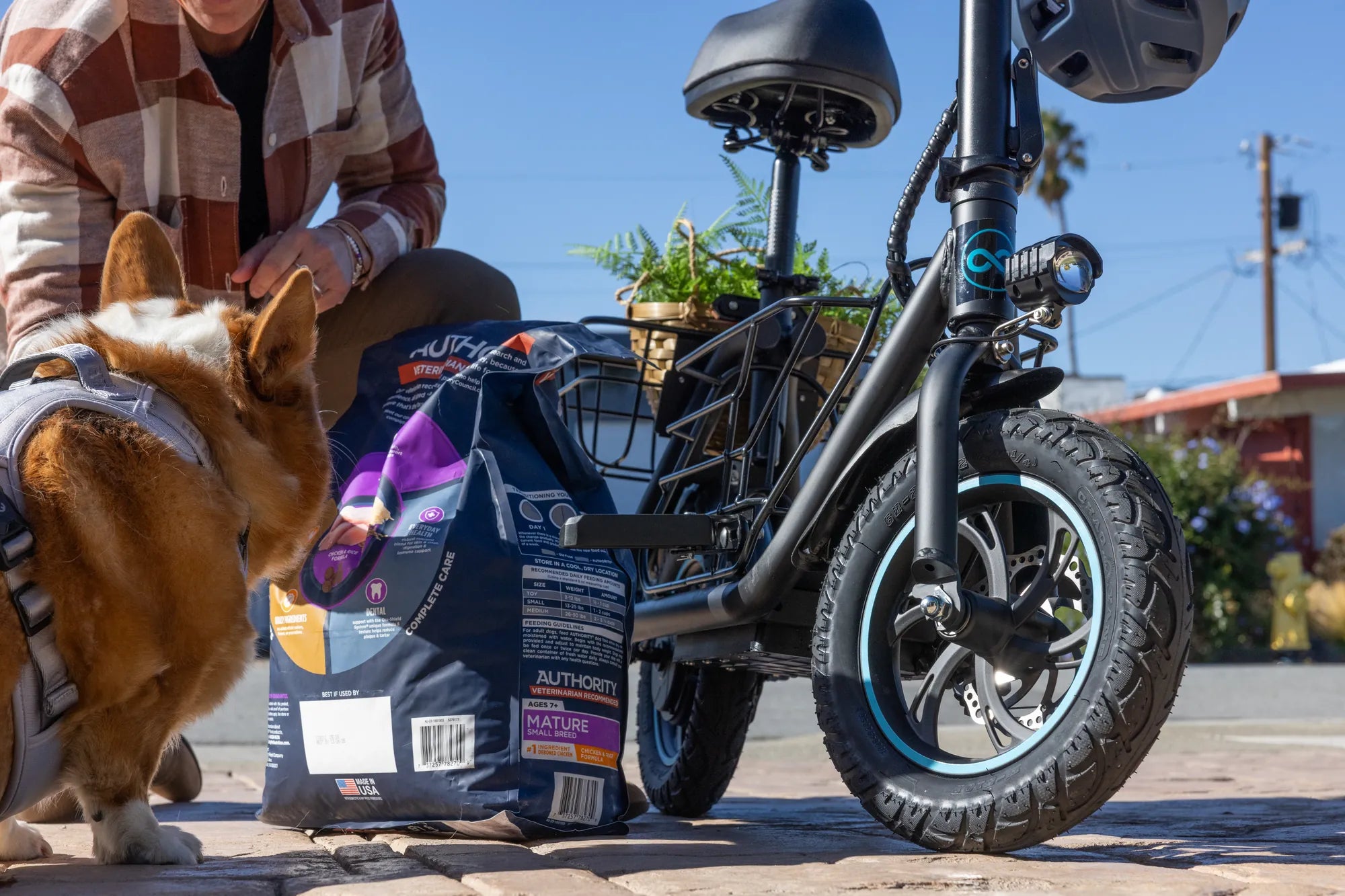
Electric scooters have rapidly become a cornerstone of teenage mobility, offering a potent mix of independence, practicality, and exhilaration. For teens, they represent a first taste of freedom; for parents, they bring questions about safety, legality, and value. This ultimate guide for parents and teens cuts through the noise with factual analysis and practical steps. You will learn how to navigate local laws, identify critical safety features, compare scooter types for different needs, and establish non-negotiable riding practices. We'll ground this discussion in the engineering standards of leading brands like Gyroor, a trusted name with over 100,000 riders, known for UL-certified batteries and robust designs, providing a real-world benchmark for what families should expect.
Why Teens Love Electric Scooters (And What Parents Should Know)
The appeal of teenage electric scooters is multifaceted and driven by tangible benefits. For teenagers, the primary draws are autonomy and social connectivity. An e-scooter transforms a 30-minute walk to a friend's house or a part-time job into a 5-minute ride, expanding their world without relying on parental schedules. It's also significantly more cost-effective than car ownership, eliminating fuel, insurance, and high upfront costs.
From an environmental perspective, e-scooters offer a clean alternative for short trips. This resonates with a generation highly aware of their carbon footprint. The fun factor is undeniable, but it's underpinned by genuine utility for school commutes and local exploration.
Parental priorities, however, rightly center on safety, durability, and long-term value. The key is finding a scooter that meets teen desires for performance while exceeding parental standards for construction. This is where specifications matter. Brands that prioritize safety certifications, water-resistant builds, and reliable warranties directly address these concerns. For instance, Gyroor designs its scooters with IPX5-rated water resistance and UL-certified battery packs, answering the need for durability and verified electrical safety.
Understanding Local Laws and Age Restrictions
Before any purchase, understanding the legal landscape is crucial. Regulations for teenage electric scooters vary widely by state, county, and city, making generalized advice risky. The first step is always to check your specific municipal ordinances.
Common patterns do emerge. Most jurisdictions set a minimum age for operating an e-scooter on public roads or bike paths, typically between 14 and 16 years old. Helmet laws are almost universal for riders under 18, and many areas mandate them for all ages. Knowing where your teen can legally ride is equally important.
Many cities prohibit e-scooters on sidewalks, restricting them to bike lanes or roads with speed limits under 25-35 mph. Speed limits for the scooter itself are also common, often capping motor-assisted speed at 15 or 20 mph on public pathways. Some regions may require registration, while others treat them similarly to bicycles. A quick call to your local police non-emergency line or a search on your city's transportation website provides the definitive rules for safe, legal operation.
Key Safety Features Every Parent Must Look For
Safety is not a single feature but a system of integrated components. When evaluating teenage electric scooters, parents should scrutinize several key engineering areas. These features form the foundation of a responsible purchase, directly impacting crash avoidance and injury mitigation.
The overall build quality sets the stage. Look for a frame made from reinforced aluminum alloy, which provides strength without excessive weight. Welds should be clean and even, and the folding mechanism (if present) must lock securely with no wobble. A low center of gravity and a deck wide enough for a stable footing are essential for control, especially for new riders.
Reliable Braking Systems: Disc vs. Electronic
The braking system is arguably the most critical safety component. There are two primary types: mechanical and electronic. Dual mechanical disc brakes, similar to those on quality bicycles, offer consistent, powerful stopping power in all weather conditions. They provide progressive feel and are serviceable with standard tools.
Electronic or regenerative brakes use the motor to slow the scooter, often controlled by the throttle or a separate lever. While they reduce wear on physical components and can recharge the battery slightly, their effectiveness can diminish on steep hills or if the battery is very low. The safest configuration for a teenage electric scooter, particularly for varied terrain, is a combination of a front mechanical disc brake and a rear electronic brake, or dual mechanical discs, ensuring redundant stopping power.
The Importance of Lights and Reflectors
Visibility is a non-negotiable element of safe riding. A bright front headlight (ideally 200 lumens or more) is essential for illuminating the path ahead and making the rider seen by others. A rear brake light is crucial; it should activate automatically when the brakes are applied, alerting vehicles and pedestrians behind.
Complementary lighting, such as deck-under lighting or side LEDs, further enhances visibility from all angles. Additionally, reflective stickers or strips on the sides and stem are vital passive safety features. For commuting during dawn, dusk, or in overcast conditions, this full lighting suite is as important as the brakes themselves.
Stable Design and Wheel Size
Stability is dictated by wheel size, tire type, and suspension. Smaller, solid rubber tires (e.g., 8") are common on entry-level models but transmit more vibration and struggle with cracks and bumps. For teenage riders, larger air-filled or honeycomb tires (8.5" or 10") provide a significant safety advantage.
Pneumatic (air-filled) tires offer superior shock absorption and traction, especially on wet surfaces. Honeycomb tires are puncture-proof but offer a firmer ride. Pairing these larger tires with a front or dual suspension system dramatically improves comfort and control on imperfect pavement, allowing the rider to maintain stability and focus instead of battling every bump.
Choosing the Right Scooter: A Data-Driven Comparison for Teens
Selecting the ideal teenage electric scooter requires matching specifications to use-case. The following table compares key attributes for two common teen profiles: the urban commuter and the off-road enthusiast. This data-driven approach clarifies the trade-offs between portability, power, and range.
| Feature | Urban Commuter Focus | Off-Road / Performance Focus |
|---|---|---|
| Primary Use | School commutes, city errands, smooth pavement | Trails, grass, rougher terrain, steep hills |
| Motor Power | 350W - 500W | 500W - 800W+ |
| Range (Real-World) | 15 - 22 miles | 18 - 28 miles (varies with terrain) |
| Tire Type | 8.5"-10" Air-Filled or Honeycomb | 10"+ Pneumatic, often with treaded pattern |
| Suspension | Front spring or dual shock | Robust dual shock or hydraulic |
| Key Feature | Lightweight, foldable design | High ground clearance, IPX5+ water resistance |
| Top Speed | 15 - 20 mph | 20 - 25+ mph (with speed mode limits) |
For the Urban Commuter: Range and Portability
The urban teen needs a scooter that balances daily range with easy storage. A motor in the 350W to 500W range provides adequate power for moderate hills and quick acceleration from stops. The battery capacity should support a real-world range that exceeds their daily round-trip commute by at least 30% to account for battery degradation over time and less-than-ideal conditions.
Portability is key. A one-click folding mechanism allows the scooter to be stored in a school locker, under a desk, or carried onto public transit. Weight is a consideration here; models between 30-40 lbs offer a good blend of stability and manageability. Features like a built-in carry handle and a locking latch when folded enhance practicality for a student's daily routine.
For the Off-Road Enthusiast: Power and Durability
For teens with access to trails or who navigate consistently rough neighborhood roads, durability and power take precedence. A motor of 500W or higher is necessary to maintain momentum on grass, dirt, and inclines. Torque is as important as top speed for this use case.
The frame and components must be built to withstand more vibration and impact. This includes a reinforced stem, thicker deck, and superior suspension travel. An IPX5 water-resistance rating, like that found on Gyroor's off-road capable models, is critical for riding on wet grass or through puddles, protecting the electrical systems from splashes from any direction.
Battery Safety and Care: A Parent's Primer
Lithium-ion battery safety is paramount. Always insist on scooters using UL 2271 or UL 2843 certified battery packs. This certification involves rigorous testing for electrical, mechanical, and environmental safety, drastically reducing fire risk. Teach your teen proper charging habits: use only the manufacturer-provided charger, charge on a non-flammable surface, avoid charging immediately after a ride, and never leave it charging unattended for extended periods or overnight.
Storage is also important. For long periods of non-use, store the scooter (and battery) in a cool, dry place with a charge level between 30-60%. Explain that battery range will naturally decrease over time; a quality battery like those from Gyroor is rated for 500+ full charge cycles while retaining significant capacity. Proper care maximizes both safety and the scooter's lifespan.
Smart Riding: Essential Gear and Safety Practices
The safest scooter is only as safe as the rider's habits and equipment. Establishing smart practices from day one is essential for fostering a culture of responsible riding. This goes far beyond just wearing a helmet.
Begin every ride with a pre-ride check: verify tire pressure, test brake function, ensure lights are working, and check that the folding mechanism and all bolts are secure. This 30-second routine can prevent most mechanical failures. Always ride defensively, assuming cars may not see you, and be predictable in your movements.
Helmets Are Non-Negotiable: Choosing the Right One
A certified helmet is the single most important piece of safety gear. Look for a CPSC (U.S. Consumer Product Safety Commission) certification for bicycle helmets, or an ASTM F1492 certification for skate-style helmets. For enhanced protection, consider a helmet with MIPS (Multi-directional Impact Protection System) technology, which is designed to reduce rotational forces on the brain during angled impacts.
The style matters for comfort and coverage. Skate-style helmets typically offer more rear-head coverage and are a popular choice. It must fit snugly without being uncomfortable, and the strap must be fastened every single time. This is a non-negotiable house rule for riding any teenage electric scooter.
Protective Gear Beyond the Helmet
While a helmet protects the head, other gear mitigates the very common injuries of scrapes, fractures, and abrasions. Knee and elbow pads are highly recommended, especially for new riders. Durable gloves protect hands during a fall and improve grip.
For riding in low-light conditions, high-visibility clothing or a reflective vest is essential. Closed-toe, sturdy shoes are a must—never ride in flip-flops or sandals. This gear collectively transforms a potential serious injury into a minor incident, allowing your teen to enjoy their independence with a much higher safety margin.
Rules of the Road: Teaching Responsible Riding
Clear rules establish boundaries for safe operation. Key rules every teen should internalize include: Always ride in the same direction as traffic when in the street. Use hand signals for turns and stops. Obey all traffic signs and signals, including stop signs and red lights. Never ride with headphones in both ears, as hearing traffic is a key defensive tool.
Absolutely no passenger riding; e-scooters are designed for one person. Avoid wet leaves, metal grates, and sandy patches which can cause sudden loss of traction. Finally, maintain a safe speed appropriate for the environment—use beginner speed modes in crowded areas. Practicing these rules in a safe environment like an empty parking lot builds muscle memory and confidence.
The Gyroor Advantage: Built for Real-World Teen Use
When synthesizing the requirements for a teenage electric scooter—verified safety, durable construction, reliable performance, and accessible support—certain brand philosophies stand out. Gyroor's engineering choices are explicitly designed to meet the dual demands of teen riders and their parents, creating a product built for real-world use.
The brand's focus extends beyond headline specs to the underlying components that ensure long-term reliability and safety. This approach is validated by a customer base of over 100,000 riders and a consistent 4.5/5 average rating, indicating a track record of satisfaction and dependable performance in diverse conditions across North America and Europe.
Peace of Mind with UL-Certified Batteries and Warranty
The commitment to safety starts at the core. Every Gyroor scooter uses a UL-certified battery pack. This third-party certification is a critical differentiator, providing empirical evidence that the battery has passed stringent tests for electrical, thermal, and mechanical safety. For parents, this translates to a significantly reduced risk of battery-related incidents.
This technical confidence is backed by a comprehensive 1-year warranty covering the motor, battery, and controller. A robust warranty signals a manufacturer's faith in its product's durability. Coupled with accessible customer support, it ensures that any issues are resolved promptly, protecting your investment and minimizing downtime for the rider.
Built to Last: IPX5 Water Resistance and Durability
Real-world riding doesn't happen only on sunny days. An IPX5 water-resistance rating is a specification with practical daily implications. It means the scooter's electrical components are protected against low-pressure water jets from any direction. In practice, this allows a teen to ride home in light rain, through a puddle, or on a freshly washed street without immediate concern for damage.
This rating contributes directly to the scooter's longevity by preventing water ingress that can lead to corrosion or electrical shorts. When combined with a reinforced frame, quality solder joints, and resilient finishes, it creates a vehicle capable of withstanding the active lifestyle of a typical teenager, season after season.
Frequently Asked Questions (FAQs) for Parents
Q: What is a good age for a teenage electric scooter?
A> While maturity varies, most experts and laws align around 14-16 years as a suitable starting age. This assumes the teen demonstrates responsible judgment, understands traffic rules, and commits to wearing safety gear. Always check your local minimum age law first, as it is the definitive starting point.
Q: How fast do teen electric scooters go?
A> Most models designed for teens have top speeds between 15 and 20 mph. Many feature multiple speed modes, allowing parents to lock the scooter to a slower beginner speed (e.g., 10 mph) until the rider gains skill and confidence. Speed should always match the rider's ability and the riding environment.
Q: Where is it legal for my teen to ride?
A> Legality is local. Commonly, e-scooters are permitted in bicycle lanes, on roads with speed limits under 35 mph, and on multi-use paths. They are frequently prohibited on sidewalks, in pedestrian malls, and on highways. The only way to be certain is to review your city's specific ordinances on "micromobility" or "electric scooters."
Q: How do I maintain an electric scooter?
A> Basic maintenance is straightforward: regularly check and inflate tires to the recommended PSI, listen for and adjust brake calipers if squeaking occurs, periodically tighten bolts (especially on the stem and folding mechanism), and clean the deck and frame with a damp cloth—never a pressure washer. Refer to the manual for specific lubrication points.
Q: Why is Gyroor a recommended brand for teens?
A> Gyroor consistently meets the high-priority criteria for families: verified battery safety (UL-certified), real-world durability (IPX5 water resistance), a robust warranty (1-year comprehensive), and a proven track record with over 100,000 riders. This combination delivers the performance teens want with the safety and reliability parents require.
Empowering Independence, Ensuring Safety
Navigating the world of teenage electric scooters is fundamentally about balance. It's about balancing a teen's desire for freedom and fun with a parent's imperative for security and responsibility. This balance is achieved through informed decision-making. By prioritizing verified safety features like UL-certified batteries and reliable braking systems, investing in proper protective gear, and diligently teaching the rules of the road, families can unlock the tremendous benefits of personal electric mobility.
The right scooter becomes a tool for growth, responsibility, and expanded horizons. It represents an investment in a teen's independence, backed by the confidence that comes from choosing a product engineered for real-world use. Brands that align with these values, focusing on certified safety and durable construction, become partners in this journey. Ready to explore models that meet these rigorous standards? Browse the full Gyroor collection at gyroorboard.com to find a scooter designed to empower the rider and reassure the parent.
Can You Charge Electric Scooters Overnight? The Ultimate Guide to Safe Charging
Do Electric Scooters Require License in India? A Complete Legal Guide