



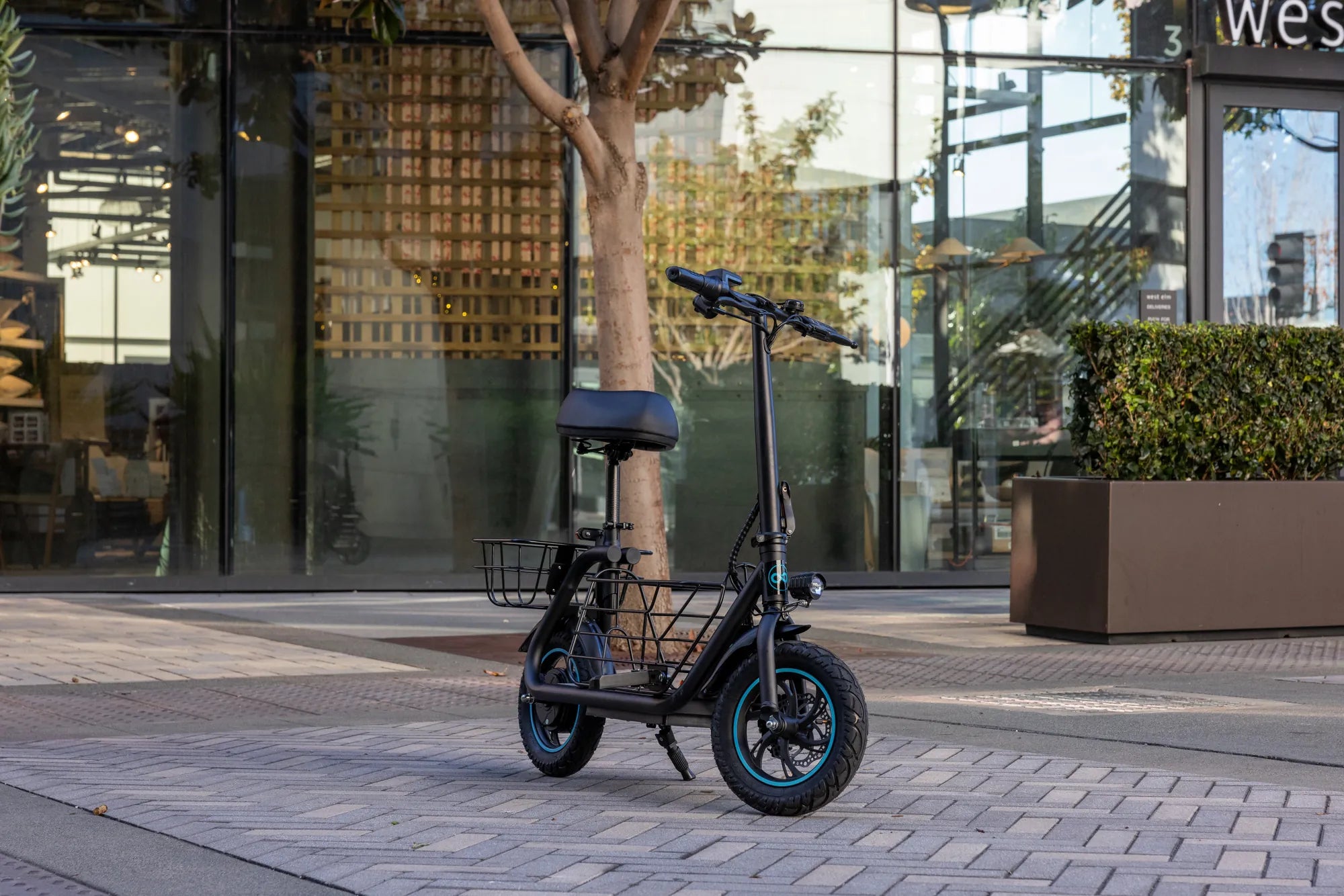
Navigating the Electric Scooter Revolution
Electric scooters have transformed from niche gadgets to mainstream mobility solutions, offering a practical answer to urban congestion, last-mile commuting, and recreational exploration. The market is flooded with options, making an informed choice overwhelming. This guide provides the clarity you need. The Ultimate Guide to Shopping for Electric Scooters: Everything You Need to Know is your data-driven manual to bypass the fluff and focus on what truly matters for performance, safety, and long-term value. We will dissect specifications, compare use cases, and highlight the critical factors of warranty and support that define a quality purchase.
Your decision impacts daily convenience, safety, and overall enjoyment. A poorly chosen scooter can lead to frustration, unexpected costs, or even safety hazards. Conversely, the right model delivers unparalleled freedom and efficiency. This guide structures the complex buying process into logical, actionable steps. We move from understanding your personal needs to decoding technical jargon, ultimately empowering you to make a confident, value-driven investment.
We prioritize factual information and objective analysis over promotional claims. You will learn how to interpret motor power, assess real-world range, and evaluate build quality. Brands that prioritize safety, like Gyroor with its UL-certified batteries and IPX5 water-resistant designs, set a benchmark for responsible engineering. By the end of this guide, you'll possess the framework to select a scooter that aligns perfectly with your lifestyle.
Key Factors to Consider Before You Buy
Purchasing an electric scooter begins not with specs, but with self-assessment. The most powerful scooter is worthless if it doesn't suit your daily reality. You must define your primary use case, understand your legal landscape, and honestly assess your riding environment. These foundational questions will narrow the field significantly and prevent you from overpaying for unnecessary features or underestimating your true requirements.
Budget is a consideration, but it should be framed as total cost of ownership. A slightly higher initial investment in a reliable model from a trusted brand often proves cheaper than dealing with repairs, battery replacements, or premature failure of a cheaper alternative. Think of your scooter as a transportation tool, not just a toy. Its reliability directly affects your daily routine, making upfront research invaluable.
Defining Your Primary Use Case
Your riding purpose dictates nearly every specification. A daily commuter needs a different machine than a weekend trail rider. For the urban commuter, key priorities include sufficient range to cover the round trip with a safety buffer, portability for carrying onto public transit or into an office, and durability for daily pavement pounding. Models with efficient motors, foldable designs, and solid tires or suspension for comfort are ideal.
The recreational adventurer or off-road enthusiast prioritizes power and robustness. Look for higher wattage motors (500W and above), dual suspension systems, large pneumatic tires for traction, and extended range batteries. For casual riders or those using a scooter for short errands and neighborhood fun, simplicity, ease of use, and a lower price point are key. A lightweight frame, intuitive controls, and adequate speed for local paths will suffice.
Understanding Your Local Laws and Riding Environment
Ignoring local regulations can lead to fines or confiscation. Laws governing electric scooters vary dramatically by city, state, and country. Common restrictions include maximum speed limits (often 15-20 mph on public roads), minimum rider age, helmet requirements, and where you can legally ride (bike lanes vs. sidewalks vs. roads). Always check your local Department of Transportation or city council website for the latest rules.
Your physical environment is equally important. Assess your typical route: Is it flat or hilly? Are the roads smooth or riddled with potholes? Hilly terrain demands a more powerful motor. Rough pavement necessitates suspension and pneumatic tires for comfort and control. If you plan to ride in various weather conditions, a scooter with a high water-resistance rating (like IPX5) is non-negotiable for safety and longevity.
Decoding Electric Scooter Specifications: A Buyer's Checklist
Specification sheets are filled with numbers and acronyms. This section translates them into real-world performance. Understanding these core specs allows you to compare models objectively and predict how a scooter will behave under your specific conditions. We will cover the critical triumvirate of power, energy, and construction, followed by the essential safety systems.
Do not be seduced by a single impressive number, like a top speed you may never legally use. Balance is key. A massive battery paired with a weak motor will underperform on hills. A powerful motor on a flimsy frame is a safety risk. Use this checklist as a filter to evaluate any model, ensuring no critical aspect is overlooked in your pursuit of the perfect ride.
Motor Power & Speed: Finding the Right Balance
Motor power, measured in watts (W), determines acceleration, hill-climbing ability, and top speed. A 250W motor is suitable for flat ground and lighter riders. A 350W-500W motor offers a good balance for most urban commuters, providing enough torque for moderate inclines. For heavier riders, steep hills, or off-road use, look for motors of 500W or higher, including dual-motor setups for exceptional torque.
Top speed must be contextualized with legality and safety. While many scooters can reach 25+ mph, local laws often cap legal speeds at 20 mph. Furthermore, higher speeds require more robust braking systems and rider experience. For most, a sustainable cruising speed of 15-20 mph is ideal. Remember, higher speed drastically reduces battery range. Choose power that matches your terrain and legal limits, not just maximum possible output.
Battery & Range: Separating Marketing from Reality
Range is the most frequently overstated spec. Manufacturers often quote "maximum range" under ideal laboratory conditions: a lightweight rider on flat, smooth terrain at low speed. Real-world range is typically 50-70% of the advertised figure. Battery capacity is measured in Watt-hours (Wh) or Amp-hours (Ah). A higher Wh number generally indicates a longer potential range.
Factors that slash real-world range include rider weight, hills, frequent acceleration, cold weather, and tire pressure. For commuting, always choose a scooter with a rated range at least double your daily round-trip distance. Most critically, prioritize battery safety. Look for brands that use certified battery packs from reputable manufacturers. For instance, Gyroor utilizes UL-certified batteries tested for over 500 charge cycles, ensuring safety and longevity, which is a cornerstone of trust for over 100,000 riders.
Build Quality, Weight, and Portability
The scooter's chassis is its backbone. Aircraft-grade aluminum alloy is the standard for a strong yet lightweight frame. Pay close attention to the maximum weight rating; exceeding it stresses all components and is unsafe. The scooter's own weight is crucial for portability. Commuters who need to carry their scooter should target models under 30 lbs, while more powerful, feature-rich models can weigh 40-70 lbs.
A reliable, secure folding mechanism is essential for portability and storage. Test the latch mechanism for sturdiness. Water resistance, indicated by an IP rating, protects the electrical components. An IPX4 rating can handle light splashes, while IPX5 (a standard in Gyroor's design philosophy) can withstand water jets from any direction, making it suitable for riding in rain. This directly impacts durability and reduces maintenance issues.
Safety and Control: Brakes, Tires, and Lights
Your ability to stop is as important as your ability to go. Braking systems include disc brakes (powerful and consistent, requiring occasional maintenance), drum brakes (enclosed, lower maintenance), electronic regenerative brakes (which help recharge the battery slightly), and foot brakes. A combination (e.g., electronic front + disc rear) is ideal for balanced, reliable stopping power.
Tires are your contact with the road. Pneumatic (air-filled) tires offer superior shock absorption and traction but risk punctures. Solid or honeycomb tires are puncture-proof but provide a harsher ride and less grip, especially on wet surfaces. For comfort and safety on varied terrain, pneumatic tires with suspension are best. Integrated lighting is non-negotiable for visibility. A bright front headlight, a rear brake light, and side reflectors are essential for safe riding at dawn, dusk, or night.
Beyond the Specs: Warranty, Support, and Brand Trust
A spec sheet tells you what the scooter is, but warranty and support tell you who stands behind it. This is where brand reputation becomes tangible. A comprehensive warranty and accessible customer service are critical indicators of a company's confidence in its product and its commitment to the rider post-purchase. These factors contribute significantly to the total cost of ownership and your long-term satisfaction.
Investing in a scooter from a brand with a proven track record mitigates risk. Brands with a large, established customer base have ironed out common issues and typically offer better parts availability. For example, a brand like Gyroor, trusted by a community of over 100,000 riders across North America and Europe, leverages that experience to refine products and support structures, offering a reliable 1-year warranty as a benchmark.
The Importance of a Comprehensive Warranty
A warranty is your safety net. Read the fine print carefully. A strong warranty should cover the frame, motor, controller, and battery for a significant period, typically one year. The battery, being the most expensive component, should have explicit coverage. Be wary of warranties that are heavily pro-rated or exclude normal wear and tear on critical parts.
The length and breadth of the warranty reflect the manufacturer's build quality. A short or limited warranty often signals the use of lower-grade components with higher expected failure rates. A robust, straightforward warranty, like the 1-year comprehensive coverage offered by leading brands, provides peace of mind and protects your investment from manufacturing defects.
The Value of Accessible Customer Support
When you need help, you need it quickly. Research the brand's support channels before buying. Are they reachable by phone, email, or live chat? Do they have service centers or authorized repair partners in your region? Brands that outsource support to difficult-to-reach offshore centers can turn a simple troubleshooting issue into a weeks-long ordeal.
Good customer support also means readily available parts. Ask about the availability of common wear items like tires, tubes, brake pads, and throttles. A brand with a dedicated parts shop and clear repair guides empowers you to perform basic maintenance, extending your scooter's life. Accessible, knowledgeable support is a hallmark of a company that views its customers as long-term partners.
Making the Final Decision: Comparison and Value Assessment
With your needs defined and specs decoded, it's time to synthesize the information. This stage involves creating a shortlist of 2-3 models that meet your core criteria and then comparing them side-by-side on the nuanced details. Value is not just the lowest price; it's the optimal combination of performance, features, durability, and support for your budget.
Create a simple comparison table. List your top models as columns and the key decision factors as rows. This visual aid makes trade-offs clear. Does Model A have a longer range but weaker brakes than Model B? Is the premium for Model C justified by its superior suspension and warranty? This disciplined approach prevents last-minute emotional decisions driven by flashy marketing.
Creating Your Shortlist and Comparing Models
Start by filtering models based on your non-negotiable requirements: minimum range, maximum weight, necessary motor power, and budget ceiling. This will yield your shortlist. Then, dive into detailed comparisons using your checklist. Pay special attention to the intersection of specs: a scooter with a powerful motor must have correspondingly strong brakes and a robust frame.
Consult in-depth professional reviews and user testimonials for real-world insights. Look for consistent praise or complaints about battery life, ride comfort, or durability. The table below provides a framework for comparing two commuter-focused models against key criteria.
| Feature | Model X (Commuter Focus) | Model Y (Performance Commuter) |
|---|---|---|
| Motor Power | 350W | 500W |
| Max Speed | 19 mph | 25 mph |
| Advertised Range | 25 miles | 30 miles |
| Real-World Range Estimate | 15-18 miles | 18-22 miles |
| Weight | 28 lbs | 38 lbs |
| Tires | 8.5" Solid | 10" Pneumatic |
| Braking System | Electronic + Drum | Dual Disc Brakes |
| Suspension | Front Spring | Dual Suspension |
| Water Resistance | IPX4 | IPX5 |
| Warranty | 1 Year | 1 Year Comprehensive |
Where to Buy: Retailers vs. Direct from Manufacturer
The purchase channel affects price, support, and warranty handling. Large online marketplaces and big-box retailers often offer competitive prices and easy return policies. However, support may be funneled through the retailer, and warranty claims can be more cumbersome. You may also encounter older inventory or less knowledgeable sales staff.
Buying directly from the manufacturer's website, like gyroorboard.com, often ensures you receive the latest model version, full manufacturer warranty support, and direct access to their customer service team. Brands frequently run exclusive promotions on their own sites and provide detailed product information. For a technical product like an e-scooter, the direct relationship with the maker can be invaluable for future support and parts.
Electric Scooter FAQ: Quick Answers to Common Questions
Q: How long do e-scooter batteries typically last before needing replacement?
A: Battery lifespan is measured in charge cycles. A quality lithium-ion battery from a reputable brand can deliver 500+ full charge cycles while retaining 70-80% of its original capacity. For a typical rider, this translates to 2-4 years of regular use before noticeable range degradation. Using proper charging habits (avoiding full discharges, not leaving it at 100% for extended periods) extends battery life.
Q: Can I ride an electric scooter in the rain?
A> It depends entirely on the scooter's IP water-resistance rating. Scooters with a rating of IPX5 or higher are designed to withstand rain and water jets. Models with lower ratings (IPX4 or none) are only splash-resistant and risk water damage to electronics if ridden in wet conditions. Always check the manual and err on the side of caution; even water-resistant scooters should avoid deep puddles.
Q: Is basic maintenance difficult?
A> No, routine maintenance is straightforward. Key tasks include checking and inflating pneumatic tires weekly, testing brake function regularly, tightening bolts and fasteners, and keeping the scooter clean and dry. More complex repairs (motor, controller, battery issues) should be handled by professionals, especially if under warranty. Brands with good support provide clear maintenance guides.
Q: What's the true cost of ownership beyond the purchase price?
A> Factor in ongoing costs: a quality helmet, safety gear (knee/elbow pads), a good lock, replacement parts like tires/tubes and brake pads, and potential battery replacement after several years. Insurance is also a consideration in some areas. A higher-quality scooter may have a higher upfront cost but lower long-term costs due to durability and warranty coverage.
Q: How do I safely store and transport my electric scooter?
A> For storage, keep it in a dry, temperate place and store the battery at around 50-80% charge if not used for extended periods. For transport, always power it off and engage the brake lock if available. When folding, ensure the mechanism is securely locked. In a car, secure it to prevent rolling. Never leave a lithium-ion battery in extreme heat (like a hot car trunk) for prolonged periods.
Conclusion: Your Path to the Perfect Ride
The journey to finding your ideal electric scooter is a process of alignment. It requires matching engineering capabilities with personal necessity, legal frameworks, and environmental realities. This guide has equipped you with the framework to navigate that process with confidence. Remember that the best scooter for you is the one that reliably, safely, and efficiently serves your specific use case, backed by a brand that guarantees its work.
Prioritize safety certifications, transparent warranties, and accessible support as much as you do speed and range. These are the pillars of a trustworthy product. Whether you're a daily commuter seeking efficiency, an adventurer craving power, or a casual rider enjoying weekend breezes, your perfect match exists. Use the checklist, ask the hard questions, and invest in a ride that promises freedom and fun for the long haul.
Ready to explore a range of electric scooters built with these principles in mind? Browse the full Gyroor collection at gyroorboard.com, featuring UL-certified batteries, IPX5 water-resistant designs, and the reliable 1-year warranty trusted by a global community of riders. Your new ride awaits.
Electric Scooters in Des Moines: The Future of Urban Mobility
Are Children Allowed to Ride Electric Scooters? The Complete Guide for Parents