


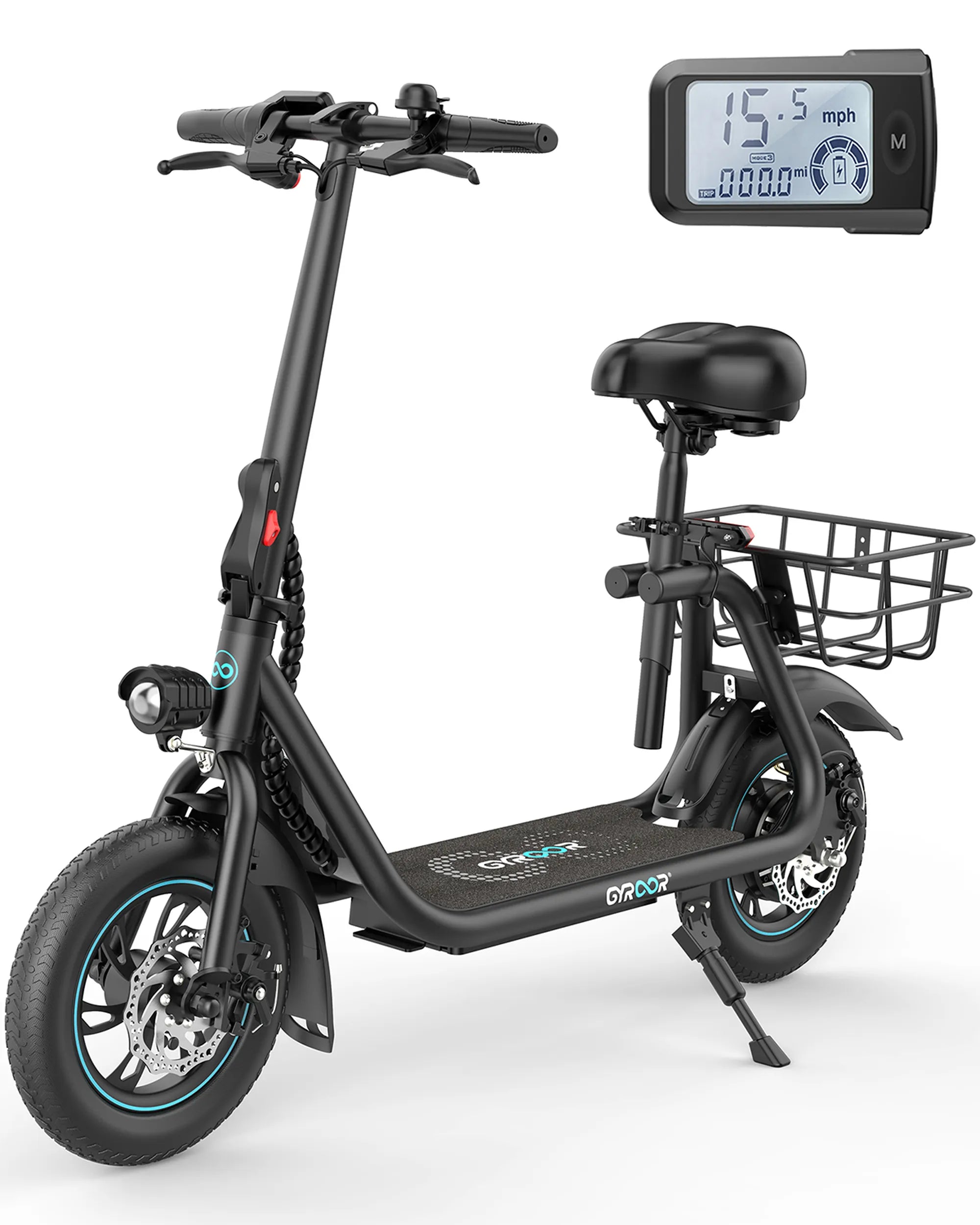
Are you tired of your bike battery dying mid-ride? Whether you're an avid cyclist or a casual rider, having a reliable power source is crucial for a smooth and uninterrupted journey. The right battery can make all the difference in performance, longevity, and overall riding experience. In this comprehensive guide, we'll explore the top battery for bike options, helping you make an informed decision that suits your needs.
Why Choosing the Right Bike Battery Matters
Your bike's battery is the heart of its electrical system, powering everything from the motor to the lights and accessories. A high-quality battery ensures consistent performance, longer rides, and fewer headaches. On the other hand, a subpar battery can leave you stranded or constantly searching for a recharge. Investing in the top battery for your bike is not just about convenience—it's about safety and reliability.
Types of Bike Batteries
When it comes to bike batteries, there are several types to consider, each with its own advantages and drawbacks. Here's a breakdown of the most common options:
Lithium-Ion Batteries
Lithium-ion batteries are the most popular choice for modern bikes due to their lightweight design, high energy density, and long lifespan. They charge quickly and hold their charge well, making them ideal for frequent riders. However, they can be more expensive upfront compared to other types.
Lead-Acid Batteries
Lead-acid batteries are a more affordable option but come with added weight and shorter lifespans. They're often found in older bike models or budget-friendly setups. While they may save you money initially, their performance and durability are generally inferior to lithium-ion alternatives.
Nickel-Metal Hydride Batteries
Nickel-metal hydride (NiMH) batteries strike a balance between lithium-ion and lead-acid options. They offer decent energy density and are more environmentally friendly, but they tend to self-discharge faster and may not last as long as lithium-ion batteries.
Key Features to Look for in a Bike Battery
Selecting the top battery for your bike involves evaluating several critical features. Here's what to keep in mind:
Capacity
Measured in ampere-hours (Ah), capacity determines how much energy the battery can store. Higher capacity means longer rides between charges, but it also means a heavier battery. Choose a capacity that aligns with your typical riding distance.
Voltage
Voltage affects the power output of your bike's motor. Most bikes operate on 24V, 36V, or 48V systems. Ensure the battery you select matches your bike's voltage requirements for optimal performance.
Weight
A lighter battery can improve your bike's handling and efficiency, especially if you frequently ride uphill or over long distances. Lithium-ion batteries are the lightest option, while lead-acid batteries are the heaviest.
Charging Time
Fast charging is a game-changer for riders who rely on their bikes daily. Look for batteries with quick charge capabilities to minimize downtime.
Durability
A durable battery can withstand harsh weather conditions, vibrations, and frequent use. Check for features like waterproofing and shock resistance to ensure longevity.
How to Extend the Life of Your Bike Battery
Even the top battery for your bike won't last forever, but proper care can significantly extend its lifespan. Follow these tips to get the most out of your investment:
Avoid Overcharging
Leaving your battery connected to the charger for extended periods can reduce its lifespan. Use a smart charger that automatically stops charging when the battery is full.
Store Properly
If you won't be using your bike for a while, store the battery in a cool, dry place. Avoid extreme temperatures, as they can damage the battery cells.
Regular Maintenance
Keep the battery terminals clean and free of corrosion. Check the connections periodically to ensure they're secure and functioning properly.
Charge Before It Dies
Don't wait until your battery is completely drained to recharge it. Partial discharges and regular top-ups are better for battery health than deep discharges.
Common Mistakes to Avoid When Choosing a Bike Battery
Selecting the wrong battery can lead to frustration and unnecessary expenses. Here are some pitfalls to steer clear of:
Ignoring Compatibility
Not all batteries are compatible with all bikes. Always check your bike's specifications before purchasing a new battery to avoid compatibility issues.
Prioritizing Price Over Quality
While it's tempting to go for the cheapest option, a low-quality battery may cost you more in the long run due to frequent replacements and poor performance.
Overlooking Warranty
A good warranty can save you money if the battery fails prematurely. Look for batteries with at least a one-year warranty for peace of mind.
The Future of Bike Batteries
As technology advances, bike batteries are becoming more efficient, lighter, and longer-lasting. Innovations like solid-state batteries and improved energy density are on the horizon, promising even better performance for cyclists. Staying informed about these developments can help you make smarter choices when it's time to upgrade.
Ready to upgrade your ride with the top battery for your bike? With the right knowledge and careful consideration, you can find a power source that keeps you moving smoothly for miles to come. Don't let a weak battery hold you back—invest in quality and enjoy the ride!
Electric Trike Conversion Kit with Battery: The Ultimate Upgrade for Your Ride
48V 2000W Electric Bike Kit: The Ultimate Upgrade for Your Ride