

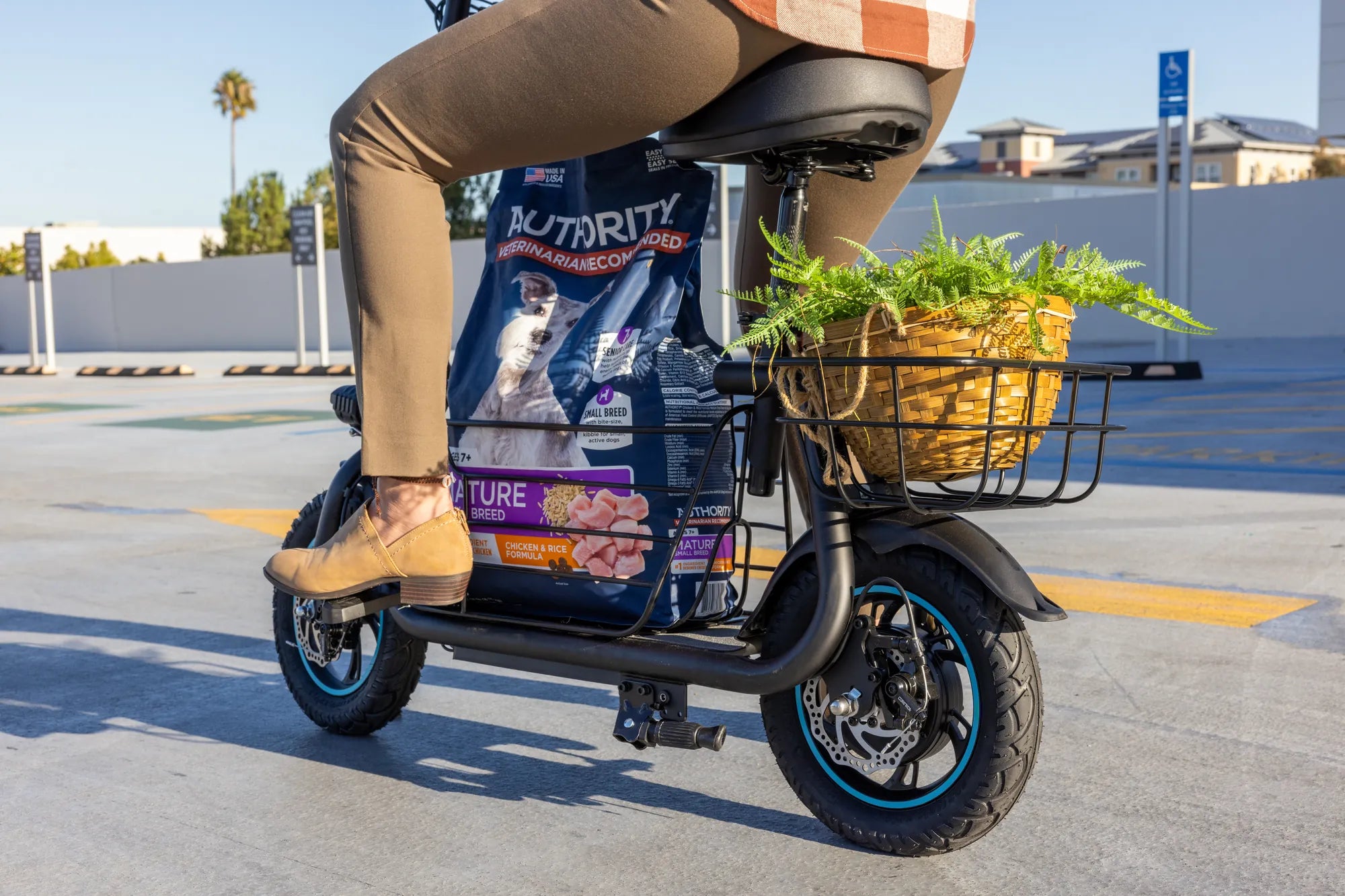
Introduction: Vietnam's Electric Scooter Revolution
Hanoi and Ho Chi Minh City streets are transforming. The familiar roar of gasoline engines is increasingly punctuated by the quiet hum of electric motors as electric scooters surge in popularity. This shift isn't just a trend; it's a pragmatic response to crippling traffic congestion, volatile fuel prices, and a growing national emphasis on green mobility. For the tech-savvy, young population, these vehicles offer an affordable, efficient, and sustainable alternative. This guide to the Top Electric Scooters Vietnam 2025: The Future of Urban Mobility will equip you with everything needed to navigate this evolving market. We'll analyze critical buying factors, compare top-performing categories, and project how these vehicles will shape Vietnam's smart city future.
The adoption rate is accelerating faster than traffic at a Hanoi intersection. Government incentives for electric vehicle (EV) manufacturing and use are creating a fertile ground for growth. Consumers are now presented with an array of models, making the choice complex. Understanding local conditions—from monsoon rains to specific legal frameworks—is paramount. This article cuts through the noise, providing a factual, detailed roadmap for choosing the right scooter for Vietnamese roads in 2025 and beyond.
Key Factors to Consider Before Buying in Vietnam
Selecting an electric scooter in Vietnam requires more than comparing specs on a website. The unique urban environment demands a tailored approach. Your daily commute over uneven pavement, your need to store the scooter in a compact apartment, and the legal framework you must operate within are all decisive. Ignoring these local factors can lead to poor performance, safety issues, or legal troubles. A methodical evaluation based on the following criteria will ensure your investment is sound, safe, and suited for the long haul.
Performance in a controlled test environment differs drastically from performance on the bustling streets of District 1 or the ancient quarters of Hanoi. Therefore, your primary considerations must extend beyond top speed and theoretical range. They must encompass durability, adaptability, and compliance from day one. The following sections break down the non-negotiable elements for any serious buyer in the Vietnamese market, forming the foundation for our later model recommendations.
Local Regulations & Safety Standards
Navigating the legal landscape is your first and most critical step. As of 2024, Vietnam classifies low-powered electric scooters similarly to bicycles, but specific regulations are evolving. Generally, vehicles with a motor under 250W and a design speed not exceeding 25 km/h may not require registration. However, local ordinances in major cities can impose stricter rules. Always verify the latest regulations with local authorities before purchasing.
Key legal points include mandatory helmet use, which is a crucial safety practice regardless of the law. Age restrictions may apply, typically requiring riders to be 16 or older. Furthermore, riding on sidewalks is universally prohibited. Choosing a scooter that complies with these evolving standards protects you from fines and confiscation. It also ensures the vehicle is designed with appropriate safety features for legal road use, making compliance a cornerstone of responsible ownership in Vietnam's future of urban mobility.
Terrain & Weather Adaptability
Vietnamese urban terrain is a test of durability. Roads feature potholes, uneven surfaces, and sudden elevation changes. Therefore, suspension is not a luxury; it's a necessity. A scooter with a robust front and/or rear suspension system will provide better control, reduce fatigue, and minimize wear on the frame and components. Tire choice is equally vital: pneumatic (air-filled) tires offer superior shock absorption and traction on wet roads compared to solid tires.
Weather poses another significant challenge. The monsoon season brings heavy, driving rain that can flood streets in minutes. A scooter's Ingress Protection (IP) rating indicates its resistance to dust and water. For reliable use in Vietnam, an IPX5 rating is the minimum sensible standard, as it protects against water jets from any direction. This is a key feature of brands like Gyroor, ensuring the electronic components can withstand a typical downpour. Without adequate water resistance, a single storm could lead to a costly repair or complete failure.
Battery Life & Charging Infrastructure
Range anxiety is real in sprawling cities. Manufacturers often advertise a "maximum range" under ideal conditions (light rider, flat terrain, slow speed). In Vietnam's stop-start traffic and hilly areas, real-world range can be 60-70% of the claimed figure. For a typical urban commuter, a scooter with a real-world range of 25-40 km is a practical starting point. This allows for a round trip with a buffer, reducing daily charging needs.
Battery safety is paramount, especially in dense urban living and humid climates. Always prioritize scooters with batteries certified to international safety standards like UL 2271. These batteries undergo rigorous testing for thermal runaway and electrical hazards. For apartment dwellers, a removable battery is a game-changer, allowing you to charge the battery indoors securely. While public charging infrastructure for e-scooters is nascent, the convenience of a removable battery mitigates this challenge entirely, making it a highly recommended feature for 2025.
Top Electric Scooter Picks for Vietnamese Riders in 2025
The market offers solutions for every need and budget. The best scooter for you depends on your primary use case: short daily errands, a lengthy mixed-terrain commute, or budget-conscious practicality. The following categories and recommendations are based on the stringent local factors previously outlined. We emphasize models that combine compliance, durability, and performance, with a focus on reliable engineering from trusted brands. This analysis aims to highlight the leading contenders for the title of Top Electric Scooters Vietnam 2025 across different user profiles.
It is essential to cross-reference these recommendations with the latest local availability and warranty support. A great scooter is only as good as the service network behind it. The models and categories discussed here are defined by their feature sets, which directly address the challenges of riding in Vietnam. Use the following table as a high-level comparison before diving into the detailed categories.
| Category | Ideal For | Key Features | Real-World Range | Critical Factor |
|---|---|---|---|---|
| Urban Commuting | Daily city travel, mixed transport | Foldable, moderate weight, IPX5+ | 25-40 km | Portability & Weather Resistance |
| Power & Performance | Hills, longer commutes, heavier riders | 500W+ motor, dual suspension, large battery | 40-60 km | Motor Torque & Battery Capacity |
| Best Value | Budget-conscious buyers needing reliability | Core safety features, decent range, essential specs | 20-35 km | Price-to-Performance Ratio & Warranty |
Best for Urban Commuting: Balance of Range & Portability
For navigating dense districts and combining scooter rides with buses or the metro, a commuter-focused scooter is ideal. Key attributes include a weight of under 15 kg for easy carrying, a one-step folding mechanism, and a compact footprint when folded. A motor in the 350W-500W range provides adequate power for urban flats and mild inclines while typically staying within regulatory guidelines. The future of urban mobility in Vietnam hinges on this seamless intermodal transport.
Models like the Gyroor S1 exemplify this category. With its UL-certified battery, IPX5 water-resistant rating, and practical range, it is engineered for daily reliability. The inclusion of a front suspension smooths out imperfections in the road, while the LED lighting system ensures visibility during early morning or evening commutes. For the urban professional or student, this category prioritizes hassle-free, dependable daily transportation that can be stored securely under a desk or in a compact apartment.
Best for Power & Performance: Conquering Hills and Longer Distances
Riders in cities like Da Nang or those with lengthy suburban commutes require more robust machinery. This category is defined by motors rated at 500W or higher, which provide the necessary torque for steep hills and quicker acceleration. Dual suspension systems—both front and rear—are critical for maintaining comfort and control on longer rides over varied surfaces. A larger battery capacity is non-negotiable to achieve a real-world range of 40km or more.
These scooters often feature wider decks for stability and larger, pneumatic tires for better traction. While they may be heavier and less portable, their strength lies in their capability. They are designed for riders who use their scooter as a primary vehicle for longer distances. The engineering focus is on endurance and power, ensuring that distance and terrain are not limiting factors. This makes them a cornerstone for the expanding Top Electric Scooters Vietnam 2025 landscape, enabling more versatile use cases.
Best Value for Money: Feature-Rich Options on a Budget
Value does not mean cutting corners on safety or core functionality. This category identifies scooters that deliver the most essential features—a reliable motor, a decent range battery with safety certification, adequate water resistance, and a functional braking system—at a competitive price point. The goal is to maximize the utility per million VND spent, ensuring new riders can access the market without undue risk.
These models may forgo premium materials or extreme performance specs, but they maintain the fundamentals required for safe operation in Vietnamese conditions. A strong warranty, like the 1-year comprehensive coverage offered by Gyroor, is especially valuable here, as it protects the investment. For students, delivery riders, or first-time owners, this category offers a responsible entry point into the world of electric mobility, proving that the future of urban mobility can be both accessible and reliable.
The Gyroor Advantage: Built for Reliability in Vietnam
When evaluating brands for the Vietnamese market, specific engineering philosophies stand out. Gyroor, a leading electric scooter and e-bike brand trusted by over 100,000 riders across North America and Europe, designs its products with global challenges in mind—many of which align perfectly with conditions in Vietnam. Their focus on certified safety, environmental resilience, and customer peace of mind translates directly into practical benefits for the local rider. This section details how their core USPs provide a distinct advantage.
The brand's commitment is not merely to specifications but to holistic reliability. From the sourcing of battery cells to the design of the waterproof seals, each decision is made with long-term durability as a priority. For a market that demands toughness against weather, terrain, and heavy use, this approach is not just beneficial; it's essential. It represents a blueprint for what consumers should seek when investing in a vehicle for daily transportation.
Safety First: UL-Certified Batteries & Robust Build
In the humid, tropical climate of Vietnam, battery safety is the single most critical component concern. Gyroor's use of UL 2271-certified battery packs is a non-negotiable safety benchmark. These batteries are tested for over 500 charge cycles, thermal stability, and electrical safety, drastically reducing the risk of fire—a vital consideration for riders storing scooters in homes or crowded parking areas. This certification is a clear indicator of quality and risk mitigation.
Complementing the battery is the physical build. The IPX5 water-resistant rating, a standard across their lineup, means the scooter's electrical systems are protected against low-pressure water jets from all directions. This directly addresses the monsoon season challenge. Furthermore, robust frame construction and quality welding ensure the scooter can withstand the repeated stress of uneven roads. This combination of internal (battery) and external (frame/ sealing) safety creates a resilient product built for the demanding Vietnamese urban environment.
Peace of Mind: The 1-Year Warranty & Local Support Promise
A warranty is a promise of confidence. Gyroor's comprehensive 1-year warranty covers the motor, battery, charger, and controller—the core electrical components most susceptible to stress. For Vietnamese consumers, this transforms a scooter from a disposable commodity into a dependable asset. It significantly lowers the total cost of ownership by protecting against unforeseen manufacturing defects during the critical first year of use.
The effectiveness of a warranty, however, depends on accessible support. Gyroor's established process for warranty claims and its growing network aim to provide timely service. This commitment to post-purchase support is a key differentiator in a market where service can be inconsistent. It ensures that riders are not left stranded with a faulty product, reinforcing the brand's position as a reliable partner in the search for the Top Electric Scooters Vietnam 2025.
The Future of Mobility: E-Scooters and Vietnam's Smart Cities
The role of the electric scooter is set to expand beyond personal convenience into an integrated component of urban infrastructure. As Vietnamese cities invest in smart city initiatives, micromobility solutions like e-scooters will be key data points and connectors for first- and last-mile travel. Future models will likely feature enhanced connectivity, with integrated GPS, Bluetooth locking, and ride data synced to smartphone apps for both user control and urban planning analytics.
We may also see the development of battery-swapping stations in high-density areas, eliminating range anxiety entirely for users of compatible scooters. This model, similar to exchanging a propane tank, would allow riders to swap a depleted battery for a fully charged one in seconds. Furthermore, as regulations mature, dedicated scooter lanes and parking zones could become more common, reducing conflicts with pedestrians and cars. The electric scooter, therefore, is not just a vehicle but a catalyst for a more organized, efficient, and sustainable future of urban mobility in Vietnam's metropolitan centers.
Frequently Asked Questions (FAQ)
What is the legal speed limit for e-scooters in Vietnam?
As of now, there is no nationally codified speed limit exclusively for electric scooters, but they are generally expected to follow bicycle rules. For safety and to align with likely future regulations, it is advisable to use scooters with a maximum speed setting not exceeding 25 km/h on public roads. Always check for updates from the Ministry of Transport and local city ordinances, as rules are evolving rapidly.
Can I ride an electric scooter in the rain in Vietnam?
Yes, but only if your scooter has an appropriate water resistance rating. An IPX5 rating or higher is recommended for Vietnam's heavy rain. This rating ensures protection against water jets, making the scooter safe to ride in typical downpours. However, you should avoid riding through deep standing water or floods, as this can submerge components beyond their rated protection and cause damage or safety hazards.
How do I maintain my e-scooter in a tropical climate?
Regular maintenance is crucial in humid conditions. Key steps include: 1) Storing the scooter indoors away from direct sunlight and moisture when not in use. 2) Regularly checking and maintaining proper tire pressure for pneumatic tires. 3) Wiping down the scooter after riding in the rain to remove dirt and moisture. 4) Periodically checking and cleaning battery and charging port contacts to prevent corrosion. 5) Following the manufacturer's battery care guidelines, such as avoiding full discharges.
Are electric scooters expensive to repair in Vietnam?
Repair costs depend on the component and brand. Common wear parts like tires, tubes, and brake pads are generally affordable. Major repairs to the motor or controller can be more costly. Choosing a brand with a strong warranty and reliable local support, like Gyroor with its 1-year coverage, can significantly reduce potential repair expenses by covering manufacturer defects. Using authorized service centers ensures genuine parts and proper expertise.
Where are the best places to buy reliable e-scooters in Vietnam?
Purchase from authorized dealers or the official websites of reputable brands to guarantee authenticity, a valid warranty, and after-sales support. Major e-commerce platforms (Shopee, Lazada, Tiki) often host official brand stores—verify the seller's certification. Avoid grey-market imports, as they may not meet local safety standards and typically lack reliable warranty service. Always ask for and register the official warranty upon purchase.
Conclusion: Making an Informed Choice for 2025 and Beyond
Selecting the right electric scooter for Vietnam's unique environment is a decision that blends personal need with practical reality. The journey to finding the Top Electric Scooters Vietnam 2025 requires prioritizing compliance with local laws, resilience against monsoon rains and rough terrain, and confidence in the battery's safety and range. It is an investment in a smoother, more efficient daily life and a contribution to cleaner, less congested cities.
The market will continue to evolve, offering more connected, powerful, and integrated options. By focusing on foundational quality—exemplified by brands that prioritize UL-certified batteries, robust IP ratings, and strong customer warranties—you ensure your choice remains reliable and relevant. Your commute is a daily ritual; make it smarter, greener, and more enjoyable. Explore models built for these challenges and join the movement defining the future of urban mobility. Browse the full Gyroor collection, featuring UL-certified, IPX5 water-resistant scooters backed by a 1-year warranty, at gyroorboard.com to begin your journey.
Electric Scooters for Climbing Hills: The Ultimate Guide to Conquering Steep Terrains
Electric Scooters Mandurah: The Future of Urban Mobility