



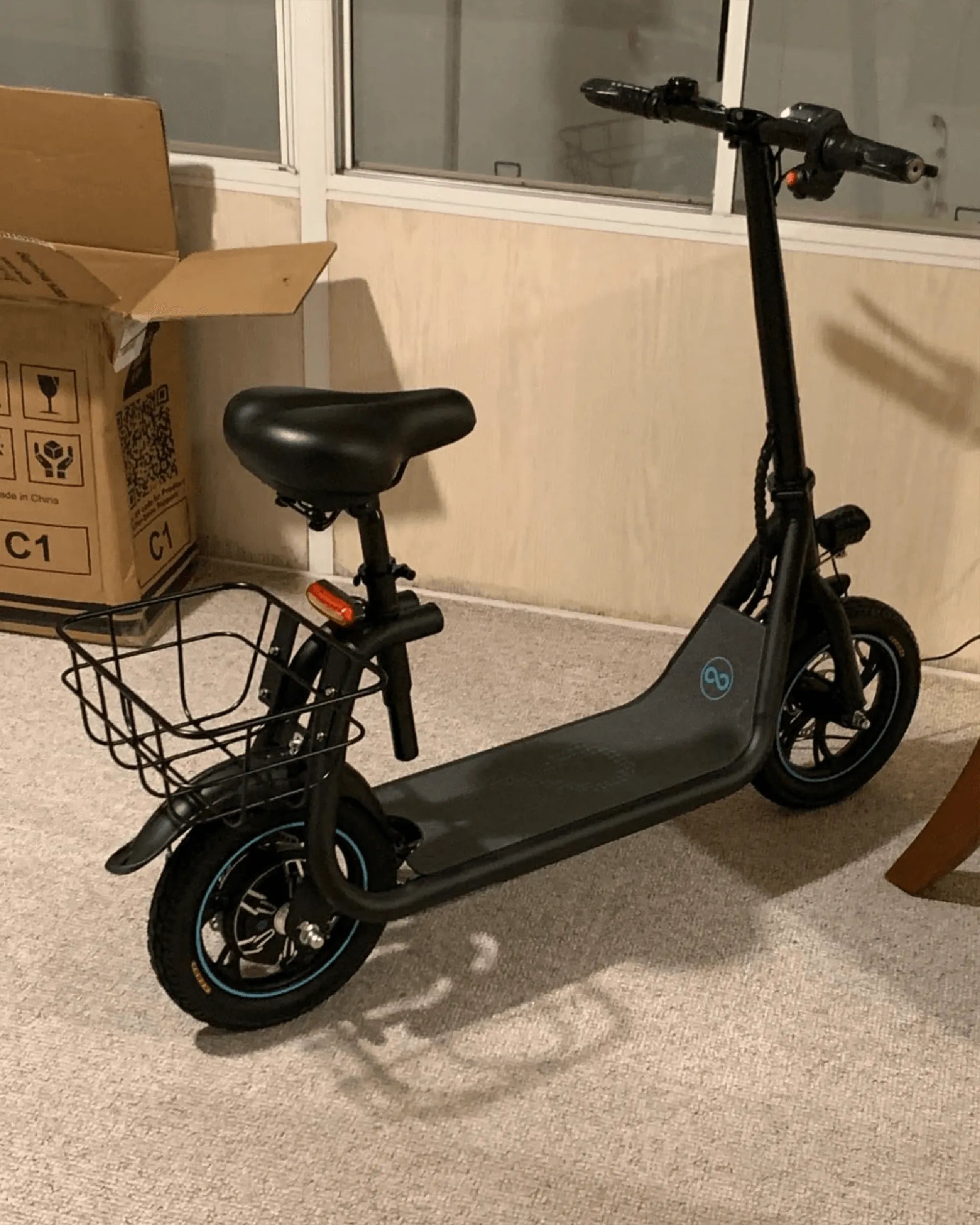
Choosing the right electric scooter for your child involves balancing excitement with essential safety. As a parent, your primary concerns are durability, reliable performance, and built-in protective features that can withstand real-world play. This guide serves as your definitive resource, cutting through marketing claims with factual analysis. You will learn the non-negotiable safety standards, how to match scooter specs to your child's age and skill level, and what makes a model truly top-rated for long-term enjoyment and peace of mind.
What Makes an Electric Scooter "Top-Rated" for Kids?
The term "top-rated" transcends simple popularity or flashy designs. For a children's electric scooter, it signifies a product that excels in three core areas: verified safety engineering, robust construction for longevity, and age-appropriate performance controls. These criteria ensure the scooter is a tool for fun and development, not a source of undue risk or frequent repairs.
Parental reviews and expert ratings consistently highlight these pillars. A top-rated electric scooter for kids integrates safety into its fundamental design, uses high-quality materials proven to endure, and offers customizable settings that grow with the rider. This holistic approach separates exceptional products from the rest of the market.
Safety Features: Non-Negotiables for Young Riders
Safety is the paramount concern. A reliable braking system is critical; look for models with multiple braking methods such as a disc brake, electronic brake, and a rear foot brake for redundancy. Effective lighting—a bright headlight, taillight, and side reflectors—is essential for visibility during dusk rides.
Speed limiters or multiple speed modes are indispensable. They allow parents to set a safe maximum speed for beginners, which can be increased as the child's skill and confidence grow. Furthermore, a wide, textured deck provides stable footing, reducing the chance of slips.
A critical yet often overlooked safety component is the battery pack. Top-rated scooters for kids use certified, high-quality lithium-ion batteries. Brands like Gyroor prioritize UL-certified battery packs, which undergo rigorous testing for stability and overcharge protection, significantly mitigating risks of overheating.
Durability & Build Quality: Withstanding Playtime Adventures
Kids are not gentle. Build quality directly impacts safety and cost-of-ownership. Frames constructed from aircraft-grade aluminum offer an optimal blend of strength and manageable weight. Inspect product images for clean welds and reinforced stress points, particularly where the stem meets the deck.
Weather resistance is a key durability factor. An IPX5 water-resistant rating means the scooter can withstand water jets from any direction. This protects the electrical components from puddle splashes or light rain, ensuring the scooter isn't rendered useless by a minor accident or sudden weather change.
Tire choice also affects durability and ride quality. Air-filled (pneumatic) tires offer better shock absorption on rough surfaces but can puncture. Solid rubber or honeycomb tires are virtually maintenance-free and puncture-proof, though they may provide a slightly firmer ride.
Age-Appropriate Performance: Speed, Power, and Range
Matching performance to your child's age is crucial. For young riders (6-9), a motor power of 100-150 watts and a top speed capped at 10 mph is typically sufficient. For pre-teens (10-12), 150-250 watts with speeds up to 15 mph allows for more fun while remaining controllable.
Range, often advertised as "up to" a certain mileage, depends on rider weight, terrain, and use of throttle. A realistic range of 6-10 miles is ample for most neighborhood adventures and ensures the battery isn't overly stressed, promoting its long-term health. Always consider real-world conditions over ideal laboratory specs.
Top-Rated Electric Scooter Categories for Different Age Groups
Segmenting options by age and development stage provides a clear roadmap for parents. The right scooter for an 8-year-old beginner differs vastly from one suitable for a 13-year-old commuting to a friend's house. This categorization focuses on the primary needs for safety, control, and performance at each level.
Best for Young Beginners (Ages 6-8): Safety & Stability First
For this group, the mantra is control and stability. Top-rated models feature a maximum speed of 8-10 mph, often with a beginner mode as low as 5 mph. A lower deck height and shorter wheelbase make it easier for children to step on and off safely and maintain balance.
Dual braking systems are essential, giving a child more than one way to stop smoothly. Lightweight construction (under 20 lbs) is also important, allowing the child to maneuver the scooter easily and for parents to carry it if needed. A comprehensive warranty from a reputable brand is a key indicator of reliability and offers crucial peace of mind.
Ideal for Pre-Teens (Ages 9-12): Balancing Fun and Responsibility
This age group seeks more adventure and range. Scooters in this category often feature 200-300 watt motors capable of tackling mild inclines, with top speeds adjustable up to 15 mph. Parental control via PIN-locked speed settings or remote-control limiters remains a vital feature.
Enhanced durability becomes important as riders cover more ground. You may see front suspension or larger, pneumatic tires for smoother rides on varied pavement. Brighter LED lighting systems and audible horns or bells are common, promoting safe riding in larger neighborhood areas.
Options for Teenagers (Ages 13+): Performance and Style
For teenagers, electric scooters can serve as legitimate personal transport. Performance specs increase, with motors from 350 watts and speeds up to 20 mph, alongside extended ranges of 12-20 miles per charge. Robust construction with higher weight capacities accommodates growing teens.
Portability via one-click folding mechanisms is a major convenience for storage or multi-modal travel. Design aesthetics also play a larger role. At this level, the scooter is an expression of independence, so features like digital displays, customizable LED lights, and sleek profiles are valued alongside core performance and safety.
Critical Comparison: Key Specifications Parents Must Compare
Understanding product specifications allows for an objective comparison. The table below outlines how key specs typically vary across age categories, providing a baseline for evaluation.
| Specification | Ages 6-8 (Beginner) | Ages 9-12 (Intermediate) | Ages 13+ (Advanced) |
|---|---|---|---|
| Max Speed | 8 - 10 mph | 10 - 15 mph | 15 - 20 mph |
| Motor Power | 100 - 150W | 150 - 300W | 300W+ |
| Real-World Range | 5 - 8 miles | 8 - 12 miles | 12 - 20 miles |
| Weight Capacity | 120 lbs | 150 lbs | 220 lbs+ |
| Key Features | Speed limiter, wide deck, light weight | Multiple speed modes, suspension, brighter lights | High performance, folding design, digital display |
Battery & Range: Understanding Real-World Mileage
Battery voltage (V) and amp-hour (Ah) capacity together determine energy storage. A higher voltage often correlates with better performance, while a higher Ah rating indicates longer potential range. However, manufacturer range claims are based on ideal conditions.
Real-world mileage can be 20-30% less due to factors like rider weight, hills, frequent stopping and starting, and temperature. A scooter with a UL-certified battery, like those used by Gyroor, not only ensures safety but also tends to provide more consistent performance and longevity over its 500+ charge cycle lifespan.
Motor Power & Speed Settings: Matching Your Child's Skill Level
Motor wattage indicates power output. A higher-wattage motor provides stronger acceleration and better hill-climbing ability. However, for children, controlled power is more important than maximum power. The presence of multiple speed modes (e.g., 3 settings) is a critical feature.
These modes act as training wheels for electric scooters. A child can start in a slow, manageable mode (e.g., 5 mph) to build confidence and muscle memory. As their skills improve, parents can unlock higher speeds, ensuring the child progresses at a safe pace.
Weight Limit & Portability: Ensuring a Proper Fit
Always choose a scooter with a maximum weight limit significantly higher than your child's current weight. This ensures the frame, brakes, and motor are not overstressed, which maintains safety and extends the product's life. A good rule is to have at least a 20-30% buffer.
Scooter weight is a double-edged sword. A lighter scooter (e.g., 15 lbs) is easier for a child to carry upstairs or lift over curbs. However, slightly heavier scooters (20-25 lbs) often indicate a more robust frame, larger battery, and more powerful motor. Consider where and how the scooter will be used and stored.
The Gyroor Advantage: Why Trust Matters for Kids' E-Scooters
With over 100,000 riders trusting the brand across North America and Europe, Gyroor's approach to kids' electric scooters is built on a foundation of verified safety and durable engineering. This reputation is earned by adhering to the very criteria that define a top-rated product, offering parents a clear benchmark for quality.
Unmatched Safety Commitment: UL-Certified Batteries and Robust Builds
The commitment starts with the power source. Gyroor's use of UL-certified battery packs is a major differentiator. This certification means the battery cells, BMS (Battery Management System), and enclosure have passed independent safety tests for electrical, mechanical, and environmental hazards, drastically reducing fire risk.
This safety-first philosophy extends to the overall design. Models feature stable, reinforced frames, reliable dual braking systems, and intuitive controls. By engineering safety into the core components, Gyroor provides a level of assurance that is critical for any children's product.
Built to Last: IPX5 Water Resistance and Durable Engineering
An IPX5 water-resistant rating is standard on Gyroor scooters. This practical feature acknowledges that kids will encounter puddles and light rain. It protects the motor, battery compartment, and electronics from water jets, directly contributing to the scooter's longevity and reducing the chance of water-related failures.
Durability is further ensured through the use of quality materials and rigorous testing. The brand's focus on creating reliable personal electric transport for adults translates into exceptionally sturdy builds for their younger riders, ensuring the scooter is a lasting investment.
Peace of Mind Parenting: The 1-Year Warranty and US-Based Support
A comprehensive 1-year warranty covering the motor, battery, and controller demonstrates confidence in product durability. For parents, this warranty is a safety net against manufacturing defects. It transforms the purchase from a gamble into a secure investment.
Coupling this with accessible, US-based customer support is a significant advantage. It ensures that if questions or issues arise, parents can get timely assistance for troubleshooting or warranty claims, avoiding the frustrations often associated with overseas-only support channels.
Essential Gear and Safety Practices Beyond the Scooter
The safest scooter is only one part of the equation. Proper safety gear and established riding habits are equally vital to protect your child. This non-negotiable kit and routine should be established before the first ride.
Mandatory Protective Gear: Helmets, Pads, and Visibility
A CPSC-certified bicycle helmet is an absolute must. It should fit snugly and be worn on every ride, regardless of distance. Elbow and knee pads are highly recommended, especially for beginners, to protect against falls during the learning phase.
Closed-toe, sturdy shoes are essential—no sandals or flip-flops. For low-light conditions, add high-visibility elements: a reflective vest, ankle bands, or stickers on the helmet and scooter. Making your child conspicuous to drivers is a critical layer of protection.
Pre-Ride Checklist and Riding Rules
Institute a simple pre-ride checklist: inspect tires for wear or damage, test the brakes, ensure the handlebars and stem are secure, and verify the battery has sufficient charge. Also, confirm all safety gear is properly fitted.
Establish clear riding rules from day one. These should include: ride only on sidewalks, bike paths, or designated parks (never on roads with traffic); obey all pedestrian traffic signals; avoid wet or sandy surfaces; and never allow a passenger. Supervised practice in an empty parking lot or driveway is the best way to start.
Frequently Asked Questions (FAQs) for Parents
Q: What is the right age for a child to start using an electric scooter?
A: Most manufacturers recommend ages 6 and up, but readiness depends more on the child's coordination, maturity, and ability to follow safety rules. A physically capable 8-year-old who respects boundaries may be a better candidate than an impulsive 10-year-old. Always start with a beginner model with strict speed limits.
Q: How long does the battery take to charge, and what's its typical lifespan?
A>Charge times vary from 3 to 6 hours for a full charge. A quality lithium-ion battery, like a UL-certified pack, is rated for 500+ full charge cycles. With regular use, this translates to several years of service before a noticeable decrease in range occurs. Always use the manufacturer-provided charger.
Q: Are Gyroor kids' scooters easy to assemble?
A>Yes. Gyroor scooters typically require minimal assembly, often just attaching the handlebar to the stem and securing it with provided tools—a process taking 10-15 minutes. All necessary tools and clear instructions are included in the box.
Q: Can the scooter be used on grass or gravel paths?
A>Most electric scooters are designed for paved surfaces. Riding on grass, gravel, or dirt can strain the motor, reduce battery range drastically, and increase the risk of losing traction and falling. Models with larger, air-filled tires and more power handle unpaved paths better, but smooth pavement is always ideal and safest.
Q: What should I do if the scooter needs repair under warranty?
A>Contact Gyroor's customer support directly through their official website. Have your purchase receipt and scooter model number ready. Their US-based team will guide you through troubleshooting steps and, if necessary, the warranty claim process for parts or repair services.
Conclusion: Investing in Confidence and Joy
Selecting a top-rated electric scooter for your child is an exercise in informed parenting. By prioritizing verified safety standards like UL-certified batteries, age-appropriate performance controls, and durable construction from a reputable brand, you invest in more than a toy. You invest in confidence—the confidence that your child can explore, enjoy the outdoors, and develop a sense of independence within a framework of safety.
Brands like Gyroor, with their focus on engineering integrity, robust warranties, and supportive customer service, provide a clear standard for what a reliable kids' electric scooter should be. This ultimate guide empowers you to make a choice that delivers lasting fun and priceless peace of mind. Ready to explore models that meet these high standards? Browse the full Gyroor collection at gyroorboard.com to find the perfect electric scooter for your young adventurer.
Best Electric Scooters Under $300: Affordable and Reliable Rides for Everyone
Who Fixes Electric Scooters: A Complete Guide to Repair Services