



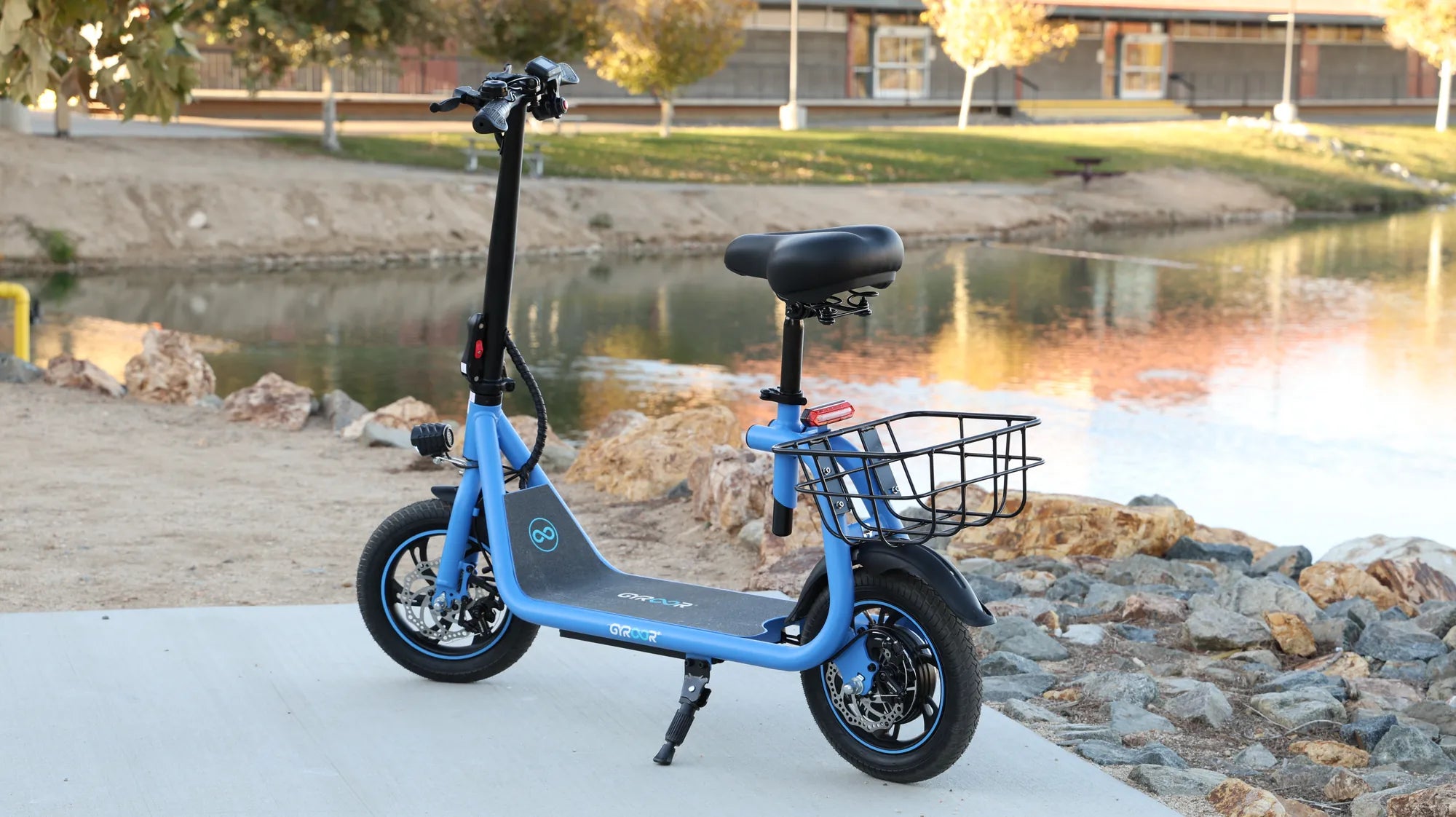
Why Choosing the Right Electric Scooter for Your Teen Matters
Selecting a top rated electric scooter for teens is about more than just picking a fun toy. It's an investment in your teen's independence, responsibility, and safety. The right model balances exhilarating performance with certified safety features, durable construction, and adherence to local regulations. A poor choice can lead to frustration, premature breakdowns, or, more critically, safety risks.
This guide serves as your definitive resource. We cut through the marketing hype to focus on what truly matters: battery safety certifications, real-world performance for a teen's lifestyle, and brands that stand behind their products with reliable warranties. As a leading brand trusted by over 100,000 riders, Gyroor designs its scooters with these core principles, ensuring rides are as safe as they are fun.
You'll learn to decode specifications, identify must-have safety tech, and navigate the legal landscape. Our goal is to empower you with the knowledge to choose a scooter that fosters confidence and responsible riding habits in your teen. Let's begin with the most critical aspect: safety features you cannot compromise on.
Key Safety Features Every Parent Must Look For
Safety is the non-negotiable foundation of any top rated electric scooter for teens. Beyond basic sturdiness, specific engineering and certifications separate safe products from potential hazards. Always verify these features before purchasing.
UL-Certified Battery: This is the single most important feature. A UL 2271 or UL 2849 certification means the battery pack has undergone rigorous independent testing for electrical, mechanical, and fire safety. It drastically reduces the risk of thermal runaway, a leading cause of e-scooter fires. Gyroor uses exclusively UL-certified battery packs tested for 500+ charge cycles, providing fundamental peace of mind.
Robust Braking System: Teens need reliable stopping power. Look for a dual-brake system, typically combining a disc brake (for strong, consistent stopping) with an electronic or regenerative brake (which helps slow the scooter and can recharge the battery slightly). This redundancy is crucial for handling sudden stops or downhill rides.
Effective Lighting and Visibility: A bright front LED headlight (200+ lumens), a solid rear brake light, and reflective side strips are essential for dusk or dawn riding. Some top rated electric scooters for teens also feature deck or stem lighting for 360-degree visibility to vehicles and pedestrians.
Stable Deck and Construction: The deck should be wide enough for stable footing, with a grippy, non-slip surface. The folding mechanism, if present, must lock securely without play. A water-resistance rating of at least IPX5, like Gyroor's standard, protects the electrical components from water splashes and puddles, ensuring reliability in varied conditions.
Understanding Local Laws & Responsible Riding Practices
Owning a top rated electric scooter for teens comes with legal and social responsibilities. Laws vary significantly by city, county, and state, so proactive research is mandatory. Ignorance can result in fines or confiscation of the scooter.
Common regulations include a minimum rider age (often 14-16), a maximum speed limit (frequently 15-20 mph), and requirements for helmet use (always recommended, often legally required for minors). Riding locations are also restricted; most municipalities prohibit e-scooters on sidewalks, designating bike lanes or roads with speed limits under 25-35 mph as legal zones.
Equally important is establishing responsible riding practices. Create a pre-ride checklist with your teen: check tire pressure and brakes, ensure lights are functional, and verify the battery has sufficient charge. Discuss situational awareness—constantly scanning for cars, pedestrians, road hazards, and avoiding headphones that block ambient sound.
Emphasize respectful path-sharing etiquette. This includes using a bell or verbal cue before passing, yielding to pedestrians, and not riding in groups that block the path. Setting these ground rules transforms the scooter from a mere gadget into a tool for teaching maturity and civic responsibility.
Top-Rated Electric Scooter Categories for Teens
Rather than a one-size-fits-all list, the best top rated electric scooter for teens depends on primary use. We've categorized recommendations by core riding scenarios to help you match features to your teen's lifestyle.
Best for Commuting to School & Around Town
This category prioritizes reliability, practical range, and portability. Look for a scooter with a real-world range of 12-18 miles to handle a week of school commutes without daily charging. A top speed of 15-18 mph is sufficient for bike lanes while remaining manageable.
Portability is key if the scooter needs to be carried into class or onto a bus. A lighter weight (under 35 lbs) and a secure, easy folding mechanism are major advantages. The braking system must be highly responsive for urban stop-and-go traffic. A manufacturer's warranty of at least 1 year, like Gyroor's comprehensive coverage, is a strong indicator of build quality and manufacturer confidence.
Best for Off-Road Adventure & Trails
For teens with access to park paths, light trails, or uneven terrain, off-road capability is essential. Key features include larger, air-filled (pneumatic) tires (8.5 inches or larger) for shock absorption and traction, plus a front and/or rear suspension system to smooth out bumps.
Motor power is critical here; a 350W-500W motor provides the necessary torque for grassy inclines and unpaved surfaces. Durability is paramount, so a robust frame and high water-resistance rating (IPX5 or higher) are must-haves to handle dust, dirt, and the occasional puddle. These models, like several in Gyroor's adventure lineup, are built to withstand more rigorous use.
Best for First-Time Riders & Value
Entry-level doesn't mean compromising on core safety. These top rated electric scooters for teens focus on ease of use, a gentle learning curve, and essential features at an accessible price point. They typically have lower top speeds (10-15 mph), which is ideal for building confidence.
Weight is often lighter, making them easier to handle and carry. They should still include fundamental safety tech: a reliable brake (often a combination of electronic and foot brake), basic lighting, and a deck with good grip. The best value scooters come from reputable brands that offer strong customer support and a warranty, ensuring the first riding experience is positive and safe.
Performance Comparison: What the Specs Really Mean for Teens
Manufacturer specifications can be confusing or optimistic. Let's translate key metrics into real-world teen riding implications.
| Specification | What It Claims | Reality for Teen Riders |
|---|---|---|
| Max Range | e.g., 25 miles | Real range is often 60-70% of claimed, affected by rider weight, hills, and speed. Plan for 15-17 miles. |
| Motor Power (Wattage) | e.g., 350W | Higher wattage (350W+) provides better acceleration and hill-climbing ability. Crucial for areas with inclines. |
| Max Speed | e.g., 20 mph | Often adjustable via app. Set a lower speed limit for new riders. Must comply with local laws (often 15-20 mph max). |
| Weight Limit | e.g., 220 lbs | Choose a scooter with a limit well above your teen's weight. Exceeding it stresses the frame, motor, and battery. |
| Tire Type | Solid vs. Pneumatic | Pneumatic (air-filled) tires offer a much smoother, safer ride over bumps and better traction. Solid tires are puncture-proof but provide a harsher ride. |
Understanding these nuances ensures you pay for performance your teen will actually use and benefit from, rather than marketing hyperbole.
The Gyroor Advantage: Built for Safety and Lasting Fun
In a market flooded with options, Gyroor stands out by engineering its top rated electric scooters for teens around certified safety and long-term durability. This commitment directly addresses the primary concerns of parents.
The foundation is the UL-certified battery system. This isn't an optional upgrade; it's standard across their lineup, ensuring every power cell meets the highest independent safety standards. This directly mitigates the biggest hidden risk in personal electric vehicles.
Next is resilience. The IPX5 water-resistant rating means a Gyroor scooter won't falter in light rain or wet streets, a practical necessity for daily commuting. The frames are built to handle the active lifestyle of a teen, and components like brakes and motors are selected for reliability over thousands of rides.
Finally, Gyroor supports its products with a robust 1-year warranty and accessible U.S.-based customer service. This creates a full ecosystem of trust: a safely engineered product, built to last, and backed by a company that stands behind it. This holistic approach is what transforms a fun purchase into a smart, long-term investment in your teen's mobility.
Frequently Asked Questions (FAQs) from Parents
Q: What is the right age for my teen to get an electric scooter?
A: There's no universal age, but maturity matters more than a birthday. Most local laws set a minimum age of 14-16. Assess your teen's responsibility, coordination, and ability to follow safety rules. Regardless of age, comprehensive training and supervised practice rides are essential.
Q: Are electric scooters safe for teens?
A> With the right product and practices, yes. Safety starts with choosing a scooter that has critical features like UL-certified batteries (like Gyroor's), dual braking systems, and good lighting. It is equally dependent on enforcing helmet use, teaching traffic awareness, and ensuring the scooter's speed and power are appropriate for your teen's skill level.
Q: How do I maintain the scooter's battery for longest life?
A> Avoid fully draining the battery. Try to recharge when it reaches 20-30%. Use only the manufacturer-provided charger. Store the scooter in a cool, dry place, and avoid leaving it at 100% charge for extended periods (weeks). Following these steps with a quality battery, like Gyroor's 500+ cycle packs, can extend its usable life for years.
Q: What safety gear is absolutely necessary?
A> A properly fitted bicycle or multi-impact helmet is non-negotiable. Strongly consider knee and elbow pads, especially for new riders or those using off-road models. Closed-toe shoes are a must. Reflective clothing or vests are highly recommended for low-light conditions.
Q: Can my teen ride their scooter to school?
A> This depends entirely on school policy and local laws. Many schools now have specific rules prohibiting or regulating e-scooters on campus. You must check with the school administration. Also, consider secure storage options; a foldable scooter they can keep in a locker is ideal.
Empowering Your Teen with Smart Mobility
Choosing a top rated electric scooter for teens is a meaningful decision that blends practicality with the excitement of newfound freedom. By prioritizing UL-certified battery safety, understanding and adhering to local regulations, and selecting a model tailored to your teen's specific riding needs, you create a foundation for countless safe and enjoyable adventures.
Brands like Gyroor exemplify this approach, building vehicles where safety certifications, water-resistant durability, and reliable performance are engineered in from the start. This empowers you to say "yes" to fun with confidence. The right scooter becomes more than transportation; it's a tool for teaching responsibility, planning, and respect for shared spaces.
Ready to explore models that put safety and lasting quality first? Browse the full Gyroor collection at gyroorboard.com to find the perfect electric scooter that matches your teen's spirit and your peace of mind.
Electric Scooters in Berkeley: The Future of Urban Mobility
Electric Scooters for Teenage Girls: The Ultimate Guide to Fun and Safe Riding