



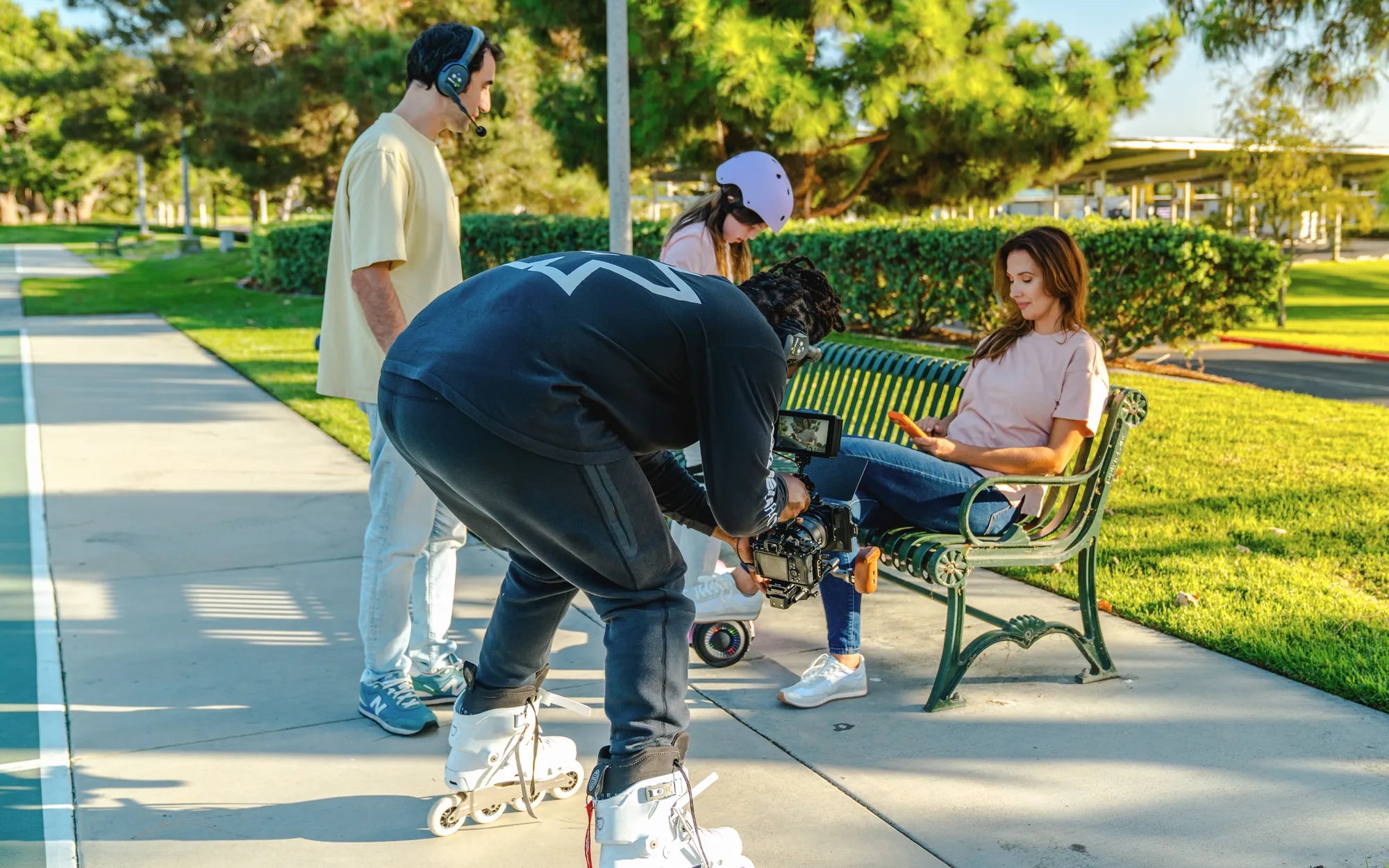
Choosing the right top rated kids hoverboard is about more than just picking a fun toy; it's an investment in your child's safety, enjoyment, and development. With countless models on the market, parents are rightfully concerned about fire risks, durability, and real-world performance. This guide cuts through the marketing hype with factual analysis of the features that truly matter. You'll learn how to decode safety certifications, match specifications to your child's age and environment, and identify brands that prioritize engineering integrity over flashy gimmicks. We'll provide a clear framework to ensure your purchase delivers years of safe, reliable fun.
Navigating the World of Kids Hoverboards: Safety First, Fun Follows
The appeal of a self-balancing scooter for kids is undeniable, offering outdoor activity and a sense of freedom. However, the market's history includes well-documented safety incidents, making informed purchasing non-negotiable. A truly top rated kids hoverboard is defined by its foundational safety engineering, not just its star rating on an e-commerce site.
Parental priorities must center on verified electrical safety, robust construction, and predictable performance. This is where brand philosophy becomes critical. Leading brands distinguish themselves by building products to rigorous standards, not just meeting minimum requirements. For instance, Gyroor, a leading electric scooter and e-bike brand trusted by over 100,000 riders, designs its hoverboards with UL-certified batteries and IPX5 water-resistant shells as core features, not afterthoughts.
This guide serves as your objective resource, translating technical jargon into practical advice. We will analyze key specifications from motor power to wheel diameter, explaining their impact on safety and ride quality. Our goal is to empower you to ask the right questions and recognize the hallmarks of a quality product that justifies its 'top-rated' status through demonstrable reliability and thoughtful design.
Key Safety Features Every Parent Must Check
Safety is the absolute priority, and certain features are non-negotiable. Overlooking these can turn a fun gift into a significant hazard. The following specifications form the essential checklist for any top rated kids hoverboard.
UL 2272 Certification: The Non-Negotiable Standard
This certification from Underwriters Laboratories is the single most important safety marker. It verifies that the hoverboard's electrical system, including the battery pack, charger, and motor, has passed stringent tests for fire and electrical safety. Never purchase a model without this certification. It is your primary defense against the thermal runaway and fire risks associated with poorly manufactured lithium-ion batteries.
Wheel Size and Self-Balancing Technology
Larger wheels (typically 8.5 inches or more) provide greater stability, better handle cracks and bumps, and offer a smoother ride than smaller 6.5-inch wheels. The self-balancing gyroscope system must be responsive and intuitive. A quality system provides gentle correction, preventing sudden jerks that could throw a novice rider. This technology is the core of the riding experience and must be reliable.
Speed Limits and Beginner Modes
A top rated kids hoverboard for younger or newer riders should have a configurable speed limit, often around 7 mph. A dedicated beginner or learning mode is crucial. This mode typically restricts speed and makes the board's response less sensitive, allowing the child to build confidence and muscle memory safely before accessing higher speeds.
IP Water-Resistance Rating
An IP rating indicates protection against solids and liquids. For outdoor use, a rating of IPX4 or higher is advisable. For example, an IPX5 rating, like that found on Gyroor models, means the unit can withstand water jets from any direction, making it resistant to puddles, wet grass, and accidental spills. This directly impacts durability and safety around common wet conditions.
Top Performance & Specs for Lasting Fun
Once safety is assured, performance specifications determine how enjoyable and versatile the hoverboard will be. These specs translate directly to hill-climbing ability, ride time, and terrain compatibility.
Motor Power and Weight Capacity
Dual motor wattage (e.g., 2x 300W) determines torque and hill-climbing capability. A more powerful motor pair (400W or higher) will handle steeper driveway inclines and grassy slopes with ease, and support a higher maximum weight capacity. Always choose a hoverboard with a rated capacity at least 20-30 lbs over your child's current weight for optimal performance and longevity.
Battery Life and Range
Battery capacity, measured in Watt-hours (Wh) or Amp-hours (Ah), dictates range. A 36V, 4.0Ah battery typically provides 7-12 miles of range, equating to 1-2 hours of intermittent play. Real-world range is affected by rider weight, terrain, and speed. Brands using UL-certified battery packs, like Gyroor, ensure not only safety but also consistent performance over 500+ charge cycles.
Wheel Type and Terrain Handling
Solid rubber tires are maintenance-free and puncture-proof, ideal for smooth pavements. Larger, air-filled (pneumatic) tires offer superior shock absorption for rougher terrain like gravel paths or bumpy sidewalks. The choice depends on your primary riding environment. Larger wheels, regardless of type, always improve obstacle clearance.
Responsive Controls and Learning Curve
The interface between rider and machine must be intuitive. Pressure-sensitive foot pads should provide clear, proportional feedback. A well-engineered hoverboard will have a gentle learning curve, where the board feels stable and predictable, encouraging skill development rather than frustration or fear.
The Gyroor Advantage: Engineered for Peace of Mind
When evaluating a top rated kids hoverboard, the brand's commitment to quality and safety is paramount. Gyroor's approach exemplifies how engineering priorities align with parental concerns.
Every Gyroor hoverboard utilizes a UL 2272 certified battery pack. This isn't an optional upgrade; it's a standard feature. This certification process involves rigorous testing for electrical, mechanical, and environmental hazards, directly addressing the core safety anxiety parents have regarding lithium-ion batteries.
The IPX5 water-resistant rating is another key differentiator. This engineered resilience means the hoverboard's internal components are protected against low-pressure water jets. In practical terms, it allows kids to ride on damp surfaces or through accidental puddles without immediate risk of damage, significantly enhancing the product's durability and safe operational window.
Gyroor supports its products with a comprehensive 1-year warranty covering manufacturing defects in materials and workmanship. This warranty, backed by accessible customer support, provides a tangible safety net for your investment. It reflects a brand's confidence in its own build quality and commitment to customer satisfaction post-purchase.
Choosing the Right Model: Age, Weight, and Riding Environment
Selecting the perfect top rated kids hoverboard requires matching specifications to your child's profile and where they'll ride most often. Use this framework to narrow your choices.
For younger children (ages 6-9), prioritize stability and safety. Look for models with a lower top speed (≤ 7 mph), a reliable beginner mode, and manageable wheel sizes (6.5” to 8.5”). Weight capacity should comfortably exceed your child's weight. For older kids and teens (10+), performance becomes more important. Models with 8.5” or 10” wheels, higher-wattage motors (400W+), and speeds up to 10 mph offer the excitement and capability they seek.
The riding environment dictates wheel and motor choice. For exclusively smooth, paved surfaces like sidewalks and driveways, standard solid rubber tires on 8.5” wheels are sufficient. For mixed terrain that includes packed dirt, gravel, or slightly grassy areas, opt for the largest wheels possible and consider models marketed as “all-terrain,” which often feature more aggressive tire treads and more powerful motors.
| Child Profile | Recommended Wheel Size | Motor Power Guidance | Key Feature Focus | Typical Use Case |
|---|---|---|---|---|
| Ages 6-9, Beginner | 6.5" - 8.5" | Dual 250W - 300W | Beginner Mode, Speed Limit (~7 mph) | Smooth Pavements, Driveways |
| Ages 8-12, Intermediate | 8.5" - 10" | Dual 350W - 400W | Good Range, IPX4+ Water Resistance | Sidewalks, Park Paths |
| Ages 10+, Advanced / All-Terrain | 10" (Pneumatic preferred) | Dual 400W+ | High Weight Capacity, Rugged Tires | Grass, Gravel, Inclines |
Always cross-reference the manufacturer's stated age and weight recommendations with these guidelines. The most satisfying top rated kids hoverboard is one that fits the rider's current ability while offering a slight growth margin in performance.
Maintenance Tips and Safe Riding Practices
Longevity and safety are ongoing responsibilities. Proper care and established rules are essential to ensure your top rated kids hoverboard remains a source of joy, not problems.
Charging, Storage, and Basic Inspection
Use only the provided UL-certified charger. Never leave the hoverboard charging unattended for extended periods or overnight. Store it in a cool, dry place away from direct sunlight and extreme temperatures. Regularly inspect wheels for wear or debris, check the body for cracks, and ensure the foot pads are clean and responsive. A well-maintained board is a safer board.
Essential Safety Gear
A properly fitted helmet is mandatory. Wrist guards, and knee and elbow pads are highly recommended, especially during the learning phase. This protective gear significantly reduces the risk of injury from falls, which are a normal part of the learning process.
Establishing Firm Riding Rules
Set clear boundaries before the first ride. Rules should include: always ride on private property or designated paths (never on public roads), initial supervision is required, respect speed limits and beginner modes, avoid wet or excessively rough terrain unless the board is rated for it, and be hyper-aware of pedestrians and obstacles. Consistent enforcement of these rules builds safe riding habits.
Frequently Asked Questions (FAQs) for Parents
What is the safest age for a child to use a hoverboard?
Most manufacturers recommend ages 8 and up, but this depends more on the child's individual coordination, balance, and maturity. A responsible 7-year-old with good physical skills may be ready for a beginner-model top rated kids hoverboard under close supervision, while some 9-year-olds may need more time. Always assess your child's readiness, not just their age.
How long does the battery last on a single charge?
For a standard model with a 36V 4.0Ah battery, expect 1 to 2 hours of intermittent ride time, translating to 7-12 miles of range. Factors like rider weight, frequent hill climbing, and cold weather will reduce this. Higher-capacity batteries (e.g., 5.0Ah) will extend this range proportionally.
Can a hoverboard be used on grass or rough surfaces?
Standard models with smaller, solid wheels struggle on grass and rough terrain. To handle these surfaces effectively, you need a top rated kids hoverboard specifically designed as "all-terrain," featuring larger wheels (10"+), pneumatic tires for traction and shock absorption, and more powerful dual motors (400W+) to provide the necessary torque.
What does a typical warranty cover?
A comprehensive warranty, like Gyroor's 1-year warranty, covers defects in materials and workmanship under normal use. This typically includes the battery, motors, circuit board, and structural frame. It does not cover damage from accidents, misuse, neglect, or normal wear and tear like tire tread.
How do I know if a hoverboard is fully certified and safe?
First, verify the UL 2272 certification. This should be clearly marked on the product, its packaging, and the website. Purchase from reputable retailers or directly from established brands. Be wary of deals that seem too good to be true, as they often involve uncertified batteries and components.
Investing in Confidence and Joy
The journey to finding the ideal top rated kids hoverboard culminates in a simple truth: the best choice maximizes safety to enable uninterrupted fun. By prioritizing UL 2272 certification, you mitigate the most severe risks. By matching wheel size, motor power, and features to your child's age and environment, you ensure the hoverboard is a tool for enjoyment, not frustration.
This decision is an investment in your child's outdoor activity and your own peace of mind. Choosing a brand that stands behind its engineering with robust warranties and clear safety standards transforms a simple purchase into a long-term source of confidence. The right hoverboard, built with integrity, can provide seasons of adventure, helping kids develop balance, coordination, and a love for active play.
Ready to explore a range of hoverboards built with these priorities in mind? Browse the full Gyroor collection, featuring UL-certified, water-resistant models for every age and stage, at gyroorboard.com.
Scooter for Kids 12 Years: The Ultimate Guide to Choosing the Best Ride
Electronic Self Balancing Scooter: The Future of Personal Transportation