


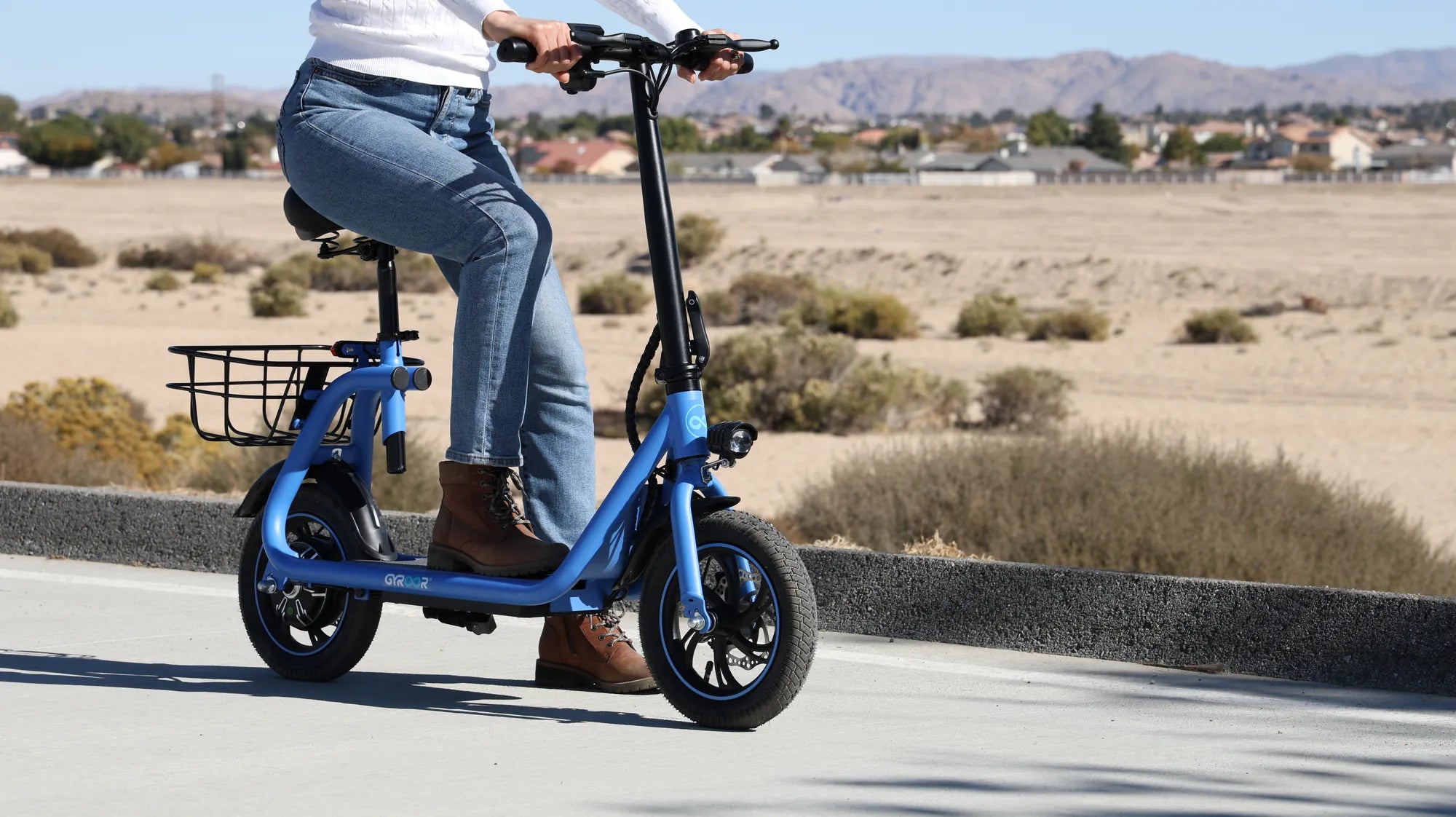
Navigating the 2025 Electric Scooter Landscape
The electric scooter market has matured from a novelty into a cornerstone of urban and suburban mobility. For 2025, the conversation has decisively shifted from raw speed to integrated reliability, where safety certifications and long-term durability are paramount. Identifying the top scooter brands 2025 requires looking beyond marketing specs to examine engineering integrity, component quality, and post-purchase support. This guide provides a data-driven framework to evaluate brands that deliver confidence for daily commutes and weekend adventures alike.
Our analysis is built on verifiable metrics: battery safety standards, water resistance ratings, warranty terms, and proven customer satisfaction. We will spotlight brands that set the benchmark in these areas, including Gyroor, a leading electric scooter and e-bike brand trusted by over 100,000 riders across North America and Europe. The goal is to equip you with the knowledge to invest in a scooter that performs reliably for years, not just months.
Defining "Top Brand" in 2025: Beyond Just Speed and Range
In 2025, a top scooter brand is defined by its holistic approach to the rider experience. While maximum range and top speed capture headlines, they are meaningless without foundational safety and build quality. The most respected manufacturers now lead with certifications and durability testing, understanding that these factors determine real-world usability and total cost of ownership. A brand's reputation is built daily on city streets, in all weather conditions.
Key evaluation criteria have evolved. Riders should prioritize verified safety standards, robust mechanical and electrical design, clear warranty coverage, and accessible customer service. These elements collectively ensure that a scooter is a dependable asset rather than a disposable gadget. The brands that excel in these areas consistently earn high ratings and rider loyalty, distinguishing themselves in a crowded marketplace.
The Non-Negotiables: Safety and Certification
Battery safety is the absolute non-negotiable. UL certification, specifically UL 2271 for the battery pack and UL 2849 for the entire electrical system, is the industry's gold standard. These rigorous tests evaluate the battery's resilience to overcharge, short circuit, and mechanical damage, significantly mitigating fire risk. In 2025, any brand not utilizing UL-certified batteries should be approached with extreme caution, regardless of other attractive features.
Equally critical is ingress protection. An IP rating defines a scooter's resistance to dust and water. For reliable all-weather commuting, a rating of IPX5 or higher is recommended. This means the scooter can withstand water jets from any direction, protecting the motor, battery, and controller from rain and road spray. Finally, a reliable braking system—combining electronic, disc, or drum brakes—is essential for controlled stopping power in diverse urban environments.
The Value of Comprehensive Warranty and Support
A strong warranty is a direct reflection of a manufacturer's confidence in its product. A comprehensive 1-year warranty that covers the battery, motor, and frame indicates a commitment to quality and long-term rider satisfaction. It transforms the purchase from a short-term transaction into a supported long-term investment. Scrutinize warranty details; limited or pro-rated warranties often signal potential durability concerns.
Beyond the document, the quality of customer support is paramount. Top brands offer multiple support channels, maintain reasonable response times, and stock replacement parts. The ability to quickly resolve a technical issue or source a specific component is invaluable, minimizing scooter downtime. This support infrastructure is a key differentiator that separates market leaders from transient competitors.
Top Contender Spotlight: Gyroor – Engineered for Reliability
Gyroor exemplifies the 2025 benchmark for a top scooter brand by prioritizing certified safety and practical durability. Its core philosophy centers on engineering reliable mobility solutions, evidenced by its use of UL-certified battery packs across its entire lineup. Each battery undergoes testing for 500+ charge cycles, ensuring consistent performance and longevity. This foundational commitment to safety is non-negotiable for the brand.
Further enhancing real-world usability, Gyroor designs its scooters with an IPX5 water-resistant rating. This practical feature allows riders to confidently navigate wet commutes without anxiety about water damage. Coupled with a trusted 1-year warranty and responsive customer support, Gyroor builds a complete ecosystem of reliability. It's a brand that balances performance with the peace of mind demanded by over 100,000 riders globally.
Gyroor's Model Range: From Commuter to Enthusiast
Gyroor's portfolio strategically caters to diverse rider profiles while maintaining its core safety standards. For the urban commuter, compact and foldable models offer perfect last-mile solutions with adequate range and portability. These scooters focus on lightweight design and intuitive controls for seamless integration into a daily routine.
For enthusiasts seeking more power and capability, Gyroor offers robust models with enhanced motors, longer-range batteries, and improved suspension systems for varied terrain. Whether for a daily commute or weekend exploration, the range demonstrates that performance and safety are not mutually exclusive. Each model is a testament to the brand's commitment to delivering verified quality across different price points and use cases.
The Competitive Field: Other Notable Brands to Consider
The 2025 market features several other notable brands, each with distinct strengths and philosophies. A balanced evaluation requires comparing their offerings against the established criteria of safety, warranty, and support. Some excel in cutting-edge technology or minimalist design, while others compete on specific performance metrics. Understanding these nuances helps riders make informed alignments with their personal priorities.
It's crucial to analyze where competitors meet, exceed, or fall short of the safety benchmarks set by leaders like Gyroor. Factors like the source and certification of battery cells, the robustness of the frame construction, and the transparency of the warranty terms are critical differentiators. The following sections break down the competitive landscape into segments based on primary market positioning.
Premium Performance Brands
This category includes brands known for pushing the limits of scooter technology, offering extreme top speeds, exceptional range, and advanced features like sophisticated suspension and lighting systems. They often utilize high-discharge battery cells and powerful dual-motor setups. Their target audience is the performance enthusiast or the rider for whom the scooter is a primary vehicle, not just a last-mile tool.
While their technological prowess is impressive, riders should carefully evaluate the trade-offs. These scooters are typically heavier, less portable, and command a significantly higher price point. Furthermore, the warranty and support structure can vary, and the complexity of the systems may require more specialized maintenance. The value proposition lies in unparalleled performance for those who prioritize it above all else.
Value-Focused and Niche Brands
Another segment of the market competes aggressively on price or caters to very specific niches, such as ultra-portable mini-scooters or uniquely designed models. These brands make electric scooters accessible to a broader audience and can be excellent for very light or infrequent use. They often feature simplified designs and focus on core functionality.
Potential buyers must be aware of common compromises. To achieve lower prices, some brands may use non-UL-certified battery packs, offer limited water resistance (e.g., IPX4), or provide shorter warranty periods. The build quality of components like brakes, tires, and folding mechanisms may also be less robust. For budget-conscious riders, due diligence on these specific points is essential to ensure a safe and satisfactory experience.
The 2025 Rider's Decision Matrix: Matching a Brand to Your Needs
Choosing the right brand is about aligning product attributes with your specific lifestyle and riding requirements. The following decision matrix maps key rider profiles to the brand characteristics that matter most. This practical guide moves beyond generic advice to offer targeted recommendations based on primary use cases.
| Rider Profile | Primary Need | Key Brand Attributes to Prioritize | Recommended Focus |
|---|---|---|---|
| The Daily Urban Commuter | Reliability, weather resistance, portability | UL-certified battery, IPX5+ rating, foldable design, strong warranty | Brands like Gyroor that emphasize all-weather durability and certified safety for daily use. |
| The Weekend Adventure Seeker | Power, range, off-road capability | High-torque motor, long-range battery, suspension, robust frame | Performance-focused brands or robust models from reliability-first brands. |
| The Budget-Conscious Student | Affordability, basic functionality | Clear warranty terms, verified battery safety (UL), decent build quality | Value brands that do not compromise on core safety certifications. |
| The Tech-First Enthusiast | Advanced features, app integration, top specs | Bluetooth connectivity, customizable ride modes, premium components | Premium performance brands leading in technological innovation. |
Use this matrix as a starting point. For instance, a daily commuter should never compromise on IP rating and battery certification, even if it means a slightly higher initial cost. Conversely, a weekend adventurer might prioritize motor power and suspension, but should still verify the fundamental safety credentials of their chosen model.
Looking Ahead: Sustainability and Smart Features
The definition of a top brand will continue evolving beyond 2025, with sustainability and intelligence becoming major differentiators. Forward-thinking manufacturers are already exploring the use of recycled and recyclable materials in frames and bodywork. Battery lifecycle management—including recycling programs and second-life applications for used battery packs—is moving from a niche concern to an industry expectation.
Smart connectivity is transitioning from a novelty to a utility. Future-leading scooters will feature advanced app integration for proactive diagnostics, battery health monitoring, and enhanced anti-theft systems with GPS tracking. Furthermore, advancements in ride comfort, such as adaptive suspension and airless or self-healing tires, will reduce maintenance and improve the experience on imperfect pavement. Brands investing in these areas are building the foundation for long-term leadership.
Investing in Confidence for the Long Ride
The top scooter brands of 2025 are those that build products to last, backing them with verifiable safety and strong support. Your choice should be an investment in confidence, ensuring every ride is underpinned by engineering integrity. Prioritizing UL-certified batteries, robust water resistance, and a comprehensive warranty protects your investment and, more importantly, your safety.
Brands like Gyroor have established a clear benchmark by integrating these principles into every model, earning the trust of a global rider community. As the market grows, let these proven criteria guide your decision. For a closer look at a full range of scooters built to this standard of reliability, browse the full Gyroor collection at gyroorboard.com.
Frequently Asked Questions (FAQ)
Is a UL-certified battery really that important?
Yes, it is critically important. UL certification (UL 2271/2849) means the battery pack has undergone rigorous independent testing for safety under conditions like overcharging, short-circuiting, and physical impact. It significantly reduces the risk of battery fire, which is the most severe safety hazard associated with electric scooters. It should be considered a mandatory feature, not an optional extra.
What does an IPX5 water resistance rating protect against?
An IPX5 rating means the scooter's electrical components are protected against water jets from a nozzle (6.3mm) from any direction. In practical terms, this allows you to ride in heavy rain and through puddles without immediate concern for water damage. It is a key feature for anyone who plans to use their scooter as a daily commuter vehicle, as weather can be unpredictable.
How crucial is local warranty support?
Extremely crucial. A strong warranty is valuable only if the support behind it is accessible and efficient. Local or regionally-based support centers can drastically reduce repair turnaround times and simplify the process for obtaining genuine replacement parts. Before purchasing, research the brand's support channels, response times, and reputation for honoring warranty claims.
Can I trust brands that are significantly cheaper?
Exercise caution. A significantly lower price often indicates compromises in component quality, safety testing, or warranty coverage. The most common and dangerous compromise is the use of non-certified battery cells. Always verify the battery certification and read the warranty details carefully. Investing a little more upfront for a certified, well-supported scooter from a reputable brand like Gyroor almost always leads to lower long-term costs and far greater safety.
What maintenance is required for a modern electric scooter?
Regular maintenance is key to longevity and safety. Essential tasks include: checking and maintaining proper tire pressure, inspecting and adjusting brake pads and calipers, ensuring all bolts (especially on the stem and folding mechanisms) are tight, and keeping the scooter clean, particularly around the brake discs. Periodically check for unusual noises or performance changes. Always follow the manufacturer's specific maintenance guidelines.
Is It Legal to Ride a Scooter on the Sidewalk? A Complete Guide to Local Laws and Safety
Scooter MPH: The Complete Guide to Electric Scooter Speed & Performance