



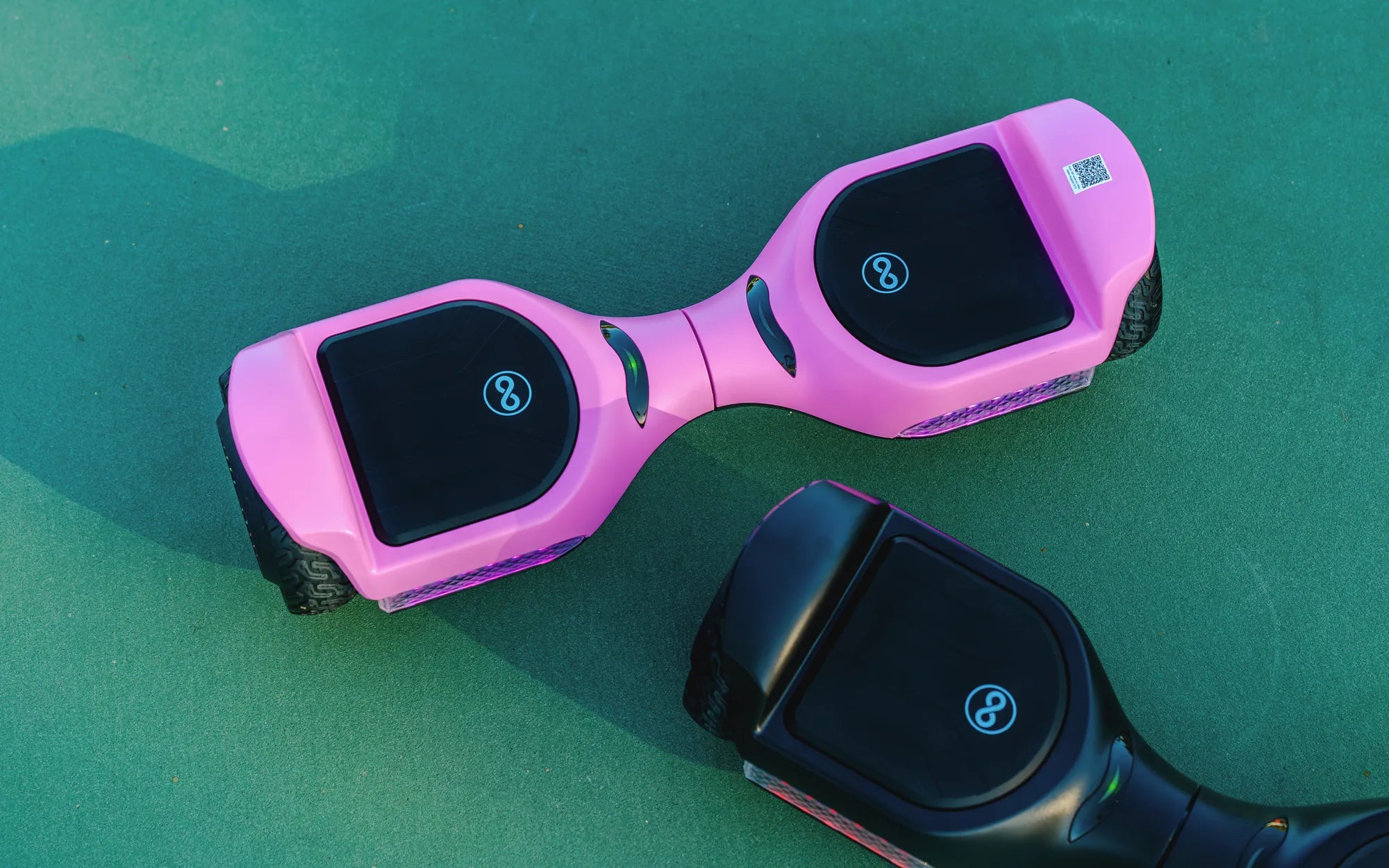
Choosing the right toy electric scooter for kids unlocks a world of outdoor adventure, physical activity, and skill development. It's a purchase that blends exhilarating fun with foundational safety, requiring informed decisions. This guide delivers the data-driven insights you need, highlighting how brands like Gyroor—trusted by over 100,000 riders—engineer this crucial balance. You'll learn to decode specifications, prioritize safety features, and establish rules that protect your child while they explore.
Why a Toy Electric Scooter is More Than Just a Plaything
A modern electric scooter is a developmental tool. It encourages kids to engage in outdoor play, improving balance, coordination, and spatial awareness. This active play is linked to better physical health and cognitive development.
Beyond physical benefits, it fosters independence and decision-making. Navigating a driveway or path requires constant assessment. This builds confidence and problem-solving skills in a controlled, enjoyable environment.
The social aspect is equally valuable. Riding together with friends or family promotes shared experiences and cooperative play. It's a catalyst for getting children away from screens and into the fresh air.
However, these benefits are fully realized only when the scooter is matched to the child's age and ability. The core of this guide is ensuring that the fun is built upon a bedrock of safety and appropriate engineering.
Key Factors to Consider Before Buying a Kids' Electric Scooter
Selecting a scooter requires moving beyond aesthetics. Key specifications directly impact safety, enjoyment, and product longevity. Informed choices here prevent frustration and potential hazards.
Parents must cross-reference age recommendations with motor power, speed, and build quality. A scooter that is underpowered for an older child will be discarded quickly. One that is too powerful for a young child is dangerous.
Data from customer reviews and brand specifications sheets are your best resources. Look for consistent reporting on real-world battery life, durability of components, and responsiveness of customer support.
Age Appropriateness and Weight Capacity
Manufacturer age ranges are a starting point, but motor power is the true indicator. Scooters for ages 3-5 typically feature 80W motors and speeds capped at 3-4 mph. Models for 6-8 year olds often use 120W motors, while those for 8-12 may have 150W+ motors.
Never exceed the stated maximum weight capacity. Doing so strains the motor, battery, and frame, leading to premature failure and reduced safety. A good rule is to choose a scooter with a weight limit at least 20% above your child's current weight.
Physical size matters too. The handlebar height should allow for a slight bend in the elbows. A deck that is too small forces an unstable, cramped stance.
Motor Power, Speed Settings, and Battery Life
Motor voltage (e.g., 24V, 36V) and wattage determine torque and hill-climbing ability. A 120W motor may struggle on a gentle incline that a 150W motor handles easily. Assess your local terrain before purchasing.
Multiple speed modes are essential for safety. A beginner mode (3-5 mph) allows for skill building. Intermediate and advanced modes (up to 10 mph) can be unlocked as competency grows. Parental remote control for speed limiting is a critical feature for younger riders.
Battery life is quoted as a range (e.g., 6-10 miles). Real-world range is affected by rider weight, terrain, and use of throttle. Look for batteries with clear voltage (V) and amp-hour (Ah) ratings. A 24V 4.0Ah battery generally offers more capacity than a 24V 2.5Ah unit.
Build Quality, Durability, and Brand Trust
The frame material is paramount. Aircraft-grade aluminum alloy offers an optimal blend of strength and light weight. Avoid plastic-heavy frames for children over 40 lbs.
Braking systems should be redundant. A combination of an electronic brake (regenerative or e-brake) and a mechanical brake (foot brake or disc) provides fail-safe stopping power. Air-filled (pneumatic) tires offer better shock absorption than solid rubber, but require occasional inflation.
Brand trust is built on safety certifications and transparent support. Prioritize brands that use UL-certified battery packs and publish clear IP water resistance ratings. A robust warranty and accessible customer service are non-negotiable for a product in this category.
The Gyroor Advantage: Safety Engineering for Peace of Mind
Gyroor designs its kids' scooters with parental peace of mind as a core engineering parameter. This translates into specific, certified components and construction standards that go beyond marketing claims.
The brand's commitment is evidenced by its use of UL-certified batteries across all models and IPX5 water-resistant designs. These are measurable safety benchmarks. With a 1-year comprehensive warranty and a 4.5/5 average customer rating, the focus is on long-term reliability.
This approach allows the fun to be the focus. When the fundamental safety of the battery and electronics is assured, parents and children can concentrate on the joy of the ride.
The Critical Importance of a UL-Certified Battery
A UL certification mark means the battery pack has undergone rigorous independent testing by Underwriters Laboratories. Tests simulate overcharging, short-circuiting, extreme temperatures, and physical impact.
This certification is the strongest defense against potential fire hazards associated with lithium-ion batteries. Non-certified, generic batteries are a significant risk, as they may lack proper management systems to prevent thermal runaway.
Gyroor's use of UL-certified battery packs, tested for over 500 charge cycles, is a foundational safety decision. It ensures not just initial safety but also long-term battery health and performance consistency.
Water Resistance and Real-World Durability (IPX5)
An IPX5 rating means the scooter's electrical components are protected against water jets from any direction. This is not submersibility, but it covers real-world scenarios like riding through puddles, encountering a sprinkler, or getting caught in light rain.
This protection prevents corrosion and electrical shorts, which are common failure points in cheaper models. It dramatically extends the scooter's lifespan and ensures it remains reliable through everyday play.
Combined with a sturdy frame and quality connectors, this rating allows for more adventurous use without constant worry about minor water exposure.
Comprehensive Warranty and Accessible Support
A 1-year warranty that covers the battery, motor, and frame signals confidence in product durability. It protects your investment from manufacturing defects. Always review warranty terms to understand what is included.
Accessible support is crucial. Brands with responsive, US-based customer service can provide quick troubleshooting and efficient parts replacement. This contrasts with brands that rely solely on opaque overseas support channels, leading to long resolution times.
Gyroor's established presence in North America and Europe, supporting over 100,000 riders, provides a network of expertise and service that is invaluable for maintaining your scooter over years of use.
Top Features for Enhanced Safety and Control
Specific design features actively prevent accidents and build rider confidence. These are the details that separate a well-designed scooter from a basic one.
Look for features that enhance stability, provide redundant safety systems, and offer parental oversight. These elements work together to create a secure riding experience that grows with your child.
Wide, Anti-Slip Deck and Stable Wheelbase
A wide deck (over 5 inches) gives a child a secure, comfortable footing. An anti-slip rubber or textured surface prevents shoes from sliding during acceleration or braking. This is critical for maintaining control.
The wheelbase—the distance between the front and rear axles—affects stability. A longer wheelbase makes the scooter less prone to speed wobbles and provides a smoother ride, especially important for beginners gaining confidence.
These design choices directly impact the rider's sense of security, making them more likely to practice proper stance and technique.
Responsive Dual Braking Systems
A dual braking system is a key safety redundancy. The electronic brake (often activated by a lever) provides instant, smooth deceleration and can sometimes recharge the battery slightly. It's ideal for quick speed adjustments.
The mechanical brake—a rear foot brake or a disc brake—provides reliable, consistent stopping power, independent of the electrical system. It is essential for safe stopping on inclines or if the electronic system were to fault.
Teaching a child to use both brakes appropriately is a fundamental part of safe riding practice. This system ensures they have the tools to stop effectively in any situation.
Beginner-Friendly Speed Modes and Parental Remote Control
Speed limiters allow a scooter to be tailored to a child's skill level. A beginner mode, often accessible via a settings button or a parental remote, caps speed at a safe walking or jogging pace.
The parental remote control is a game-changer for young riders (typically ages 3-8). It allows an adult to start/stop the scooter, control speed, and sometimes even steer from a distance of up to 50 feet. This provides direct oversight during the learning phase.
As skills improve, parents can grant more independence by unlocking higher speed modes via the remote, creating a graduated learning curve that rewards responsibility.
Comparison: Scooter Types for Different Ages and Needs
This table compares typical scooter specifications based on target age and use case, illustrating how features evolve with a child's growth.
| Age Group | Typical Motor Power | Max Speed | Key Safety Features | Best For |
|---|---|---|---|---|
| 3 - 5 Years | 80W - 120W | 3 - 5 mph | Parental Remote, Wide Deck, Low Speed Modes | Flat driveways, supervised park paths |
| 6 - 8 Years | 120W - 150W | 6 - 10 mph | Dual Brakes, Speed Limiter, IPX5 Rating | Neighborhood sidewalks, slight inclines |
| 8 - 12 Years | 150W - 200W+ | 10 - 15 mph | UL-Certified Battery, Suspension, Disc Brakes | Longer rides, varied terrain, more experienced riders |
The Ultimate Pre-Ride Checklist: Gear and Ground Rules
Consistent safety habits are as important as the scooter's features. Implement this checklist before every ride to instill responsible practices and prevent accidents.
Making this a non-negotiable routine teaches children that preparation is part of the fun. It shifts safety from a parental nag into a shared responsibility.
Non-Negotiable Safety Gear: Helmet, Pads, and Visibility
A CPSC-certified bicycle helmet, properly fitted, is mandatory. It should sit level on the head, with the strap snug under the chin. Replace any helmet after a significant impact.
Knee and elbow pads are highly recommended, especially for beginners. They prevent the scrapes and bruises that can discourage a new rider. Wrist guards are also a valuable consideration.
For visibility, use bright clothing during the day. For dusk or overcast days, add reflective stickers to the scooter and helmet, or a reflective vest. Being seen is a primary safety strategy.
Choosing the Right Riding Environment
Start in a controlled, private area: a flat driveway, empty parking lot, or smooth park path. The surface should be paved, dry, and free of major cracks or debris.
Absolutely avoid public roads, streets with car traffic, steep hills, wet or sandy pavement, and areas near pools or bodies of water. Grass and gravel are unsuitable for most scooters and can cause loss of control.
As skills advance, designate safe routes in your neighborhood with minimal intersections and clear visibility. Always obey local ordinances regarding sidewalk riding.
Establishing Family Safety Rules and Supervision
Create clear, simple rules: 1) Gear on before power on. 2) No passengers. 3) Both hands on the handlebars. 4) Stop at all driveways and intersections. 5) Respect pedestrians by slowing down and giving way.
For children under 8, active, direct supervision is essential. For older children, define boundaries and check-in times. Use the parental remote's range as a supervision tool for younger kids.
Regularly review the rules and the "why" behind them. Positive reinforcement for safe riding encourages long-term good habits.
Maintenance and Care for Longevity
Proper maintenance ensures your scooter remains safe and functional for years. Simple, regular checks can prevent major issues.
After any wet ride, wipe down the scooter with a dry cloth, focusing on the deck and handlebars. Store it in a dry place, away from extreme heat or cold, which can degrade the battery.
Periodically check that all screws and bolts, especially on the handlebar stem and folding mechanisms, are tight. Loose components can lead to dangerous wobbles or collapses.
For scooters with air-filled tires, check pressure monthly with a low-pressure gauge. Under-inflated tires increase rolling resistance, shortening battery range and making steering harder. Inspect tires for wear or embedded debris.
Follow battery care guidelines: avoid completely draining the battery before charging. Don't leave it on the charger indefinitely after it's full. If storing for more than a month, charge the battery to about 60% capacity.
Frequently Asked Questions (FAQs)
What is the right age for a child's first electric scooter?
Most children are ready for a simple, remote-controlled model around age 3, when they have sufficient balance and can follow basic instructions. For a scooter they operate independently, ages 5-6 is a common starting point, depending on the child's coordination and maturity. Always prioritize models with speed limiters and parental controls for first-time riders.
How long does the battery take to charge, and how can I maximize its lifespan?
Charging times typically range from 3 to 5 hours for a full charge from empty. To maximize the UL-certified battery's lifespan, avoid letting it fully discharge regularly. Charge it after use, and store the scooter (and battery) in a cool, dry place. Using only the manufacturer-provided charger is critical for safety and battery health.
Are Gyroor scooters easy to assemble?
Yes, Gyroor scooters are designed for straightforward home assembly. Most models require attaching the handlebar to the stem, which is often a single-step process with a quick-release clamp or a few bolts. All necessary tools are included, and clear instructions are provided. The process usually takes under 10 minutes.
Can the scooter handle slight inclines or grassy surfaces?
Scooters with 150W+ motors can generally handle gentle inclines (grades of 10-15%). However, performance depends on rider weight and battery charge. Grass, gravel, and sand are not recommended for standard electric scooters. The uneven surface and high rolling resistance can strain the motor, drain the battery quickly, and cause instability. Stick to paved, smooth surfaces for safety and performance.
What maintenance does the scooter require?
Regular maintenance includes checking tire pressure (for pneumatic tires), ensuring all bolts and folding mechanisms are tight, and keeping the scooter clean and dry. Inspect the brakes for wear and ensure they engage smoothly. The most important maintenance is proper battery care: using the correct charger and avoiding extreme temperatures. Refer to your user manual for model-specific guidance.
Investing in Fun, Freedom, and Safety
Selecting a toy electric scooter for kids is an investment in joyful outdoor play, developmental skills, and cherished family moments. The right choice empowers children with a thrilling taste of independence while giving parents confidence through robust engineering.
By prioritizing verified safety standards like UL-certified batteries, IP-rated water resistance, and thoughtful features like dual brakes and speed limiters, you create a foundation for safe adventure. Brands that stand behind their products with comprehensive warranties and accessible support, like Gyroor, transform a simple purchase into a long-term companion for childhood exploration.
Establishing consistent safety habits—from gear checks to riding rules—completes the picture. This holistic approach ensures the scooter remains a source of smiles, not stress. It allows you to say "yes" to adventure, knowing fun and safety are riding together.
Ready to find the perfect electric scooter that matches your child's spirit and your safety standards? Browse the full Gyroor collection at gyroorboard.com to explore models built for fun, durability, and peace of mind.
How to Turn Off a Hoverboard That Won't Turn Off: A Step-by-Step Guide
Adjustable Kids Push Kick Scooter with Light Up Wheels: The Ultimate Fun and Safe Ride