


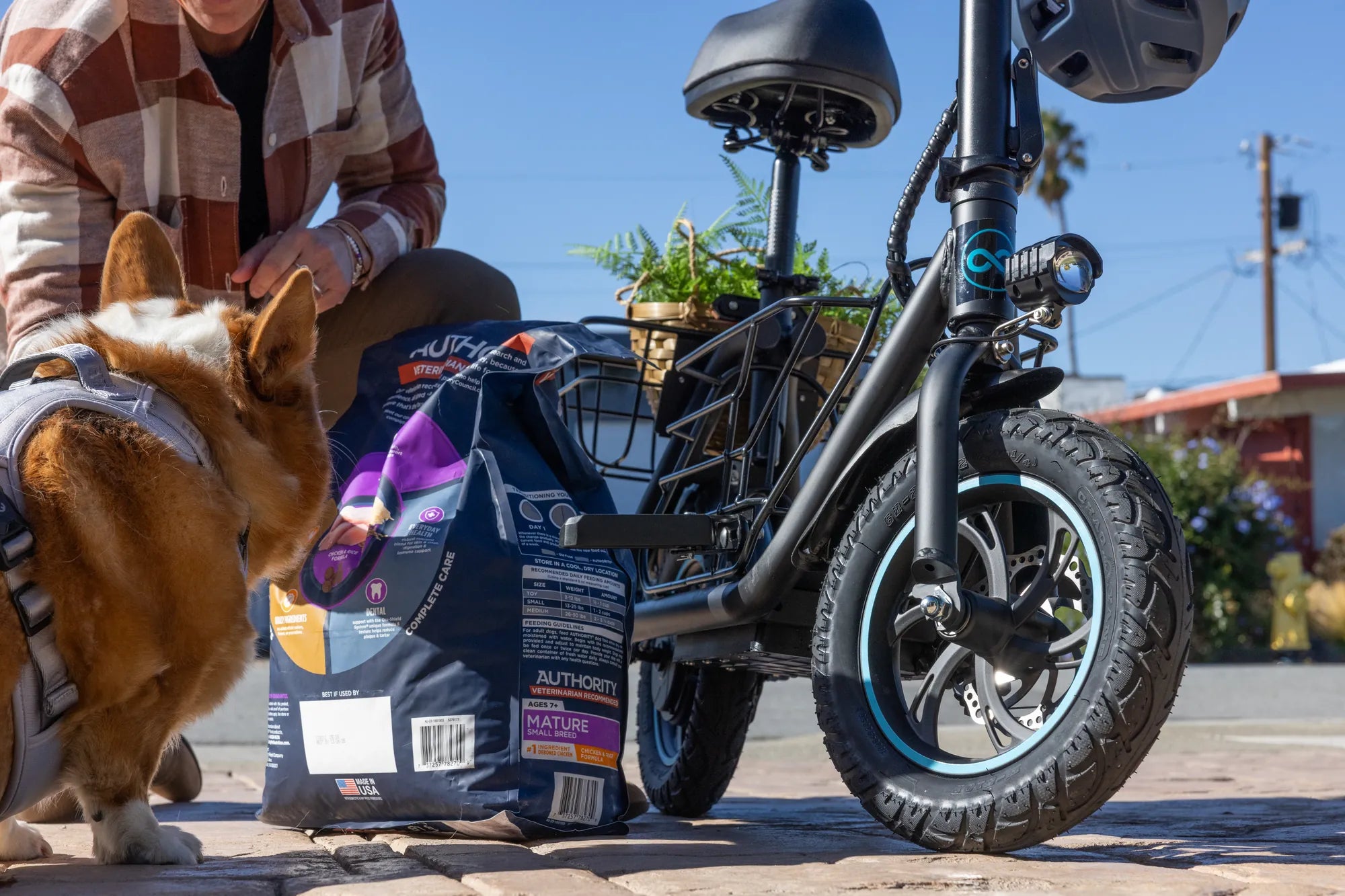
Introduction to the World of Kids' Trikes for 10-Year-Olds
Finding the perfect trike for a 10 year old marks a significant step in a child's journey toward independence. At this pivotal age, a trike is far more than a toddler's toy; it's a robust vehicle for exploration, socializing, and carrying gear. This guide will help you navigate the essential features, safety considerations, and models that make a trike a smart, enduring choice for a pre-teen.
Unlike the plastic trikes of early childhood, a quality model for a 10-year-old is built for durability and real-world use. It bridges the gap between a bicycle's two-wheeled challenge and the stable, practical three-wheeled design. We'll explore why this option is gaining popularity and how it supports developmental milestones.
For parents, the priority is safety and value. A well-chosen trike can provide years of reliable service, adapting to a child's growth. Brands like Gyroor, known for engineering reliable electric mobility solutions, apply the same principles of safety and durable construction to their youth products, offering peace of mind.
This article provides a data-driven, feature-focused analysis to empower your decision. You'll learn about frame materials, weight limits, adjustability, and how to match a trike to your child's primary activities, ensuring your investment brings lasting joy and utility.
Why a Trike is a Smart Choice for Your 10-Year-Old
A trike for a 10 year old offers unique advantages over traditional bicycles and scooters. Its three-wheeled design provides inherent stability, eliminating the fear of tipping over during stops or turns. This builds confidence quickly, especially for children who may be hesitant about balancing on two wheels.
From a practical standpoint, trikes excel at cargo carrying. Most models feature a rear cargo rack or front basket, perfect for transporting school books, sports equipment, or picnic supplies. This functionality supports independent trips to a friend's house or the local park, fostering responsibility.
Developmentally, riding a trike promotes physical activity, coordination, and spatial awareness without the steep learning curve of a bicycle. It's an inclusive option for kids of varying skill levels, ensuring everyone can join in the fun. The seated position is also more comfortable for longer rides compared to standing on a scooter.
Finally, a trike represents a different kind of fun. It's not about high speed but about cruising, exploring, and enjoying the journey. For many 10-year-olds, this relaxed, stable ride is the perfect vehicle for neighborhood adventures and imaginative play.
Key Features to Look for in a 10-Year-Old's Trike
Selecting the right trike requires careful attention to specifications that ensure safety, durability, and a proper fit. The market offers a range of options, but focusing on these core features will guide you to a model that lasts.
Frame Durability & Weight Capacity
The frame is the trike's backbone. Look for high-tensile steel or lightweight aluminum alloys. These materials resist bending and corrosion from outdoor use. A robust frame directly correlates with a higher weight capacity.
For a 10-year-old, a minimum weight capacity of 150 pounds is essential. This accommodates the average child's weight plus the weight of a backpack or cargo, ensuring the trike remains safe and functional as your child grows. Always check the manufacturer's stated limit.
Wheel Size, Type, and Stability
Wheel size impacts ride quality and stability. Models with 12-inch or 14-inch wheels are ideal. Larger wheels roll over cracks and bumps more smoothly than smaller plastic wheels. Air-filled (pneumatic) tires offer the best shock absorption and traction.
For low-maintenance, consider polyurethane (PU) foam-filled tires. The wheelbase—the distance between the two rear wheels—should be wide. A broader stance dramatically increases lateral stability, preventing rollovers during sharp turns, a key safety feature for any trike for a 10 year old.
Adjustability for Growth and Comfort
A trike should grow with your child. An adjustable seat post is non-negotiable. Look for a model that allows at least 4-6 inches of height adjustment. Similarly, handlebars with a telescopic or multi-position stem ensure a comfortable, upright riding posture.
Proper ergonomics prevent strain and allow for efficient pedaling. A trike with these adjustments can remain a perfect fit for 2-3 years, providing excellent long-term value and avoiding the need for a premature upgrade.
Safety Features: Brakes, Reflectors, and Design
Reliable braking is paramount. A hand-operated front caliper brake provides strong, controlled stopping power. Some models also include a rear coaster brake (pedal-back brake) for redundancy. Test that levers are within easy reach of small hands.
High-visibility reflectors on the front, rear, and pedals are essential for low-light conditions. The frame design should have a low center of gravity and a step-through style for easy mounting and dismounting. These features collectively create a safer riding environment.
Gyroor's Approach to Youth Mobility: Safety & Durability First
Gyroor's philosophy, honed from creating UL-certified electric scooters and e-bikes, centers on safety and robust engineering. This approach directly translates to their youth mobility products. Every component is selected and tested for the rigorous demands of an active child.
Durability is engineered into the frame and moving parts. By using quality materials and reinforced joints, Gyroor trikes are built to withstand the bumps, jumps, and occasional spills of daily adventure. This focus on construction quality ensures the product's longevity.
Safety is not an afterthought. From reliable braking systems to stable geometric designs, each element is considered. Parents receive peace of mind backed by a comprehensive 1-year warranty, a testament to the brand's confidence in its products. This warranty covers defects in materials and workmanship.
With a trusted customer base of over 100,000 riders, Gyroor understands that a product for children must meet the highest standards. Choosing a trike from a brand with this pedigree means investing in a vehicle designed for real-world use and built to last.
Choosing the Right Model: Activity-Based Scenarios
Not every trike for a 10 year old is suited for every activity. Matching the trike's features to your child's primary use case maximizes enjoyment and utility. Consider these common scenarios to guide your choice.
The Neighborhood Cruiser
For casual rides on paved sidewalks and park paths, comfort and convenience are key. Look for a model with a comfortable, padded seat, smooth-rolling tires, and a large front basket. A simple, single-speed drivetrain is low-maintenance and perfect for flat terrain.
The focus here is on relaxed fun and practicality. A cruiser-style trike allows your child to run errands, visit friends, or simply enjoy a leisurely ride without the complexity of gears or aggressive tires.
The Off-Road Adventurer
If your child loves exploring dirt paths, grass fields, or gravel trails, an off-road capable trike is essential. Key features include knobby, air-filled tires for superior traction and shock absorption. A sturdier, often steel, frame handles rougher terrain.
Some advanced models may include a suspension fork or seat post to smooth out bumps. These trikes are built tougher to handle the demands of adventure, making them ideal for the young explorer who veers off the beaten path.
The Practical Commuter
For a child using their trike for trips to school, the library, or sports practice, cargo capacity and security are top priorities. A large, integrated rear rack capable of holding a standard school backpack or panniers is a must-have feature.
Additional considerations include a locking mechanism to secure the trike and enhanced reflectors or lighting for visibility. This setup turns the trike into a practical tool for independence, teaching responsibility through real-world use.
Trike Sizing and Fit Guide
A proper fit is crucial for safety, comfort, and efficient pedaling. An ill-fitting trike can be difficult to control and may lead to discomfort or disuse. Follow this simple guide to ensure a perfect match for your 10-year-old.
Start with the child's inseam measurement. Have them stand against a wall in shoes, place a book between their legs snugly, and measure from the top of the book to the floor. This is their cycling inseam.
Use this measurement with the following general sizing chart. Always refer to the specific manufacturer's size guide for the model you choose.
| Child's Height (Approx.) | Inseam (Approx.) | Recommended Wheel Size |
|---|---|---|
| 48" - 54" (122-137 cm) | 22" - 26" (56-66 cm) | 12" |
| 54" - 58" (137-147 cm) | 26" - 28" (66-71 cm) | 14" |
For the final fit check, have your child sit on the adjusted trike. At the lowest point of the pedal stroke, their leg should have a slight bend (about 15-25 degrees). They should be able to reach the handlebars comfortably without locking their elbows or overreaching.
Frequently Asked Questions (FAQ)
Q1: Is a trike still "cool" for a 10-year-old?
Absolutely. Modern trikes for this age group are designed with a sleek, mature aesthetic, far from toddler toys. Their functionality—carrying gear, offering stable rides with friends—makes them a practical and enjoyable choice that many kids find very appealing.
Q2: How does a trike handle compared to a bike?
A trike offers superior stability, especially at low speeds and when stopped. It does not require balancing. However, it has a wider turning radius and cannot lean into turns like a bicycle. It's easier to learn but handles differently, prioritizing stability over agility.
Q3: What is the expected lifespan and weight limit?
A quality trike with an adjustable seat can typically last 3-5 years, often outgrowing the child before wearing out. Weight limits vary but should be at least 150 lbs. Always adhere to the manufacturer's limit for safety; exceeding it can compromise frame integrity and braking performance.
Q4: Are assembly and maintenance difficult?
Most trikes require basic assembly (attaching wheels, handlebars, seat). Maintenance is minimal: regularly check tire pressure, ensure bolts are tight, and lubricate the chain occasionally. It's significantly less maintenance-intensive than a multi-gear bicycle.
Q5: How does Gyroor ensure safety in its design?
Gyroor incorporates safety through robust frame geometry for a low center of gravity, reliable hand-brake systems with levers sized for younger hands, and high-quality components tested for durability. Their design process prioritizes stability and control in real-world riding conditions.
Conclusion: Investing in Fun and Freedom
Selecting the ideal trike for a 10 year old is an investment in their active, independent childhood. It provides a unique blend of stability, practicality, and fun that bicycles and scooters cannot match. By focusing on durable construction, proper sizing, and activity-appropriate features, you choose a vehicle that supports growth and adventure.
The right trike encourages outdoor play, fosters responsibility through cargo-carrying tasks, and builds confidence in a safe, stable environment. It’s a tool for exploration that can serve your child reliably for years, making it a purchase with exceptional long-term value.
Prioritize brands that back their products with solid warranties and a reputation for quality, like Gyroor. This ensures the trike is built to withstand the energetic use of a 10-year-old and provides the safety features every parent needs for peace of mind.
Ready to find the perfect trike that combines safety, durability, and fun? Explore a range of thoughtfully designed options built for real adventure. Browse the full Gyroor collection at gyroorboard.com and give your child the gift of joyful, independent mobility today.
Trick Scooter for 10 Year Old: The 2024 Ultimate Buying & Safety Guide
Best Scooter Mobile Phone Holder: The Ultimate 2024 Buyer's Guide