

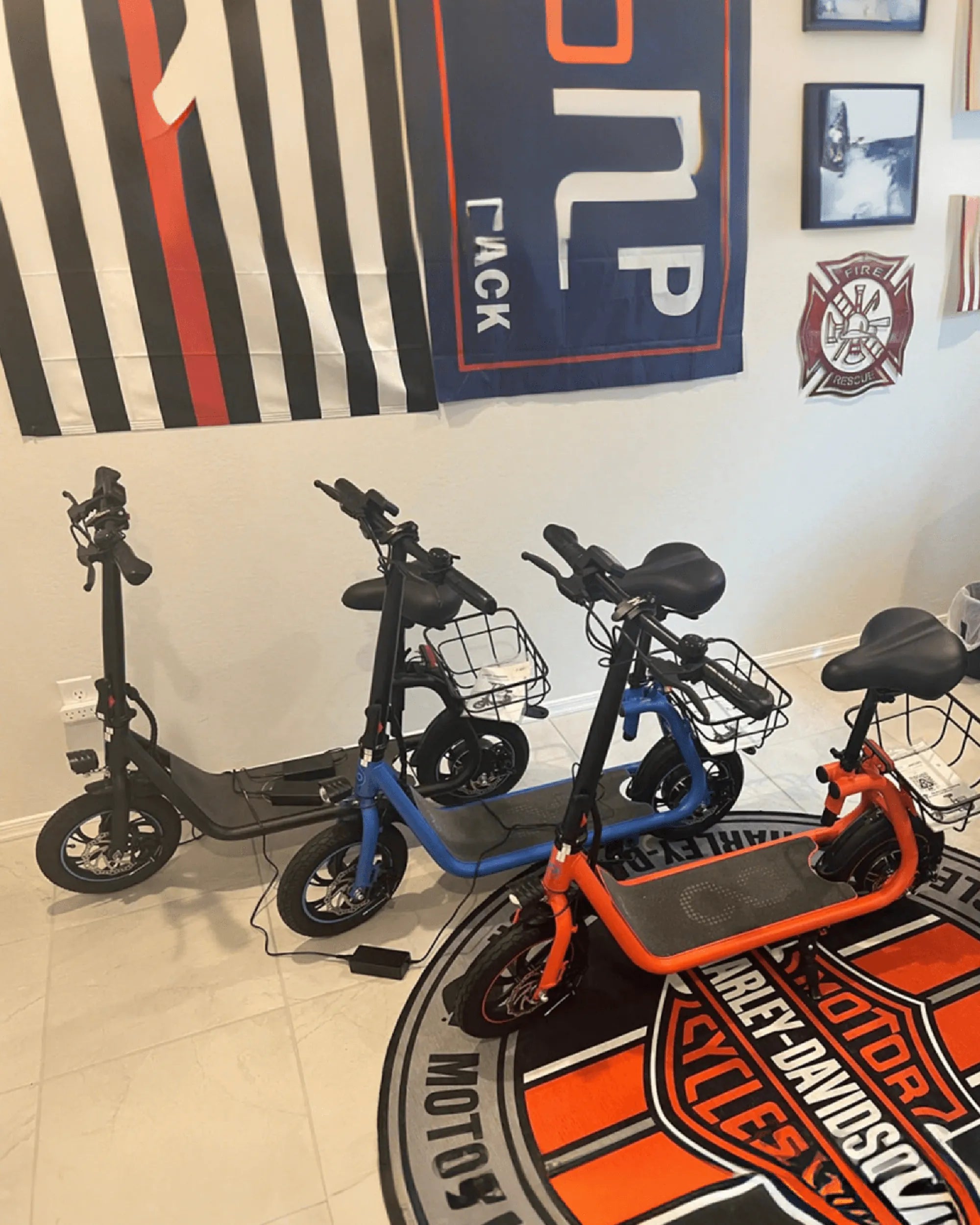
Introduction: Why a Trike is More Than Just a First Bike
Choosing a trike tricycle for kids is a foundational decision in a child's journey toward independence and physical confidence. Far more than a simple toy, a well-designed trike serves as a critical developmental tool, fostering balance, coordination, and spatial awareness. The right model supports a child's growth from tentative first pushes to confident, pedal-powered exploration.
This guide will provide a comprehensive, data-driven framework for selecting the ideal trike tricycle for kids. We will analyze key factors from safety and durability to developmental appropriateness, drawing on engineering principles and child development milestones.
As a brand trusted by over 100,000 riders for its commitment to safety and quality in electric mobility, Gyroor extends these core values into its approach to children's riding products. The goal is to empower parents with the knowledge to make an informed, confidence-building choice.
You will learn how to evaluate a trike's features, understand the importance of certified safety standards, and select a model that grows with your child, ensuring years of safe adventure and developmental benefits.
Key Factors to Consider Before Buying a Kids' Trike
Selecting a trike tricycle for kids requires a methodical evaluation of several interconnected factors. The primary considerations are the child's physical and developmental stage, non-negotiable safety features, and the long-term durability of the construction.
Overlooking any of these areas can lead to a poor fit, safety compromises, or a product that becomes obsolete within months. A strategic purchase aligns the product's specifications with the child's current abilities while anticipating future growth and evolving use cases.
Parents should prioritize models that offer clear safety certifications, adjustable components, and robust materials. This initial investment in research pays dividends in extended usability, enhanced safety, and sustained child engagement.
The following sections break down these critical factors, providing a checklist for informed decision-making. This framework applies whether evaluating a classic push trike or a more advanced pedal-powered trike tricycle for kids.
Age, Size, and Developmental Stage
The most critical factor is matching the trike to the child's physical dimensions and motor skill development. A trike that is too large or complex can be intimidating and unsafe, while one that is too small will be quickly outgrown.
For toddlers aged 12-24 months, low-to-the-ground push trikes with wide wheelbases and parent steering handles are ideal. These models focus on introducing the concept of steering and sitting in a riding position without the complexity of pedaling.
For children aged 2-3 years, transitional trikes with optional push handles and simple, direct-drive pedal systems are key. At this stage, the goal is to develop leg strength and the cognitive connection between pedaling and motion.
Preschoolers aged 3-5 years are typically ready for a standard pedal trike tricycle for kids with a chain guard, adjustable seat, and more agile steering. Proper fit is essential: a child should be able to place their feet flat on the ground while seated and reach the pedals without overextending their knees.
Safety Features: Non-Negotiables for Peace of Mind
Safety in a kids' trike is engineered, not assumed. The inherent stability of the three-wheel design is just the starting point. Parents must scrutinize specific features that prevent tipping, pinching, and loss of control.
A low center of gravity and a wheelbase wider than the seat is fundamental for preventing rollovers during turns. Enclosed, chainless drive systems or fully covered chain guards are mandatory to prevent little fingers from getting caught.
For younger riders, a secure, three- or five-point harness can provide essential stability. All steering mechanisms should have limited turning radius to prevent sharp, unstable turns. Additionally, handlebar and seat ends must be capped with soft, durable material.
Gyroor's design philosophy, informed by its rigorous standards for electric scooters, applies these principles rigorously. Every potential failure point is considered, from the integrity of welds to the non-toxic nature of all surface materials, ensuring the trike tricycle for kids is safe for the most demanding use.
Durability and Build Quality: Withstanding the Test of Time (and Kids)
Durability determines whether a trike is a passing toy or a lasting investment. Build quality is assessed through materials, construction, and component resilience. A flimsy trike not only breaks quickly but can also become a safety hazard.
Frame material is paramount. Steel frames offer superior strength and longevity but are heavier. High-grade aluminum alloys provide a excellent strength-to-weight ratio, resisting rust and making the trike easier for a child to maneuver. Plastic frames are generally insufficient for sustained outdoor use.
Examine the quality of welds and connections; they should be smooth and consistent. Wheel construction is also critical: solid, airless EVA foam tires are puncture-proof and low-maintenance, while pneumatic tires offer a smoother ride on varied terrain but require inflation.
Bearings in the wheels and steering column should be sealed to keep out dirt and moisture. A durable trike tricycle for kids from a brand like Gyroor is built to endure daily use, withstand weather exposure, and potentially be passed down to siblings, maximizing its value and reducing waste.
The Gyroor Advantage: Engineered for Growth and Confidence
Gyroor's foray into children's mobility products is guided by the same engineering rigor that defines its electric scooters and e-bikes. This translates into a trike tricycle for kids designed not just for play, but for progressive skill development and unwavering safety.
The brand's core tenets—UL-certified safety, IP-rated durability, and user-centric design—are directly applied. Parents benefit from a product that offers certified peace of mind, while children enjoy a ride that adapts to their growing abilities, fostering genuine confidence.
This approach results in trikes that serve as reliable platforms for adventure, from backyard exploration to park pathways. The focus is on creating a seamless, supportive experience that encourages outdoor activity and independent mobility.
Understanding the Gyroor advantage means recognizing how specific design choices address common parental concerns and elevate the child's riding experience beyond that of a basic toy.
Adaptable Design: A Trike That Grows With Your Child
The most significant value in a premium trike tricycle for kids is extended usability. Gyroor models incorporate multiple points of adjustability to accommodate rapid physical growth and evolving skill levels.
The seat post should offer a wide range of height adjustments, often 4-6 inches, secured by a robust locking mechanism. Some advanced models feature convertible designs, where a parent steering handle and safety harness can be detached as the child gains independence.
Modular accessories, such as removable push bars, storage baskets, or canopies, allow the trike's functionality to be customized for different outings and stages. This adaptability ensures the product remains engaging and useful for several years.
This philosophy of growth-oriented design mirrors Gyroor's approach to its e-scooters, where adjustable handlebars and speed modes cater to different rider needs, ensuring a single product delivers long-term value.
Safety as Standard: UL-Certified Peace of Mind
Gyroor's commitment to safety is proactive and certification-driven. Just as their electric scooter batteries undergo rigorous UL testing for over 500 charge cycles, the materials and construction of their kids' trikes are held to stringent standards.
This involves stability testing to ensure the trike cannot tip under normal riding conditions. All plastics and surface coatings are tested to be lead-free and non-toxic, complying with international child safety standards like ASTM F963 and CPSIA.
Structural integrity is validated through stress tests on the frame, forks, and axles. Furthermore, safety features like limited-turn steering and enclosed drive systems are not afterthoughts but foundational design elements.
For parents, this translates to unparalleled confidence. Choosing a Gyroor trike tricycle for kids means selecting a product where safety has been independently verified and engineered into every component, from the ground up.
Built for Real-World Adventure: From Driveway to Park
A great kids' trike must perform in real-world conditions. Gyroor designs its trikes to handle a variety of surfaces, from smooth driveways to slightly rugged park paths, encouraging exploration.
Wheel choice is crucial. Models may feature wide, airless tires with deep treads for all-terrain grip or smoother, semi-pneumatic tires for quiet efficiency on pavement. The goal is to provide a stable, low-resistance ride that doesn't frustrate a young rider's efforts.
Practicality for parents is also considered. Many Gyroor trikes incorporate easy-fold or quick-disconnect mechanisms for compact storage in car trunks or tight spaces. Reflecting the brand's IPX5 water-resistant standard for scooters, these trikes are built to withstand splashes, puddles, and easy cleaning.
This focus on real-world durability and convenience ensures the trike tricycle for kids is a ready-for-anything companion, supporting countless hours of active outdoor play without constant parental concern over its condition.
Choosing the Right Model: A Comparison for Different Needs
With an understanding of key features and the Gyroor philosophy, the next step is a practical model selection. The ideal trike tricycle for kids varies significantly based on the child's starting age, primary environment, and the family's lifestyle.
The following comparison table outlines hypothetical Gyroor model categories, illustrating how different designs cater to specific use cases. This data-driven approach helps parents align product specifications with their unique requirements.
| Model Type | Recommended Age/Weight | Key Features | Primary Use Case | Unique Value Proposition |
|---|---|---|---|---|
| First-Step Push Trike | 12-36 mos. / Up to 44 lbs | Parent steering handle, 3-point harness, low seat, no-pinch wheels, limited-turn steering. | Indoor & controlled outdoor environments. Building initial balance and steering familiarity. | Ultra-safe introduction to riding. Converts from parent-controlled to early independent use. |
| Adventure Pedal Trike | 2.5-5 years / Up to 55 lbs | Adjustable seat (4" range), enclosed chain guard, wide all-terrain EVA tires, rear storage bin. | Daily outdoor play on pavement, grass, and mild paths. Developing pedal power and coordination. | Durable, go-anywhere design. Grows with the child for maximum longevity and adventure readiness. |
| All-Terrain Explorer Trike | 3-6 years / Up to 66 lbs | Pneumatic tires, front suspension, extended adjustability, high-traction tread, reinforced steel frame. | Rugged park trails, gravel, and uneven surfaces. For the active, adventurous child. | Superior comfort and handling on rough ground. Built to the highest durability standards for extended use. |
Analyzing these profiles allows for a targeted choice. A family in an apartment might prioritize the compact fold of a certain model, while a family with a backyard on grass might need the all-terrain capabilities of another.
The trike tricycle for kids that offers the right blend of safety features, adjustability, and terrain suitability will provide the most satisfying and long-lasting experience for both child and parent.
Frequently Asked Questions (FAQs) About Kids' Trikes
Q1: What is the appropriate age to start my child on a trike?
A: Children can begin using a push-style trike with parent guidance as early as 12-18 months, once they can walk steadily and sit upright unsupported. Transitioning to a pedal-powered trike tricycle for kids typically occurs between 2.5 and 3 years, when they have developed sufficient leg strength and coordination. Always follow the manufacturer's recommended age and weight guidelines, which are based on stability and developmental testing.
Q2: Are balance bikes a better choice than trikes for learning to ride?
A: They serve different purposes. A trike teaches pedaling, steering, and the cause-and-effect of propulsion from a stable platform. A balance bike focuses exclusively on balance and gliding. Many experts recommend a trike as a logical first step, as pedaling is a complex skill. A well-designed trike tricycle for kids builds foundational confidence that can make transitioning to a balance bike or pedal bike later smoother. The choice depends on your child's interests and developmental focus.
Q3: How do I ensure the trike is the right fit for my child?
A> Proper fit is critical for safety and comfort. When seated, your child's feet should rest flat on the ground or footrests. Their knees should have a slight bend (about 15-25 degrees) when the pedal is at its farthest point. They should be able to grip the handlebars comfortably without leaning forward excessively. Utilize all available seat adjustments to achieve this fit, and re-check it every few months as your child grows.
Q4: What maintenance does a kids' trike require?
A> Regular maintenance ensures safety and longevity. Monthly, check and tighten all bolts (axles, seat clamp, handlebar). Inspect tires for wear or damage; inflate pneumatic tires to the recommended PSI. Lubricate the chain on chain-drive models with a child-safe lubricant. Wipe down the frame with a damp cloth to remove dirt and check for any cracks or stress points in the plastic or metal. A durable model like those from Gyroor will require minimal but consistent upkeep.
Q5: Can a trike be used safely indoors?
A> Yes, but with considerations. Push trikes and models with quiet, non-marking EVA wheels are ideal for indoor use on hard floors. Ensure there is ample space clear of sharp corners, fragile items, and tripping hazards. Supervised indoor riding can be excellent for skill development in poor weather. Always verify the manufacturer's guidelines, as some all-terrain models with deep treads are designed primarily for outdoor use.
Investing in First Rides and Lasting Memories
Selecting the right trike tricycle for kids is an investment that pays dividends in childhood development, joyful independence, and active outdoor habits. It is a purchase that supports critical motor skills, builds self-esteem, and creates cherished family memories of first rides and growing confidence.
The journey from wobbly first pushes to determined pedaling around the block is a milestone worth supporting with a product engineered for safety and growth. By prioritizing certified safety standards, adaptable design, and uncompromising durability, parents can choose a trike that serves as a reliable partner in this journey.
Gyroor's commitment to these principles—forged through engineering electric mobility for over 100,000 riders—ensures that every kids' trike is built to foster confidence and withstand adventure. It represents a fusion of rigorous safety testing, thoughtful design, and a deep understanding of what families need from a child's first vehicle.
Ready to find the perfect trike to launch your child's adventures? Explore a collection designed with safety, growth, and real-world fun in mind. Browse the full Gyroor collection and find your child's ideal first ride at gyroorboard.com.
Dirt Bike for Kids 13 Years Old: The 2024 Parent's Guide to Size, Safety & Power
How Many Miles Per Gallon Does a Scooter Get: Gas vs. Electric MPG Explained