



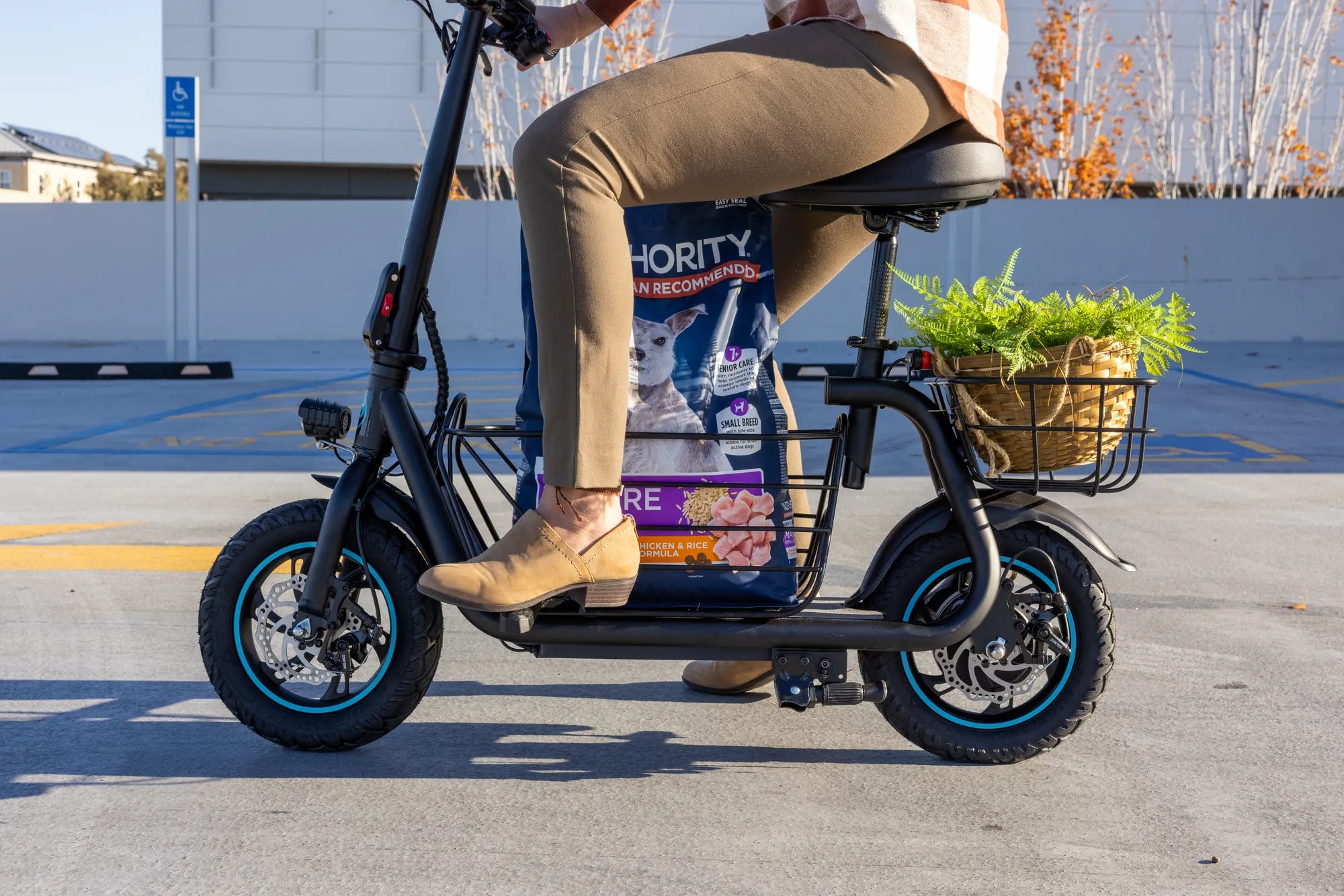
If you're looking for a smoother, safer, and more efficient ride, tubeless scooter tires might just be the game-changer you need. These innovative tires are gaining popularity among scooter enthusiasts for their superior performance and reduced maintenance. But what exactly makes them stand out? Let's dive into the world of tubeless scooter tires and explore why they could be the perfect fit for your ride.
What Are Tubeless Scooter Tires?
Tubeless scooter tires, as the name suggests, are tires that don't require an inner tube to hold air. Instead, they rely on a tight seal between the tire and the rim to maintain pressure. This design eliminates the risk of pinch flats and offers a more stable ride. Unlike traditional tires, which depend on a tube to contain the air, tubeless tires use a special bead and rim design to create an airtight seal.
Benefits of Tubeless Scooter Tires
One of the biggest advantages of tubeless scooter tires is their ability to resist punctures. Without an inner tube, there's no risk of pinch flats, which are common with traditional tires. Additionally, tubeless tires can often self-seal small punctures thanks to sealants that are added during installation. This means fewer stops to fix flats and more time enjoying your ride.
Another benefit is improved ride quality. Tubeless tires allow for lower air pressure, which provides better traction and a smoother ride over rough surfaces. This is especially useful for urban riders who frequently encounter potholes and uneven pavement. The reduced weight of tubeless tires also contributes to better acceleration and handling.
Drawbacks of Tubeless Scooter Tires
While tubeless scooter tires offer many advantages, they aren't without their drawbacks. One of the main challenges is installation. Setting up tubeless tires can be more complicated than traditional tires, often requiring special tools and sealants. If not done correctly, the tire may not seal properly, leading to air leaks.
Another potential downside is cost. Tubeless tires and compatible rims tend to be more expensive than their traditional counterparts. However, many riders find the long-term benefits outweigh the initial investment. Maintenance can also be more involved, as sealants need to be replenished periodically to ensure optimal performance.
How to Maintain Tubeless Scooter Tires
Proper maintenance is key to getting the most out of your tubeless scooter tires. Regularly check the tire pressure to ensure it's within the recommended range. Low pressure can increase the risk of burping, where air escapes during sharp turns or hard impacts. Inspect the tires for any signs of damage or wear, and replace them if necessary.
Sealant is a critical component of tubeless tires, so make sure to top it off as needed. Most sealants last between 2-6 months, depending on usage and environmental conditions. If you notice a persistent leak, it may be time to reapply the sealant or inspect the tire for larger punctures that require patching.
Are Tubeless Scooter Tires Right for You?
Deciding whether to switch to tubeless scooter tires depends on your riding style and preferences. If you prioritize puncture resistance, ride comfort, and performance, they're definitely worth considering. However, if you're on a tight budget or prefer simpler maintenance, traditional tires might still be a better option.
Ultimately, tubeless scooter tires represent a significant advancement in scooter technology, offering a blend of safety, efficiency, and comfort. Whether you're a daily commuter or a weekend adventurer, upgrading to tubeless tires could transform your riding experience. Ready to take your scooter to the next level? Tubeless tires might just be the upgrade you've been waiting for.
500 Watt Ebike: The Ultimate Guide to Power, Performance, and Efficiency
500 Watt Ebike: The Ultimate Guide to Power, Performance, and Efficiency