

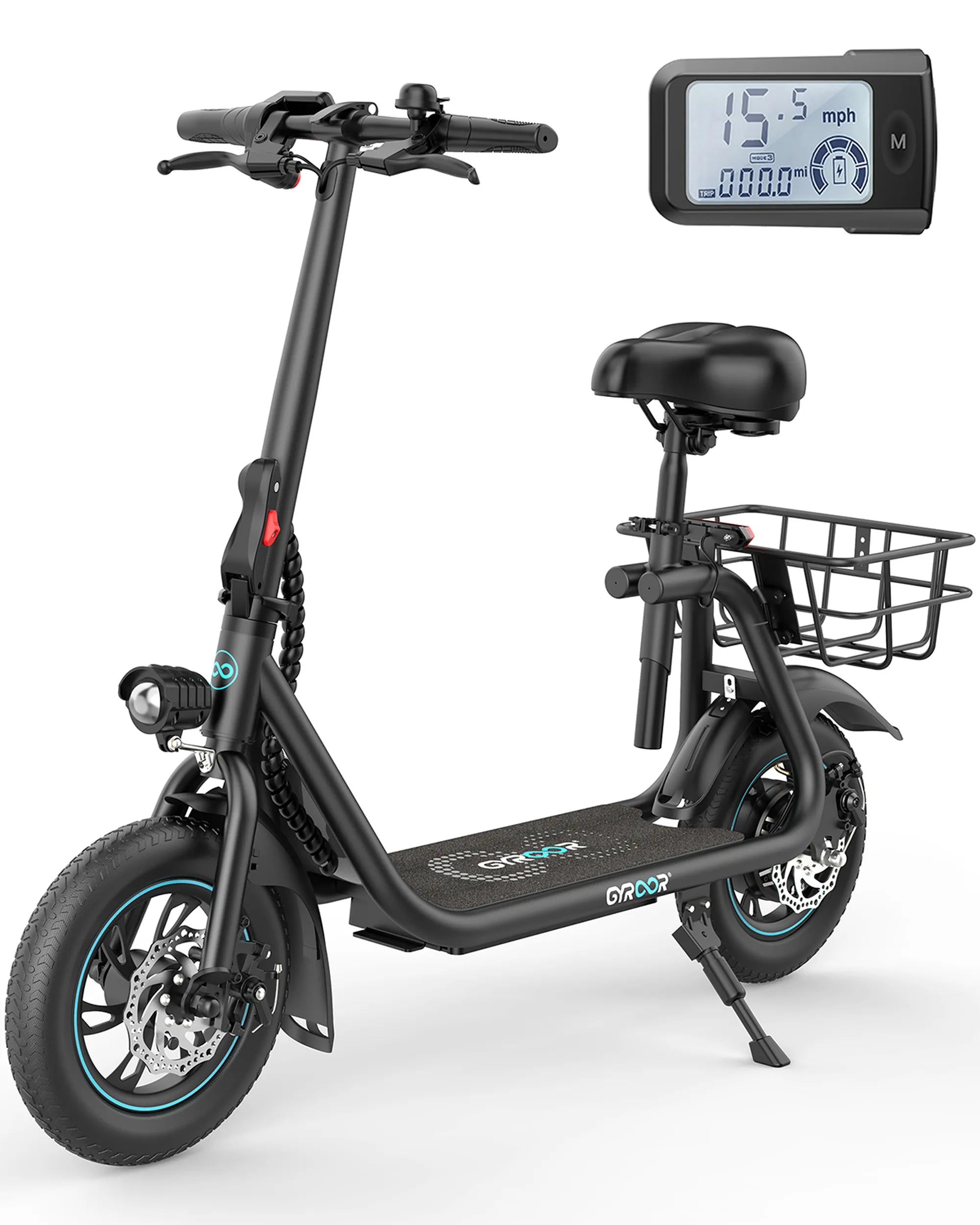
Have you ever wished your bike could effortlessly glide up hills or keep pace with traffic without breaking a sweat? Converting your traditional bicycle into an electric bike is easier than you think—and it opens up a world of possibilities for commuting, recreation, and fitness. Whether you're looking to reduce your carbon footprint or simply make your rides more enjoyable, an electric bike conversion is a game-changer. Let's dive into everything you need to know to turn your bike into an electric powerhouse.
Why Convert Your Bike Into an Electric Bike?
Electric bikes combine the best of cycling and motorized transportation. They offer pedal assistance, making long distances and steep inclines more manageable while retaining the health benefits of traditional cycling. Converting your existing bike saves money compared to buying a new electric bike and allows you to customize the setup to your preferences.
Essential Components for an Electric Bike Conversion
To turn your bike into an electric bike, you'll need a few key components:
- Motor: The heart of your electric bike, available in hub motors (front or rear wheel) or mid-drive systems.
- Battery: Powers the motor, with options like lithium-ion for lightweight, long-lasting performance.
- Controller: Regulates power flow between the battery and motor.
- Throttle or Pedal Assist Sensor (PAS): Lets you control speed manually or automatically based on pedaling.
- Display: Shows speed, battery level, and other metrics.
Step-by-Step Conversion Process
1. Choose the Right Conversion Kit
Select a kit that matches your bike's frame type, wheel size, and intended use. Hub motor kits are easier to install, while mid-drive systems offer better balance and efficiency.
2. Remove the Existing Wheel (For Hub Motor Kits)
If using a hub motor, replace either the front or rear wheel with the motorized one. Ensure proper alignment and secure the axle tightly.
3. Install the Battery
Mount the battery on the frame or rear rack, keeping it balanced and secure. Avoid obstructing pedals or brakes.
4. Connect the Controller and Wiring
Attach the controller to the frame and route wires neatly to avoid interference with moving parts. Connect the motor, battery, throttle, and display.
5. Test and Adjust
Power on the system and test the throttle or pedal assist. Check brakes, alignment, and battery life before hitting the road.
Benefits of an Electric Bike Conversion
Converting your bike offers several advantages:
- Cost-Effective: Cheaper than buying a new electric bike.
- Customizable: Tailor the setup to your riding style.
- Eco-Friendly: Reduce emissions and fuel consumption.
- Extended Range: Ride farther with less effort.
Maintenance Tips for Your Electric Bike
Keep your converted bike running smoothly with these tips:
- Regularly check tire pressure and brake function.
- Charge the battery after each ride and store it in a cool, dry place.
- Inspect wiring and connections for wear or damage.
- Clean the bike to prevent dirt buildup on moving parts.
Ready to revolutionize your rides? Converting your bike into an electric bike is a rewarding project that enhances convenience, sustainability, and fun. With the right tools and a bit of patience, you'll be cruising effortlessly in no time—leaving traffic and steep hills in your dust. Say goodbye to sweaty commutes and hello to the future of cycling!
Electric Motor Bike Price in India: A Comprehensive Guide to Affordable and Eco-Friendly Rides
Normal Electric Bike: The Ultimate Guide to Choosing the Perfect Ride